




GM Working With Two Outside Battery Firms for Volt Development
DETROIT --- In light of Toyota's announced plans to test its newly developed plug-in hybrid vehicle on public roads in Japan, auto industry analysts are all the more interested in General Motors' progress in developing its plug-in hybrid Chevy Volt.
DETROIT --- In light of Toyota's announced plans to test its newly developed plug-in hybrid vehicle on public roads in Japan, auto industry analysts are all the more interested in General Motors' progress in developing its plug-in hybrid Chevy Volt. GM has also selected two companies to work on battery development projects for the Volt development effort, Reuters reported. Last month, CEO Rick Wagoner announced that Compact Power, part of Korea-based LG Chem, will test a lithium-ion battery pack to power the Volt and will integrate other batteries manufactured by its parent company. Meanwhile, a division of German auto supplier Continental AG will focus on integrating batteries supplied by Massachusetts-based A123 Systems. Compact Power Inc., based in Troy, Mich., will develop a lithium-ion battery system for GM's E-Flex propulsion system. "We are honored to partner with GM in bringing a line of vehicles to the marketplace that is technologically advanced and provides exceptional fuel economy," said Prabhakar Patil, CEO of CPI. During the 12-month period of the development program, CPI will go through three phases: battery cell/module development and testing, battery pack development and testing, and in-car integration and testing. Some industry analysts expect lithium-ion batteries to surpass nickel-metal hydride (NiMH) batteries as the standard for hybrid electric vehicles in the next three to five years. They point to several advantages that lithium-ion has over NiMH batteries, including higher voltage, lower weight, smaller volume, greater power and performance, longer life, wider temperature range performance, and less environmental impact. Last month, GM made it clear the company wanted to speed up development of the Volt when it reassigned 500 engineers. According to a report from Bloomberg, the engineers transferred from research and development to production engineering and other areas focused on preparing the Volt for market. Larry Burns, vice president of R&D, told Bloomberg that the Volt and its fuel-cell powerplant were moving from the theory stage to the reality stage. GM also plans to build more than 100 Chevy Equinox fuel-cell models starting this year to demonstrate the technology, which converts hydrogen into electricity. The only byproduct is water. Moreover, GM is developing a plug-in hybrid version of the Saturn Vue, according to Bloomberg.
More Fuel
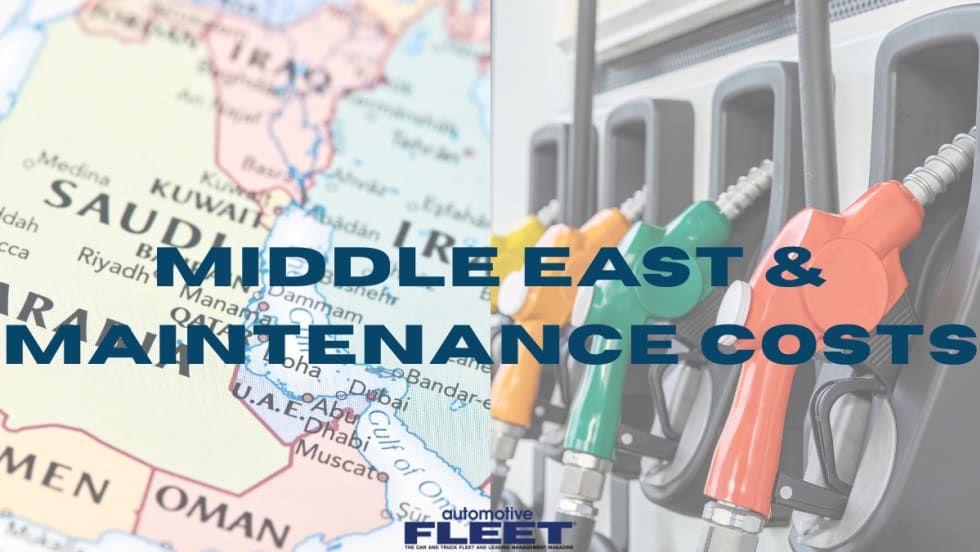
Fuel is Just the Start: How Middle East Tensions are Driving Up Fleet Maintenance Costs
The Middle East conflict is doing more than pushing up fuel prices. It’s also raising the cost of key maintenance products your fleet depends on, from motor oil to tires to windshield wipers. Here’s what you need to know about this budget-busting situation.
Read More →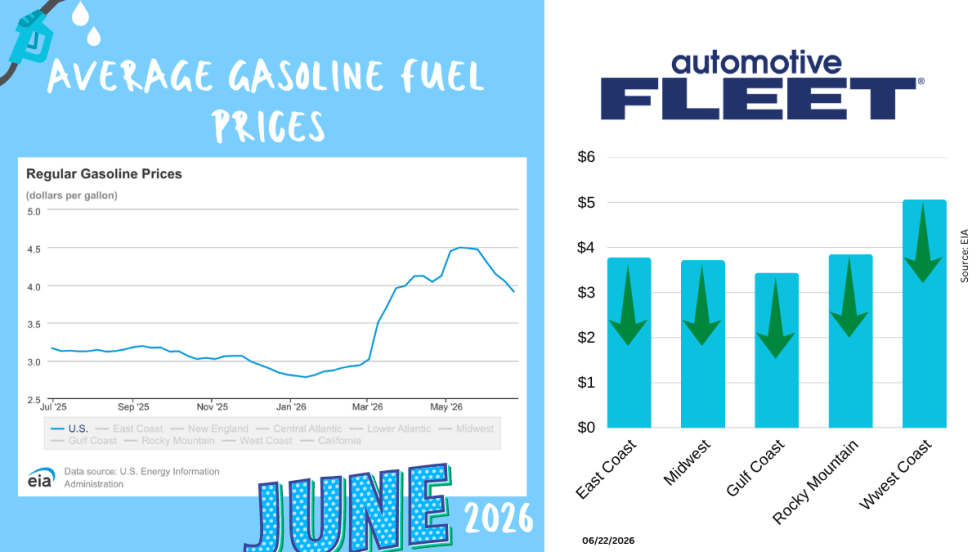
June Fuel Update: Prices Fall Below $4
Drivers are finally getting some relief at the pump. The national average gas price has dropped below $4 a gallon for the first time in months, with prices falling in 47 states as oil markets react to developments in U.S.-Iran negotiations.
Read More →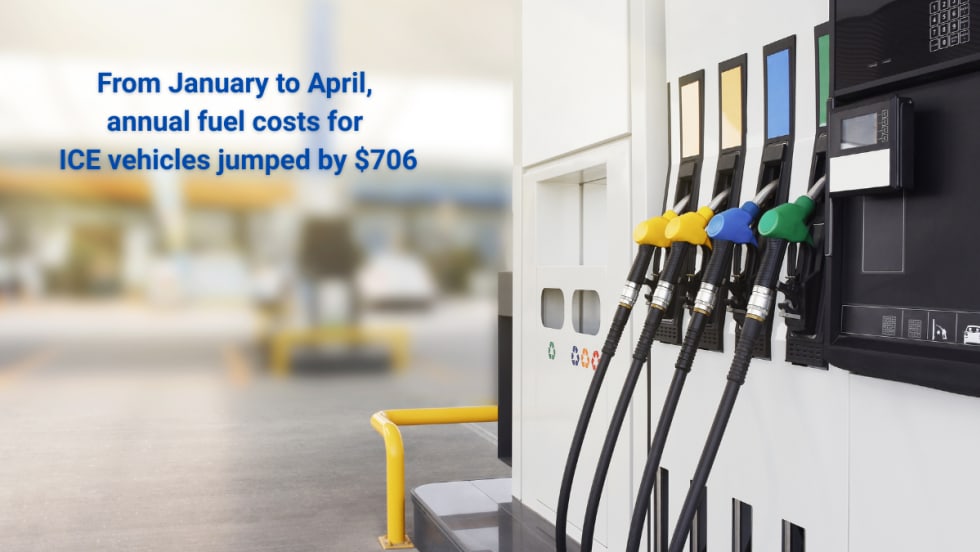
Study: How 2026's Gas Price Hikes Affect Different Vehicle Types
New data from iSeeCars reveals how rising fuel costs have affected different vehicle segments as gasoline prices climbed nearly 46% over the past four months.
Read More →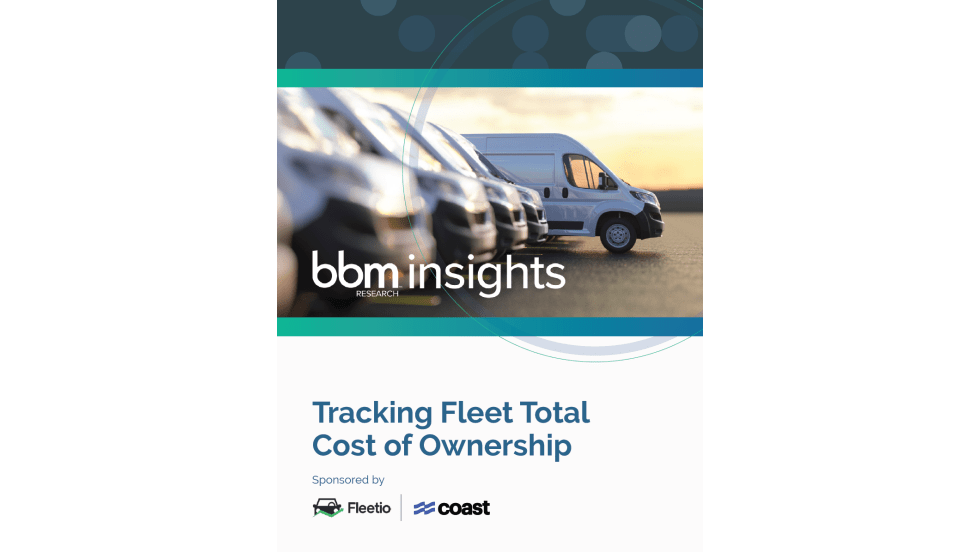
Are You Tracking Your Fleet's True Total Cost of Ownership?
Bobit Business Media surveyed 190 fleet professionals and found that while most fleets are tracking costs, fragmented systems and data gaps are keeping true TCO visibility out of reach. With rising pressure to control spend in an increasingly volatile environment, the gap between what fleets think they know and what the data actually shows is wider than you might expect. See how your peers are managing costs today and where the industry still has room to improve.
Read More →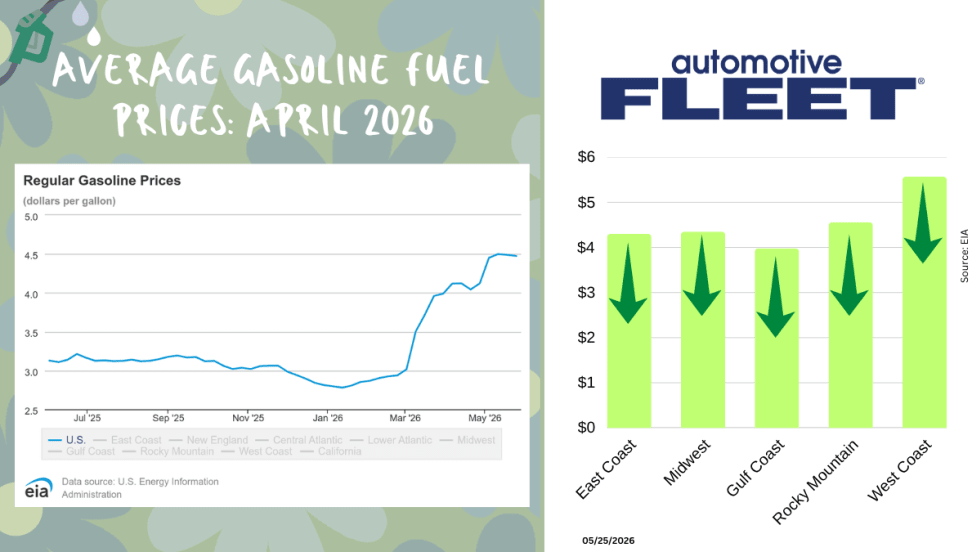
May Fuel Update: All Regions Experience Declines
Gas prices are finally easing in much of the country, but experts warn global tensions could quickly reverse the trend as the national average remains well above last month’s levels.
Read More →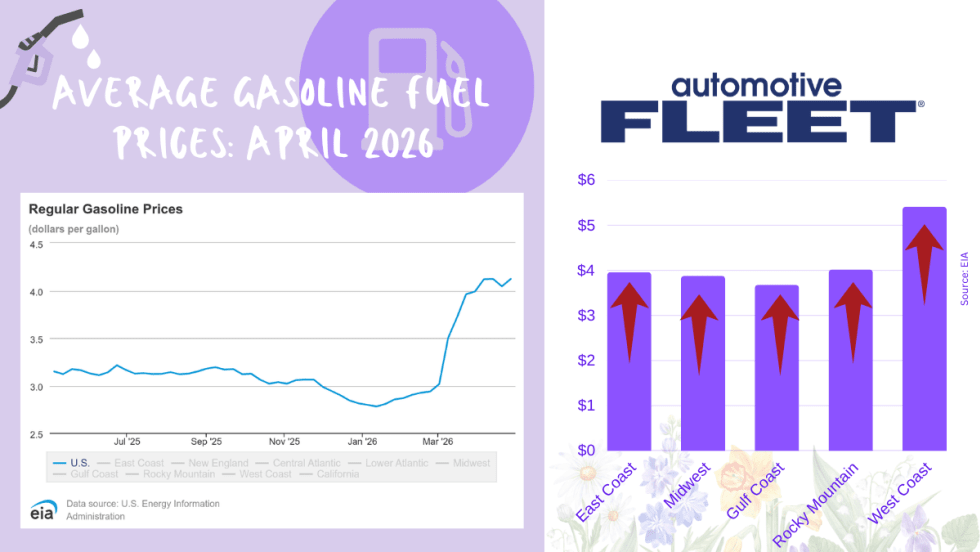
April Fuel Update: Prices Climb Above $4 as Spring Surge Accelerates
National average jumps to $4.04 per gallon, up sharply from last year, with West Coast prices topping $5 and further increases expected amid rising oil tensions.
Read More →
Tips from Fleet Managers on Saving Fuel Costs
Fleet leaders share practical strategies to reduce fuel spend through smarter policy, routing, and driver guidance.
Read More →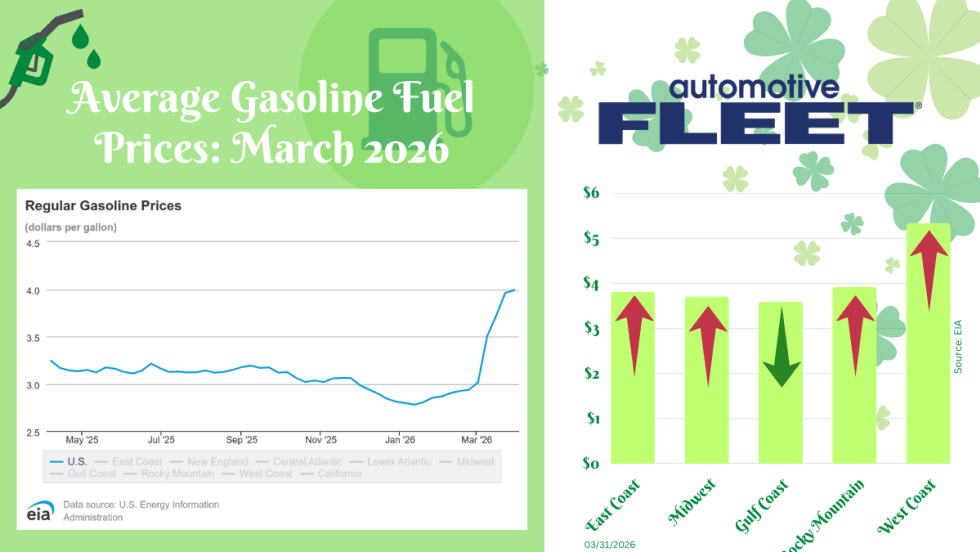
March Fuel Update: Prices Settle With a $4 Average
Fuel prices significantly slowed this week, but a $4 national average is still expected.
Read More →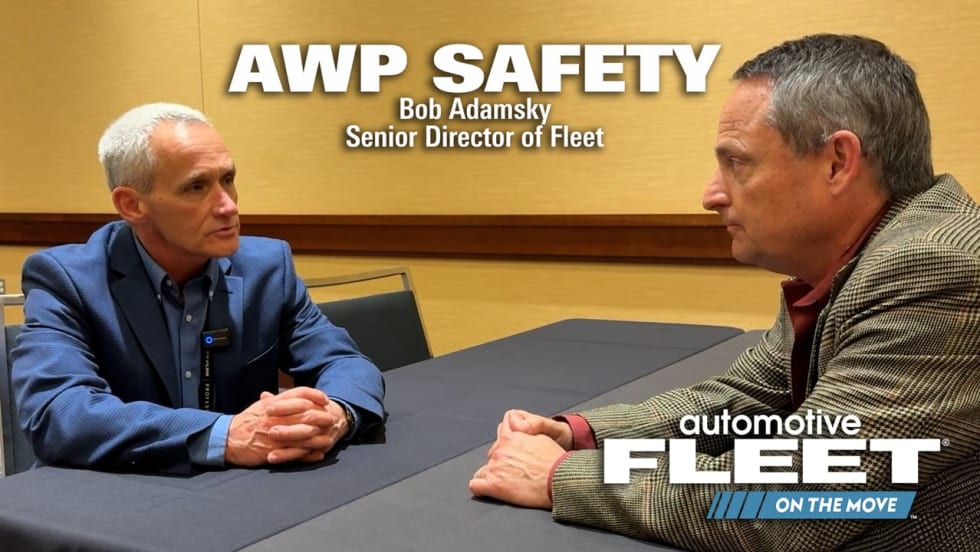
Bob Adamsky on Fuel Volatility: “Don’t Panic — Have a Plan”
With oil prices rising again, AWP Safety’s fleet manager shares how to respond to rising fuel costs and how the right strategy can turn fuel spikes into cost-saving opportunities.
Read More →
Oil Market Turbulence Is Complicating Fleet Cost Planning
Rapid swings in crude oil prices driven by the conflict in the Middle East could create longer-term cost pressures for fleets, affecting fuel prices, supply chains, and vehicle strategy, says NTEA’s Andrew Wrobel.
Read More →