





Related: GM & Hyundai to Partner on Consumer, Commercial Vehicles
GM Ends Production of BrightDrop Electric Delivery Van
General Motors is ending production of the BrightDrop electric delivery van at its CAMI Assembly plant in Ontario, signaling a shift in the company’s EV strategy amid slower fleet demand.
October 28, 2025
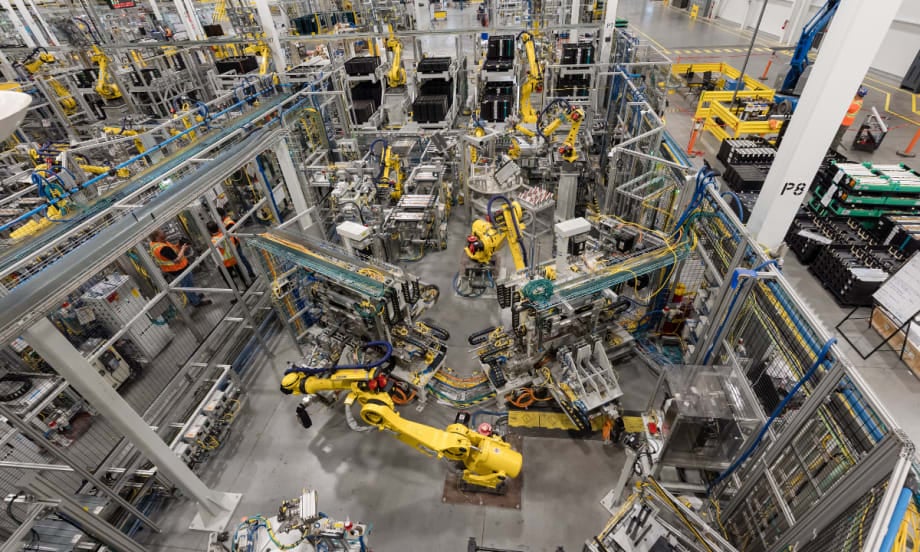
Automated machinery operates inside General Motors’ CAMI Assembly plant in Ingersoll, Ontario. The facility, which built the BrightDrop Zevo electric delivery vans, will cease production as GM adjusts its EV manufacturing capacity and responds to changing fleet demand.
Photo: GM
2 min to read
General Motors has confirmed that production of the BrightDrop electric delivery van has ended at the CAMI Assembly plant in Ingersoll, Ontario. The company will not move production to another facility.
The decision follows slower-than-expected demand for electric delivery vehicles, leaving the CAMI plant operating below capacity. Production has been on pause since May 2025. GM cited changes in EV incentives and regulations, including the removal of U.S. tax credits for certain vehicles, as additional challenges to the BrightDrop business model.
The move comes as GM adjusts its overall electric vehicle manufacturing capacity across North America.
Impact on Fleet Customers
BrightDrop, a GM subsidiary, was launched in 2021 to provide fully electric delivery vans and fleet management technology to commercial operators such as FedEx, Ryder, and Merchants Fleet. The BrightDrop Zevo 600 and Zevo 400 models were designed to support last-mile and regional delivery operations with zero-emission performance and connected services.
While GM has not detailed what will happen to existing BrightDrop assets and support infrastructure, fleet customers are expected to continue receiving parts and service for vehicles already in operation.
GM Canada Addresses Workforce and Future Plans
“The decision to end production of the BrightDrop electric delivery van is driven by market demand and in no way reflects the commitment and skill of our workforce at CAMI,” said Kristian Aquilina, president and managing director of GM Canada. “This continues to be an uncertain time for our workforce at CAMI, and we are committed to working closely with our employees, Unifor, and the Canadian and Ontario governments as we evaluate next steps for the future of CAMI.”
GM said it will follow collective bargaining provisions with Unifor. Hourly employees will receive six months of salary, along with the potential for lump-sum payments and other benefits.
Continuing Commitment to Canadian Operations
GM emphasized that its Canadian operations remain an important part of its North American business strategy, including manufacturing, software development, and parts distribution.
“Our Canadian operations continue to be a critical part of GM and our North America business,” Aquilina said. “We employ thousands of Canadians across our manufacturing facilities, tech centers, parts distribution network, and corporate offices. For more than a century, GM has been designing, engineering, and building vehicles in Canada, and we intend to continue that tradition.”
More Operations

Personal-Use Charges Rise as Vehicle Values Fall | AF News Recap
Personal-use charges are climbing, wholesale used-vehicle values are declining, and commercial fleet sales growth is slowing. This week, we're breaking down the latest fleet data, plus how Element Fleet Management is helping Waymo prepare for its first Canadian robotaxi market.
Read More →
Here's When You Should Make an Exception to Fleet Policy
Fleet policies are designed to create consistency, but not every driver or situation fits neatly within standard rules.
Read More →
AI-Native or AI-Acquired: What Should Fleet Managers Look for in an AI Platform?
Six questions can help fleet managers look beyond AI marketing claims to evaluate integration, data access, and real-world operational performance.
Read More →
Sponsored•October 14, 2026
A buyer's guide to fleet management software in 2027
Buying fleet management software in 2027 means looking beyond features and price. As fleet operations, technology and expectations evolve, this guide explores what today’s fleet professionals should consider when choosing a system that can deliver value now and adapt to what comes next.
Read More →
What Will Shape the Next Era of Fleet Management?
EVs, AI, and autonomous vehicles are reshaping fleet management. Discover what’s ahead—and how fleet leaders can prepare for the next era.
Read More →
How Fleets Can Recruit and Train Veterans for Technician Roles
Here's how the technician shortage has affected uptime for fleets, and what to do about it.
Read More →
Avis Budget Group Deploys Neology Toll Management Technology Across Major Brands
Neology’s neoFleet platform will manage toll transactions and toll-authority operations for vehicles across Avis, Budget, Payless, Budget Truck and Zipcar.
Read More →
Fleet Personal-Use Charges Edge Higher in 2026
Nearly eight in 10 surveyed fleets allow personal use of company vehicles, while just over half of respondents report charging employees for the privilege.
Read More →
The Future of Fleet + What’s Changing Right Now | AF News Recap
Could developments overseas offer a preview of what’s coming for U.S. fleets? This week, we’re looking at the future of AI, autonomy, and electrification, plus Ford Pro’s new certified pre-owned program, smarter vehicle offboarding, and a new way for fleets to manage toll expenses.
Read More →
How to Handle Vehicle Offboarding
What do fleet managers need to do when a driver leaves?
Read More →