





Related: Hyundai and Kia Create System to Measure Emissions Through a Vehicle's Entire Lifecycle
GM & Hyundai to Partner on Consumer, Commercial Vehicles
Hyundai and GM have detailed their first five co-developed vehicles, targeting major markets in the Americas with shared platforms and unique brand designs.
August 13, 2025

Hyundai and GM will co-develop four vehicles for Central and South America and an electric commercial van for North America, with production launches planned for 2028.
Photo: General Motors | Automotive Fleet
2 min to read
Hyundai Motor Company and General Motors have outlined the first five vehicles to come from their strategic collaboration.
Vehicle Development Plans
The automakers will co-develop four vehicles for Central and South America, including a compact SUV, compact car, compact pickup, and mid-size pickup, each capable of internal combustion or hybrid propulsion. They will also jointly develop an electric commercial van for North America.
GM will lead development of the mid-size truck platform, while Hyundai will lead the compact vehicle and electric van. Both companies will use shared platforms but design unique interiors and exteriors for their respective brands.
When fully scaled, the companies expect annual sales of the co-developed models to exceed 800,000 units.
Production Timelines
Design and engineering work is underway for the Central and South American vehicles, with launches planned for 2028. The electric van will be built in the U.S., also targeted for 2028 production.
Executive Statements
“Partnering with GM allows us to efficiently deliver vehicles in multiple segments and markets,” said José Muñoz, Hyundai president and CEO.
“These models target the largest segments in the region and the commercial market in North America,” added Shilpan Amin, GM senior vice president and global chief procurement and supply chain officer.
Additional Collaboration Areas
The companies will pursue joint sourcing initiatives for materials, transportation, and logistics in the Americas, and may expand cooperation to raw materials, components, and complex systems. They also plan to explore collaboration on low-carbon steel production.
The framework agreement, signed in September 2024, also includes potential future joint vehicle programs for global markets and propulsion systems ranging from internal combustion and hybrid to battery-electric and hydrogen fuel cell.
More Vehicle Research
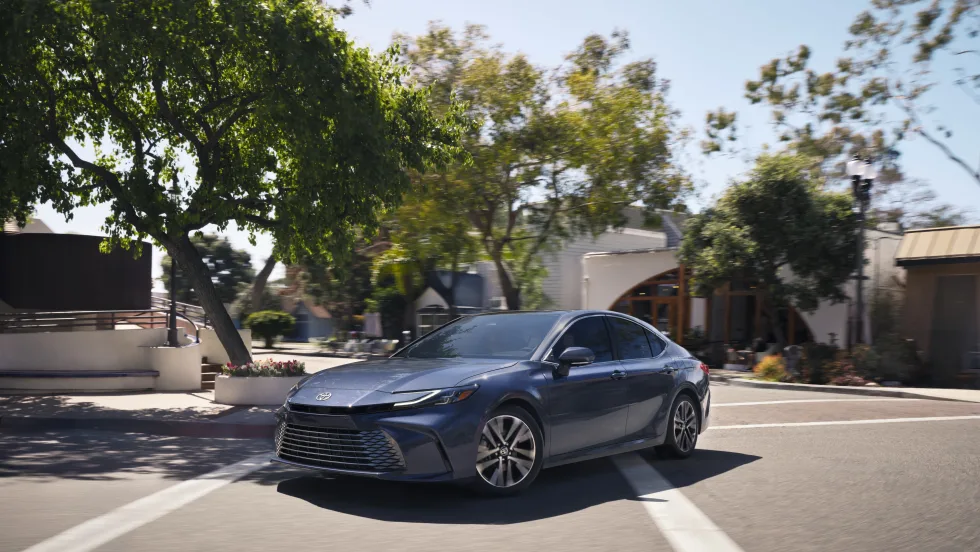
2027 Toyota Camry Offers Hybrid Powertrain Across Five Grades
The 2027 Toyota Camry is a carryover with new pricing.
Read More →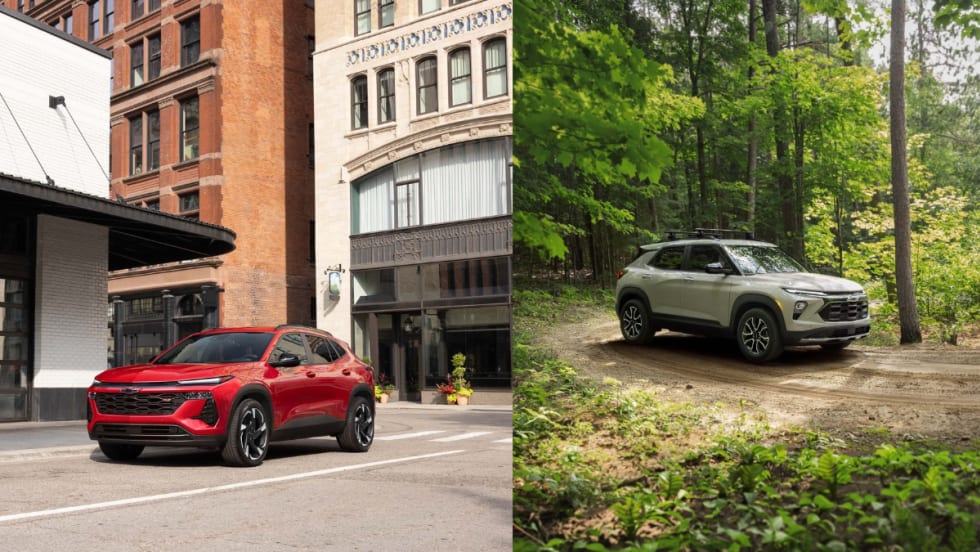
Chevrolet Updates 2027 Trax and Trailblazer with More Standard Safety Features
Chevrolet is updating two of its smallest SUVs with added driver-assistance technology, redesigned interiors, and revised trim options. The changes could add more safety equipment as standard for commercial fleets, while a new Trailblazer configuration adds another all-wheel-drive option.
Read More →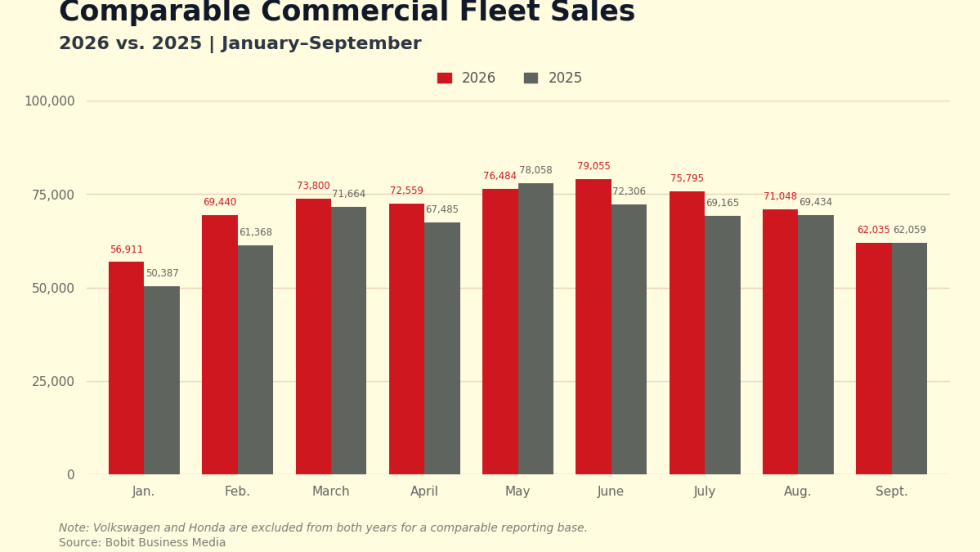
Commercial Fleet Sales Rise 5.8% Through September 2026
September commercial fleet sales were essentially unchanged from a year earlier, slowing year-to-date growth while keeping volume ahead of 2025.
Read More →
Hall of Fame Inductee: John Dmochowsky
The longtime Mondelēz International fleet executive joins the Automotive Fleet Hall of Fame.
Read More →
Hall of Fame Inductee: Lee Miller
After more than four decades at Boehringer Ingelheim, Lee Miller leaves a legacy built on fleet expertise.
Read More →
Hall of Fame Inductee: Mark F. Petersen
From managing fleets of thousands of vehicles to advancing safety and mentoring fellow professionals, Mark F. Petersen made his mark across both the corporate and supplier sides of fleet.
Read More →
When Charger Downtime Becomes a Fleet Availability Problem
As EV deployments move beyond pilot programs, charger reliability can directly affect vehicle readiness, driver productivity and route scheduling.
Read More →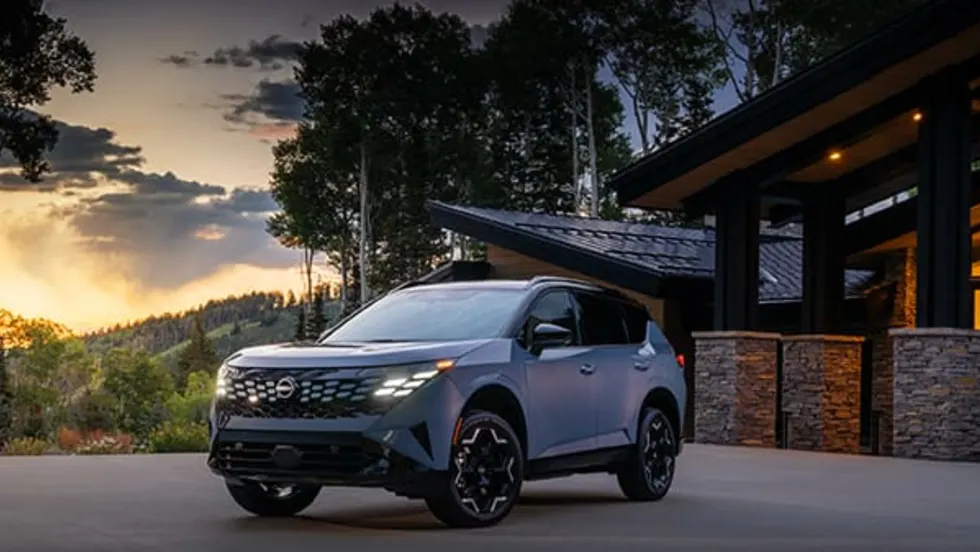
2027 Nissan Rogue Hybrid Adds e-POWER, Standard AWD
The new Rogue Hybrid uses Nissan’s e-POWER system with dual electric motors, offers an estimated 40 mpg and starts at $35,490.
Read More →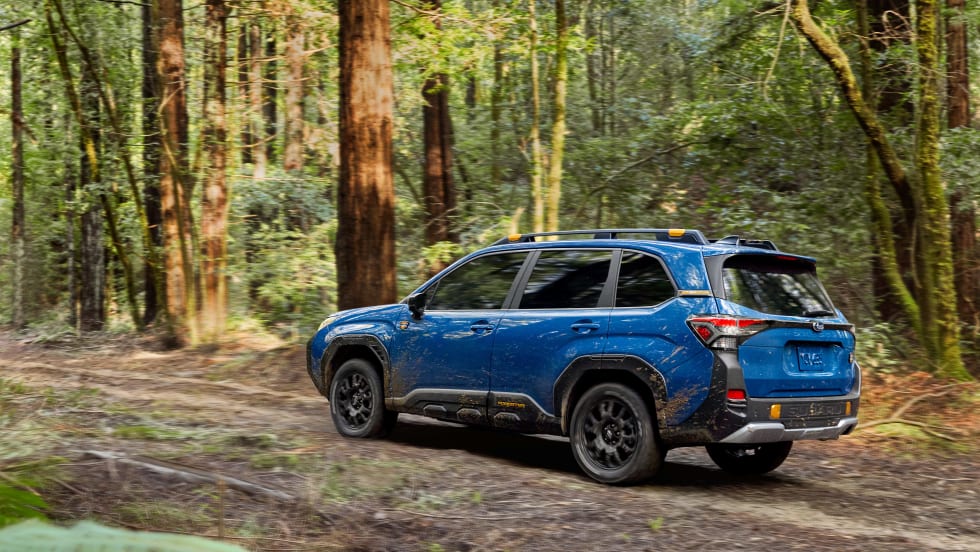
2027 Subaru Forester Adds First Wilderness Hybrid
The 2027 Forester lineup starts at $29,995 and adds a Wilderness Hybrid with 194 combined horsepower and 9.3 inches of ground clearance.
Read More →
EV Realty Names Henrik Holland President as Charging Platform Expands
The former Prologis Mobility and Shell executive will help expand EV Realty’s truck charging business and move its power-first infrastructure model into autonomous vehicle depots and other fleet sectors.
Read More →