




Gasoline Imports Averaging More Than 1 Million Barrels Per Day
WASHINGTON, D.C. --- Gasoline imports have averaged more than 1 million barrels per day in the past six weeks --- the second longest streak ever, reported the Energy Department's Energy Information Administration (EIA).
WASHINGTON, D.C. --- Gasoline imports have averaged more than 1 million barrels per day in the past six weeks --- the second longest streak ever, reported the Energy Department’s Energy Information Administration (EIA). The longest streak was a nine-week period following hurricanes Katrina and Rita. During the most recent four-week period, gasoline imports have been 30 percent higher than those seen during the same stretch of time in 2005, the EIA said. This is despite the fact that gasoline inventories are already above typical levels for this time of year. “Some analysts had been expecting gasoline imports to drop significantly, reflecting the recent decline in price differentials between European and United States gasoline markets. But, as is the case with crude oil, many analysts expect gasoline prices to go significantly higher later this year, particularly given the potential for distribution problems related to the transition from MTBE to ethanol in reformulated gasoline,” the EIA said in its most recent weekly petroleum report, released yesterday. Further, the EIA pointed out, some analysts anticipate that currently high inventory levels may be drawn down soon if demand remains high and gasoline production stays low because of refinery maintenance. “The bottom line is that if one expects gasoline prices to be significantly higher later this year, then it may make economic sense to buy now, even if that results in adding to what may appear to be already abundant inventory levels,” the EIA said. Crude oil imports over the past four weeks are down slightly compared to the same period in 2005. However, crude oil prices are $5 to $10 per barrel higher than a year ago, and crude oil inventories are nearly 32 million barrels higher.
More Fuel
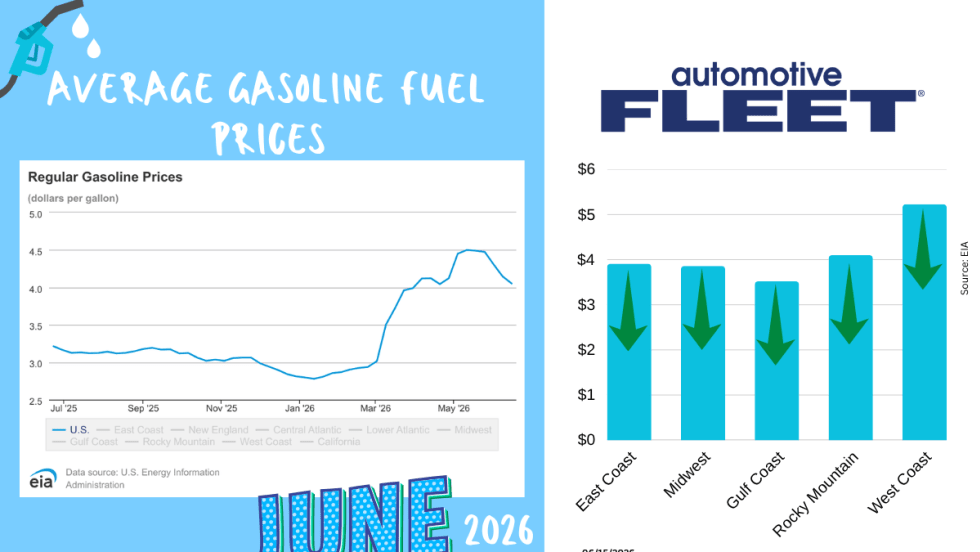
June Fuel Update: Prices Fall Below $4
Drivers are finally getting some relief at the pump. The national average gas price has dropped below $4 a gallon for the first time in months, with prices falling in 47 states as oil markets react to developments in U.S.-Iran negotiations.
Read More →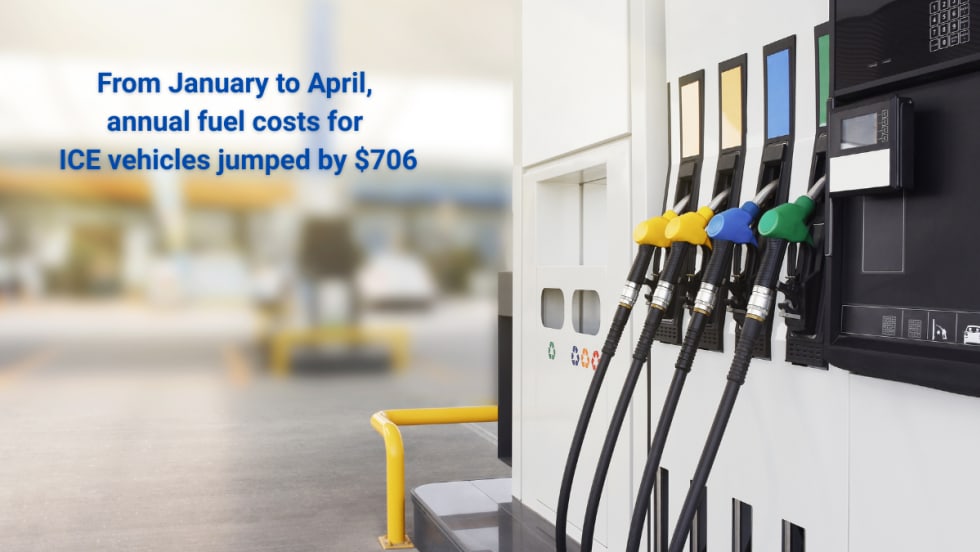
Study: How 2026's Gas Price Hikes Affect Different Vehicle Types
New data from iSeeCars reveals how rising fuel costs have affected different vehicle segments as gasoline prices climbed nearly 46% over the past four months.
Read More →
Are You Tracking Your Fleet's True Total Cost of Ownership?
Bobit Business Media surveyed 190 fleet professionals and found that while most fleets are tracking costs, fragmented systems and data gaps are keeping true TCO visibility out of reach. With rising pressure to control spend in an increasingly volatile environment, the gap between what fleets think they know and what the data actually shows is wider than you might expect. See how your peers are managing costs today and where the industry still has room to improve.
Read More →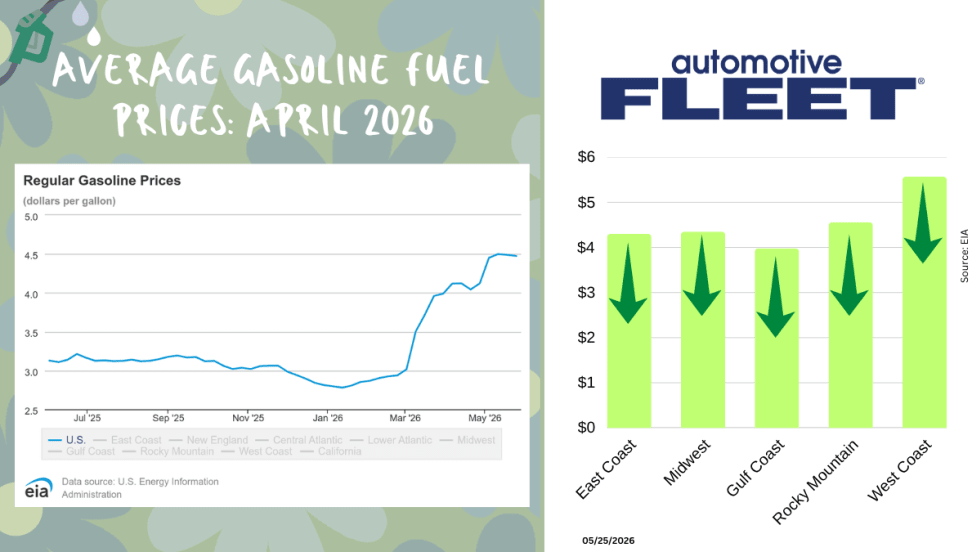
May Fuel Update: All Regions Experience Declines
Gas prices are finally easing in much of the country, but experts warn global tensions could quickly reverse the trend as the national average remains well above last month’s levels.
Read More →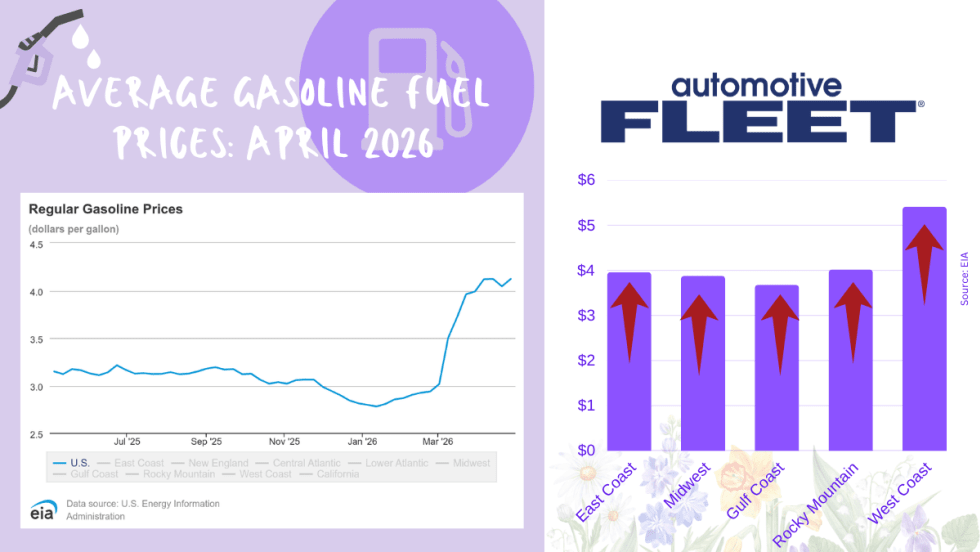
April Fuel Update: Prices Climb Above $4 as Spring Surge Accelerates
National average jumps to $4.04 per gallon, up sharply from last year, with West Coast prices topping $5 and further increases expected amid rising oil tensions.
Read More →
Tips from Fleet Managers on Saving Fuel Costs
Fleet leaders share practical strategies to reduce fuel spend through smarter policy, routing, and driver guidance.
Read More →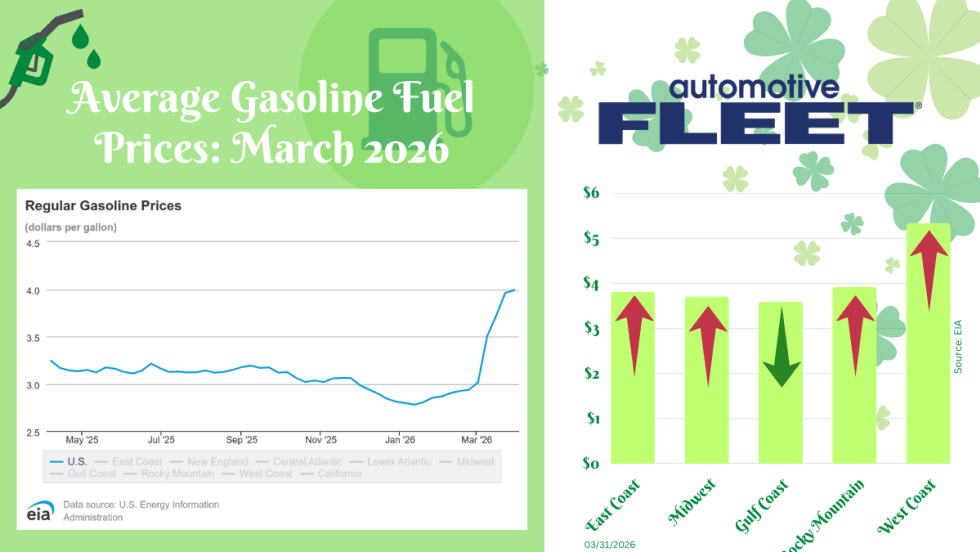
March Fuel Update: Prices Settle With a $4 Average
Fuel prices significantly slowed this week, but a $4 national average is still expected.
Read More →
Bob Adamsky on Fuel Volatility: “Don’t Panic — Have a Plan”
With oil prices rising again, AWP Safety’s fleet manager shares how to respond to rising fuel costs and how the right strategy can turn fuel spikes into cost-saving opportunities.
Read More →
Oil Market Turbulence Is Complicating Fleet Cost Planning
Rapid swings in crude oil prices driven by the conflict in the Middle East could create longer-term cost pressures for fleets, affecting fuel prices, supply chains, and vehicle strategy, says NTEA’s Andrew Wrobel.
Read More →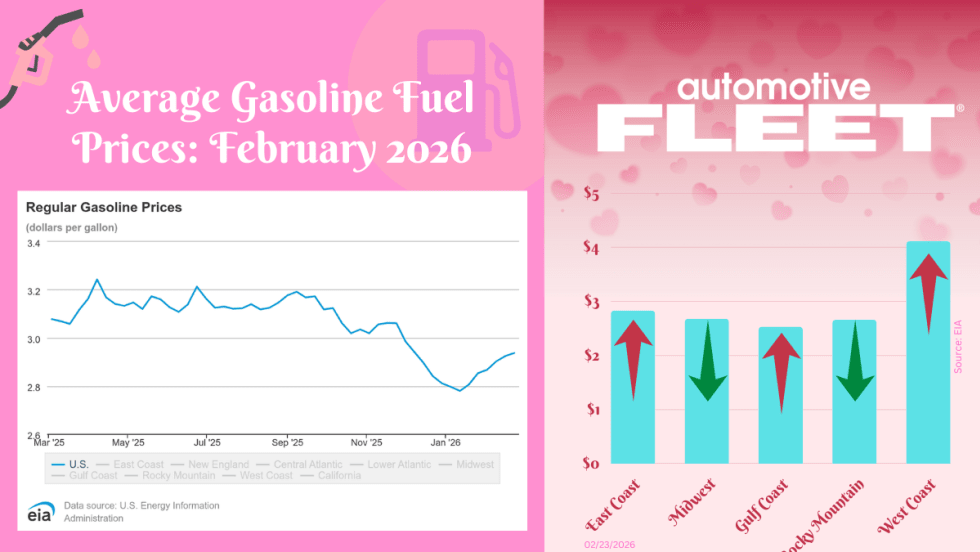
February Fuel Update: Prices Inch Higher for Third Week in a Row
The final February fuel update reveals prices continuing to inch higher for the third week in a row.
Read More →