




Fuel Management Most Crucial Issue for U.S. Trucking
FORT LAUDERDALE, FL — Controlling escalating fuel costs for America's private truck fleets is the top trucking industry concern, according to industry leaders in a survey commissioned by First Fleet Corporation, a subsidiary of PHH Arval and a provider of asset management to private truck fleets.
FORT LAUDERDALE, FL — Controlling escalating fuel costs for America's private truck fleets is the top trucking industry concern, according to industry leaders in a survey commissioned by First Fleet Corporation, a subsidiary of PHH Arval and a provider of asset management to private truck fleets. The industry leaders were polled on the Web and at First Fleet's recent Spring Fleet Managers' Conference attended by senior fleet operations managers for Fortune 500-level companies. To manage fuel costs, 48 percent of those polled said they are using on-site fueling stations, while 38 percent have issued credit or debit cards to their drivers to refuel at stations where they have negotiated rates with oil companies. In addition to fuel management, the survey addressed two other industry issues - maintenance service and collision management. Fleet managers said that maintaining their truck fleets at optimum operating condition is a major focus; the most important concern is how and where maintenance is performed. Thirty-four percent of those surveyed said they have on-site maintenance facilities, with 23 percent outsourcing maintenance and repair services to contractors' facilities. Forty-two percent of the respondents solved this challenge by using a balanced combination of company-run shops and outside facilities. Ninety percent of the fleets that use outside shops have been doing so for more than two years. Indications are that a large number of mechanics have been temporarily removed from the workforce to serve in the war in Iraq. In light of that, it is not surprising that 33 percent of the respondents reported difficulties in recruiting or retaining qualified service technicians. However, only 3 percent of the fleets have turned to outsourcing in the last two years. Associated Materials fleet executive Mike Hatfield observed, "Our biggest issue is downtime. It's almost impossible to get same-day service on the road. We have a lot of 24/7 shops that close at midnight. Why? Lack of techs." The survey posed a question about the reliability of new equipment purchased in the past two years compared to older equipment. This resulted in a dead heat: 38 percent of respondents believe newer trucks are more reliable, while 38 percent said new trucks are just as reliable as older trucks. Only 15 percent thought new trucks are less reliable than older ones. Most fleet trucks are driven on a daily basis, offering considerable exposure to the risk of accidents. On the topic of collision management, the survey asked fleet managers how their companies handle issues associated with truck accidents, including recovery costs, repairs, etc. Eighty-three percent of those surveyed said accident management is handled within their company. Of the 14 percent whose companies do not have this internal function, 56 percent reported outsourcing the task. When asked to rate their level of satisfaction with various aspects of collision management, the highest rating went to vehicle repairs. They were most dissatisfied with the availability of substitute equipment. First Fleet asked the fleet executives about the relevance of a variety of fleet services, ranking them on a five-point scale, from very relevant to least relevant. Fuel management attained the highest ranking (4.29), with flexible funding and leasing options coming in second (4.21), closely followed by coordination of manufacturers and suppliers (4.16). Survey respondents were very upfront with their written responses when asked about the most critical issues facing fleet management today. Maintenance and fuel conservation were top concerns of Dwight Hammond of ChemCentral Corp., who said, "Cost of fuel is virtually uncontrollable, but idle times and MPG can severely impact your bottom line." Blue Rhino's Bud Kiger noted that "company margin pressures, gaining and optimizing on efficiency fuel cost and alternative fuels" were critical to his company. New equipment quality was a concern of Randy Phulps of Tony's Fine Foods, who stated, "Today's workmanship is a big concern." In addition, the ongoing shortage of qualified drivers and the resulting rising cost of drivers' salaries, a topic on First Fleet's previous survey, was a concern that inspired written comments on many survey responses. The survey, which drew a 25 percent response compared to 16 percent who responded in fall 2004, was commissioned by First Fleet Corporation and conducted by Dr. Luiz Duarte, Vice President, Starmark Market Intelligence. "The strong response to this survey indicates the industry's growing concern over controlling spiraling fuel and maintenance costs," said Dr. Duarte. As one fleet executive remarked, "The most critical issue facing fleet management today is developing operational improvements that will help to keep service levels up without incurring a high cost percentage increase." For a full summary of the First Fleet National Survey of Fleet Managers, please visit the Web site: ffcsurvey.starmark.com/.
More Fuel

Turning Fleet Payment Data into Executive Insights
Ramel Lindsay of U.S. Bank Voyager discusses how fleets can transform payment and transaction data into actionable intelligence to reduce costs, improve oversight, and support executive decision-making.
Read More →
Why the IRS Raised Its Mileage Rate in the Middle of 2026
Fuel-price volatility drove the rare increase to 76 cents per mile, the fifth midyear adjustment since 2000.
Read More →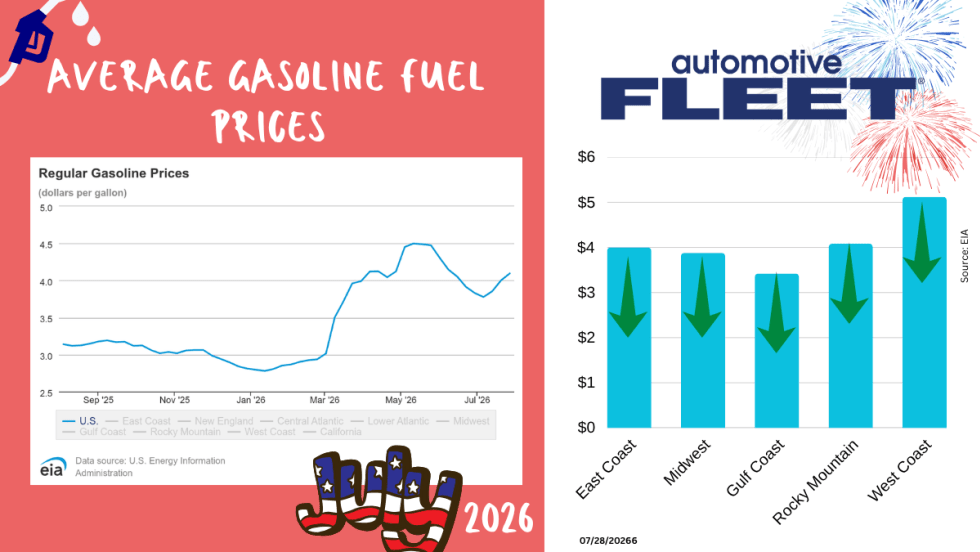
July Fuel Update: Prices Keep Rising in Light of More Conflict
Gas prices continue to rise as more and more conflicts do, too.
Read More →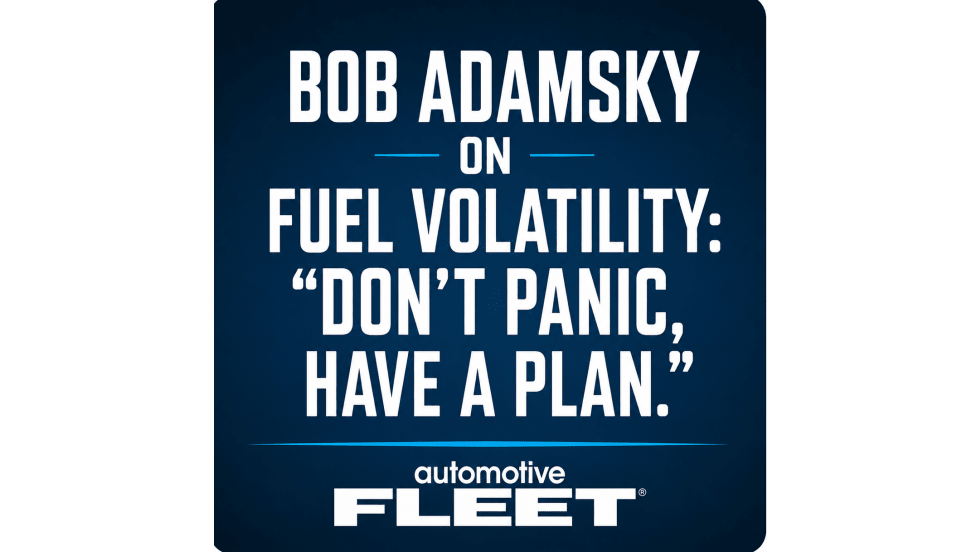
Bob Adamsky on Fuel Volatility: "Don't Panic, Have a Plan."
When it comes to up and down fuel prices, Adamsky has a message for fleets: “Don’t panic.”
Read More →
How Fleets Can Gain Control of Non-Fuel Spend
Fuel often gets the spotlight, but non-fuel expenses can have a major impact on fleet costs. Ramel Lindsay of U.S. Bank Voyager discusses how fleets can gain better visibility and control over these often-overlooked expenditures.
Read More →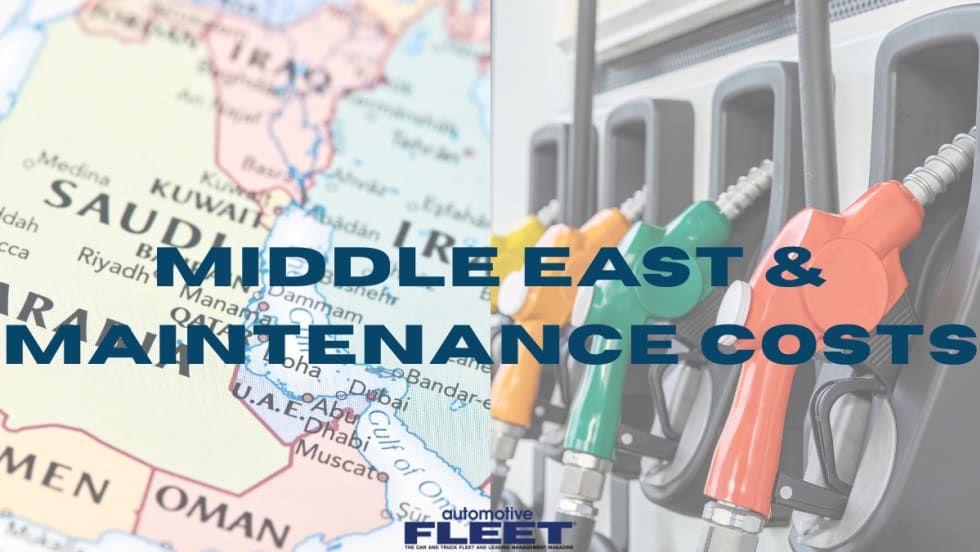
Fuel is Just the Start: How Middle East Tensions are Driving Up Fleet Maintenance Costs
The Middle East conflict is doing more than pushing up fuel prices. It’s also raising the cost of key maintenance products your fleet depends on, from motor oil to tires to windshield wipers. Here’s what you need to know about this budget-busting situation.
Read More →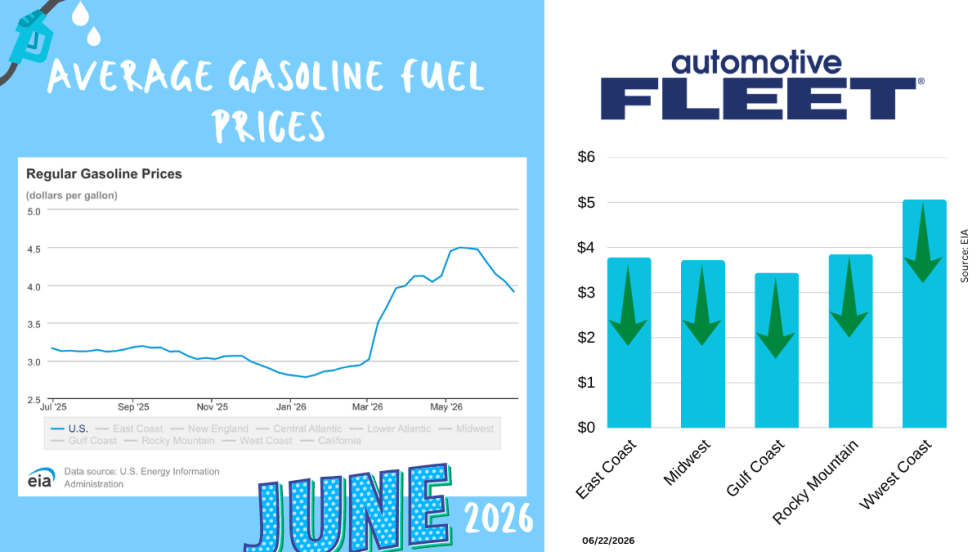
June Fuel Update: Prices Fall Below $4
Drivers are finally getting some relief at the pump. The national average gas price has dropped below $4 a gallon for the first time in months, with prices falling in 47 states as oil markets react to developments in U.S.-Iran negotiations.
Read More →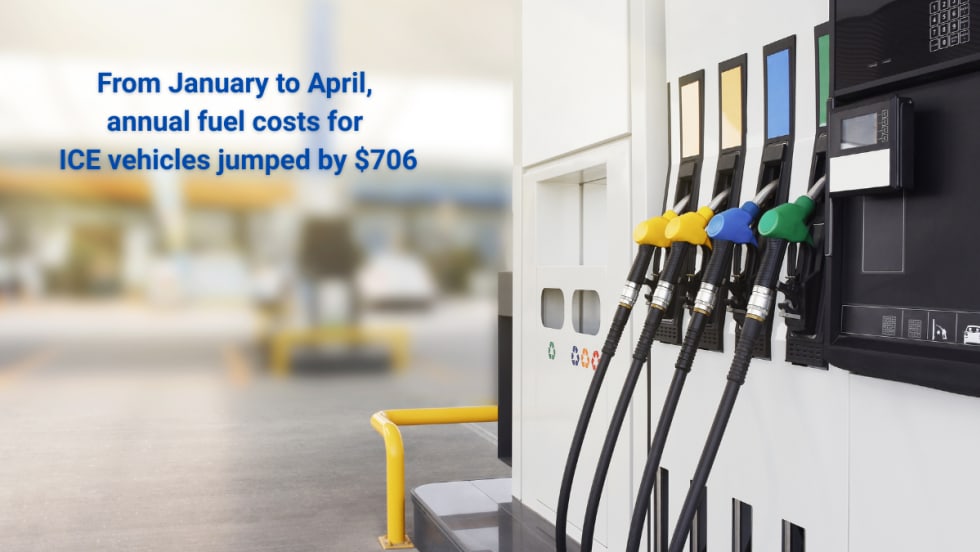
Study: How 2026's Gas Price Hikes Affect Different Vehicle Types
New data from iSeeCars reveals how rising fuel costs have affected different vehicle segments as gasoline prices climbed nearly 46% over the past four months.
Read More →
Are You Tracking Your Fleet's True Total Cost of Ownership?
Bobit Business Media surveyed 190 fleet professionals and found that while most fleets are tracking costs, fragmented systems and data gaps are keeping true TCO visibility out of reach. With rising pressure to control spend in an increasingly volatile environment, the gap between what fleets think they know and what the data actually shows is wider than you might expect. See how your peers are managing costs today and where the industry still has room to improve.
Read More →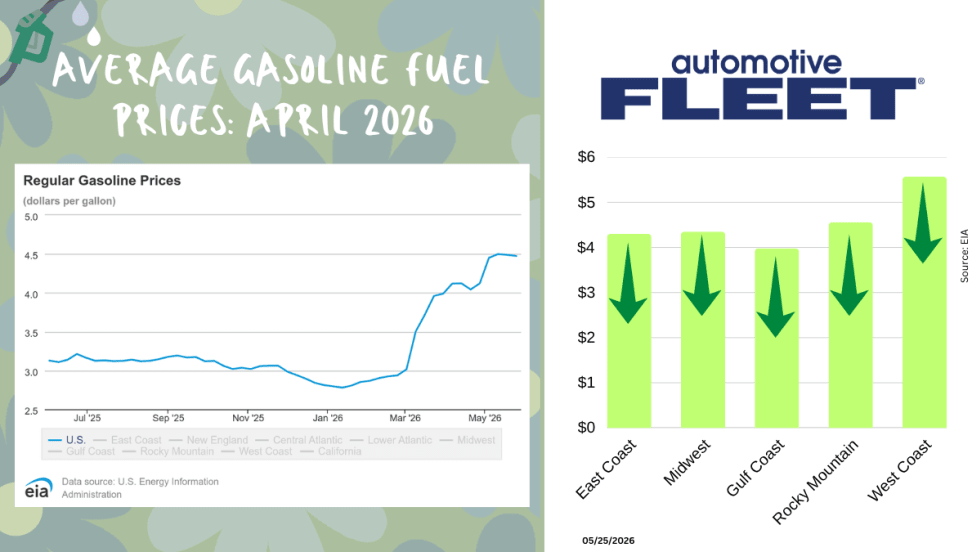
May Fuel Update: All Regions Experience Declines
Gas prices are finally easing in much of the country, but experts warn global tensions could quickly reverse the trend as the national average remains well above last month’s levels.
Read More →