




Fuel Efficiency Study Project Begins This Week
WASHINGTON, D.C. --- The Bush administration this week is launching a new study project to forecast what kind of technology auto manufacturers will need to raise fuel efficiency over the next 15 years.
WASHINGTON, D.C. --- The Bush administration this week is launching a new study project to forecast what kind of technology auto manufacturers will need to raise fuel efficiency over the next 15 years. According to the Detroit Free Press, a National Academy of Sciences panel will oversee the one-year project. When completed, the new report will represent an updating and expansion of a previous study released in 2002. The panel will hear testimony from federal officials and auto industry executives during a public meeting in Washington today. No definite date has been set for the new study's completion. The 2002 study, which drew strong criticism from automakers, concluded that the industry could raise fuel efficiency of its cars by up to 27 percent and its trucks by 42 percent over a decade with no changes in weight, size or performance. That estimate for potential efficiency gains raised the average fleet fuel efficiency to roughly 30 mpg. In the 2007 model year, U.S. cars and trucks are expected to average 26.4 mpg --- the highest level ever.
More Fuel
WEX Report: Fleet Fuel Costs Rise as Purchasing Volumes Hold Steady in 2026
New analysis of WEX customer transaction data highlights rising fuel expenses, differences in purchasing behavior, and opportunities for fleet managers to evaluate operating costs.

October Fuel Trends Show Diverging Gasoline and Diesel Prices
Get the latest fuel trends from October.

Fuel Prices Surge in September | September Fuel Update
September brought major fuel price swings, including diesel crossing $6 a gallon. Here’s how gas and diesel prices changed throughout the month, and where they stood heading into October.

Turning Fleet Payment Data into Executive Insights
Ramel Lindsay of U.S. Bank Voyager discusses how fleets can transform payment and transaction data into actionable intelligence to reduce costs, improve oversight, and support executive decision-making.

Why the IRS Raised Its Mileage Rate in the Middle of 2026
Fuel-price volatility drove the rare increase to 76 cents per mile, the fifth midyear adjustment since 2000.
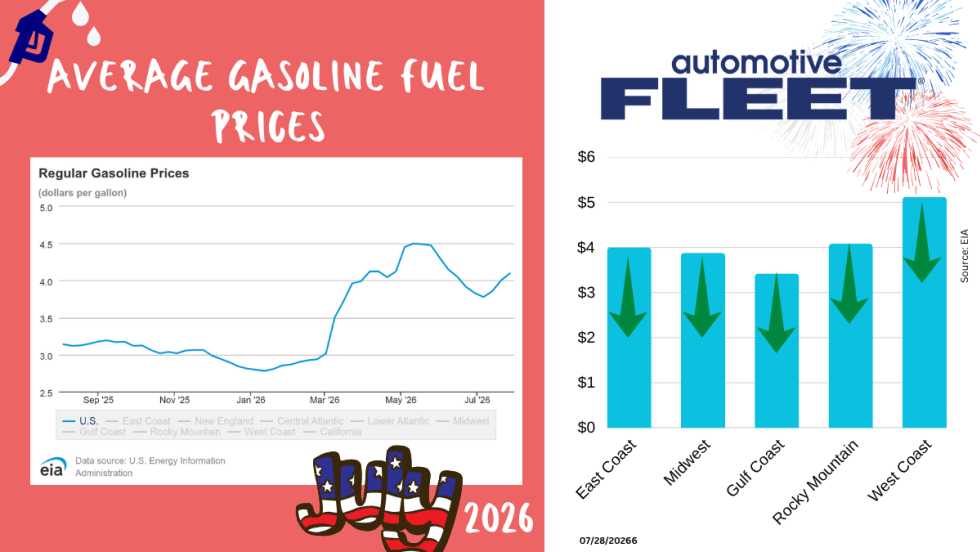
July Fuel Update: Prices Keep Rising in Light of More Conflict
Gas prices continue to rise as more and more conflicts do, too.
Bob Adamsky on Fuel Volatility: "Don't Panic, Have a Plan."
When it comes to up and down fuel prices, Adamsky has a message for fleets: “Don’t panic.”

How Fleets Can Gain Control of Non-Fuel Spend
Fuel often gets the spotlight, but non-fuel expenses can have a major impact on fleet costs. Ramel Lindsay of U.S. Bank Voyager discusses how fleets can gain better visibility and control over these often-overlooked expenditures.

Fuel is Just the Start: How Middle East Tensions are Driving Up Fleet Maintenance Costs
The Middle East conflict is doing more than pushing up fuel prices. It’s also raising the cost of key maintenance products your fleet depends on, from motor oil to tires to windshield wipers. Here’s what you need to know about this budget-busting situation.
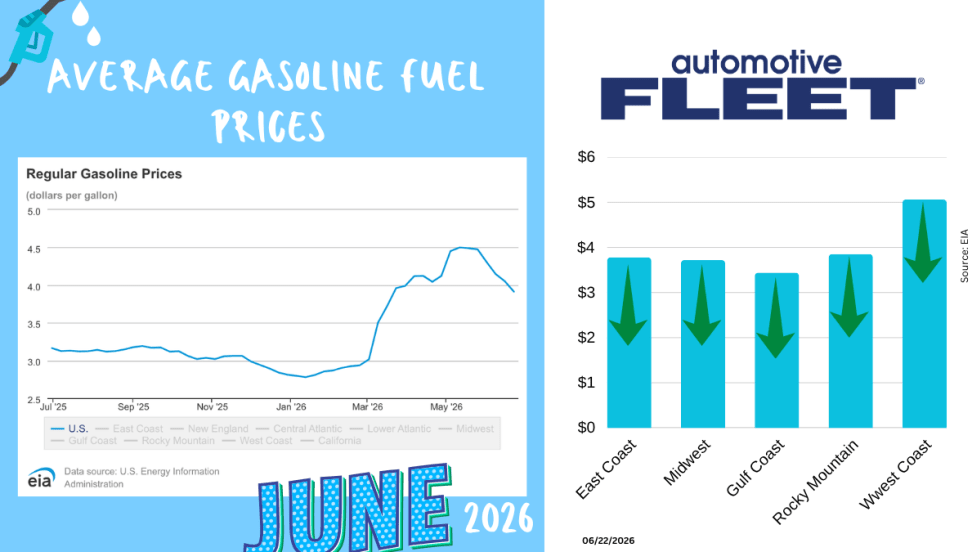
June Fuel Update: Prices Fall Below $4
Drivers are finally getting some relief at the pump. The national average gas price has dropped below $4 a gallon for the first time in months, with prices falling in 47 states as oil markets react to developments in U.S.-Iran negotiations.