




Former GM Exec Calls for Fuel Cell Collaboration
Ken Baker, former vice president of research at General Motors and one of the key men behind the development of GM's EV1 electric car, will call for the auto industry, government, universities and energy companies to start working together to develop standards for fuel cell vehicles, according to Automotive News.
Ken Baker, former vice president of research at General Motors and one of the key men behind the development of GM's EV1 electric car, will call for the auto industry, government, universities and energy companies to start working together to develop standards for fuel cell vehicles, according to Automotive News. Baker believes such a collaborative effort is needed to ensure that fuel cells are successful when they reach the market. "The challenge is consumer confidence, consumer readiness. And that relates back to some of the things we found with EV1," Baker said Aug. 5, 2002 in an interview at the Management Briefing Seminars. "We had a great product and the technology was very well-thought-out. Everyone who drove the car got out with a smile. But was the infrastructure, was the support environment, was the consumer confidence there to take it to broad scale applications? You have much the same challenge with fuel cells." Refueling is a major issue. Automakers are developing various sources of hydrogen and different methods to refuel fuel cell test vehicles. "I think the thing that still needs sorting out is the simple question of what will the gas station nozzle and fuel tank of the future look like?" said Baker, now CEO of Altarum, an Ann Arbor, MI, think tank. "Is it on board? Is it off board? Is it going to be at home? Is it going to be at a conventional gas station?" It is a familiar issue for Baker. During the EV1 project, competitive pressures between GM and Ford Motor Co. led them to develop unique, and incompatible, recharging systems for electric vehicles. The split placed fleets and cities in the expensive position of having to buy two types of recharging equipment. A similar situation could develop with hydrogen refueling if a common standard is not developed. The U.S. Department of Energy's Argonne National Laboratory in Argonne, Ill., estimates that it will cost at least $500 billion to create a hydrogen infrastructure that could fuel 100 million fuel cell vehicles. According to R.L. Polk & Co. of Southfield, Mich., which compiles vehicle registration data, there were more than 209 million cars and light trucks in use in the United States in 2001.
More Fuel
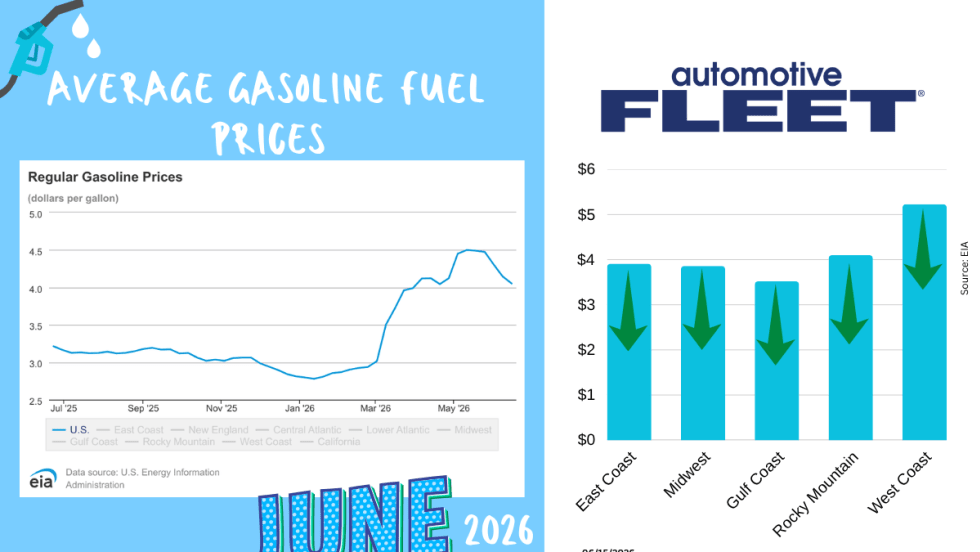
June Fuel Update: Prices Fall Below $4
Drivers are finally getting some relief at the pump. The national average gas price has dropped below $4 a gallon for the first time in months, with prices falling in 47 states as oil markets react to developments in U.S.-Iran negotiations.
Read More →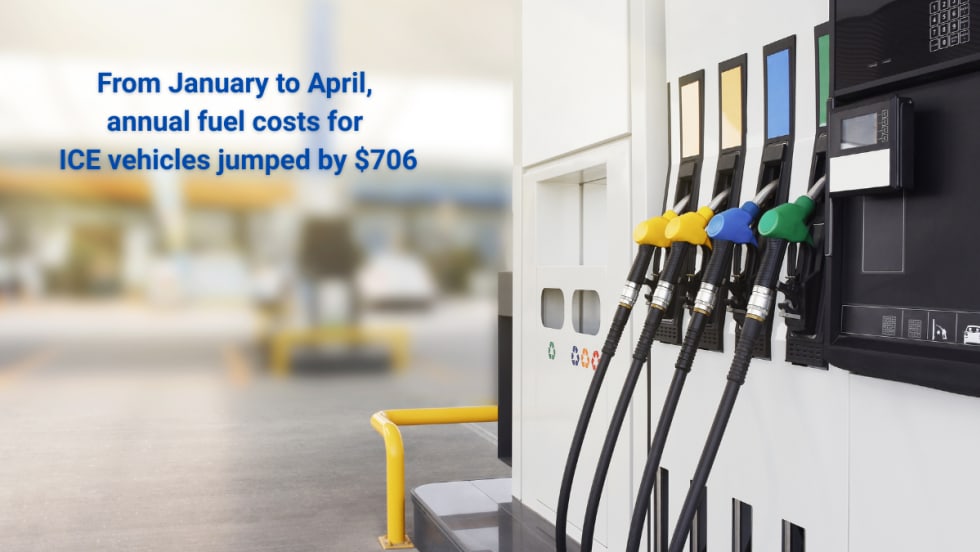
Study: How 2026's Gas Price Hikes Affect Different Vehicle Types
New data from iSeeCars reveals how rising fuel costs have affected different vehicle segments as gasoline prices climbed nearly 46% over the past four months.
Read More →
Are You Tracking Your Fleet's True Total Cost of Ownership?
Bobit Business Media surveyed 190 fleet professionals and found that while most fleets are tracking costs, fragmented systems and data gaps are keeping true TCO visibility out of reach. With rising pressure to control spend in an increasingly volatile environment, the gap between what fleets think they know and what the data actually shows is wider than you might expect. See how your peers are managing costs today and where the industry still has room to improve.
Read More →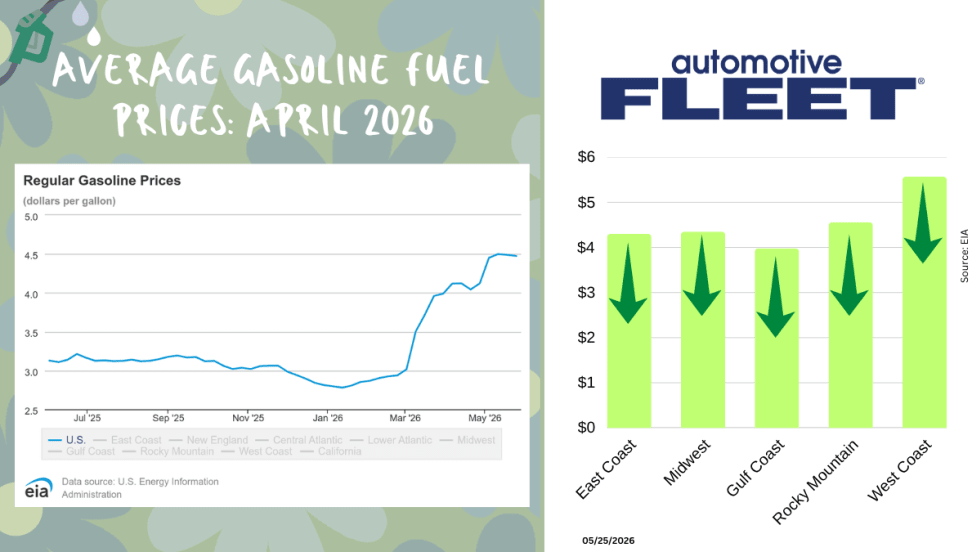
May Fuel Update: All Regions Experience Declines
Gas prices are finally easing in much of the country, but experts warn global tensions could quickly reverse the trend as the national average remains well above last month’s levels.
Read More →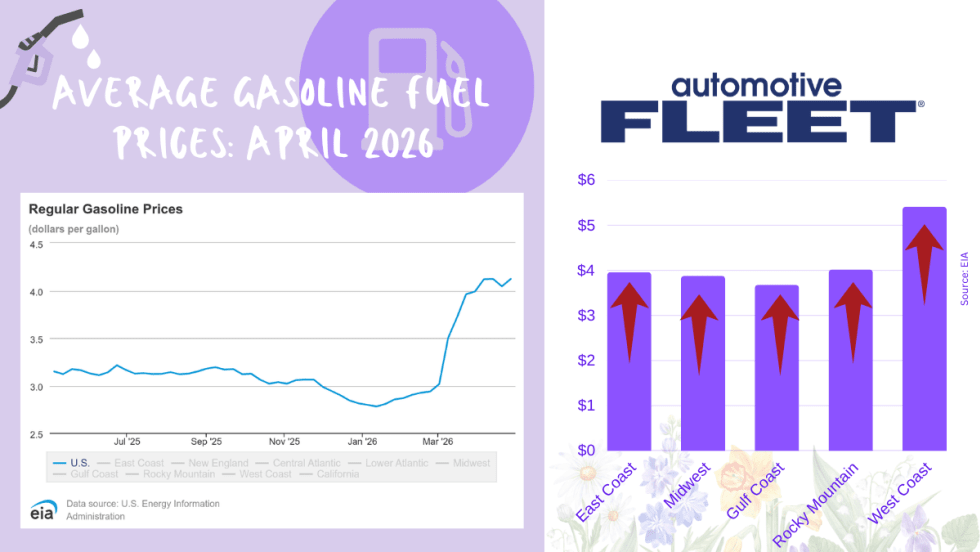
April Fuel Update: Prices Climb Above $4 as Spring Surge Accelerates
National average jumps to $4.04 per gallon, up sharply from last year, with West Coast prices topping $5 and further increases expected amid rising oil tensions.
Read More →
Tips from Fleet Managers on Saving Fuel Costs
Fleet leaders share practical strategies to reduce fuel spend through smarter policy, routing, and driver guidance.
Read More →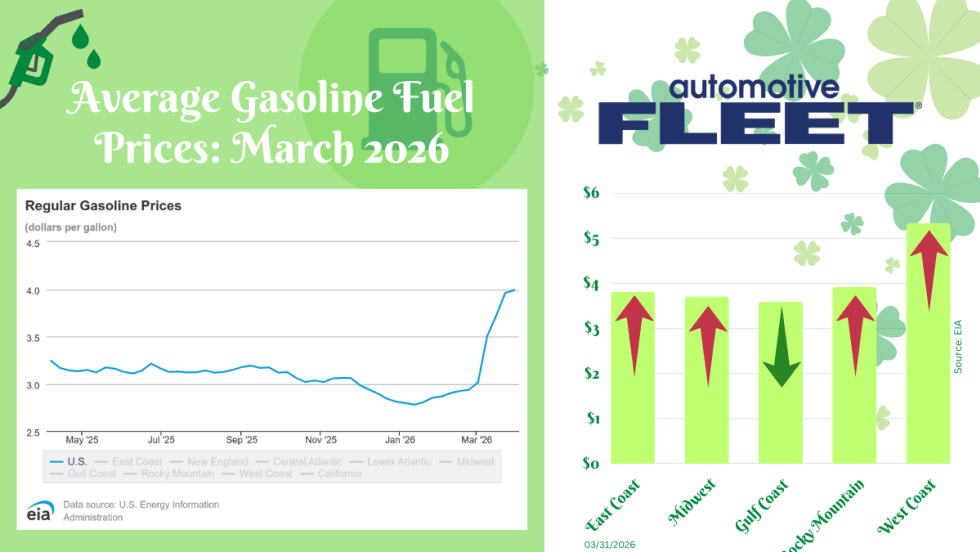
March Fuel Update: Prices Settle With a $4 Average
Fuel prices significantly slowed this week, but a $4 national average is still expected.
Read More →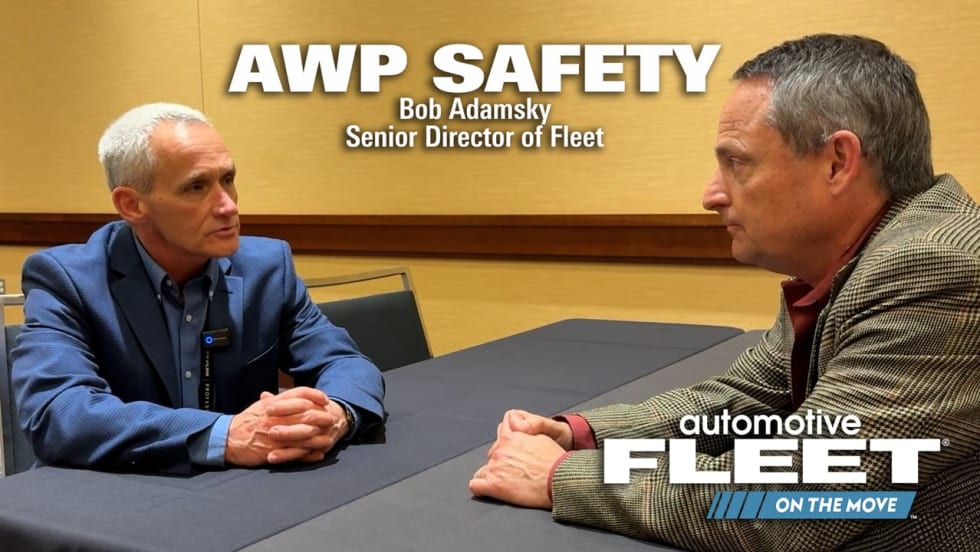
Bob Adamsky on Fuel Volatility: “Don’t Panic — Have a Plan”
With oil prices rising again, AWP Safety’s fleet manager shares how to respond to rising fuel costs and how the right strategy can turn fuel spikes into cost-saving opportunities.
Read More →
Oil Market Turbulence Is Complicating Fleet Cost Planning
Rapid swings in crude oil prices driven by the conflict in the Middle East could create longer-term cost pressures for fleets, affecting fuel prices, supply chains, and vehicle strategy, says NTEA’s Andrew Wrobel.
Read More →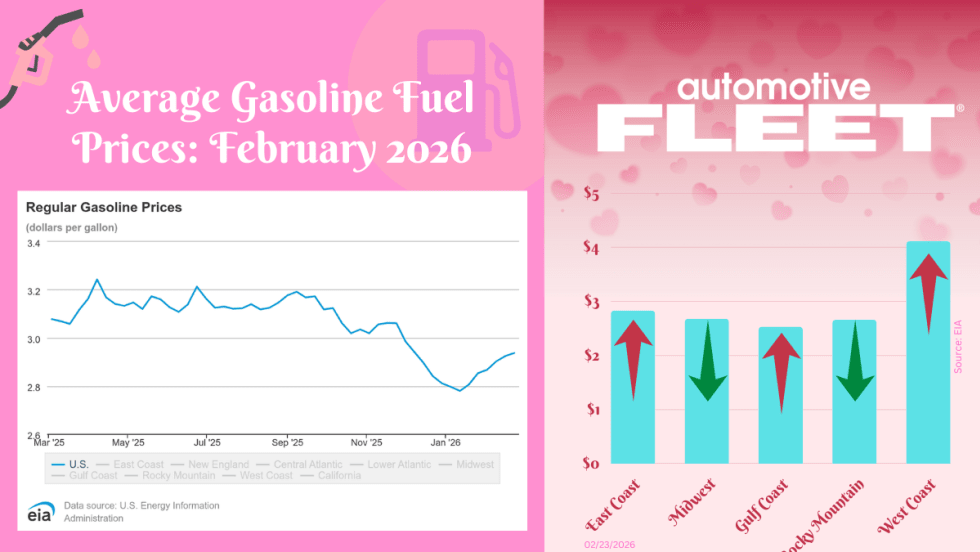
February Fuel Update: Prices Inch Higher for Third Week in a Row
The final February fuel update reveals prices continuing to inch higher for the third week in a row.
Read More →