




Ford Shows its 'Greener' Side
DETROIT - EcoBoost technology and hybrid powertrains are part of Ford's overall strategy to improve fuel efficiency and lower CO2 emissions company-wide.
DETROIT- EcoBoost technology and hybrid powertrains are part of Ford's overall strategy to improve fuel efficiency and lower CO2 emissions company-wide.
Combining turbocharging and direct gasoline injection, the powerful and efficient EcoBoost engines will improve fuel economy and reduce emissions throughout the 2010 lineup, according to company officials. By 2013, more than 90 percent of Ford's North American lineup will be available with EcoBoost technology.
The engines achieve better fuel economy and lower CO2 emissions compared with larger-displacement naturally aspirated engines without sacrificing power, says Ford. The automaker recently began series production of its 3.5L EcoBoost V-6, the first gasoline direct-injection twin-turbocharged engine produced in North America. With the fuel economy of a V-6, the 3.5L EcoBoost engine delivers 365 hp in the Ford Taurus SHO and 355 hp in the Ford Flex, Lincoln MKT and MKS, and a responsive 350 ft.-lb. of torque across a broad rpm range.
In addition to EcoBoost, Ford will also further advance its green efforts with the new 2010-MY Fusion Hybrid and Mercury Milan Hybrid, doubling its hybrid offerings and delivering the best full economy of any mid-size sedan. Along with the Fusion Hybrid and Milan Hybrid, the Ford Escape Hybrid and Mercury Mariner Hybrid SUVs use many improvements engineered in hybrid car program.
2010 Ford hybrids benefits include:
2.5L I-4 engine (155 hp/136 ft.-lb. of torque) running the proven Atkinson cycle mated to an electronically controlled continuously variable transmission or e-CVT.
Intake Variable Cam Timing (iVCT), which allows the vehicle to more seamlessly transition from gas to electric mode and vice versa. The spark and cam timing are varied according to the engine load to optimize efficiency and emissions.
Fusion Hybrid and Milan Hybrid also feature:
Enhanced electronic throttle control that reduces airflow on shutdowns, reducing fueling needs on restarts.
A new smaller, lighter nickel-metal hydride battery has been optimized to produce 20 percent more power. Improved chemistry allows the battery to run at a higher temperature and be cooled using cabin air.
An added variable voltage converter boosts the voltage to the traction battery to operate the motor and generator more efficiently.
Smarter climate control system monitors cabin temperature and only runs the gas engine as needed to heat the cabin; it also includes an electric air-conditioning compressor to further minimize engine use.
The regenerative brake system captures the energy normally lost through friction in braking and stores it. Nearly 94 percent energy recovery is achieved by first delivering full regenerative braking followed by friction brakes during city driving.
Other features designed to maximize fuel efficiency include:
Advanced Deceleration Fuel Shut-Off. Saves gas during normal slowdowns by temporarily interrupting fuel flow while maintaining optimal engine performance. When the driver releases the accelerator pedal to slow down, the system temporarily turns off the fuel. The flow of fuel seamlessly resumes when the vehicle reaches a set low speed or when the driver accelerates again. Operation is automatic and requires no unusual actions from the driver.
Electronic Throttle Control. Optimizes engine performance and fuel efficiency by eliminating a direct connection from the accelerator pedal to the throttle. Instead, an electronic actuator monitors the accelerator pedal, relaying driver input to the electronic throttle control system.
Flex Fuel capability. Allows engines to run on gasoline, E-85 ethanol, or any combination of the two. Now available on more Ford vehicles than previous model-years.
More Leasing
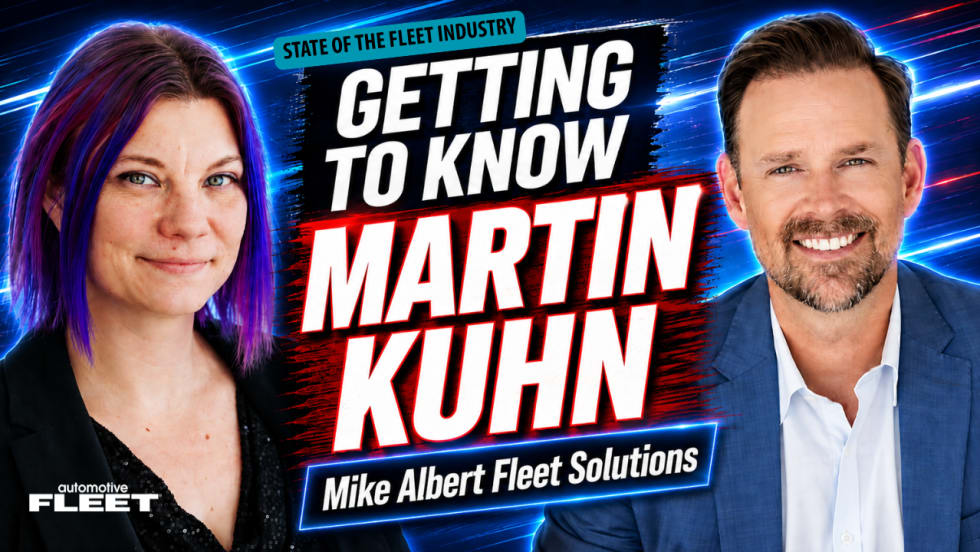
Martin Kuhn on the Future of Mike Albert Fleet Solutions
The new president and CEO explains how Mike Albert Fleet Solutions plans to invest in technology, data, and people without losing the personal service fleet customers value.
Read More →
Mike Albert Fleet Solutions Names Marty Kuhn CEO, First from Outside the Family
Kuhn has a theory of what sets the company apart from larger FMCs: depth of partnership over breadth of volume.
Read More →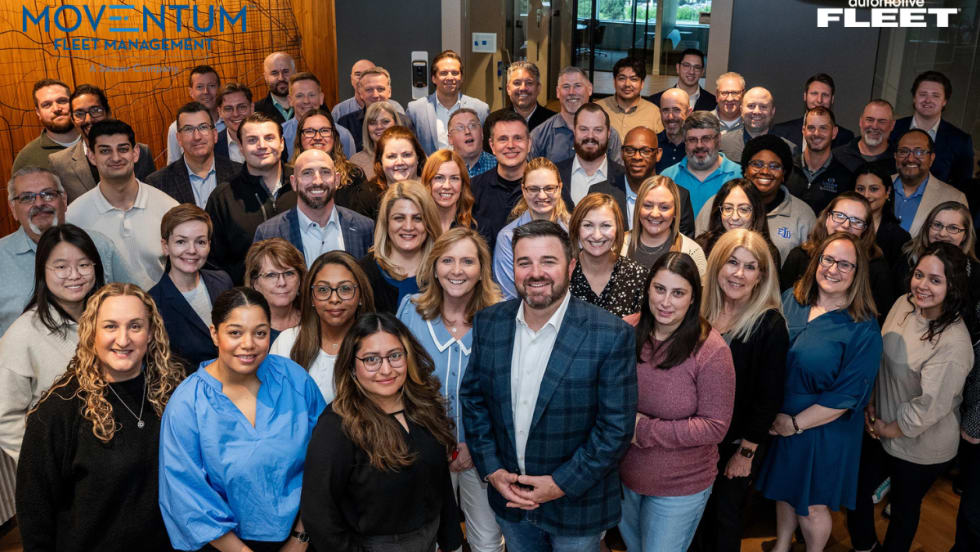
Union Leasing Rebrands as Moventum Fleet Management
The name Moventum reflects the company’s position at the intersection of movement and momentum, with the guiding principle "Keep Work Moving."
Read More →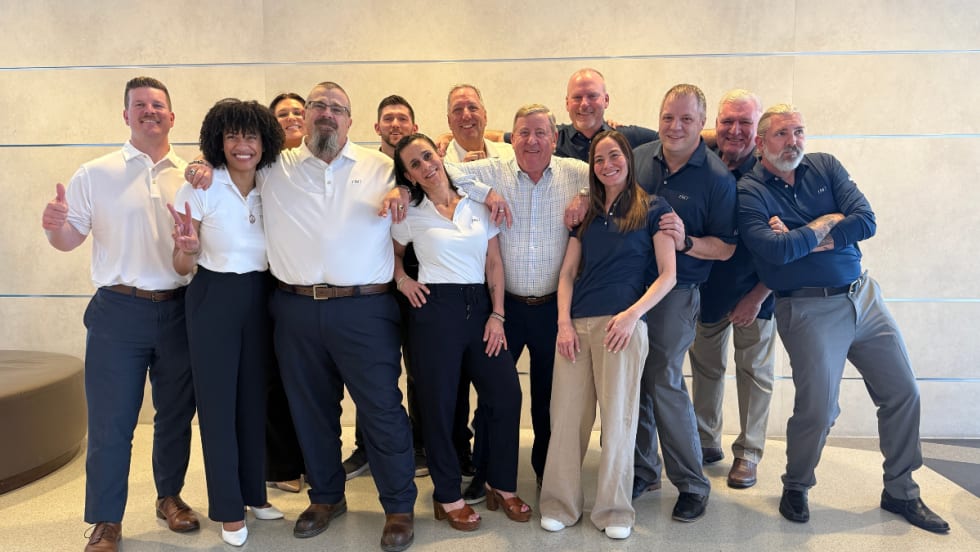
How Does a Mid-Major FMC Compete? Ask BBL Fleet
This Pittsburgh-based FMC built a technology-first culture, sustained double-digit organic growth, and expanded its Midwest footprint through a recent acquisition. How did it happen?
Read More →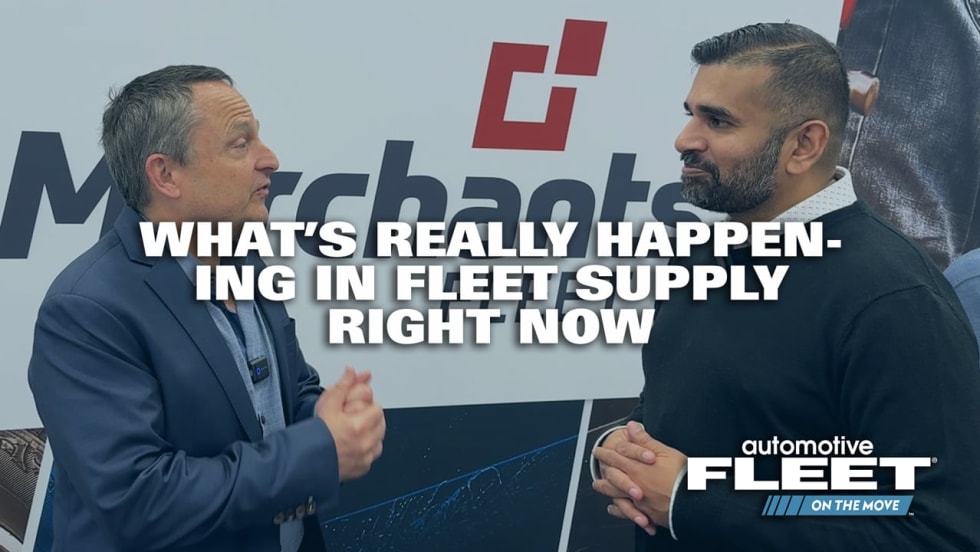
What’s Really Happening in Fleet Supply Right Now
Fleet supply has improved, but not everywhere. Merchants Fleet’s Charles Matthew explains where constraints still exist, what risks are emerging, and why fleets shouldn’t wait to place orders.
Read More →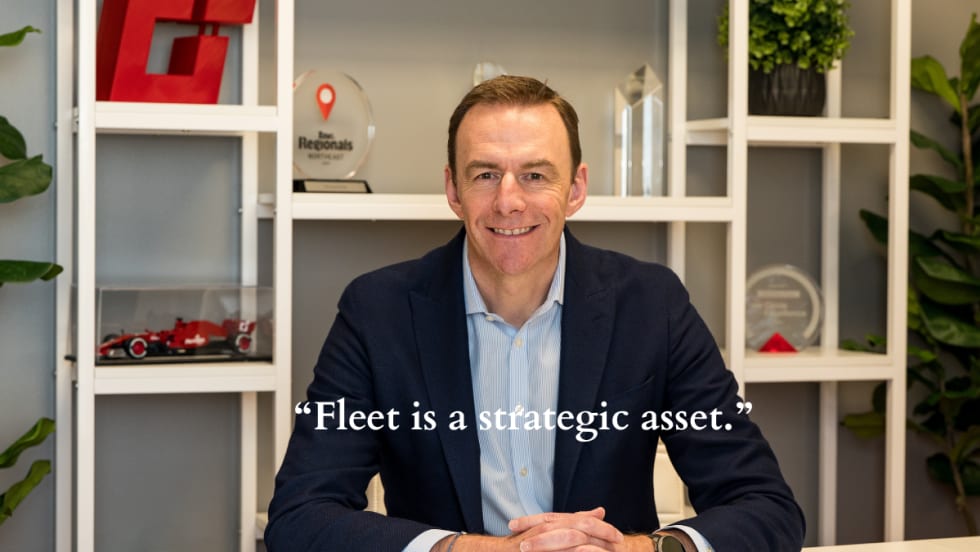
These Edges Are Measured in Inches — Matt Dyer on Fleet’s New Normal
The Merchants Fleet CEO contends that fleets that drive the business win the inches. In 2026, every one of them counts.
Read More →
Who Gets a Company Car? (In 2026 and Beyond)
As costs rise and scrutiny increases, fleets are refining criteria that govern eligibility for company-owned vehicles.
Read More →
DriveItAway Holdings, Free2move Launch Operations In Nine Cities
The co-branded program with Stellantis’ mobility division scales up leasing and financing options nationwide with more cities to come online in 2026.
Read More →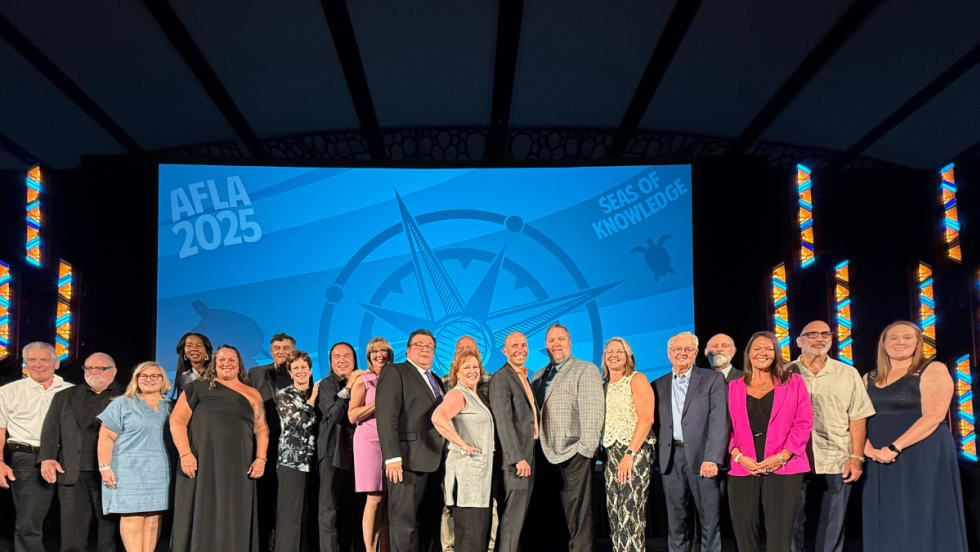
AFLA 2025 Conference in Pictures
Drawing over 640 attendees, the 2025 AFLA Annual Conference was held Sept. 14-17 at the JW Marriott Marco Island Beach Resort in Florida.
Read More →
DriveItAway, Free2move Partner to Expand Vehicle Access for Dealers
The arrangement enables franchise dealers to offer flexible lease-to-own programs with no credit checks, no down payments, and no long-term commitments.
Read More →