




Ford Focus Models Sold in Calif. To Bear ‘PZEV' Badging
LOS ANGELES – All 2007 Ford Focus models sold in California with the 2.0L Duratec 20E engine will now bear a new Partial Zero Emissions Vehicle (PZEV) badge on the rear of each car to help educate the public about Ford's clean air choices.

LOS ANGELES – All 2007 Ford Focus models sold in California with the 2.0L Duratec 20E engine will now bear a new Partial Zero Emissions Vehicle (PZEV) badge on the rear of each car to help educate the public about Ford’s clean air choices. The 2.0L Duratec 20E engine accounts for approximately 97 percent of Focus sales in the state. A vehicle must meet three stringent criteria set by the California Air Resources Board to be PZEV-certified: Its tailpipe emissions must meet the Super Ultra-Low Emissions Vehicle (SULEV) standard, which is over 80 percent cleaner with respect to smog-forming emissions than the average 2007-model-year vehicle; it must produce zero gasoline evaporative emissions, virtually eliminating the escape of fuel vapor from the vehicle’s fuel system; and the manufacturer must provide warranty coverage to ensure that the vehicle will meet PZEV requirements for an extended lifetime of 15 years or 150,000 miles. The Focus’ badge will feature Ford’s ‘green-leaf highway’ icon followed by the prominent letters PZEV over the words ‘Partial Zero Emissions Vehicle.’ This resembles the badge on Ford’s hybrid vehicles and reinforces that the Focus is a ‘green’ car that meets tailpipe and evaporative emissions standards equivalent to the best hybrid vehicles. The PZEV Focus has a base price of $14,075 and comes in four body styles: three-door or five-door hatchback, sedan, and wagon. It features a super-clean 130-horsepower engine that is cleaner and more fuel-efficient than some of the competition’s hybrid gas-electric vehicles. The vehicle comes standard with a five-year/100,000-mile powertrain Extended Service Plan warranty in addition to the 15-year/150,000 mile warranty on its emissions system. The California Air Resources Board estimates there are roughly 500,000 certified PZEV’s on California roads today. Ford has sold 90,000 Focus PZEVs in California since its debut in 2003. Visit www.fordvehicles.com for information on pricing and incentives.
More Fuel
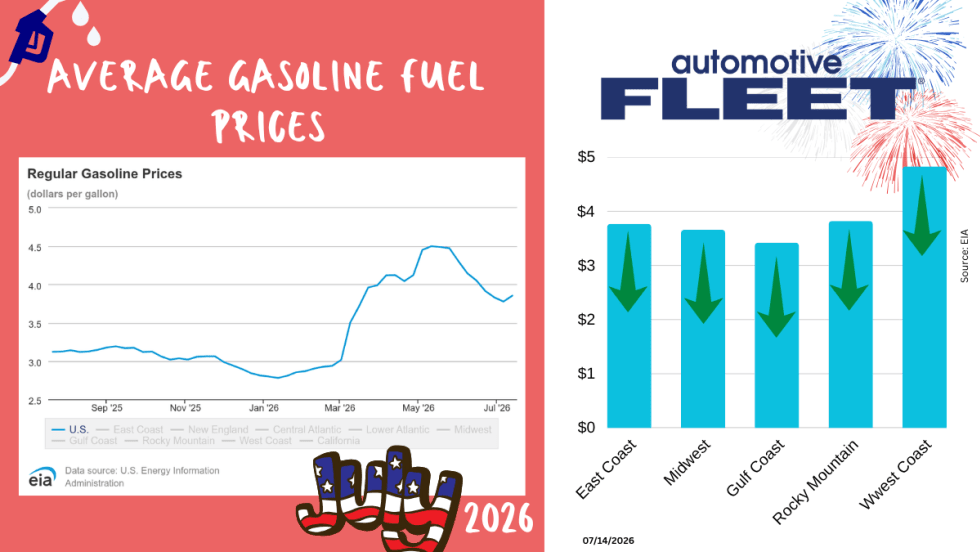
July Fuel Update: Prices Jump for the First Time in Two Months
As the U.S.-Iran ceasefire collapses, so do the gas prices.
Read More →
Bob Adamsky on Fuel Volatility: "Don't Panic, Have a Plan."
When it comes to up and down fuel prices, Adamsky has a message for fleets: “Don’t panic.”
Read More →
How Fleets Can Gain Control of Non-Fuel Spend
Fuel often gets the spotlight, but non-fuel expenses can have a major impact on fleet costs. Ramel Lindsay of U.S. Bank Voyager discusses how fleets can gain better visibility and control over these often-overlooked expenditures.
Read More →
Fuel is Just the Start: How Middle East Tensions are Driving Up Fleet Maintenance Costs
The Middle East conflict is doing more than pushing up fuel prices. It’s also raising the cost of key maintenance products your fleet depends on, from motor oil to tires to windshield wipers. Here’s what you need to know about this budget-busting situation.
Read More →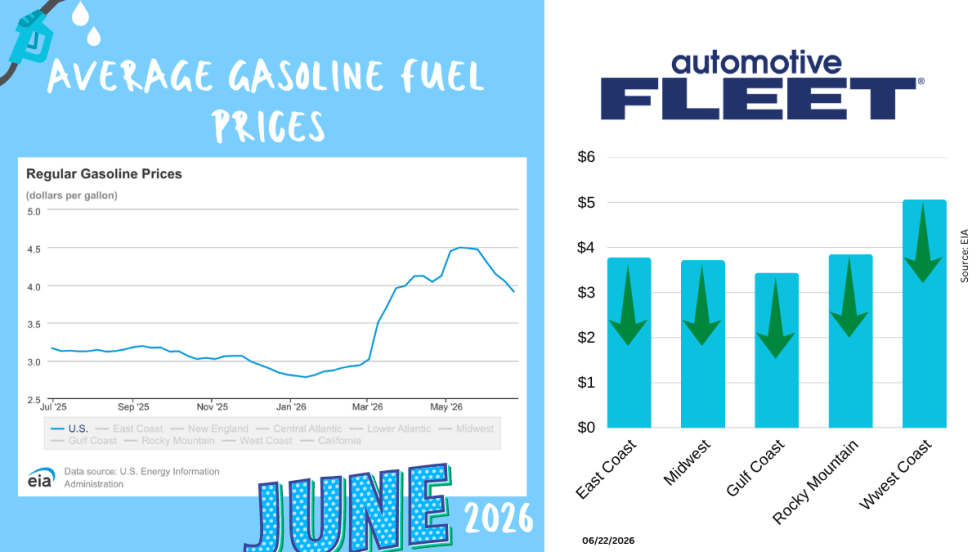
June Fuel Update: Prices Fall Below $4
Drivers are finally getting some relief at the pump. The national average gas price has dropped below $4 a gallon for the first time in months, with prices falling in 47 states as oil markets react to developments in U.S.-Iran negotiations.
Read More →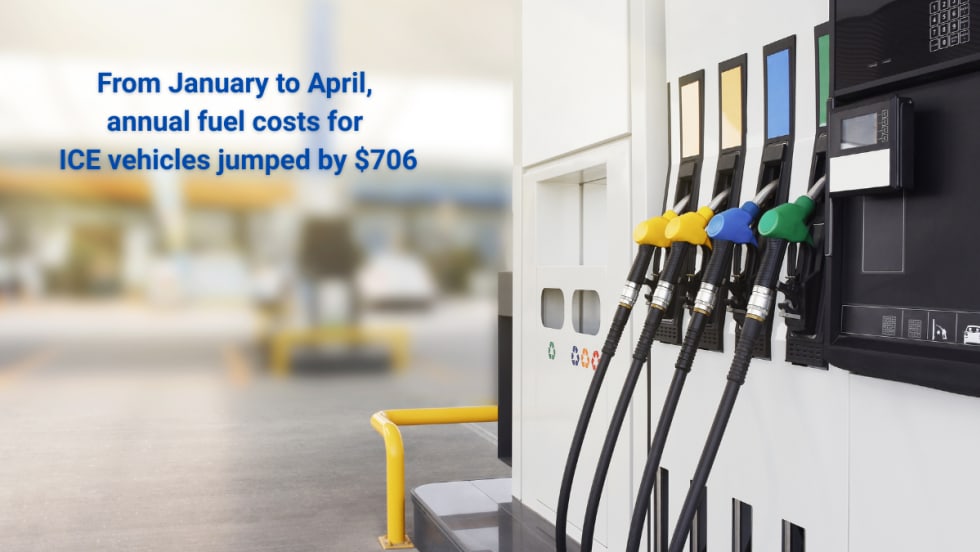
Study: How 2026's Gas Price Hikes Affect Different Vehicle Types
New data from iSeeCars reveals how rising fuel costs have affected different vehicle segments as gasoline prices climbed nearly 46% over the past four months.
Read More →
Are You Tracking Your Fleet's True Total Cost of Ownership?
Bobit Business Media surveyed 190 fleet professionals and found that while most fleets are tracking costs, fragmented systems and data gaps are keeping true TCO visibility out of reach. With rising pressure to control spend in an increasingly volatile environment, the gap between what fleets think they know and what the data actually shows is wider than you might expect. See how your peers are managing costs today and where the industry still has room to improve.
Read More →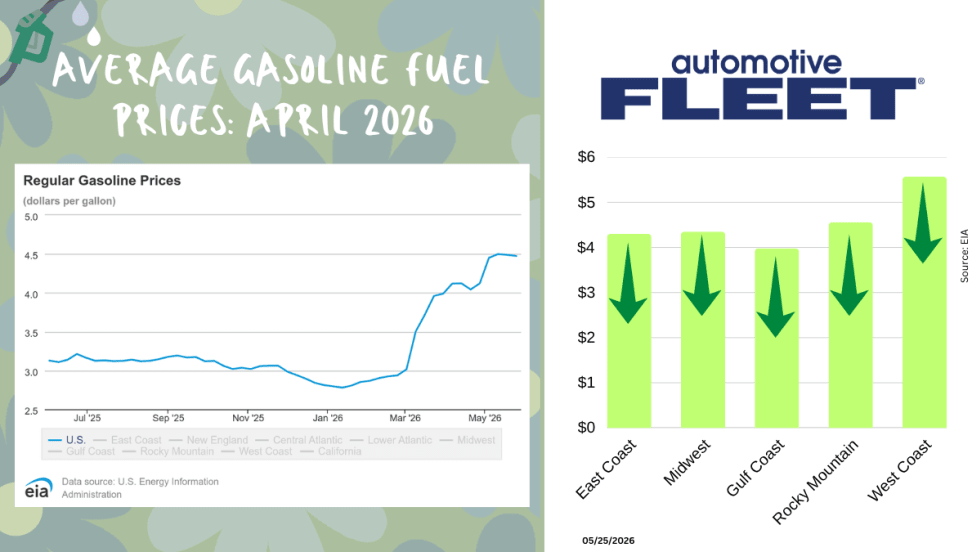
May Fuel Update: All Regions Experience Declines
Gas prices are finally easing in much of the country, but experts warn global tensions could quickly reverse the trend as the national average remains well above last month’s levels.
Read More →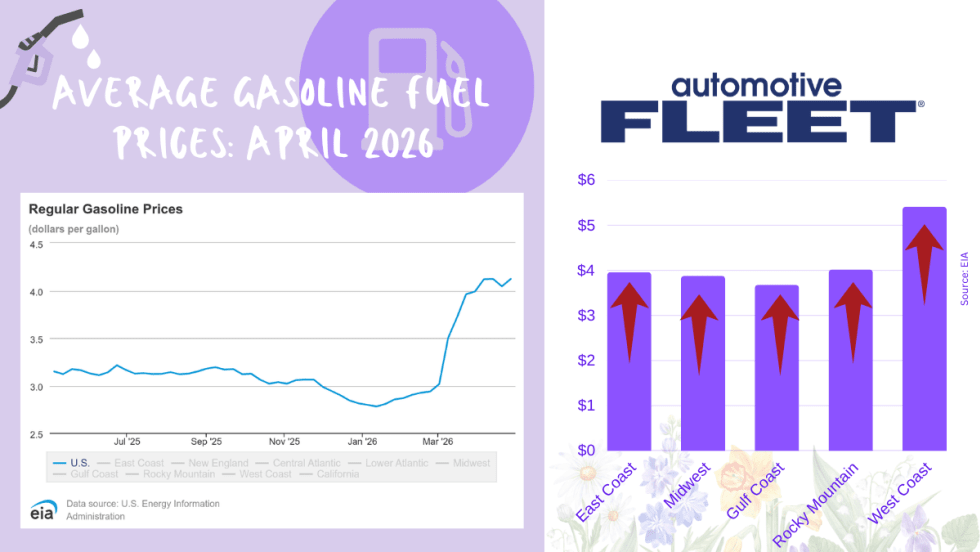
April Fuel Update: Prices Climb Above $4 as Spring Surge Accelerates
National average jumps to $4.04 per gallon, up sharply from last year, with West Coast prices topping $5 and further increases expected amid rising oil tensions.
Read More →
Tips from Fleet Managers on Saving Fuel Costs
Fleet leaders share practical strategies to reduce fuel spend through smarter policy, routing, and driver guidance.
Read More →