





Read More: Fleetio and Ford Pro Announce Expanded Connected Fleet Integration
Fleetio Partners with FuelMaster to Streamline Fuel Management and Cut Fleet Costs
Fleetio’s integration with FuelMaster automates fuel tracking, reduces fraud, and improves budgeting with real-time data for better fleet management.
February 14, 2025
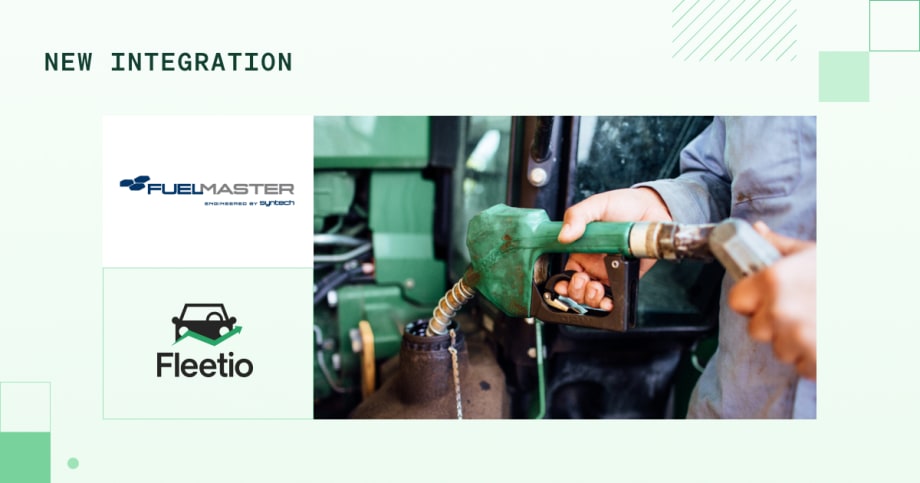
FuelMaster’s cloud-based system, FMLive, seamlessly syncs fuel transaction data from the pump directly into Fleetio, eliminating manual entry, reducing reporting errors, and providing real-time insights into fuel consumption.
Photo: Fleetio / FuelMaster
3 min to read
Fleetio, a fleet optimization platform, announced a new integration with FuelMaster by Syntech Systems to help fleets track, manage and report on-site fuel usage.
Fuel is a critical, high-cost resource that directly impacts budgets and service reliability, specifically in industries such as government agencies, schools, and large construction operations, which account for 30% of Fleetio’s global customer base. These fleets power essential infrastructure, public services, and community operations, making accurate fuel management vital for maintaining uptime and controlling costs.
FuelMaster’s cloud-based system, FMLive, seamlessly syncs fuel transaction data from the pump directly into Fleetio, eliminating manual entry, reducing reporting errors, and providing real-time insights into fuel consumption. This integration equips fleet leaders with the tools to monitor usage, prevent fuel loss, and make informed decisions that optimize budgets while keeping essential services running efficiently.
Why On-Site Fueling Matters
On-site fueling offers greater control over fuel costs and usage, especially for fleets with high fuel consumption. By negotiating bulk purchase discounts and maintaining a consistent baseline price, fleets can prevent losses due to price fluctuations and shortages.
“Managing fuel at scale requires precise tracking and monitoring to prevent waste and control costs,” said David Landoch, sales director at Syntech Systems. “By integrating our data with Fleetio, we’re giving these fleets the automated tools they need to make smarter budget decisions and prepare their organizations for success.”
Automated Data Entry Improves Accuracy
Manual data entry can lead to errors, gaps in budgeting and forecasting, and increased vulnerability to fuel fraud. Automated data entry and reporting help fleets gain accurate fuel consumption and spending status, reducing the risk of fraudulent activity.
Fleetio’s integration with FuelMaster eliminates the need for manual fuel tracking and reporting tasks by automatically syncing fuel transaction data - including cost, volume, fueling station, and odometer reading - directly from FMLive to Fleetio.
Additional benefits include:
Detailed Reporting: Access transaction information for each asset and fueling location for faster reporting of site, tank, and cost trends.
Fuel Fraud Detection: Identify potential fuel theft with tank capacity alerts in Fleetio, paired with driver and pump access controls in FMLive.
Cost Analysis: View fuel costs alongside maintenance data in Fleetio to see the impact on total operating costs - including fuel expenses, repair costs, vehicle depreciation, and operational inefficiencies - to support budgetary planning.
Simplified Forecasting: Procurement teams can more accurately forecast fuel needs with vendors for monthly or quarterly purchasing.
“Fuel accounts for 50% of a fleet’s operating budget, and accurate, automated data is essential to effective cost management,” Wes Wamer, integrations product manager at Fleetio, said. “Integrating FuelMaster’s capabilities into Fleetio provides a seamless way to monitor fuel consumption and overall operational data. This access in one centralized location optimizes fuel consumption, reduces waste, and increases vehicle uptime.”
To learn more about how this integration benefits fleets, visit Fleetio’s Integrations Directory.
More Fuel

Turning Fleet Payment Data into Executive Insights
Ramel Lindsay of U.S. Bank Voyager discusses how fleets can transform payment and transaction data into actionable intelligence to reduce costs, improve oversight, and support executive decision-making.
Read More →
Why the IRS Raised Its Mileage Rate in the Middle of 2026
Fuel-price volatility drove the rare increase to 76 cents per mile, the fifth midyear adjustment since 2000.
Read More →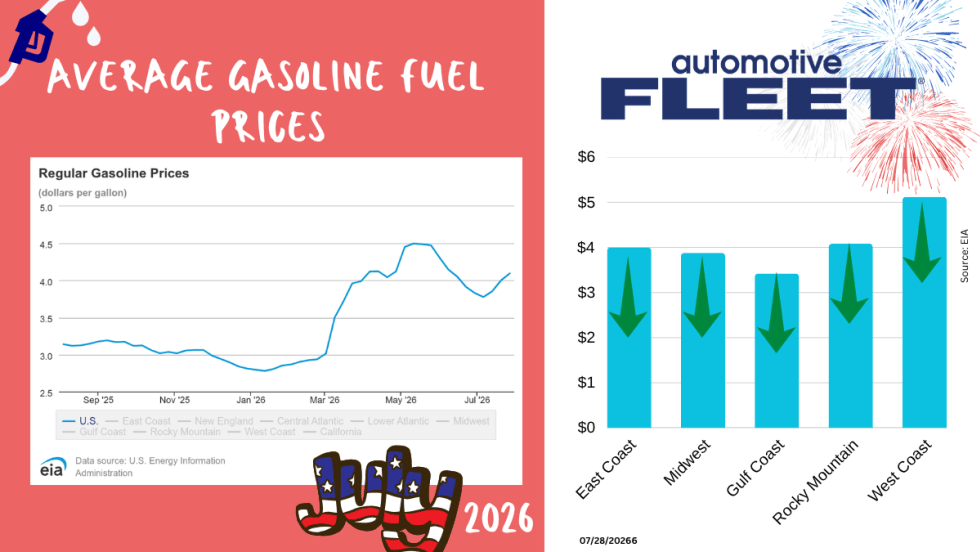
July Fuel Update: Prices Keep Rising in Light of More Conflict
Gas prices continue to rise as more and more conflicts do, too.
Read More →
Bob Adamsky on Fuel Volatility: "Don't Panic, Have a Plan."
When it comes to up and down fuel prices, Adamsky has a message for fleets: “Don’t panic.”
Read More →
How Fleets Can Gain Control of Non-Fuel Spend
Fuel often gets the spotlight, but non-fuel expenses can have a major impact on fleet costs. Ramel Lindsay of U.S. Bank Voyager discusses how fleets can gain better visibility and control over these often-overlooked expenditures.
Read More →
Fuel is Just the Start: How Middle East Tensions are Driving Up Fleet Maintenance Costs
The Middle East conflict is doing more than pushing up fuel prices. It’s also raising the cost of key maintenance products your fleet depends on, from motor oil to tires to windshield wipers. Here’s what you need to know about this budget-busting situation.
Read More →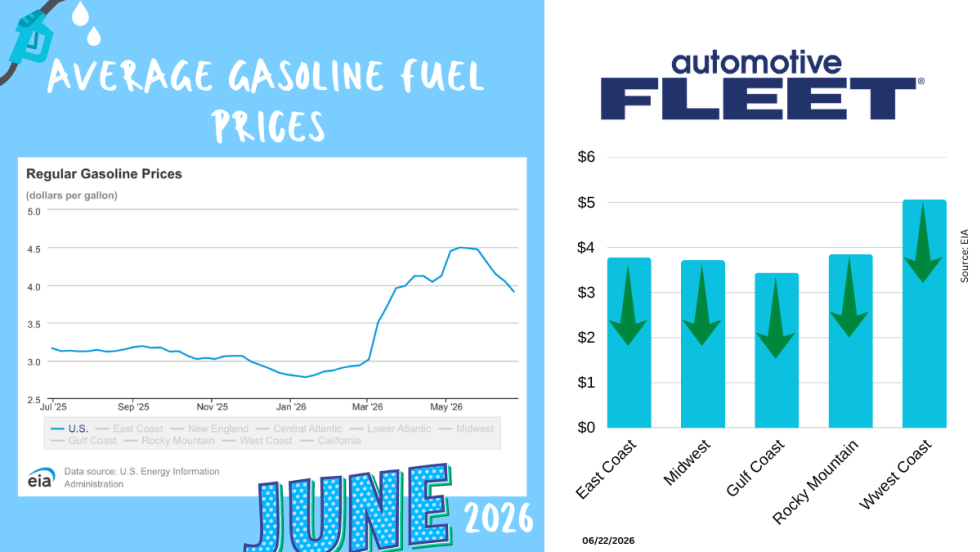
June Fuel Update: Prices Fall Below $4
Drivers are finally getting some relief at the pump. The national average gas price has dropped below $4 a gallon for the first time in months, with prices falling in 47 states as oil markets react to developments in U.S.-Iran negotiations.
Read More →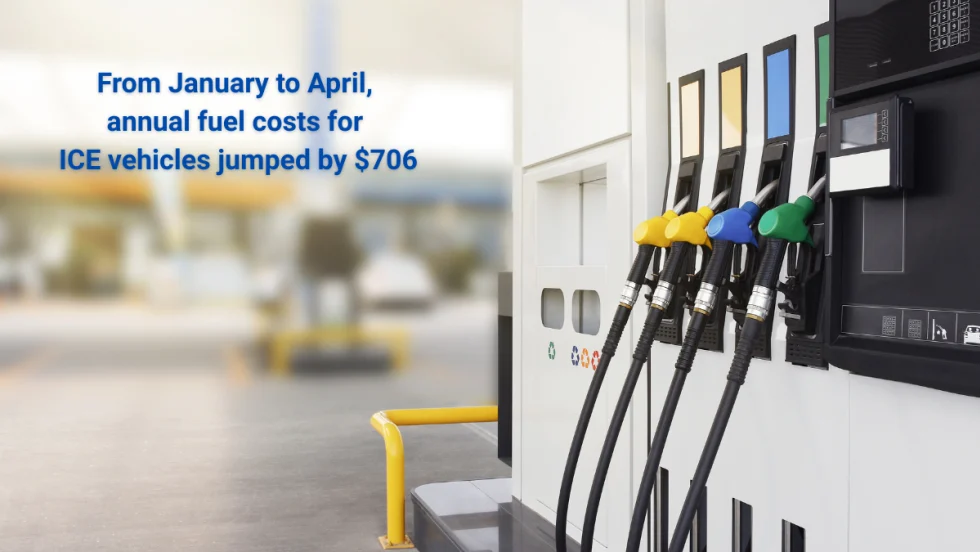
Study: How 2026's Gas Price Hikes Affect Different Vehicle Types
New data from iSeeCars reveals how rising fuel costs have affected different vehicle segments as gasoline prices climbed nearly 46% over the past four months.
Read More →
Are You Tracking Your Fleet's True Total Cost of Ownership?
Bobit Business Media surveyed 190 fleet professionals and found that while most fleets are tracking costs, fragmented systems and data gaps are keeping true TCO visibility out of reach. With rising pressure to control spend in an increasingly volatile environment, the gap between what fleets think they know and what the data actually shows is wider than you might expect. See how your peers are managing costs today and where the industry still has room to improve.
Read More →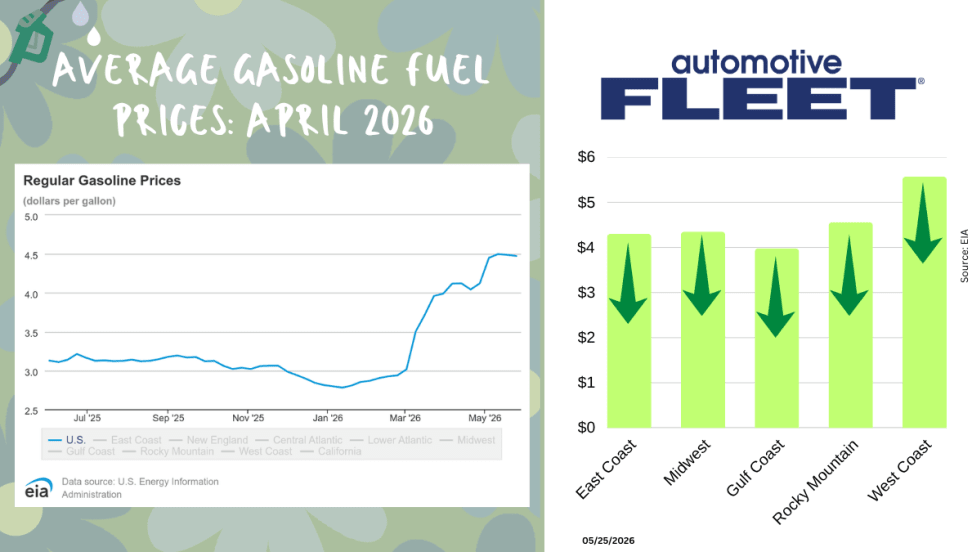
May Fuel Update: All Regions Experience Declines
Gas prices are finally easing in much of the country, but experts warn global tensions could quickly reverse the trend as the national average remains well above last month’s levels.
Read More →