




FleetCards USA’s Trends Advisory Council Speaks Out on New Fuel-Saving Tips
ATLANTA - Paul Citarella of FleetCards USA recently participated as a speaker in an educational webinar hosted by Fuelman called the "Hidden Cost Savings: 10 New Ways to Reduce Your Fuel Spend."
ATLANTA - Paul Citarella of FleetCards USA, an online fleet card industry expert that acts as a trusted advisor in matching fleet fuel cards to small and medium sized businesses, recently participated as a speaker in an educational webinar hosted by Fuelman called the "Hidden Cost Savings: 10 New Ways to Reduce Your Fuel Spend." Here are some key insights from the session, courtesy of FleetCards USA's trends advisory council - FleetCards TrendWatch.
As part of the session, more than 300 participants, spanning from large and small business owner and fleet managers, answered three industry polls. The first poll asked what was the participants' main concern with their fleet's fueling expenses. The majority (38.7%) responded with fluctuating fuel prices/budgeting. The second poll asked if the participants believed that fuel prices would rise in the future. An overwhelming majority (93.6%) responded yes. These answers directly correlate with one of the hidden cost savings tips - Price Protection - mentioned during the seminar, yet this is a preventative measure that many businesses still don't take advantage of.
"Fuel price protection allows a company to pre-pay for fuel at a fixed price for a designated time. This allows business owners to know exactly what their fuel spend is so they can budget more accurately," says Paul Citarella. "If fuel prices rise, the company is also guaranteed the lower rate, which can be a significant savings for minimal effort that businesses big and small should leverage." For example, if a company locked in a maximum price at 3 dollars a gallon, and then by July gas increases to $4.41, the company would save $1.41 per gallon. With a purchase price of 500 gallons of fuel per month, the savings would be over $8,000 in one year.
The third poll asked if the company currently has a policy for driver behavior. Surprisingly 57.8% responded yes. As another one of the hidden cost savings tips was identified as correcting driver behavior, the poll indicated that many companies are already on the right track. Driver behavior can drastically affect fuel expenses. For example, speeding on the highway lowers a vehicle's fuel economy and accelerating too fast, braking too often, braking too hard or idling all waste fuel. Up to 60 percent of wasted fuel is due to acceleration issues, correcting drivers' habits can offer a simple fix. "Starting with a policy makes sure a driver is aware of their responsibilities and the companies expectations up front," says Paul Citarella.
For more information about the webinar "Hidden Cost Savings: 10 New Ways to Reduce Your Fuel Spend" and to view videos from the session, visit www.fuelman.com.
About FleetCards USA
FleetCards USA (www.fleetcardusa.com) offers valuable fleet card facts, industry news, and information from numerous fleet fuel card programs to companies of all sizes across the USA from small entrepreneurial organizations to large public corporations. FleetCards USA has partnerships with leading industry fueling networks and fleet card providers including: BP, ARCO, Chevron, Texaco, CITGO, and Fuelman. With its proprietary FleetMatchTM system, and a team of industry veterans at the helm of its operations, FleetCards USA acts as a trusted advisor to its customers in all sectors from retail to transportation to government.
More Fuel

Turning Fleet Payment Data into Executive Insights
Ramel Lindsay of U.S. Bank Voyager discusses how fleets can transform payment and transaction data into actionable intelligence to reduce costs, improve oversight, and support executive decision-making.
Read More →
Why the IRS Raised Its Mileage Rate in the Middle of 2026
Fuel-price volatility drove the rare increase to 76 cents per mile, the fifth midyear adjustment since 2000.
Read More →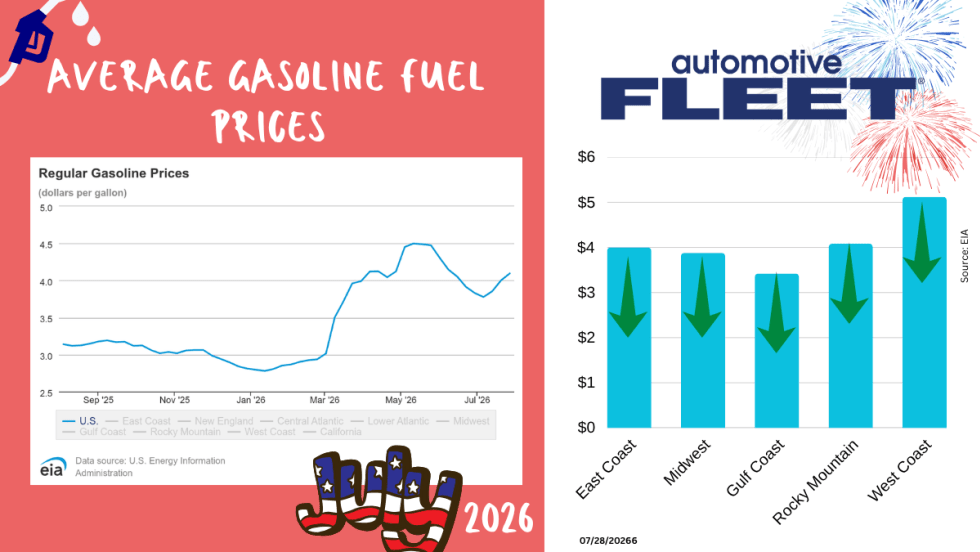
July Fuel Update: Prices Keep Rising in Light of More Conflict
Gas prices continue to rise as more and more conflicts do, too.
Read More →
Bob Adamsky on Fuel Volatility: "Don't Panic, Have a Plan."
When it comes to up and down fuel prices, Adamsky has a message for fleets: “Don’t panic.”
Read More →
How Fleets Can Gain Control of Non-Fuel Spend
Fuel often gets the spotlight, but non-fuel expenses can have a major impact on fleet costs. Ramel Lindsay of U.S. Bank Voyager discusses how fleets can gain better visibility and control over these often-overlooked expenditures.
Read More →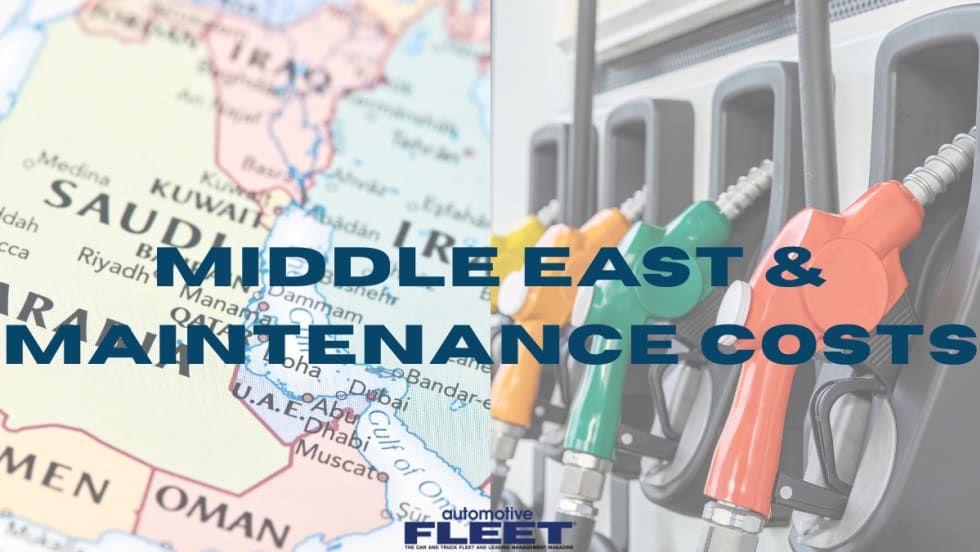
Fuel is Just the Start: How Middle East Tensions are Driving Up Fleet Maintenance Costs
The Middle East conflict is doing more than pushing up fuel prices. It’s also raising the cost of key maintenance products your fleet depends on, from motor oil to tires to windshield wipers. Here’s what you need to know about this budget-busting situation.
Read More →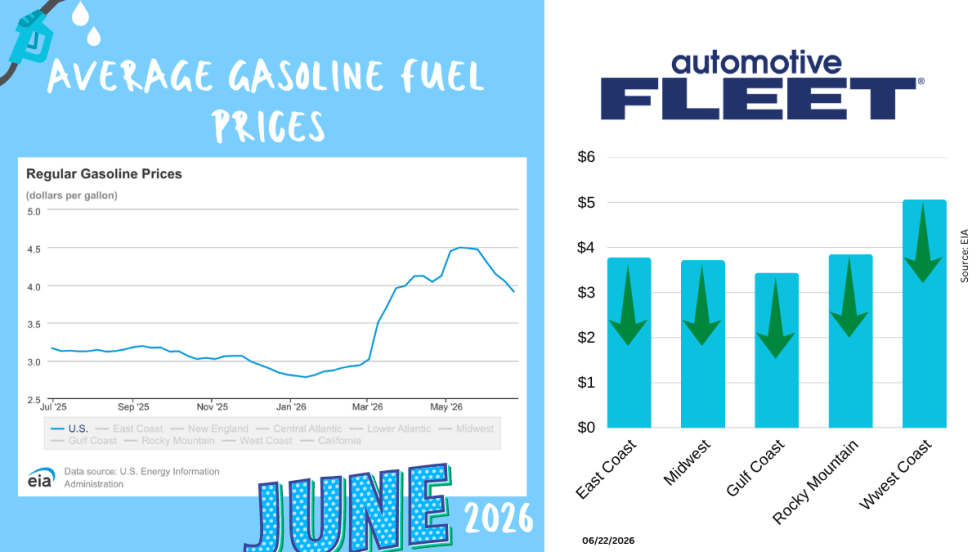
June Fuel Update: Prices Fall Below $4
Drivers are finally getting some relief at the pump. The national average gas price has dropped below $4 a gallon for the first time in months, with prices falling in 47 states as oil markets react to developments in U.S.-Iran negotiations.
Read More →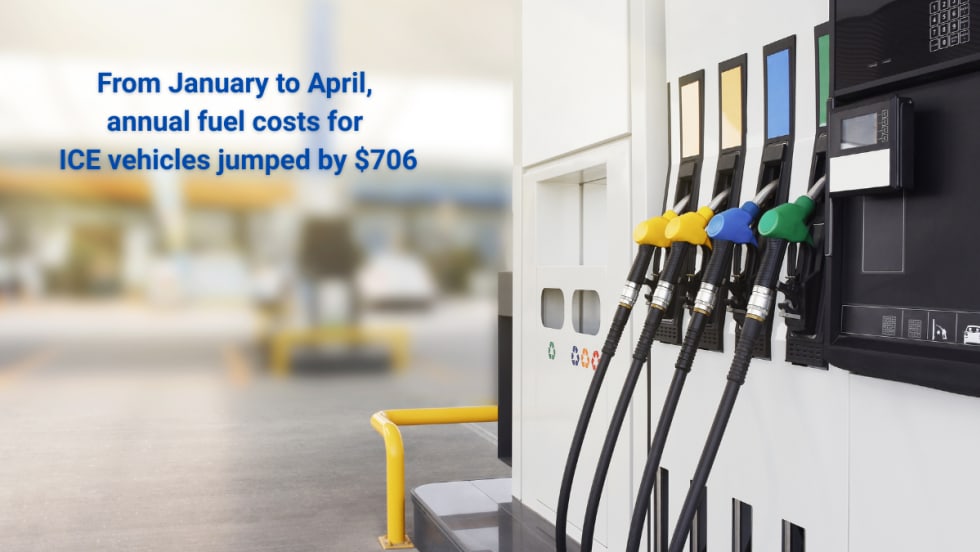
Study: How 2026's Gas Price Hikes Affect Different Vehicle Types
New data from iSeeCars reveals how rising fuel costs have affected different vehicle segments as gasoline prices climbed nearly 46% over the past four months.
Read More →
Are You Tracking Your Fleet's True Total Cost of Ownership?
Bobit Business Media surveyed 190 fleet professionals and found that while most fleets are tracking costs, fragmented systems and data gaps are keeping true TCO visibility out of reach. With rising pressure to control spend in an increasingly volatile environment, the gap between what fleets think they know and what the data actually shows is wider than you might expect. See how your peers are managing costs today and where the industry still has room to improve.
Read More →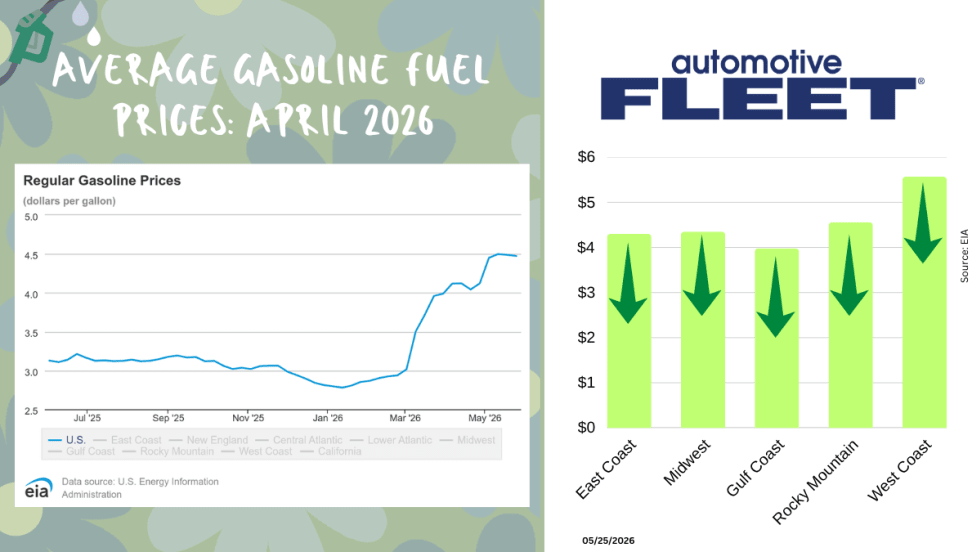
May Fuel Update: All Regions Experience Declines
Gas prices are finally easing in much of the country, but experts warn global tensions could quickly reverse the trend as the national average remains well above last month’s levels.
Read More →