




FleetCards TrendWatch on Diesel
ATLANTA - FleetCards USA shares tips from their trends advisory council - FleetCards TrendWatch - regarding fuel efficiencies and diesel fuel.
ATLANTA - FleetCards USA, a fleet card industry expert that acts as a trusted advisor in matching fleet fuel cards to small and medium sized businesses, shares tips from their trends advisory council - FleetCards TrendWatch - regarding fuel efficiencies and diesel fuel.
"Ever since President Obama's spring announcement ordering new benchmarks to be set for highway and work trucks*, business owners who operate fleets have been paying close attention to how their company uses fuel," says Paul Citarella, SVP of FleetCards USA. "Diesel fuel has been a topic of much discussion in the industry, mostly due to the better mileage it can achieve. There are many other advantages to diesel as well as other ways, in addition to switching to diesel fuel, that one can improve their overall fuel expenditure."
The Diesel Advantage:
Diesel is more energy efficient: Diesel contains approximately 20,000 more BTUs of energy per gallon than gasoline. This means it takes more gasoline to equal the power output of diesel. Also, since diesel fuel is heavier and oilier, it evaporates slower adding to it's efficiency
Diesel costs less: Typically, diesel fuel is less expensive than gasoline. This is because the refinement process takes less time and is less labor intensive
Diesel offers overall better durability: Although the short term maintenance fee for a diesel engine can be costly, diesel engines are by far more durable in the long run. The average gas engine lasts approximately 125,000 miles before needing major repairs, where as a diesel engine can last approximately 375,000 miles
Diesel is cleaner: Diesel emits fewer harmful emissions than gasoline
Diesel engines have the option to use biodiesel: Biodiesel is an green alternative or additive to diesel fuel made from plant oil and fats that can be used in diesel engines with slight to no modifications
Diesel Fleet Card Fuel Advantages:
Diesel Fuel Discounts: When using a diesel fleet card system, many suppliers offer a discount on volume of sales. Typically, this is provided by a reduced rate once the company has purchased a certain amount of fuel each month
Fuel Availability: Diesel fuel is not as widely available as gasoline, which deters some companies from using them. With a diesel fleet card, diesel stations can be pre-identified and pre-approved so drivers always know where they can fuel up. This also helps with fuel efficiency so drivers aren't wasting time driving around looking for their next stop
Tracking and Reporting: With a diesel fleet card, all drivers transactions are recorded including when, where and how much fuel was purchased. This data can be analyzed to identify inefficiencies and poor driver's habits, such as a vehicle in need of maintenance, or a driver who idles or drives off route
Theft Protection: With diesel fleet cards, specific controls can be set limiting the drivers' purchases. For example, restrictions can be put in place so a driver can only purchase fuel at certain stations, after a certain time has elapsed. This ensures a driver is not fueling up their personal vehicle or purchasing gas station concessions on the company's dollar
For more information about diesel fleet cards and to find the right fleet card for your business visit www.fleetcardsusa.com.
About FleetCards USA
FleetCards USA (www.fleetcardsusa.com) offers valuable fleet card facts, industry news, and information from numerous fleet fuel card programs to companies of all sizes across the USA from small entrepreneurial organizations to large public corporations. FleetCards USA has partnerships with leading industry fueling networks and fleet card providers including: BP, ARCO, Chevron, Texaco, CITGO, and Fuelman. With its proprietary FleetMatchTM system, and a team of industry veterans at the helm of its operations, FleetCards USA acts as a trusted advisor to its customers in all sectors from retail to transportation to government.
More Fuel
Fuel Prices Surge in September | September Fuel Update
September brought major fuel price swings, including diesel crossing $6 a gallon. Here’s how gas and diesel prices changed throughout the month, and where they stood heading into October.
Read More →
Turning Fleet Payment Data into Executive Insights
Ramel Lindsay of U.S. Bank Voyager discusses how fleets can transform payment and transaction data into actionable intelligence to reduce costs, improve oversight, and support executive decision-making.
Read More →
Why the IRS Raised Its Mileage Rate in the Middle of 2026
Fuel-price volatility drove the rare increase to 76 cents per mile, the fifth midyear adjustment since 2000.
Read More →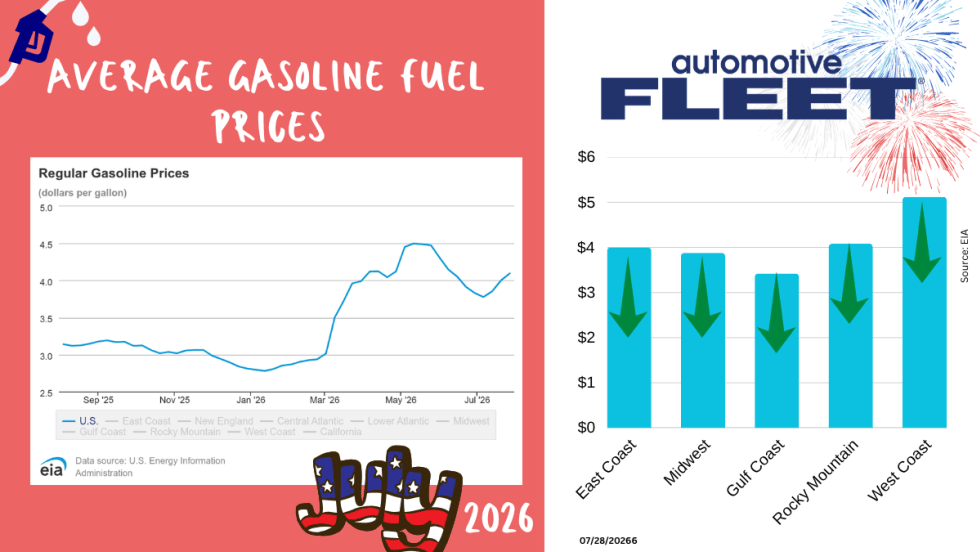
July Fuel Update: Prices Keep Rising in Light of More Conflict
Gas prices continue to rise as more and more conflicts do, too.
Read More →
Bob Adamsky on Fuel Volatility: "Don't Panic, Have a Plan."
When it comes to up and down fuel prices, Adamsky has a message for fleets: “Don’t panic.”
Read More →
How Fleets Can Gain Control of Non-Fuel Spend
Fuel often gets the spotlight, but non-fuel expenses can have a major impact on fleet costs. Ramel Lindsay of U.S. Bank Voyager discusses how fleets can gain better visibility and control over these often-overlooked expenditures.
Read More →
Fuel is Just the Start: How Middle East Tensions are Driving Up Fleet Maintenance Costs
The Middle East conflict is doing more than pushing up fuel prices. It’s also raising the cost of key maintenance products your fleet depends on, from motor oil to tires to windshield wipers. Here’s what you need to know about this budget-busting situation.
Read More →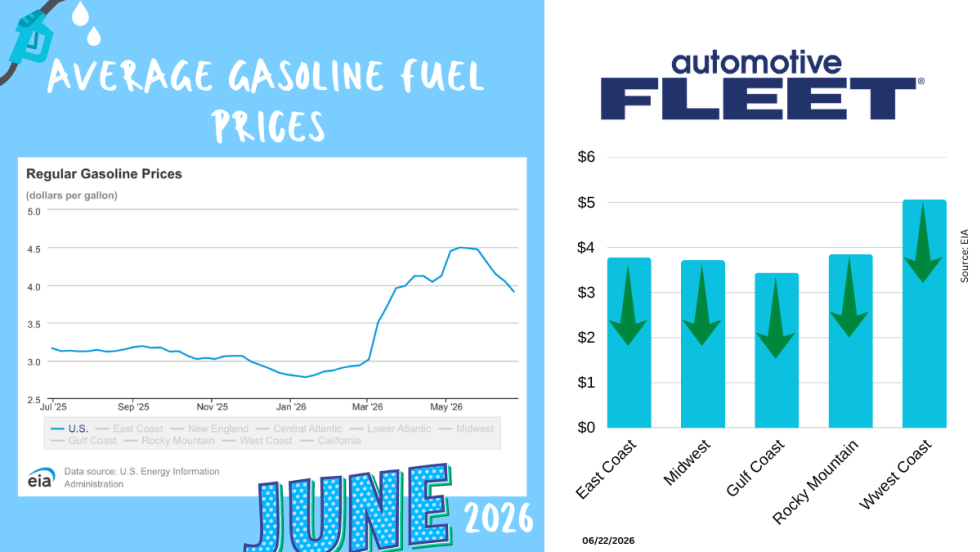
June Fuel Update: Prices Fall Below $4
Drivers are finally getting some relief at the pump. The national average gas price has dropped below $4 a gallon for the first time in months, with prices falling in 47 states as oil markets react to developments in U.S.-Iran negotiations.
Read More →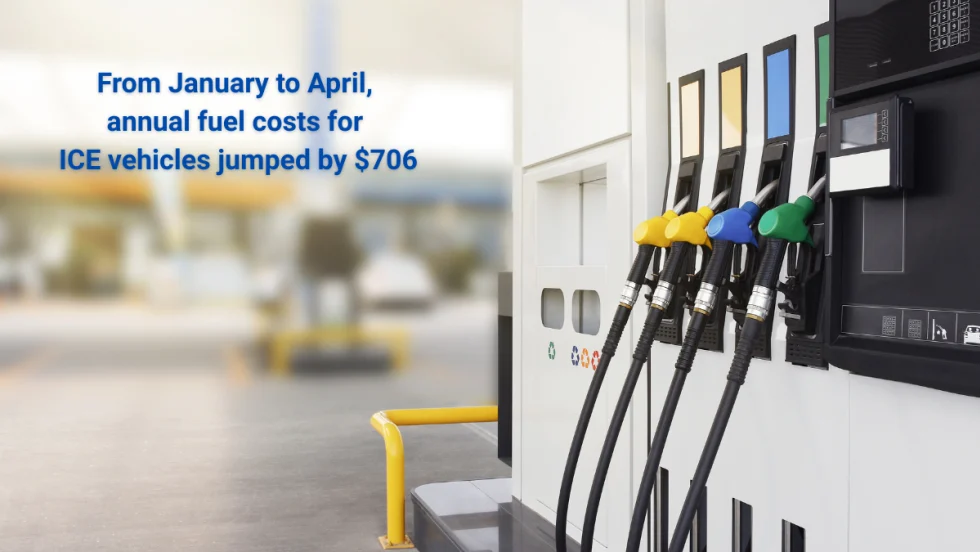
Study: How 2026's Gas Price Hikes Affect Different Vehicle Types
New data from iSeeCars reveals how rising fuel costs have affected different vehicle segments as gasoline prices climbed nearly 46% over the past four months.
Read More →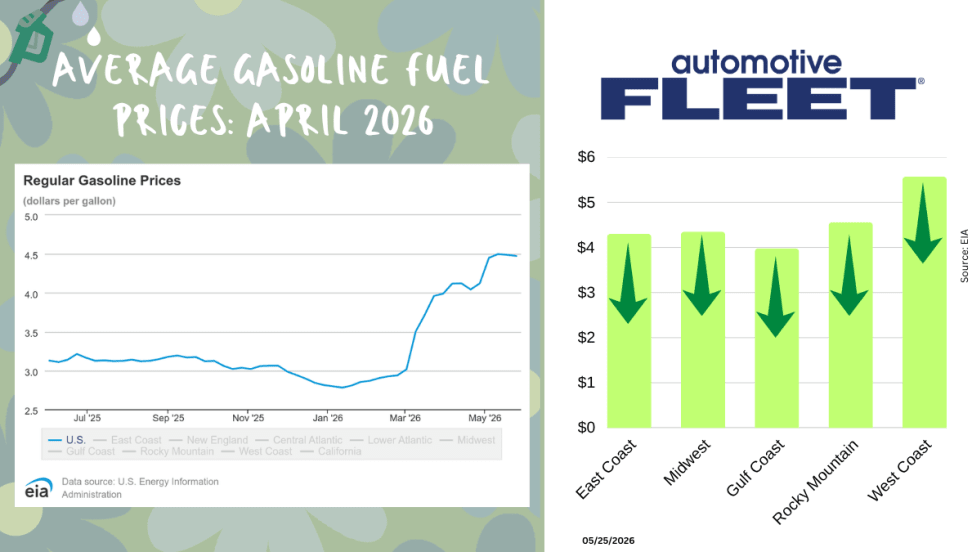
May Fuel Update: All Regions Experience Declines
Gas prices are finally easing in much of the country, but experts warn global tensions could quickly reverse the trend as the national average remains well above last month’s levels.
Read More →