




Fleet One Partners With NexTraq to Provide Comprehensive Fuel Card Program
NASHVILLE, TN - The new fuel card integration is a free service for Fleet One customers, and activation was designed to be simple and quick.
NASHVILLE, TN - Fleet One, LLC, a provider of fuel cards and fleet-related payment solutions, announced its partnership with GPS provider NexTraq, a collaboration that means dramatically reduced administrative time-drains for fleet managers.
NexTraq, the value leader of GPS fleet tracking and vehicle management solutions, allows full fuel card integration capabilities. By integrating Fleet One card purchases with the NexTraq Fleet Tracking platform, customers gain a comprehensive view of fleet operations, offering a more holistic understanding of fleet fuel costs and inefficiencies.
The new fuel card integration is a free service for Fleet One customers, and activation was designed to be simple and quick.
"The retrieval of purchase data can be time consuming, and this, combined with feedback from customers, led us to put a great deal of research and effort into this program," explained Mike Scarbrough, CEO of NexTraq. "With Fleet One fuel card integration, our customers have access to new fuel-based reports, simplifying the retrieval process and ultimately, saving time and money."
Fuel Purchase Reports
Fleet managers can view their Fleet One Purchase History Report, which provides a full summary of all fuel and fuel related purchases, streamlining the retrieval of transaction information. Customers can tailor reports by company, fleet or vehicle; identifying total costs without sifting through a variety of card statements. With complete visibility, fleet managers can closely manage how fuel cards are being used, eliminating employee abuse.
Tom Wagner, VP of Strategic Markets for Fleet One, said, "Fleet One is excited about this integration as it provides a great comprehensive tool that adds real value for our mutual customers. Managers will also benefit from dramatically increased understanding of their vehicles' fuel efficiency, when their GPS unit calculates actual number of miles driven and divides that by number of gallons drivers purchase with their Fleet One card."
Fuel Tax Reporting
Many companies have to submit quarterly fuel tax reports to the International Fuel Tax Association (IFTA.) Typically a monotonous process, the new fuel card/GPS integration offers a specific IFTA Fuel Tax Report, which saves customers time when preparing the report by showing the big picture of a fleet's fuel card spending.
Fuel Merchant Mapping
Dispatchers can easily identify Fleet One merchants with point-of-interest mapping as well as navigate drivers to the closest merchants through the Garmin in-vehicle navigation device.
"In combination with NexTraq's fuel reporting, our new integration with Fleet One fuel cards gives customers the ability to effectively manage what was once an obstacle," said Scarbrough of NexTraq. "By automating a tedious, manual process, fleet managers can save time and money as they pinpoint areas of interest to save in fuel costs through their fleet operations."
More Fuel
Fuel Prices Surge in September | September Fuel Update
September brought major fuel price swings, including diesel crossing $6 a gallon. Here’s how gas and diesel prices changed throughout the month, and where they stood heading into October.
Read More →
Turning Fleet Payment Data into Executive Insights
Ramel Lindsay of U.S. Bank Voyager discusses how fleets can transform payment and transaction data into actionable intelligence to reduce costs, improve oversight, and support executive decision-making.
Read More →
Why the IRS Raised Its Mileage Rate in the Middle of 2026
Fuel-price volatility drove the rare increase to 76 cents per mile, the fifth midyear adjustment since 2000.
Read More →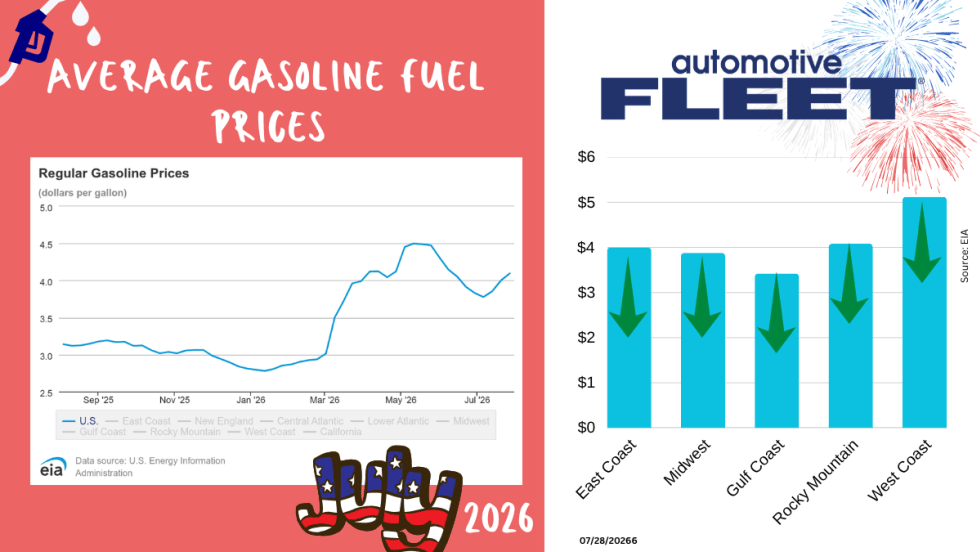
July Fuel Update: Prices Keep Rising in Light of More Conflict
Gas prices continue to rise as more and more conflicts do, too.
Read More →
Bob Adamsky on Fuel Volatility: "Don't Panic, Have a Plan."
When it comes to up and down fuel prices, Adamsky has a message for fleets: “Don’t panic.”
Read More →
How Fleets Can Gain Control of Non-Fuel Spend
Fuel often gets the spotlight, but non-fuel expenses can have a major impact on fleet costs. Ramel Lindsay of U.S. Bank Voyager discusses how fleets can gain better visibility and control over these often-overlooked expenditures.
Read More →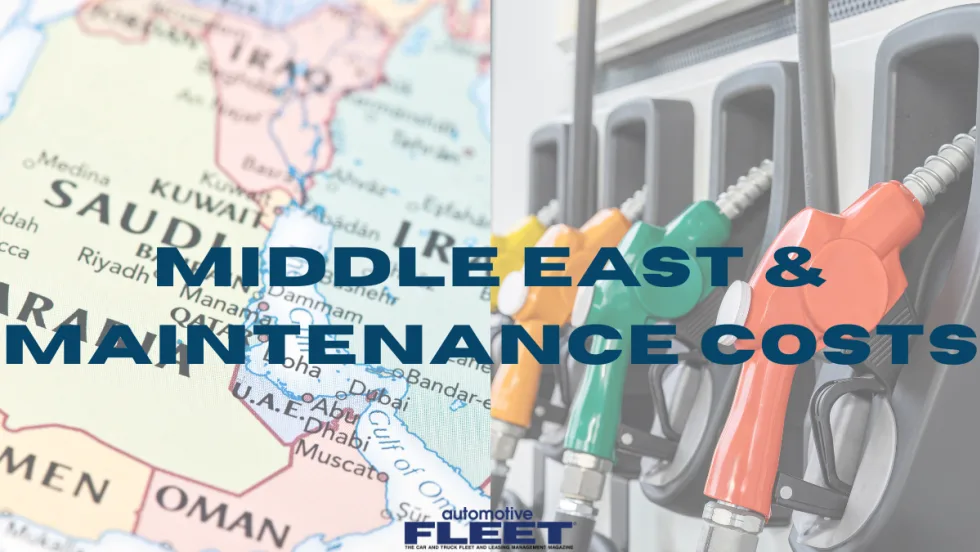
Fuel is Just the Start: How Middle East Tensions are Driving Up Fleet Maintenance Costs
The Middle East conflict is doing more than pushing up fuel prices. It’s also raising the cost of key maintenance products your fleet depends on, from motor oil to tires to windshield wipers. Here’s what you need to know about this budget-busting situation.
Read More →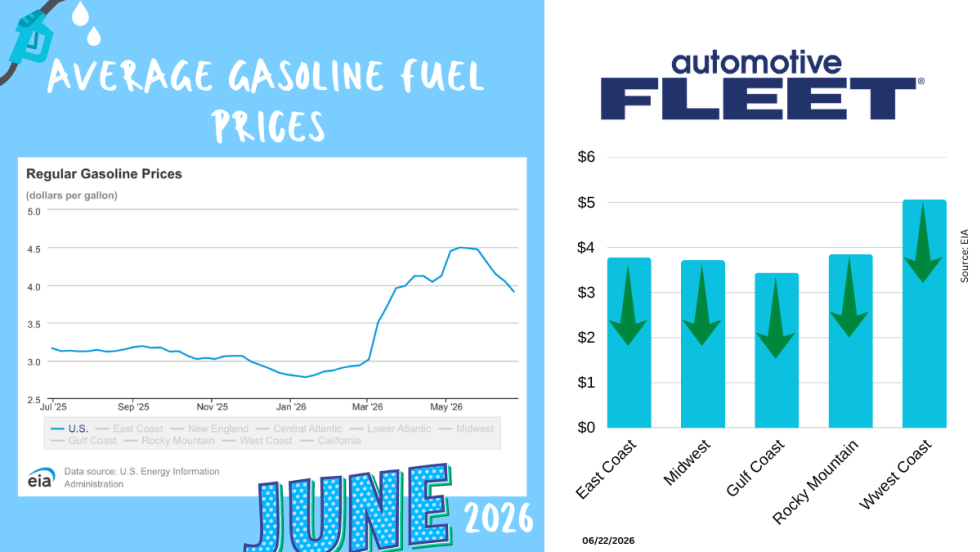
June Fuel Update: Prices Fall Below $4
Drivers are finally getting some relief at the pump. The national average gas price has dropped below $4 a gallon for the first time in months, with prices falling in 47 states as oil markets react to developments in U.S.-Iran negotiations.
Read More →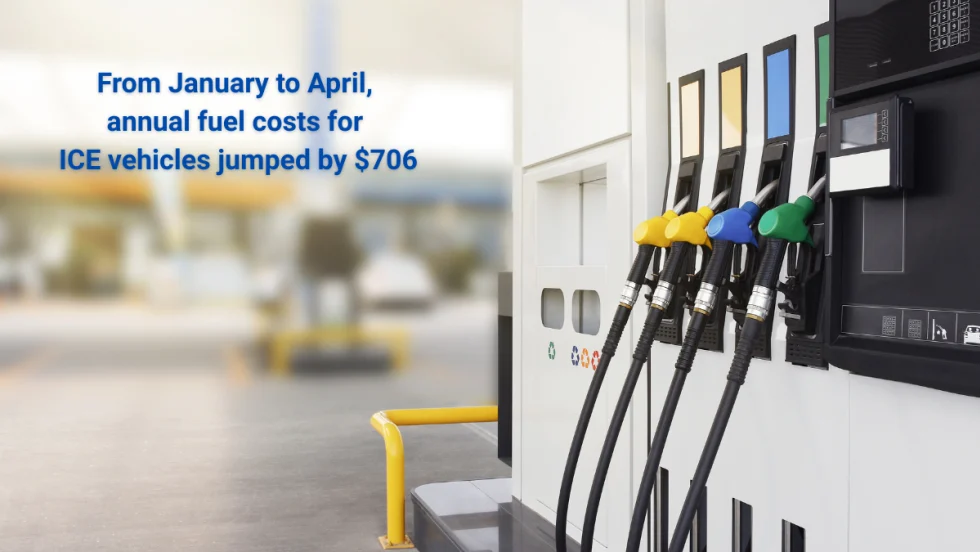
Study: How 2026's Gas Price Hikes Affect Different Vehicle Types
New data from iSeeCars reveals how rising fuel costs have affected different vehicle segments as gasoline prices climbed nearly 46% over the past four months.
Read More →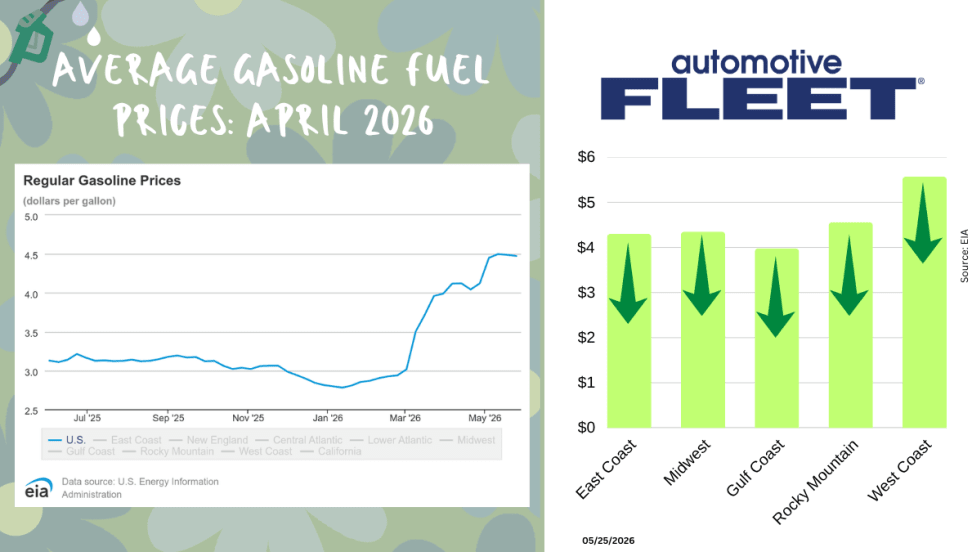
May Fuel Update: All Regions Experience Declines
Gas prices are finally easing in much of the country, but experts warn global tensions could quickly reverse the trend as the national average remains well above last month’s levels.
Read More →