




EPA Adjusts Miles-Per-Gallon Estimates for Hybrids
WASHINGTON, D.C. --- Because of new test standards, the Environmental Protection Agency is adjusting its miles-per-gallon estimates for vehicle models, including hybrids.
WASHINGTON, D.C. --- Because of new test standards, the Environmental Protection Agency is adjusting its miles-per-gallon estimates for vehicle models, including hybrids. The new city/highway/combined rating for the 2007 Prius will be 48/45/46. It was previously 60/51/55. The new rating for the Honda Civic Hybrid is 40/45/42. It was previously 51/49/50. The new rating for the Honda Civic is 25/36/29. It was previously 30/40/33. The new rating for the Toyota Camry Hybrid is 33/34/34. It was previously 40/38/39. The new rating for the Toyota Camry is 21/30/24. It was previously 24/33/37. The new rating for the Saturn Vue Hybrid is 23/29/26. It was previously 27/32/29. The new rating for the Saturn Vue is 20/28/23. It was previously 22/27/24. The new rating for the Ford Escape Hybrid was 31/29/30. It was previously 36/31/34. The new rating for the Ford Escape is 20/24/21. It was previously 23/26/24. The new rating for the Pontiac G6 is 20/30/24. It was previously 23/33/27. The new rating for the Hummer H3 is 14/18/15. It was previously 15/19/17. The above ratings are based on 2007 models with automatic transmission. The new EPA tests take into account real-world conditions such as speeding and varying weather. The fuel-economy estimates for 2008 models will be EPA approximations that take new test results into account. Starting with the 2010 model year, the EPA will require the tests on all new cars. Hybrid fuel economy estimates have been greatly over-estimated in the past largely because the tests included long periods of vehicle idling.
More Fuel

Bob Adamsky on Fuel Volatility: "Don't Panic, Have a Plan."
When it comes to up and down fuel prices, Adamsky has a message for fleets: “Don’t panic.”
Read More →
How Fleets Can Gain Control of Non-Fuel Spend
Fuel often gets the spotlight, but non-fuel expenses can have a major impact on fleet costs. Ramel Lindsay of U.S. Bank Voyager discusses how fleets can gain better visibility and control over these often-overlooked expenditures.
Read More →
Fuel is Just the Start: How Middle East Tensions are Driving Up Fleet Maintenance Costs
The Middle East conflict is doing more than pushing up fuel prices. It’s also raising the cost of key maintenance products your fleet depends on, from motor oil to tires to windshield wipers. Here’s what you need to know about this budget-busting situation.
Read More →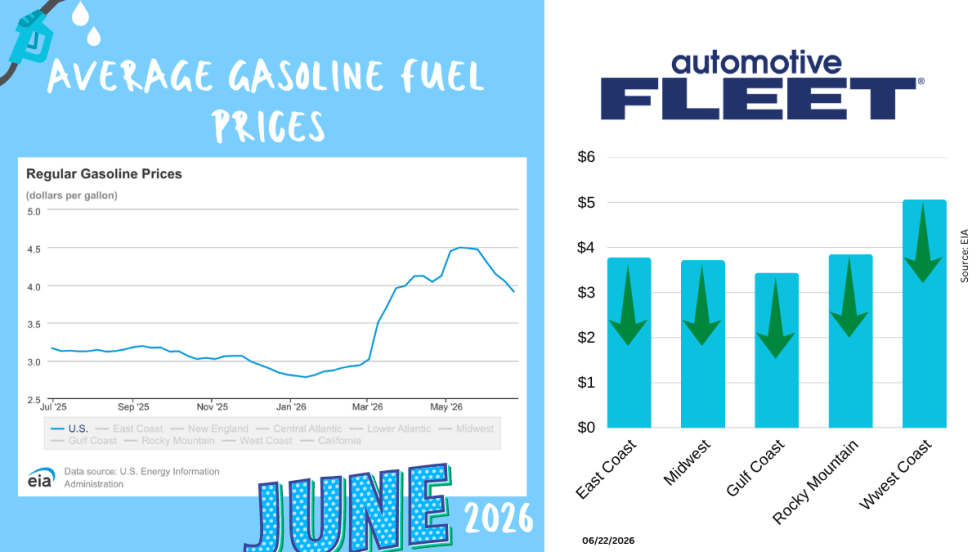
June Fuel Update: Prices Fall Below $4
Drivers are finally getting some relief at the pump. The national average gas price has dropped below $4 a gallon for the first time in months, with prices falling in 47 states as oil markets react to developments in U.S.-Iran negotiations.
Read More →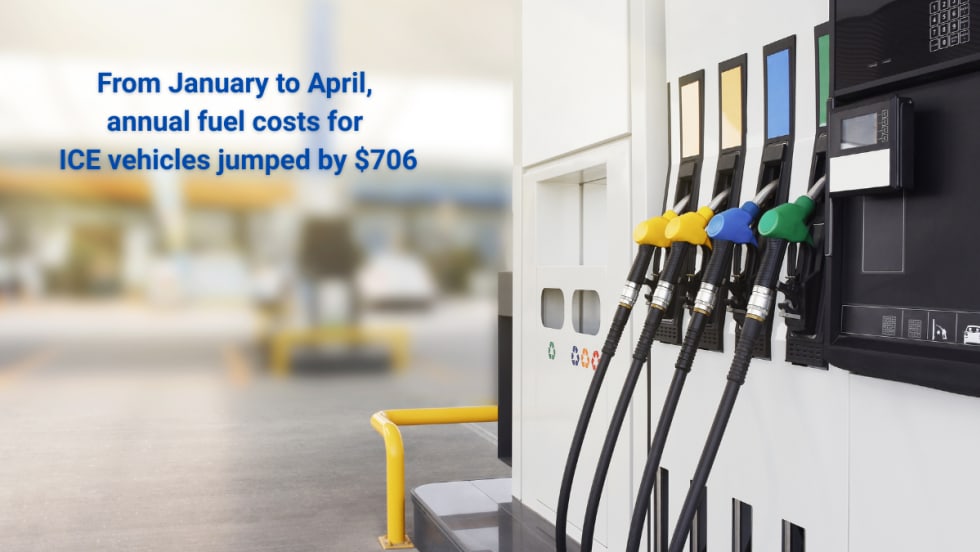
Study: How 2026's Gas Price Hikes Affect Different Vehicle Types
New data from iSeeCars reveals how rising fuel costs have affected different vehicle segments as gasoline prices climbed nearly 46% over the past four months.
Read More →
Are You Tracking Your Fleet's True Total Cost of Ownership?
Bobit Business Media surveyed 190 fleet professionals and found that while most fleets are tracking costs, fragmented systems and data gaps are keeping true TCO visibility out of reach. With rising pressure to control spend in an increasingly volatile environment, the gap between what fleets think they know and what the data actually shows is wider than you might expect. See how your peers are managing costs today and where the industry still has room to improve.
Read More →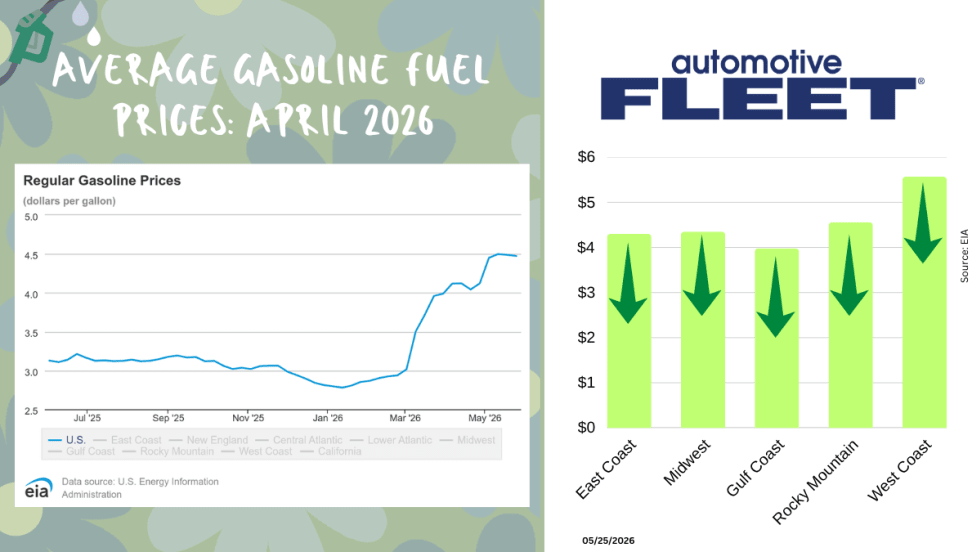
May Fuel Update: All Regions Experience Declines
Gas prices are finally easing in much of the country, but experts warn global tensions could quickly reverse the trend as the national average remains well above last month’s levels.
Read More →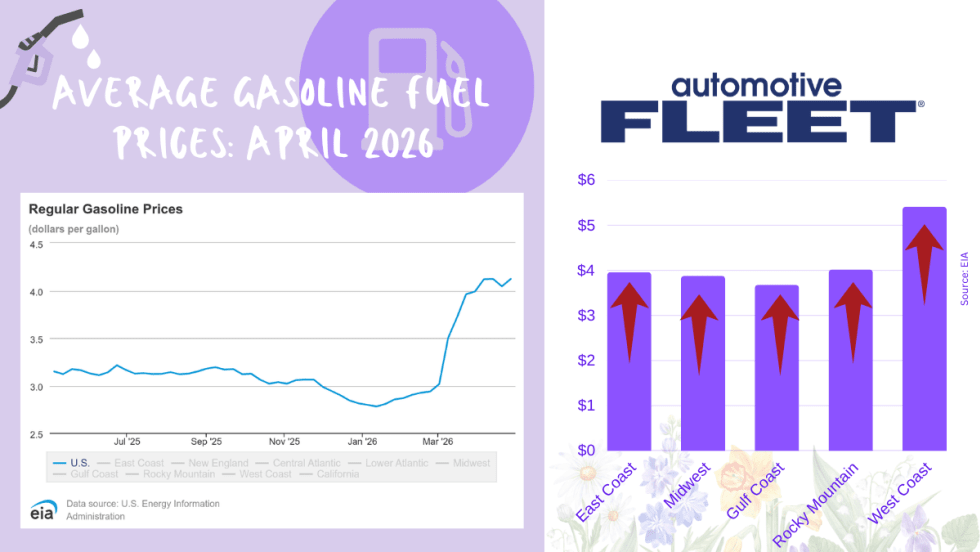
April Fuel Update: Prices Climb Above $4 as Spring Surge Accelerates
National average jumps to $4.04 per gallon, up sharply from last year, with West Coast prices topping $5 and further increases expected amid rising oil tensions.
Read More →
Tips from Fleet Managers on Saving Fuel Costs
Fleet leaders share practical strategies to reduce fuel spend through smarter policy, routing, and driver guidance.
Read More →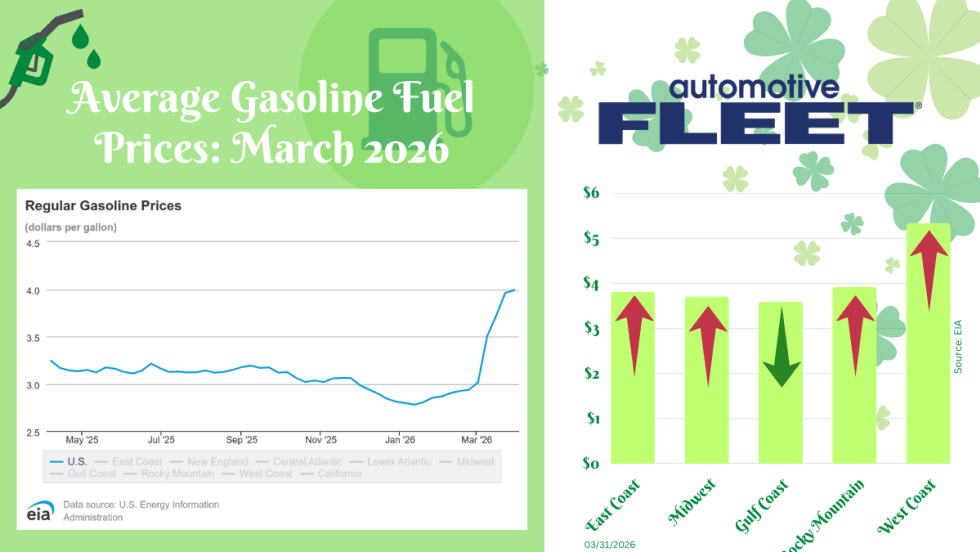
March Fuel Update: Prices Settle With a $4 Average
Fuel prices significantly slowed this week, but a $4 national average is still expected.
Read More →