




Duke Energy & FPL Invest $600M for EV Conversion
NEW YORK - Duke Energy and FPL Group's goal is to have 100 percent of all-new fleet vehicles be plug-in electric vehicles or plug-in hybrid electric vehicles by 2020.
NEW YORK - FPL Group, Inc. and Duke Energy have committed to transition their company cars and trucks to plug-in hybrid or all-electric vehicles. The announcement was made during the Clinton Global Initiative's (CGI) fifth annual meeting in New York City.
The joint commitment represents more than 10,000 vehicles and potential revenues of at least $600 million for manufacturers who can produce viable plug-in electric vehicles. The conversion has the potential to reduce greenhouse gas emissions by more than 125,000 metric tons over the next 10 years.
Duke Energy and FPL Group will begin this transition in the coming years - with the goal that 100 percent of all new fleet vehicles will be plug-in electric vehicles or plug-in hybrid electric vehicles by 2020. In announcing their partnership, FPL Group and Duke Energy called for a wide variety of organizations to commit to greening their vehicle fleets, including corporations, governments, universities and other agencies.
"The more organizations that join this initiative, the more we can develop a sustainable transportation future," said Lew Hay, FPL Group chairman and CEO. "The Clinton Global Initiative continues to serve as a catalyst for bold commitments to address serious challenges such as energy security and climate change. This commitment will help lead the way to carbon reductions in the second largest source of emissions in the U.S. economy."
The initiative will begin Jan. 1, 2010, when both companies will begin tracking their commitment. While passenger vehicles and smaller trucks are already planned, Duke Energy and FPL Group will work closely with manufacturers to test and measure the effectiveness of prototype bucket trucks in 2011 and 2012. The remainder of the commitment period will be spent transitioning vehicles, educating the public, soliciting additional partners, and providing periodic progress updates. The project is scheduled for completion Dec. 31, 2020.
"A 10-year commitment gives us time to adopt, test and integrate new technology into fleets as a wider range of vehicles are developed," said Jim Rogers, chairman, president and CEO of Duke Energy. "Currently, the only near-term options for available PEV supply are sedans, minivans, vans and a few bucket trucks. Over a 10-year horizon, it is expected that options will be available for most utility service categories."
The FPL Group/Duke Energy initiative was developed following the March 2009 Clinton Global Initiative Planning Retreat, a forum for building industry leadership.
Visit the companies' Web sites at www.FPLGroup.com and www.duke-energy.com for more information.
More Fuel

Turning Fleet Payment Data into Executive Insights
Ramel Lindsay of U.S. Bank Voyager discusses how fleets can transform payment and transaction data into actionable intelligence to reduce costs, improve oversight, and support executive decision-making.
Read More →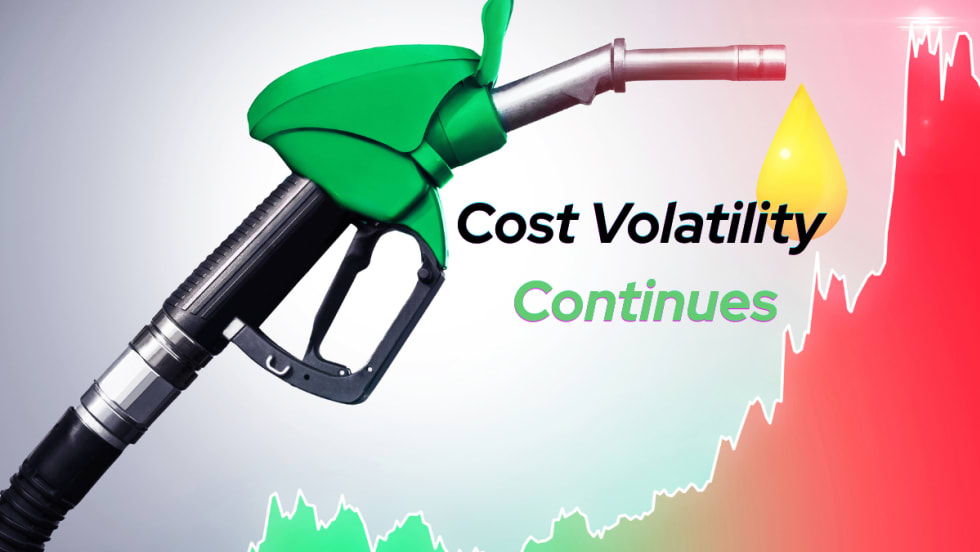
Why the IRS Raised Its Mileage Rate in the Middle of 2026
Fuel-price volatility drove the rare increase to 76 cents per mile, the fifth midyear adjustment since 2000.
Read More →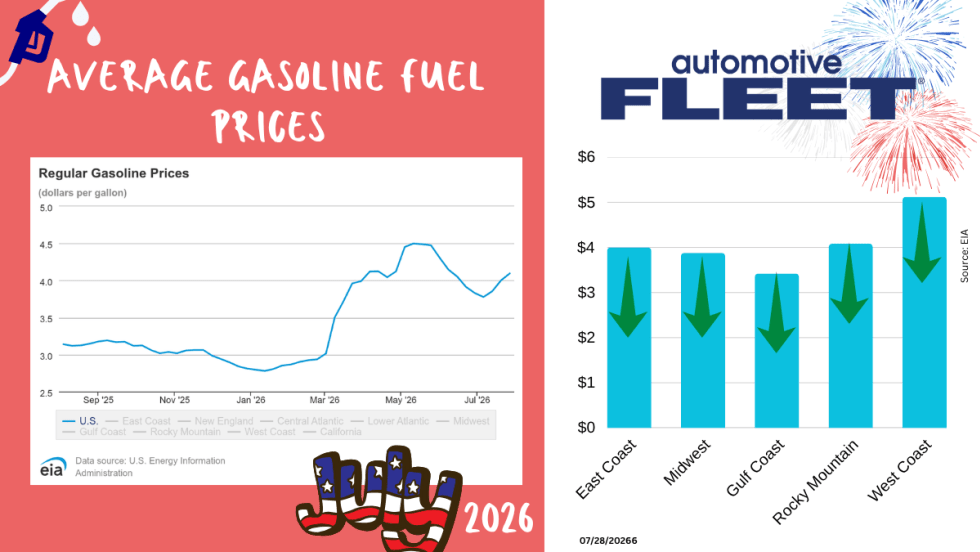
July Fuel Update: Prices Keep Rising in Light of More Conflict
Gas prices continue to rise as more and more conflicts do, too.
Read More →
Bob Adamsky on Fuel Volatility: "Don't Panic, Have a Plan."
When it comes to up and down fuel prices, Adamsky has a message for fleets: “Don’t panic.”
Read More →
How Fleets Can Gain Control of Non-Fuel Spend
Fuel often gets the spotlight, but non-fuel expenses can have a major impact on fleet costs. Ramel Lindsay of U.S. Bank Voyager discusses how fleets can gain better visibility and control over these often-overlooked expenditures.
Read More →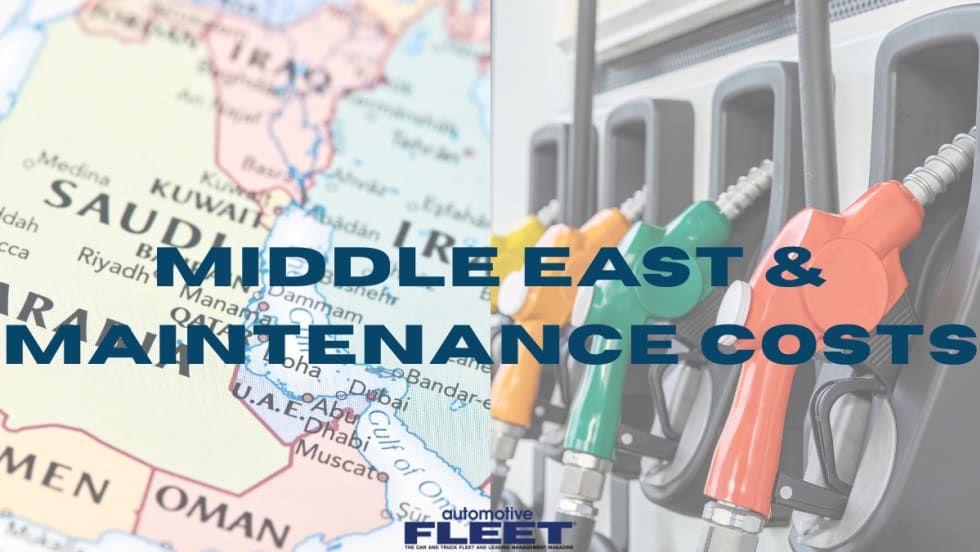
Fuel is Just the Start: How Middle East Tensions are Driving Up Fleet Maintenance Costs
The Middle East conflict is doing more than pushing up fuel prices. It’s also raising the cost of key maintenance products your fleet depends on, from motor oil to tires to windshield wipers. Here’s what you need to know about this budget-busting situation.
Read More →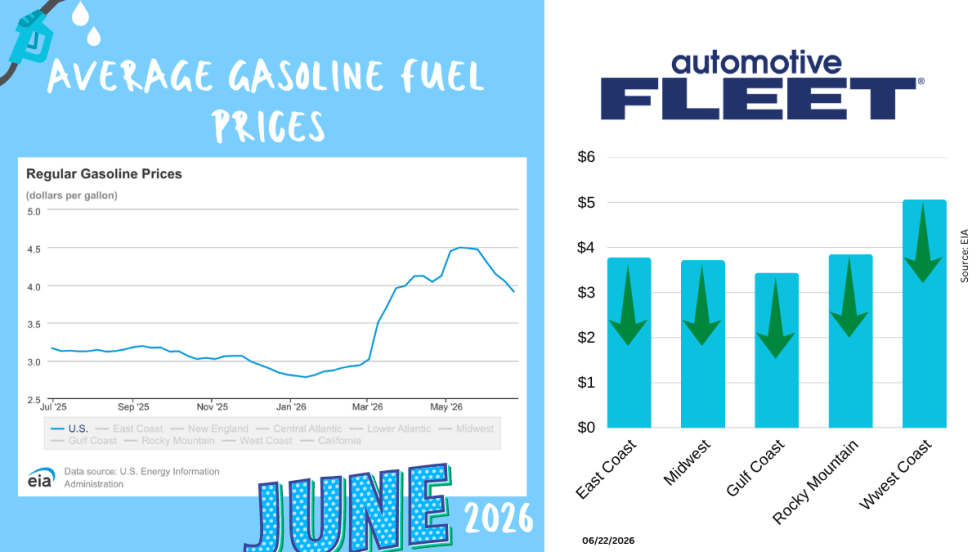
June Fuel Update: Prices Fall Below $4
Drivers are finally getting some relief at the pump. The national average gas price has dropped below $4 a gallon for the first time in months, with prices falling in 47 states as oil markets react to developments in U.S.-Iran negotiations.
Read More →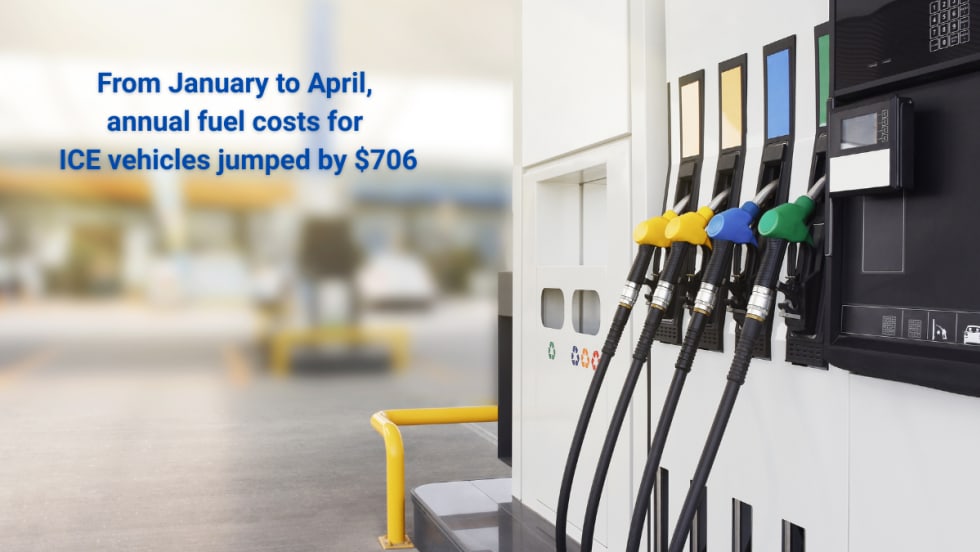
Study: How 2026's Gas Price Hikes Affect Different Vehicle Types
New data from iSeeCars reveals how rising fuel costs have affected different vehicle segments as gasoline prices climbed nearly 46% over the past four months.
Read More →
Are You Tracking Your Fleet's True Total Cost of Ownership?
Bobit Business Media surveyed 190 fleet professionals and found that while most fleets are tracking costs, fragmented systems and data gaps are keeping true TCO visibility out of reach. With rising pressure to control spend in an increasingly volatile environment, the gap between what fleets think they know and what the data actually shows is wider than you might expect. See how your peers are managing costs today and where the industry still has room to improve.
Read More →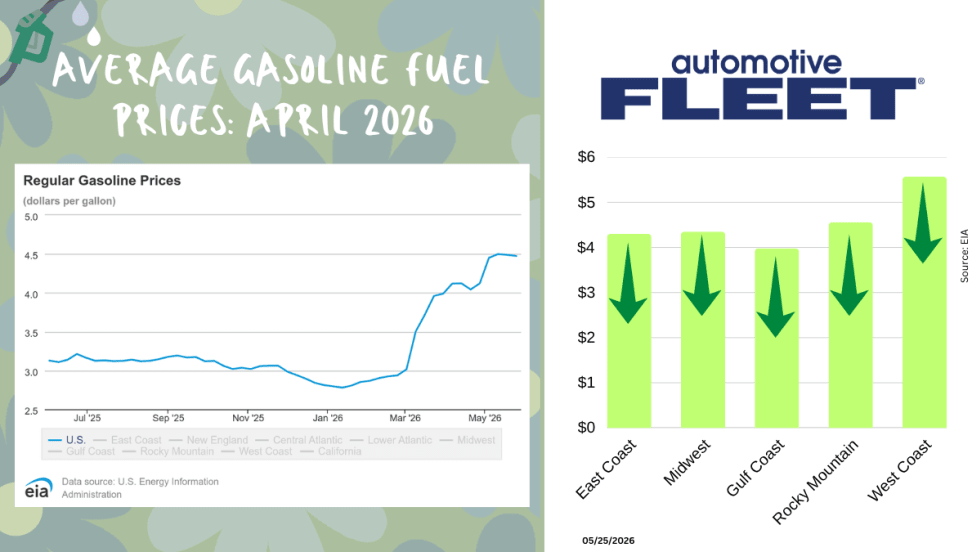
May Fuel Update: All Regions Experience Declines
Gas prices are finally easing in much of the country, but experts warn global tensions could quickly reverse the trend as the national average remains well above last month’s levels.
Read More →