




Drivers Don't Trust Lane Centering Systems, IIHS Finds
Drivers remain skeptical about lane-centering systems, even though they are relatively confident in the performance of adaptive cruise control systems, according to recent research conducted by the Insurance Institute for Highway Safety.

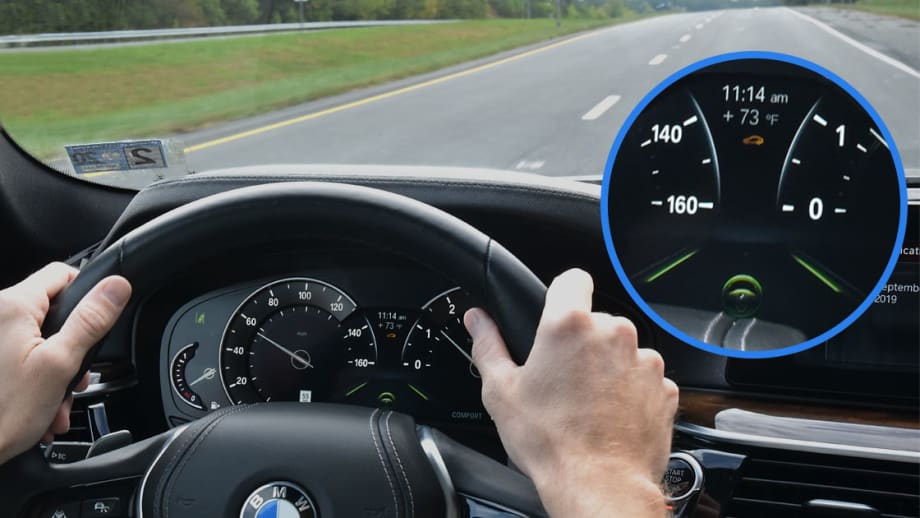
Photo courtesy of IIHS.
Drivers remain skeptical about lane-centering systems, even though they are relatively confident in the performance of adaptive cruise control systems, according to recent research conducted by the Insurance Institute for Highway Safety.
Over 75% of participants agreed that the automated systems accelerated and decelerated the vehicle smoothly and detected moving vehicles ahead. But fewer than half agreed that the technologies consistently detected lane markings on the roadway, detected stopped vehicles ahead, or that they knew whether the automation detected lane markings on the roadway.
The goal of the research was to learn about the connection between acceptance of automated systems and driver perceptions of how well the technologies function.
The results showed that drivers had more faith in the automated systems' ability to maintain a steady speed and safe distance from the vehicle in front of them as compared to a system’s ability to keep them in their lane.
Noteworthy, driver’s impressions of automated technology in general were colored by how well they perceived the lane-centering technology to work. Their perceptions of the effectiveness of lane-centering systems had a bigger impact on how they rated the overall driving experience.
On average, drivers were mostly neutral about whether automation improved the overall driving experience.
IIHS notes that the key takeaway is this: For automated technologies to make driving safer, motorists have to accept them and use them correctly.
Previous research shows that collision-avoidance systems can eliminate or mitigate many crashes. After all, experts agree that some 75% of crashes are due to driver error.
This latest test research from IIHS confirms findings from a similar 2018 study that found drivers are more comfortable with systems that make smooth, gradual speed or steering adjustments.
More Vehicle Research

EV Realty Names Henrik Holland President as Charging Platform Expands
The former Prologis Mobility and Shell executive will help expand EV Realty’s truck charging business and move its power-first infrastructure model into autonomous vehicle depots and other fleet sectors.
Read More →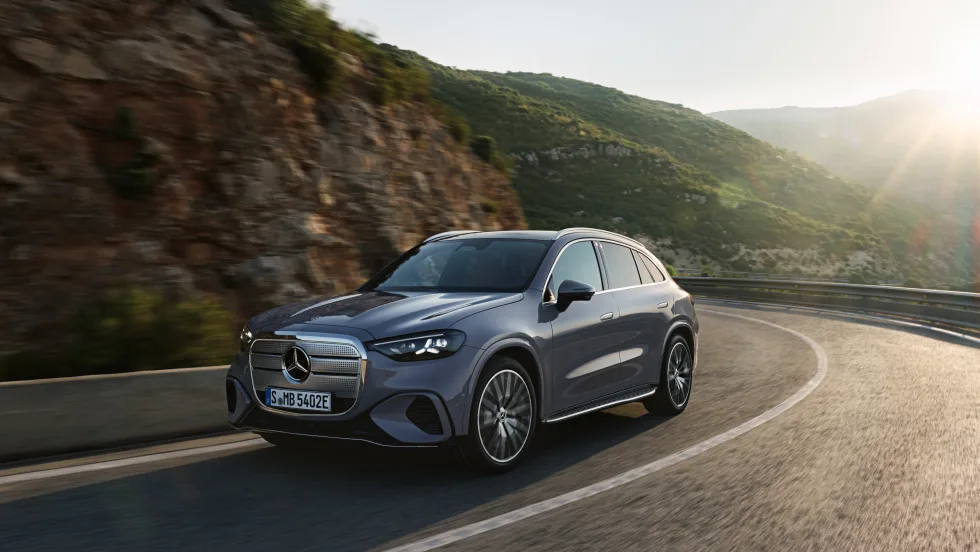
Mercedes-Benz Introduces Electric GLC With Up to 350 Miles of Range
The GLC 400 4MATIC Electric features an 800-volt architecture, 330-kW DC fast charging and a 94-kWh battery, along with Mercedes-Benz's new MB.OS operating system.
Read More →
Fleet Has a Talent Pipeline Problem, not a Talent Problem
Where will the next generation of fleet leaders come from, and what does the industry need to do differently to find them?
Read More →
Fleet Hacks: What Are You Still Doing Manually?
From daily recaps to repeatable workflows, fleet professionals share how AI can cut through busywork while keeping human judgment at the center.
Read More →
How One Fleet Manager Put a New Spin on Safety Training
Joe Lewis turned a pre-trip inspection lesson into an AI-assisted song, then four safety albums. The experiment also revealed why human oversight matters when AI enters driver training.
Read More →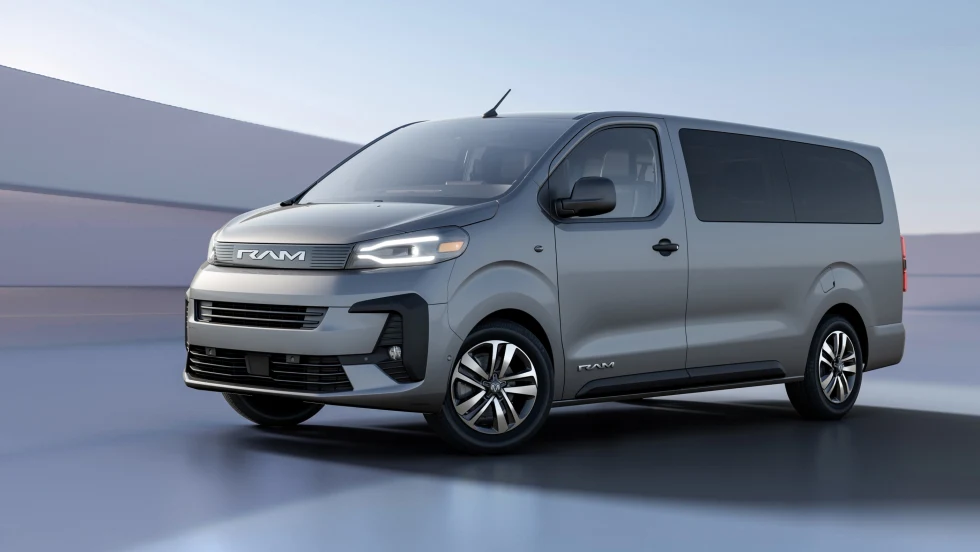
2027 Ram ProMaster City Starts Under $40K
Ram is returning to the smaller commercial van market with a new ProMaster City aimed at delivery, service, trade, and passenger applications. Starting at $39,995 with destination, the 2027 van offers up to 2,000 pounds of towing capacity, more than 2,000 pounds of payload, and multiple cargo and passenger configurations.
Read More →
New Tariff Threats & a Leadership Change at Wheels | AF News Recap
A new tariff threat is creating more uncertainty for fleet ordering, Wheels has named a new president, and we’re asking whether certification is really worth the investment.
Read More →
Certification: What’s in It for the Fleet Manager?
From smarter fleet decisions to stronger career credibility, certification can give fleet managers knowledge they may never gain inside a single operation.
Read More →
Wheels Names Matthew Cole President
Cole brings more than 30 years of automotive and technology experience to the fleet management company, including leadership roles at Aptiv, Visteon and Johnson Controls.
Read More →
AI is changing what fleet managers can build & 849,000 vehicles recalled | AF News Recap
Fleet managers are learning how to build their own AI-powered tools, Stellantis is recalling nearly 849,000 vehicles, and this year’s Fleet Manager of the Year finalists have been revealed. Additionally, we’re examining how to identify repairs that warrant a second look. Here’s what you need to know this week.
Read More →