




When Charger Downtime Becomes a Fleet Availability Problem
As EV deployments move beyond pilot programs, charger reliability can directly affect vehicle readiness, driver productivity and route scheduling.

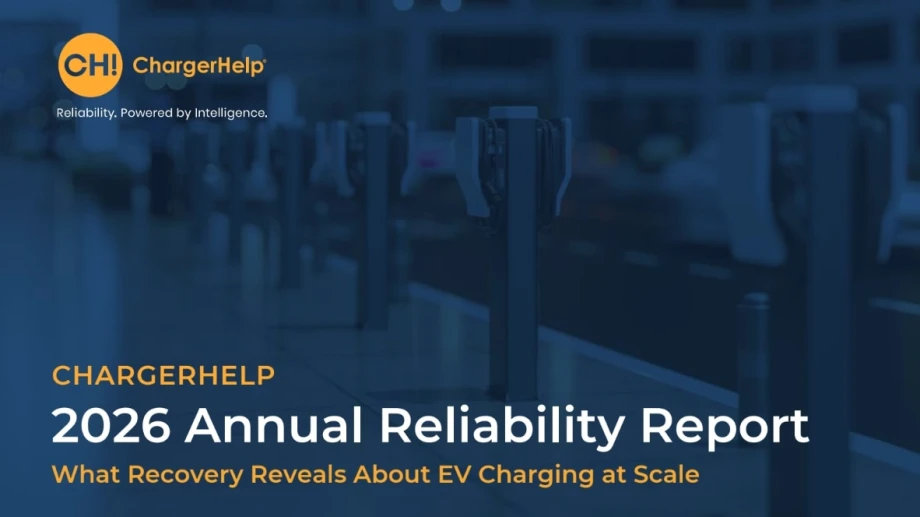
As fleets expand EV deployments, charger uptime can directly affect vehicle availability, route scheduling and driver productivity, making charging reliability an operational fleet metric rather than solely an infrastructure concern.
ChargerHelp
- Charger reliability is essential as Electric Vehicle (EV) deployments expand beyond initial pilot stages.
- Vehicle readiness, driver productivity, and schedule planning are directly impacted by charger downtime.
- Fleet availability issues arise when chargers fail to support frequent and consistent EV use.
*Summarized by AI
As electric vehicles become a larger part of commercial fleet operations, charging infrastructure is increasingly tied to a metric fleet managers already watch closely: vehicle availability.
A vehicle may be ready for service mechanically, but a charging failure can still prevent it from completing its scheduled work. That connection means charger uptime may need to be managed alongside traditional measures of fleet readiness rather than solely as a facilities or infrastructure concern.
“Fleet managers must treat charger uptime as a vehicle availability KPI from day one of EV deployment,” said Kameale Terry, CEO of ChargerHelp. “A fleet vehicle can be 100% mechanically sound, but if the charging station is dead, that asset is grounded and unable to complete its route.”
That becomes particularly important as fleets move from small-scale EV deployments to incorporating electric vehicles into regular operations.
“In a commercial fleet operation, charger downtime directly dictates route scheduling, driver productivity, and daily vehicle readiness,” Terry said. “As fleets transition from small pilot projects to core operations, treating charging stations as facilities equipment rather than mission-critical fleet assets creates severe operational bottlenecks. The charger and the vehicle are two connected halves of the exact same operational ecosystem.”
Look Beyond a Vendor's Uptime Percentage
That connection also changes the questions fleet managers may want to ask charging providers before expanding an EV deployment.
Charger uptime percentages alone may not tell a fleet how quickly a problem will be diagnosed and resolved once equipment goes offline.
“Fleets need to look past generic ‘99% uptime’ marketing promises and ask vendors about the actual recovery mechanics when an outage occurs,” Terry said.
Specifically, Terry recommends fleet managers ask vendors about four areas:
- Diagnostic Visibility: “How are root causes diagnosed before a technician is dispatched?”
- SLA Coverage: “Does your SLA merely measure how fast a technician arrives on-site, or does it cover total Mean Time to Resolution (MTTR) across hardware, software, and field service?”
- Cross-Vendor Escalation: “What specific protocols exist between the hardware OEM, software CMS, and service provider when a complex issue arises?”
- Data Integration: “Will our team have access to real-time telemetry and shared operational data to track recovery progress?”
Those questions become especially relevant when a charging deployment involves multiple companies responsible for hardware, software and maintenance. A service agreement covering technician response time, for example, does not necessarily indicate how long it will take to return the charger to operation if the problem requires additional diagnostics, parts or coordination.
“Understanding the end-to-end recovery framework before expanding a deployment is just as critical as selecting the charging hardware itself,” Terry said.
For fleet managers, that makes charging reliability more than an infrastructure consideration. If a charger outage can sideline an otherwise operational vehicle, charger recovery time becomes part of the fleet's overall vehicle availability equation.
More Vehicle Research
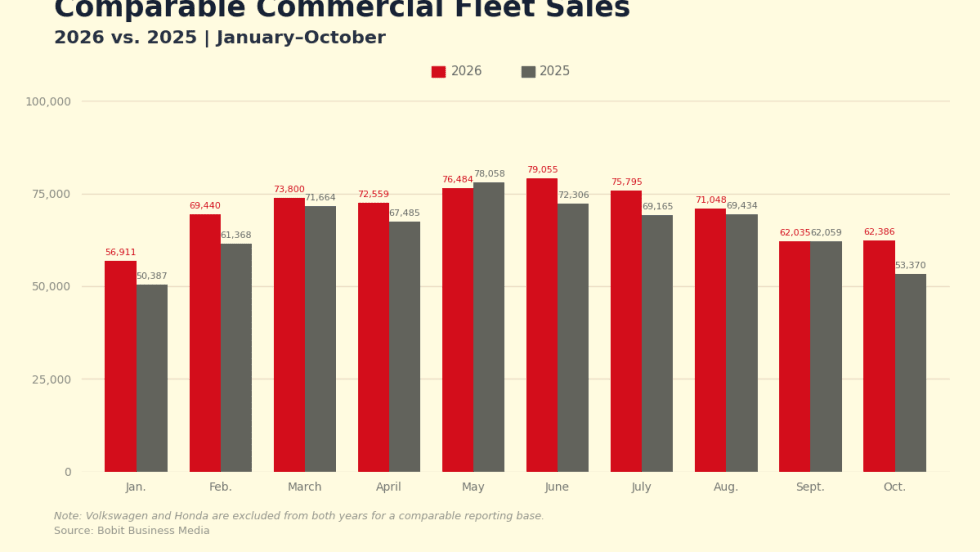
Commercial Fleet Sales Rebound 16.9% Through October
October's stronger results lifted commercial fleet sales growth to 6.7% through the first 10 months of 2026.
Read More →
Which Vehicles Earn Your Fleet’s Vote? Voting Opens for 2027 Fleet Vehicle of the Year
Which vehicles earn your fleet’s vote? Cast your ballot to unlock early access to our analysis of ownership costs across 55 vehicle nameplates.
Read More →
Crash Tests, Catalytic Converter Theft & Fleet Safety | AF News Recap
A stolen catalytic converter can cost a fleet far more than the replacement part. This week, we're exploring how to reduce theft-related risk, what fleet managers learned from live IIHS crash testing, the 2027 Jeep Compass's new safety features, and why supporting original industry reporting matters.
Read More →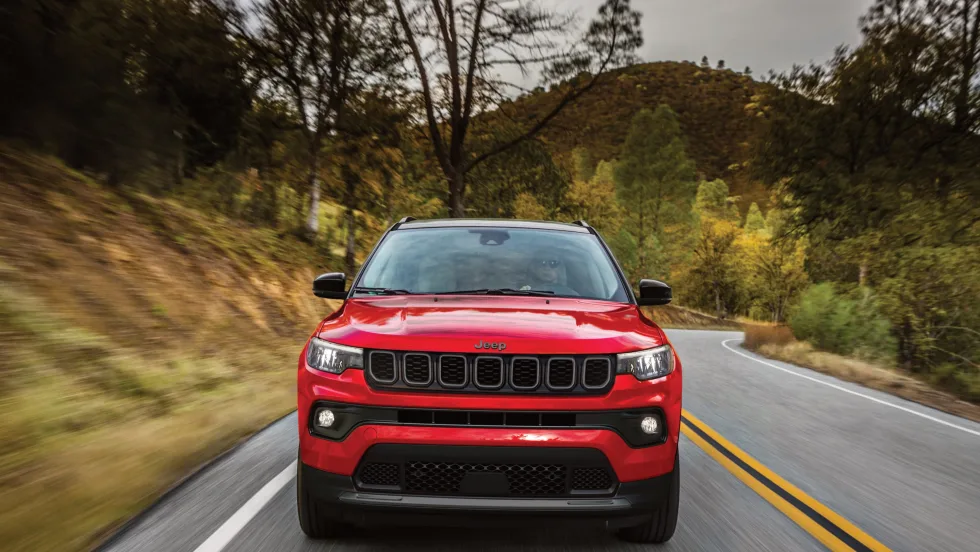
2027 Jeep Compass Adds Standard Driver-Assistance Features, Starts at $31,985
The 2027 Jeep Compass adds standard adaptive cruise control across the lineup, along with additional technology and equipment options on select trims.
Read More →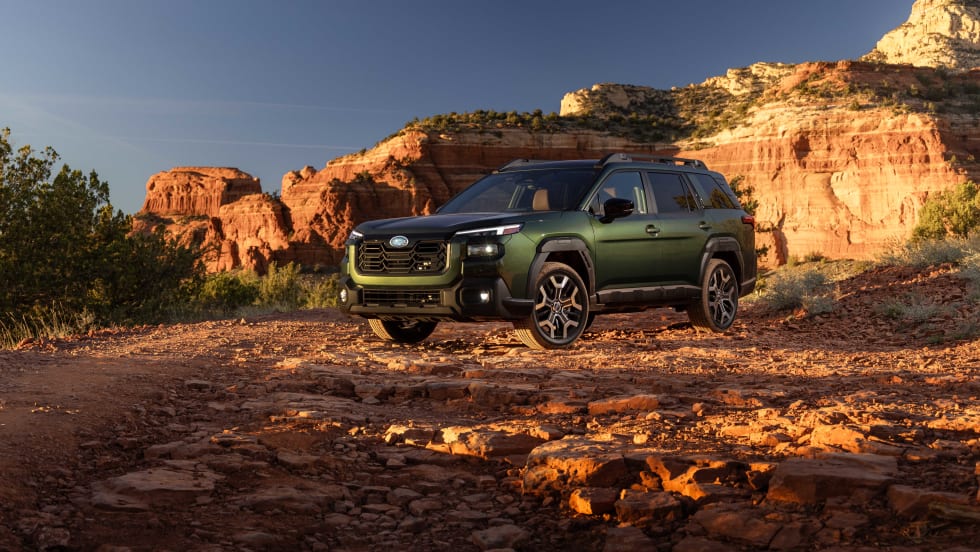
2027 Subaru Outback Adds Base Trim, Lowers Pricing Across Lineup
The 2027 Outback starts at $32,995, with price reductions on several trims and expanded availability of hands-free driver-assistance technology.
Read More →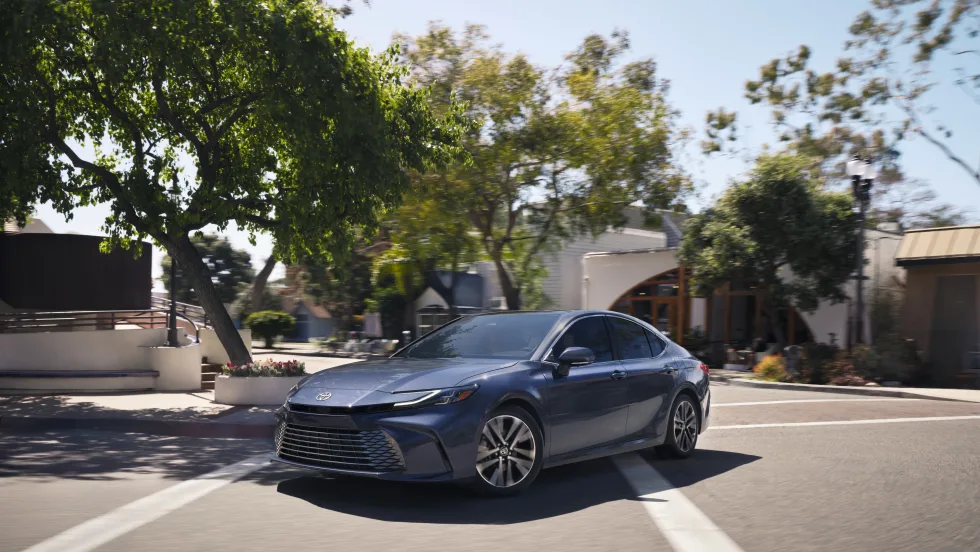
2027 Toyota Camry Offers Hybrid Powertrain Across Five Grades
The 2027 Toyota Camry is a carryover with new pricing.
Read More →
Chevrolet Updates 2027 Trax and Trailblazer with More Standard Safety Features
Chevrolet is updating two of its smallest SUVs with added driver-assistance technology, redesigned interiors, and revised trim options. The changes could add more safety equipment as standard for commercial fleets, while a new Trailblazer configuration adds another all-wheel-drive option.
Read More →
Hall of Fame Inductee: John Dmochowsky
The longtime Mondelēz International fleet executive joins the Automotive Fleet Hall of Fame.
Read More →
Hall of Fame Inductee: Lee Miller
After more than four decades at Boehringer Ingelheim, Lee Miller leaves a legacy built on fleet expertise.
Read More →
Hall of Fame Inductee: Mark F. Petersen
From managing fleets of thousands of vehicles to advancing safety and mentoring fellow professionals, Mark F. Petersen made his mark across both the corporate and supplier sides of fleet.
Read More →