




Court Upholds EPA Engine Plan; Caterpillar Unveils Layoffs
On Sept. 6, a federal court rejected a bid by two makers of heavy-duty truck engines to overturn a key part of the Environmental Protection Agency’s plan to require lower-emission engines in new trucks as of Oct. 1. Engine maker Caterpillar Inc. announced its first layoffs related to that issue on the same day.
On Sept. 6, a federal court rejected a bid by two makers of heavy-duty truck engines to overturn a key part of the Environmental Protection Agency’s plan to require lower-emission engines in new trucks as of Oct. 1. Engine maker Caterpillar Inc. announced its first layoffs related to that issue on the same day. The court upheld steep penalties that EPA has said it could levy against any engine producers failing to meet the Oct. 1 deadline, the Associated Press reported, a plan contested in court by both Caterpillar and Detroit Diesel. As truck equipment producers face sharply falling orders from truck buyers wary of the new-model engines, the court’s ruling leaves opponents of the EPA plan hoping for a last-minute reprieve from lawmakers in Congress. Caterpillar has said it would not have an engine this year that fully meets the EPA’s new emission standards, and therefore would be subject to penalties on any new-model "bridging" engines it produces. Detroit Diesel, whose parent company DaimlerChrysler also owns truck builder Freightliner, recently submitted for EPA certification an engine it says would comply with the tougher Oct. 1 standards, and is awaiting approval. Cummins Inc. and Mack have received EPA certification for engines they will offer to meet the Oct. 1 rules. Detroit Diesel had already said it would have to lay off some workers because of falling demand for new truck engines. Bloomberg News reported that Caterpillar on Sept. 6 said it would lay off about 470 fulltime workers and cut another 290 temporary jobs at two Illinois plants making heavy-duty engines, and said more cuts may be needed in the fourth quarter. Some heavy-duty truck makers have also an-nounced cuts, including Navistar International and Paccar’s Peterbilt and Kenworth units. Freight-liner officials have said they expect to avoid fourth-quarter layoffs but were concerned about the risks for first-quarter 2003. Opponents of the Oct. 1 deadline, including dozens in Congress led by House Speaker Dennis Hastert, had lobbied the Bush administration to overturn EPA’s fine schedule. They warned that widespread layoffs were likely this fall, since trucking firms had heavily bought used trucks and pre-Oct. 1 new trucks, and were not placing many orders for the new-technology engines that fleets had not been able to thoroughly test. The EPA’s Oct. 1 deadline stemmed from its earlier plans to impose tougher emission standards in 2004.
More Fuel

Fuel Prices Surge in September | September Fuel Update
September brought major fuel price swings, including diesel crossing $6 a gallon. Here’s how gas and diesel prices changed throughout the month, and where they stood heading into October.
Read More →
Turning Fleet Payment Data into Executive Insights
Ramel Lindsay of U.S. Bank Voyager discusses how fleets can transform payment and transaction data into actionable intelligence to reduce costs, improve oversight, and support executive decision-making.
Read More →
Why the IRS Raised Its Mileage Rate in the Middle of 2026
Fuel-price volatility drove the rare increase to 76 cents per mile, the fifth midyear adjustment since 2000.
Read More →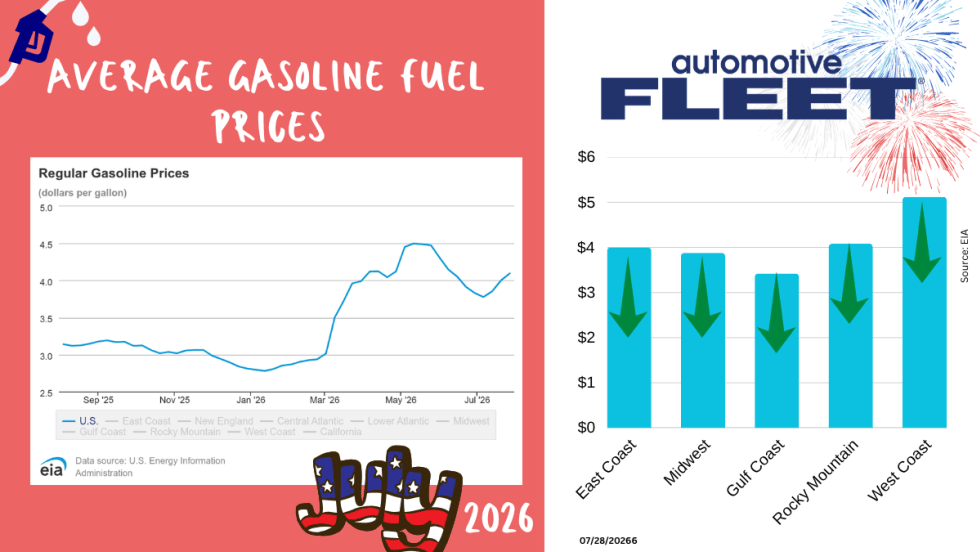
July Fuel Update: Prices Keep Rising in Light of More Conflict
Gas prices continue to rise as more and more conflicts do, too.
Read More →
Bob Adamsky on Fuel Volatility: "Don't Panic, Have a Plan."
When it comes to up and down fuel prices, Adamsky has a message for fleets: “Don’t panic.”
Read More →
How Fleets Can Gain Control of Non-Fuel Spend
Fuel often gets the spotlight, but non-fuel expenses can have a major impact on fleet costs. Ramel Lindsay of U.S. Bank Voyager discusses how fleets can gain better visibility and control over these often-overlooked expenditures.
Read More →
Fuel is Just the Start: How Middle East Tensions are Driving Up Fleet Maintenance Costs
The Middle East conflict is doing more than pushing up fuel prices. It’s also raising the cost of key maintenance products your fleet depends on, from motor oil to tires to windshield wipers. Here’s what you need to know about this budget-busting situation.
Read More →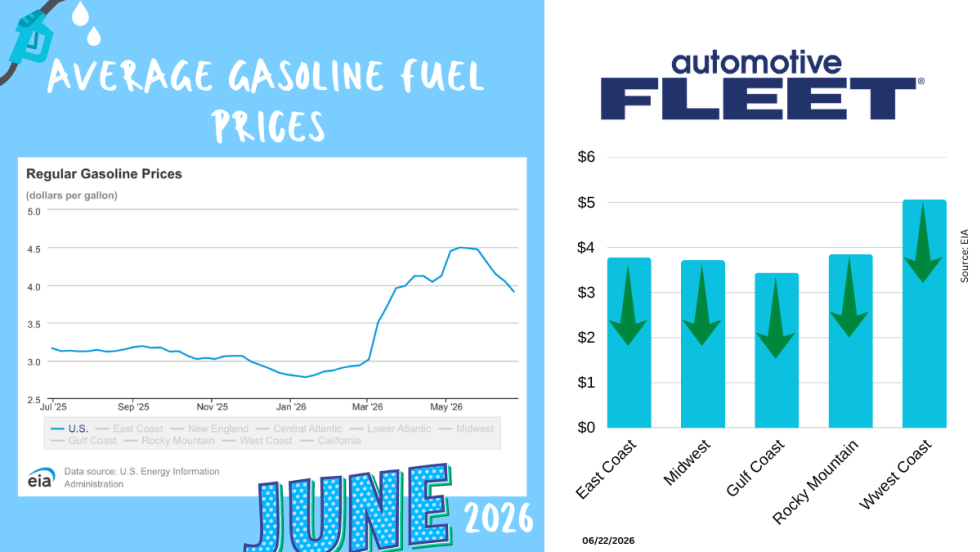
June Fuel Update: Prices Fall Below $4
Drivers are finally getting some relief at the pump. The national average gas price has dropped below $4 a gallon for the first time in months, with prices falling in 47 states as oil markets react to developments in U.S.-Iran negotiations.
Read More →
Study: How 2026's Gas Price Hikes Affect Different Vehicle Types
New data from iSeeCars reveals how rising fuel costs have affected different vehicle segments as gasoline prices climbed nearly 46% over the past four months.
Read More →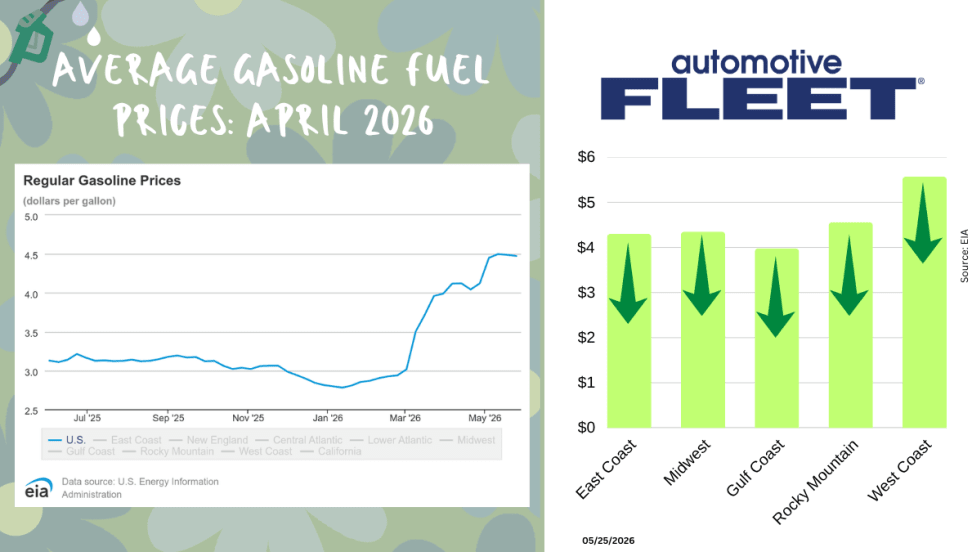
May Fuel Update: All Regions Experience Declines
Gas prices are finally easing in much of the country, but experts warn global tensions could quickly reverse the trend as the national average remains well above last month’s levels.
Read More →