




Coors Brews Ethanol from Beer Waste
Plant produces 1.5 million gallons a year of gas-substitute ethanol. Nationally, at least 83 ethanol plants are in production and more than 20 being built.
The Coors brewery in Golden, Colo. and Merrick & Co. of Aurora, Colo., use beer waste to produce 1.5 million gallons a year of the gas substitute ethanol. A second, $2.3 million ethanol-producing plant will open later this month on the site, according to an October 24 story in the Denver Post. The second plant will double ethanol production at the brewery, partly by gathering millions of gallons of spilled beer and feeding it via an underground pipeline to the processing plant. Under a 15-year agreement, Merrick leases land from Coors, buys the beer residuals from the brewer and owns the plant. The ethanol is sold under a contract with Valero Energy Corp., which distributes the ethanol to Diamond Shamrock stations. The beer waste accounts for only a fraction of the expected 4 billion gallons of ethanol sold nationwide next year, but supporters say the plan illustrates the growing demand for gasoline substitutes. Ethanol demand, already at an all-time high nationwide, has increased threefold since 1996. Demand will expand further after federal energy laws that mandate more use of alternative fuels go into effect in the near future, the Post reported. At least 7.5 billion gallons must be used in the U.S. by 2012, fueling nationwide interest in ethanol production. Nationally, at least 83 plants are currently in operation, more than 20 are being built and dozens more are in the planning stages. Opponents of ethanol argue that it costs more to produce, reduces gas mileage and isn’t economically feasible without subsidies.
More Fuel

October Fuel Trends Show Diverging Gasoline and Diesel Prices
Get the latest fuel trends from October.
Read More →
Fuel Prices Surge in September | September Fuel Update
September brought major fuel price swings, including diesel crossing $6 a gallon. Here’s how gas and diesel prices changed throughout the month, and where they stood heading into October.
Read More →
Turning Fleet Payment Data into Executive Insights
Ramel Lindsay of U.S. Bank Voyager discusses how fleets can transform payment and transaction data into actionable intelligence to reduce costs, improve oversight, and support executive decision-making.
Read More →
Why the IRS Raised Its Mileage Rate in the Middle of 2026
Fuel-price volatility drove the rare increase to 76 cents per mile, the fifth midyear adjustment since 2000.
Read More →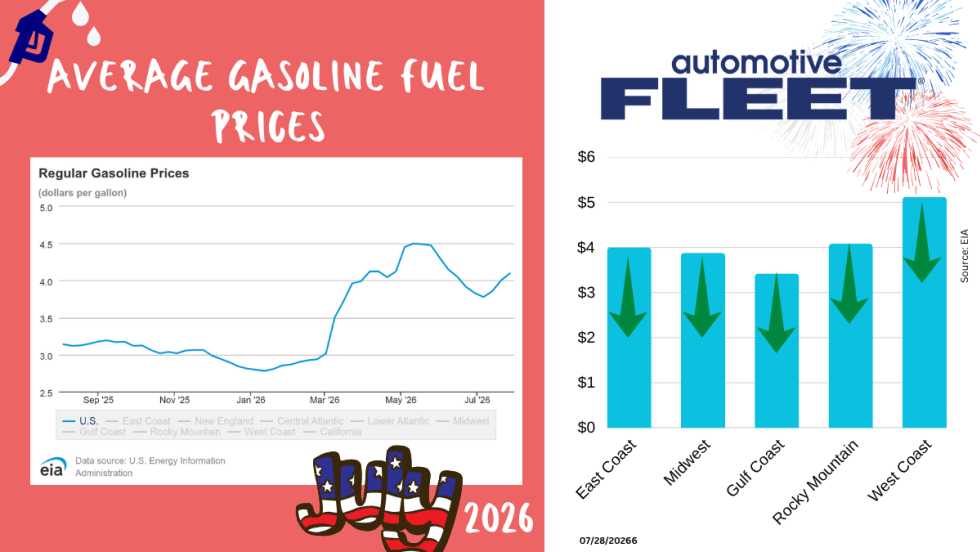
July Fuel Update: Prices Keep Rising in Light of More Conflict
Gas prices continue to rise as more and more conflicts do, too.
Read More →
Bob Adamsky on Fuel Volatility: "Don't Panic, Have a Plan."
When it comes to up and down fuel prices, Adamsky has a message for fleets: “Don’t panic.”
Read More →
How Fleets Can Gain Control of Non-Fuel Spend
Fuel often gets the spotlight, but non-fuel expenses can have a major impact on fleet costs. Ramel Lindsay of U.S. Bank Voyager discusses how fleets can gain better visibility and control over these often-overlooked expenditures.
Read More →
Fuel is Just the Start: How Middle East Tensions are Driving Up Fleet Maintenance Costs
The Middle East conflict is doing more than pushing up fuel prices. It’s also raising the cost of key maintenance products your fleet depends on, from motor oil to tires to windshield wipers. Here’s what you need to know about this budget-busting situation.
Read More →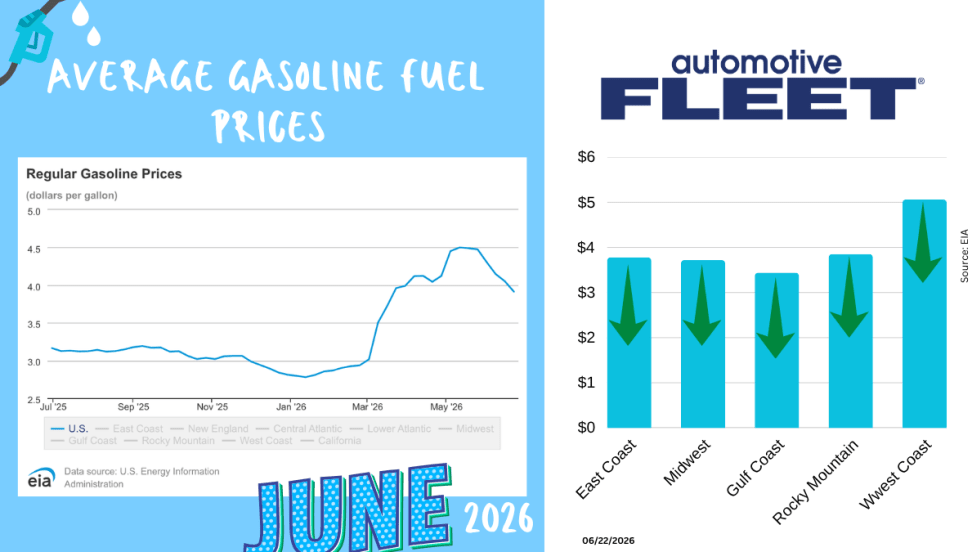
June Fuel Update: Prices Fall Below $4
Drivers are finally getting some relief at the pump. The national average gas price has dropped below $4 a gallon for the first time in months, with prices falling in 47 states as oil markets react to developments in U.S.-Iran negotiations.
Read More →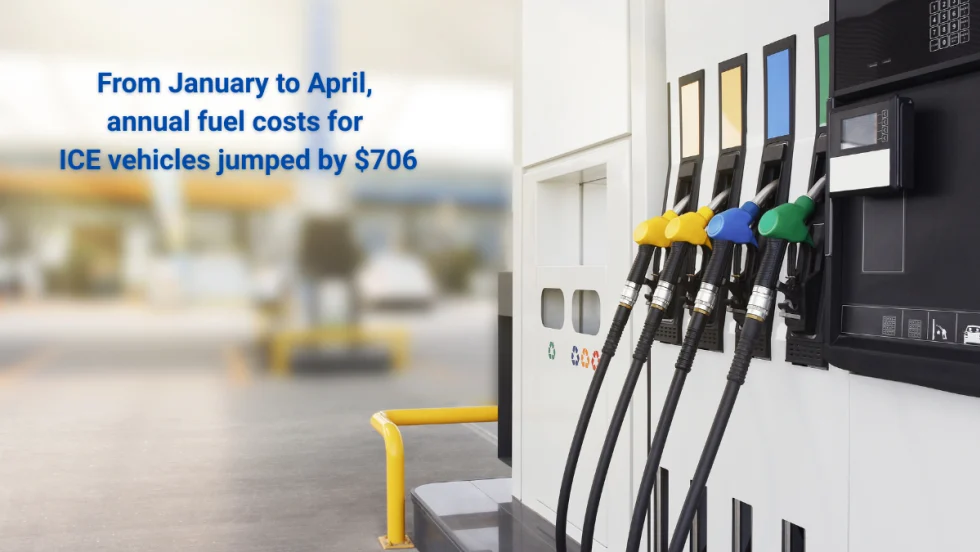
Study: How 2026's Gas Price Hikes Affect Different Vehicle Types
New data from iSeeCars reveals how rising fuel costs have affected different vehicle segments as gasoline prices climbed nearly 46% over the past four months.
Read More →