




Coalition Urges Automakers to Produce Plug-In Hybrids
WASHINGTON, D.C. --- A grassroots coalition of cities, including Los Angeles and Seattle, kicked off a nationwide campaign this week to urge automakers to accelerate development of plug-in hybrid vehicles.
WASHINGTON, D.C. --- A grassroots coalition of cities, including Los Angeles and Seattle, kicked off a nationwide campaign this week to urge automakers to accelerate development of plug-in hybrid vehicles. Plug-in hybrid electric vehicles (PHEVs) would combine today’s gas-electric hybrid technology with larger batteries that could provide an all-electric operating range of 25 to 35 miles or more, according to the Plug-In Partners Coalition. The result would be an 80-plus mile-per-gallon vehicle --- with even greater fuel economy possible using bio-fuels. Plug-ins could be recharged by plugging into a standard wall socket, delivering "electric" gallons of gas for about 75 cents a gallon at prevailing electric rates, the coalition said. The cost, reliability and weight of batteries are often cited by automotive industry experts as one of the stumbling blocks to the mass production of plug-ins. Such a vehicle could reduce gasoline consumption for the average American by 50 percent to 70 percent and reduce automobile emissions well in excess of emissions that might result from the additional use of power plants, the coalition reported. The coalition includes the cities of Austin, Baltimore, Denver, Los Angeles, San Francisco and Seattle, along with electric utilities and national policy organizations. The effort has garnered the support of such politicians as Senator Orrin Hatch (R-Utah) and Austin Mayor Will Wynn. "Plug-in hybrids represent a real near-term solution to America's over-reliance on foreign oil imports and energy prices that escalate the cost of everything and threaten the very economic life of our nation," said Austin Mayor Wynn, who pledged $1 million in city rebates to help citizens and businesses purchase the first wave of plug-ins to roll off assembly lines. "The technology exists today," Wynn said. "This campaign will demonstrate to automakers that the market is also there." Already almost a dozen cities, over 100 public power utilities, businesses and a host of national policy groups have signed on to the Plug-In Partners campaign. Austin's template calls for cities to initiate citizen petition drives and to encourage government and businesses to issue "soft" orders or expressions of interest in purchasing plug-ins. In Austin, 11,000 citizens have signed petitions calling on automakers to produce plug-ins, and soft orders for 600 plug-in vehicles have been received from government and businesses. For example, an area pest control company has pledged to buy up to 150 lightweight plug-in trucks, once they are produced. "Nothing has to be invented to produce a plug-in hybrid vehicle," said Dr. Andrew Frank, a mechanical engineering professor at the University of California at Davis and director of the UCD Hybrid Electric Research Center. "Everything needed is available: the power trains, the gasoline engines, the computer systems, electric motors and batteries." An additional component of the nationwide Plug-In Partners campaign is for electric utilities to help build a pool of funding in their own communities to provide rebates to citizens and businesses buying the first round of plug-ins. "Oil imports and the dark cloud they cast over this country requires dramatic and immediate attention," said Frank Gaffney, president of the Center for National Security Policy. "When that prolonged oil crisis occurs, Americans will pay anything because they will have no choice. Why wait until a catastrophe strikes to get truly serious about addressing the problem?" Last year, U.S. consumers purchased more than 200,000 hybrid vehicles, which have grown from two models in 2000 to 11 models today. Hybrid sales are projected to triple over the next six years, as more Americans demonstrate their desire for better fuel economy and lower emissions. According to the Electric Power Research Institute (EPRI), half the cars in the U.S. are driven just 25 miles a day or less. "A plug-in vehicle with even a 20-mile range could reduce petroleum fuel consumption by about 60 percent," said Bob Graham, manager of EPRI's Electric Transmission program. EPRI has teamed with DaimlerChrysler AG of Stuttgart, Germany, to design and build a plug-in prototype van that will be tested in a small number of American cities over the next year. The vans, which have a 20-mile all-electric range, will be outfitted with either nickel-metal hydride (NiMH) batteries or lithium ion (Li-Ion) batteries. "We have driven our fleet of over 200 electric vehicles almost 12 million miles and have had no major problems with the batteries," noted Edward Kjaer, manager of Southern California Edison's Electric Transportation Department. "The new generation of lithium-ion batteries is more powerful and lighter-weight, and with reasonable volumes should provide a price that would allow plug-in hybrid electric vehicles to be competitive." A number of leading energy efficiency and environmental organizations also point to plug-in vehicles as important to the reduction of greenhouse gas emissions that lead to global warming. Plug-In Partner Coalition members include: Alliance to Save Energy, Environmental and Energy Study Institute, Clean Air Coalition, California Cars Initiative, and the Institute for Environmental Research and Education. "Even drawing from our existing power plants, plug-in vehicles have the potential to cut a vehicle's petroleum consumption by three-fourths or more, can operate at as little as one-fourth the fuel cost, and reduce greenhouse gases by two-thirds," said Kateri Callahan, president of the Alliance to Save Energy. "As we increasingly turn to alternative technologies to improve the fuel economy of our vehicles, we will see increasing benefits to our economy, our environment, and our national security."
More Fuel

Turning Fleet Payment Data into Executive Insights
Ramel Lindsay of U.S. Bank Voyager discusses how fleets can transform payment and transaction data into actionable intelligence to reduce costs, improve oversight, and support executive decision-making.
Read More →
Why the IRS Raised Its Mileage Rate in the Middle of 2026
Fuel-price volatility drove the rare increase to 76 cents per mile, the fifth midyear adjustment since 2000.
Read More →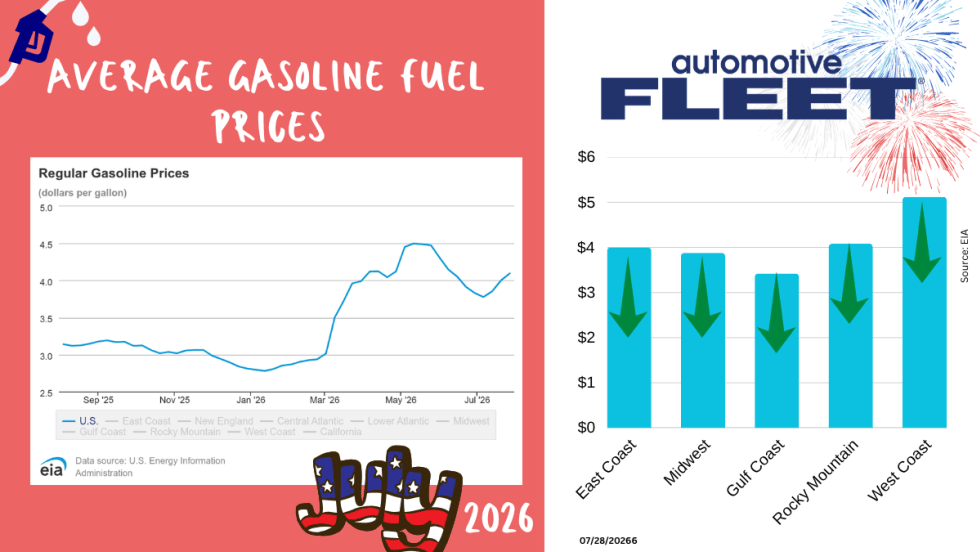
July Fuel Update: Prices Keep Rising in Light of More Conflict
Gas prices continue to rise as more and more conflicts do, too.
Read More →
Bob Adamsky on Fuel Volatility: "Don't Panic, Have a Plan."
When it comes to up and down fuel prices, Adamsky has a message for fleets: “Don’t panic.”
Read More →
How Fleets Can Gain Control of Non-Fuel Spend
Fuel often gets the spotlight, but non-fuel expenses can have a major impact on fleet costs. Ramel Lindsay of U.S. Bank Voyager discusses how fleets can gain better visibility and control over these often-overlooked expenditures.
Read More →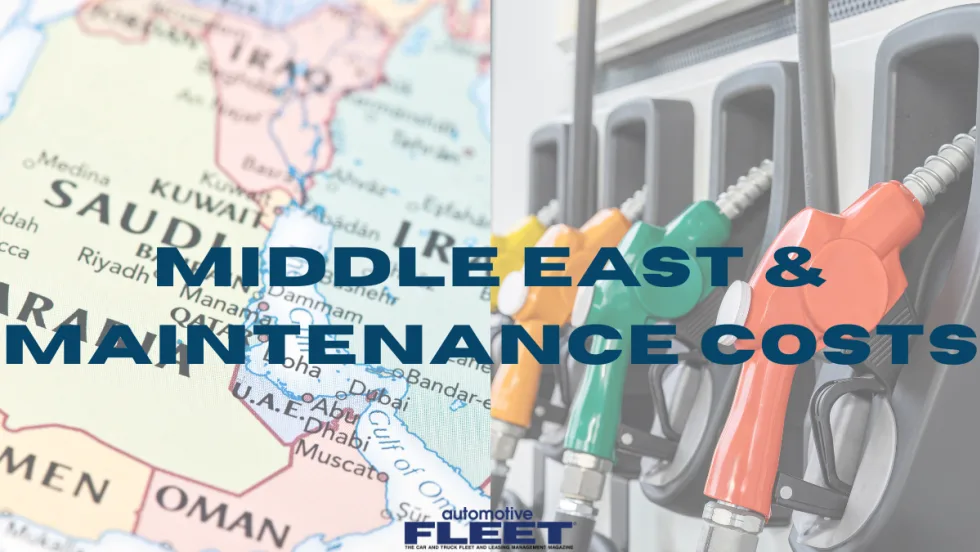
Fuel is Just the Start: How Middle East Tensions are Driving Up Fleet Maintenance Costs
The Middle East conflict is doing more than pushing up fuel prices. It’s also raising the cost of key maintenance products your fleet depends on, from motor oil to tires to windshield wipers. Here’s what you need to know about this budget-busting situation.
Read More →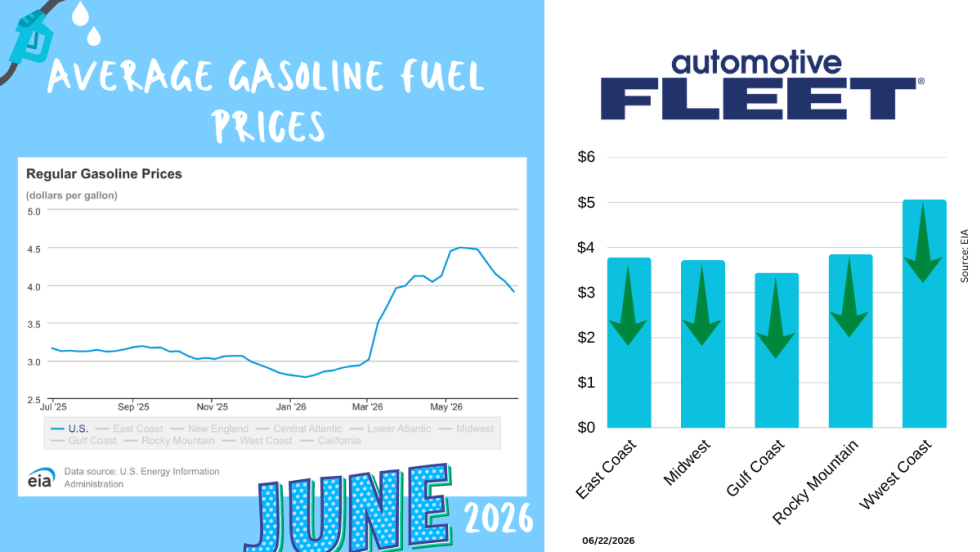
June Fuel Update: Prices Fall Below $4
Drivers are finally getting some relief at the pump. The national average gas price has dropped below $4 a gallon for the first time in months, with prices falling in 47 states as oil markets react to developments in U.S.-Iran negotiations.
Read More →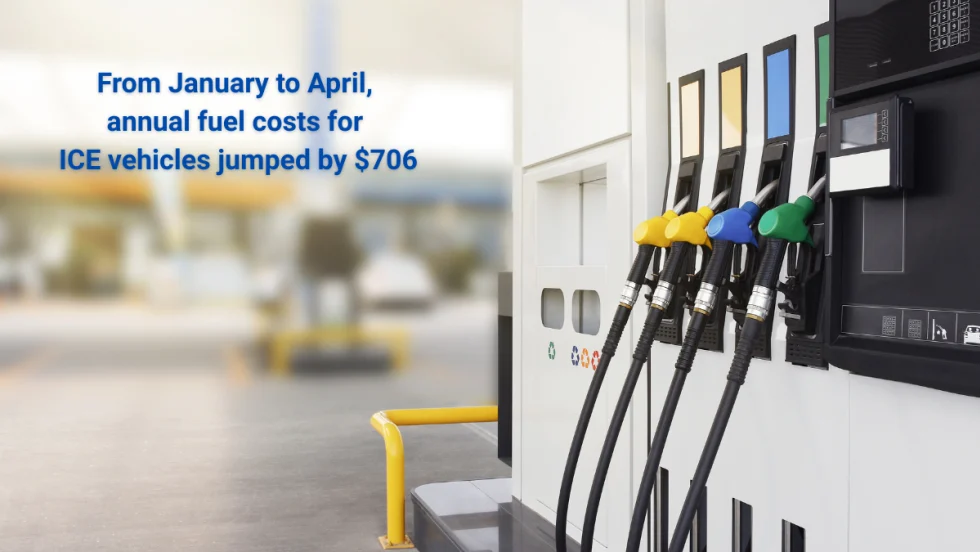
Study: How 2026's Gas Price Hikes Affect Different Vehicle Types
New data from iSeeCars reveals how rising fuel costs have affected different vehicle segments as gasoline prices climbed nearly 46% over the past four months.
Read More →
Are You Tracking Your Fleet's True Total Cost of Ownership?
Bobit Business Media surveyed 190 fleet professionals and found that while most fleets are tracking costs, fragmented systems and data gaps are keeping true TCO visibility out of reach. With rising pressure to control spend in an increasingly volatile environment, the gap between what fleets think they know and what the data actually shows is wider than you might expect. See how your peers are managing costs today and where the industry still has room to improve.
Read More →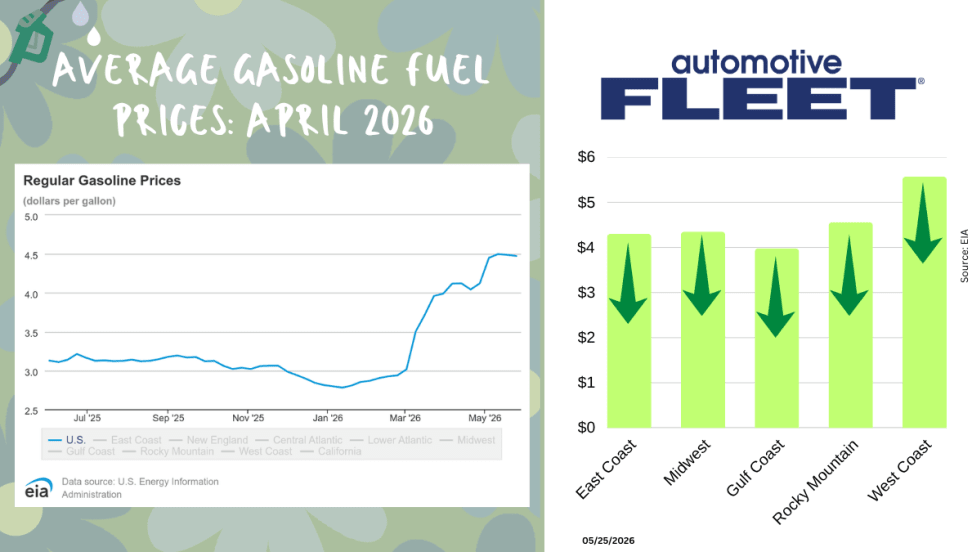
May Fuel Update: All Regions Experience Declines
Gas prices are finally easing in much of the country, but experts warn global tensions could quickly reverse the trend as the national average remains well above last month’s levels.
Read More →