




City in Ontario Recognized for Increasing Fleet Fuel Efficiency by 5 Percent
HAMILTON, Ontario, Canada --- The city of Hamilton's Public Works Department was awarded a silver rating for excellence in "greening" its vehicle fleets under a new Canadian program known as E3 Fleet.
HAMILTON, Ontario, Canada --- The city of Hamilton's Public Works Department was awarded a silver rating for excellence in "greening" its vehicle fleets under a new Canadian program known as E3 Fleet. The Fraser Basin Council, which oversees the E3 Fleet program, made the announcement. Between 2005 and 2006, Hamilton city fleets increased fuel efficiency by 5 percent for every kilometer traveled, and decreased greenhouse gas (GHG) emissions by 2 percent per kilometer. The city's E3 Fleet silver rating was based on these accomplishments and best management practices, such as the city adopting a green fleet plan, an idling reduction program, fuel data management and a green vehicle purchasing policy. "The city of Hamilton can be proud of its fleets," said Chair Charles Jago for the Fraser Basin Council, a nonprofit organization in British Columbia. "They have been quick out of the gate to meet E3 Fleet criteria and capture a silver rating. It's an impressive accomplishment, and we expect other public and private sector fleets to step up to the challenge." "The Public Works Department is extremely pleased to receive this award," said Scott Stewart, general manager of Hamilton's Public Works Department. "We take our environmental responsibility very seriously, and we hope that we can inspire other municipalities to transition their fleet to greener alternatives as well." Since transportation accounts for 40 percent of greenhouse gas emissions, the Fraser Basin Council decided to develop a review and rating program for this sector, similar to ratings that already exist for green buildings.
More Fuel

Bob Adamsky on Fuel Volatility: "Don't Panic, Have a Plan."
When it comes to up and down fuel prices, Adamsky has a message for fleets: “Don’t panic.”
Read More →
How Fleets Can Gain Control of Non-Fuel Spend
Fuel often gets the spotlight, but non-fuel expenses can have a major impact on fleet costs. Ramel Lindsay of U.S. Bank Voyager discusses how fleets can gain better visibility and control over these often-overlooked expenditures.
Read More →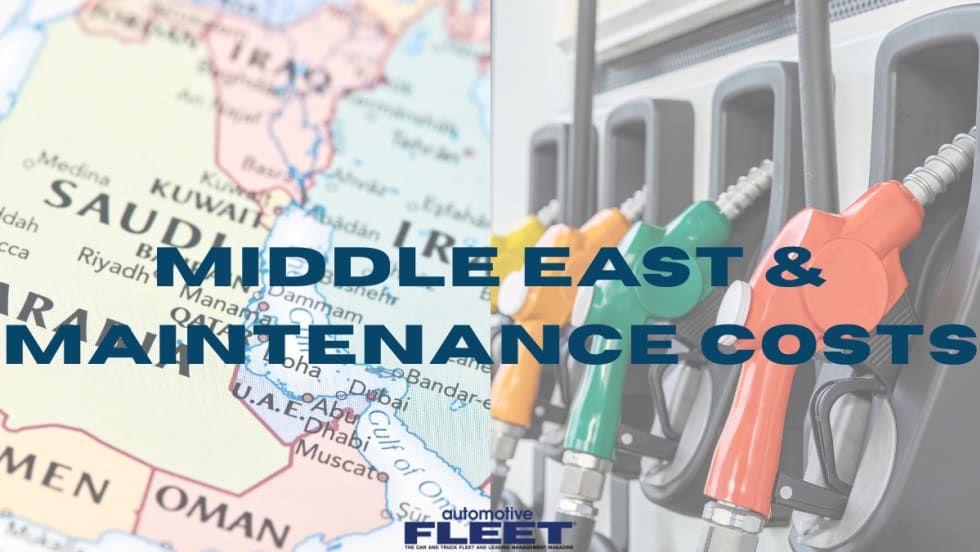
Fuel is Just the Start: How Middle East Tensions are Driving Up Fleet Maintenance Costs
The Middle East conflict is doing more than pushing up fuel prices. It’s also raising the cost of key maintenance products your fleet depends on, from motor oil to tires to windshield wipers. Here’s what you need to know about this budget-busting situation.
Read More →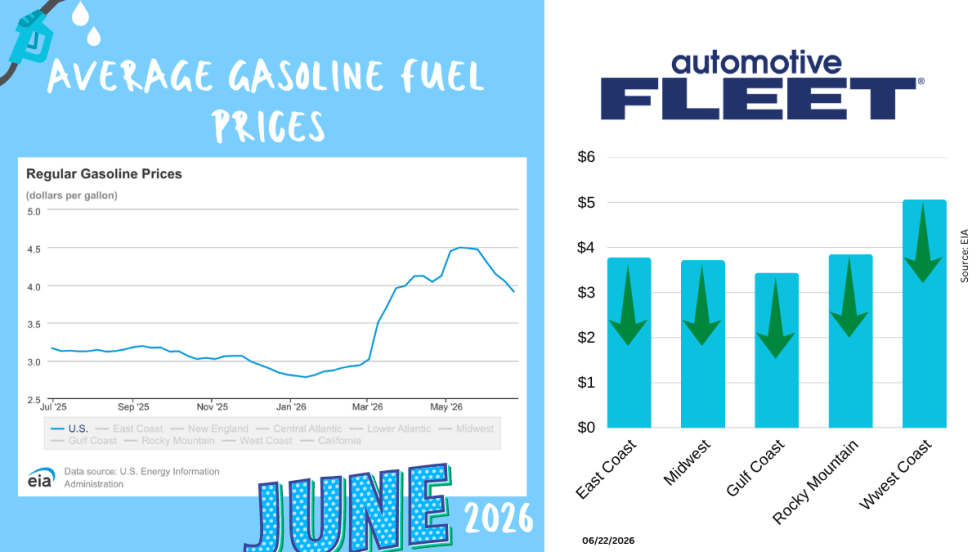
June Fuel Update: Prices Fall Below $4
Drivers are finally getting some relief at the pump. The national average gas price has dropped below $4 a gallon for the first time in months, with prices falling in 47 states as oil markets react to developments in U.S.-Iran negotiations.
Read More →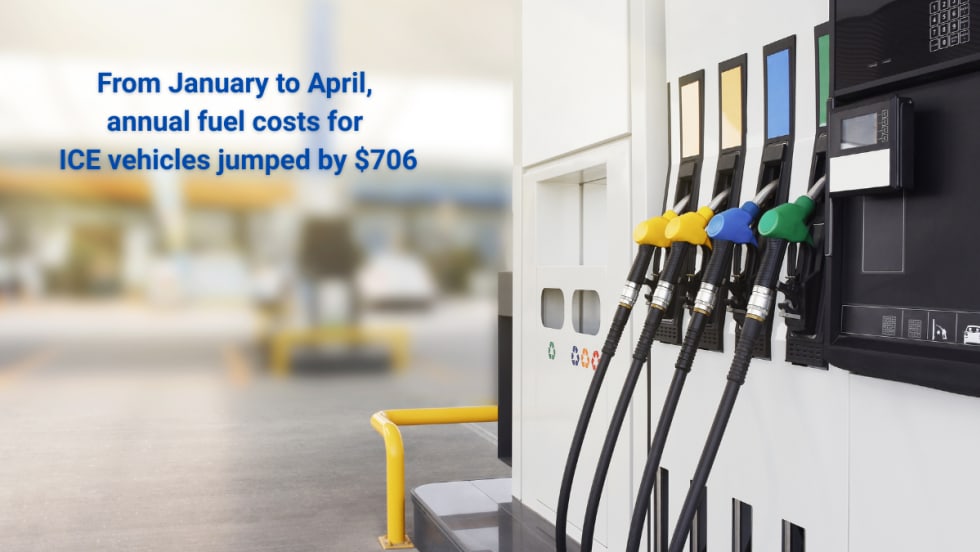
Study: How 2026's Gas Price Hikes Affect Different Vehicle Types
New data from iSeeCars reveals how rising fuel costs have affected different vehicle segments as gasoline prices climbed nearly 46% over the past four months.
Read More →
Are You Tracking Your Fleet's True Total Cost of Ownership?
Bobit Business Media surveyed 190 fleet professionals and found that while most fleets are tracking costs, fragmented systems and data gaps are keeping true TCO visibility out of reach. With rising pressure to control spend in an increasingly volatile environment, the gap between what fleets think they know and what the data actually shows is wider than you might expect. See how your peers are managing costs today and where the industry still has room to improve.
Read More →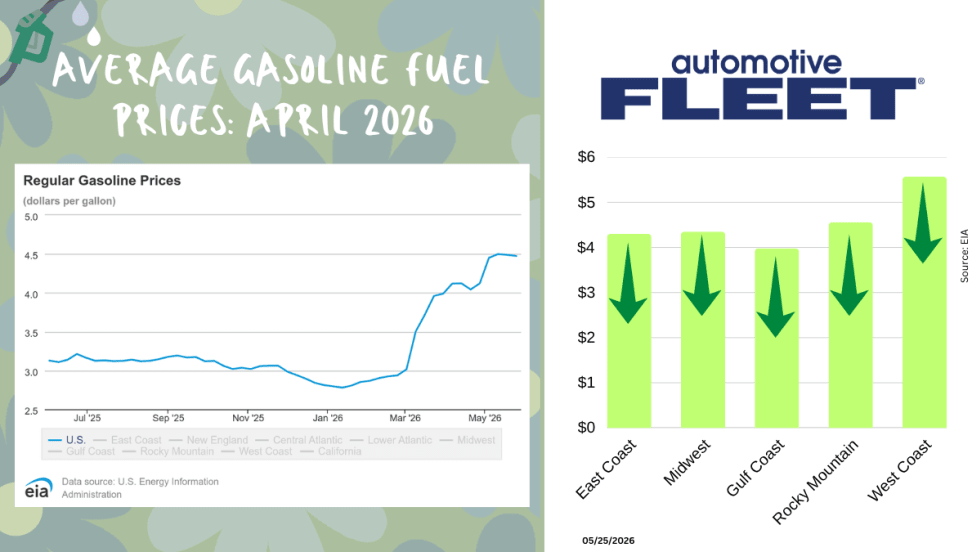
May Fuel Update: All Regions Experience Declines
Gas prices are finally easing in much of the country, but experts warn global tensions could quickly reverse the trend as the national average remains well above last month’s levels.
Read More →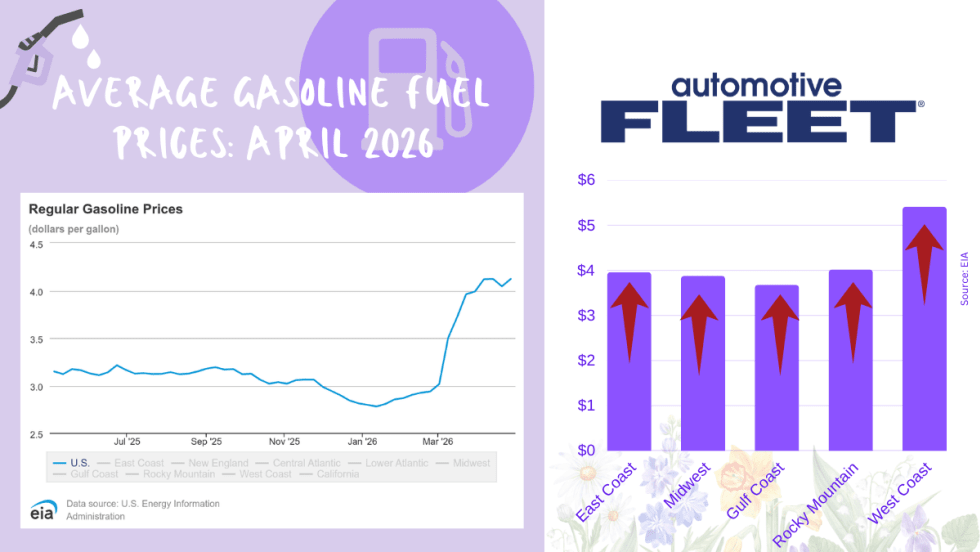
April Fuel Update: Prices Climb Above $4 as Spring Surge Accelerates
National average jumps to $4.04 per gallon, up sharply from last year, with West Coast prices topping $5 and further increases expected amid rising oil tensions.
Read More →
Tips from Fleet Managers on Saving Fuel Costs
Fleet leaders share practical strategies to reduce fuel spend through smarter policy, routing, and driver guidance.
Read More →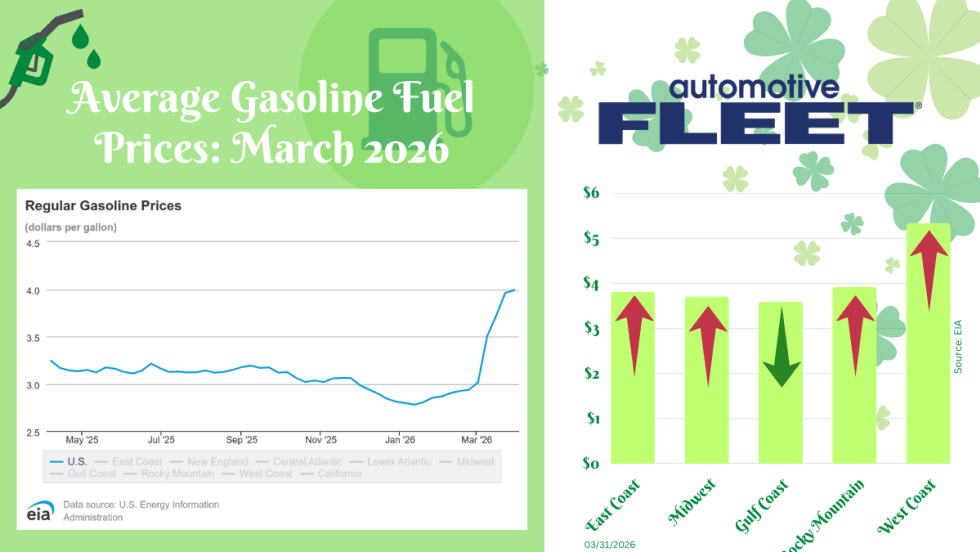
March Fuel Update: Prices Settle With a $4 Average
Fuel prices significantly slowed this week, but a $4 national average is still expected.
Read More →