




Central Hudson to Buy 8 Hybrid Trucks
POUGHKEEPSIE, NY - Central Hudson has been awarded a $700,000 stimulus grant to defray the incremental costs of four hybrid and four plug-in electric hybrid line trucks for use in daily utility operations.
POUGHKEEPSIE, NY - Central Hudson has been awarded a $700,000 grant through the American Recovery and Reinvestment Act (ARRA), to defray the incremental costs of four hybrid and four plug-in electric hybrid line trucks for use in daily utility operations.
The eight heavy-duty hybrid vehicles combined will save an estimated 12,000 gallons of diesel fuel each year, more than 260,000 lbs. in CO2 emissions, and about $40,000 per year in operating costs, according to the company. The award is administered through the New York State Research and Development Authority (NYSERDA), and New York City and Lower Hudson Valley Clean Communities.
"These trucks are being purchased as part of our normal vehicle replacement program, however with this funding we are able to obtain four diesel-electric hybrids and four plug-in diesel-electric hybrid models for our fleet," said Carl Meyer, president and chief operating officer. "These hybrid trucks reduce emissions and fuel use over conventional vehicles, and provide a win-win solution by protecting the environment and lowering operating costs."
The four hybrid diesel-electric line trucks will use regenerative braking to recharge the batteries that operate the electric motor, and will be used on assignments that require higher levels of driving distances to take advantage of this feature.
The batteries for the four plug-in hybrid diesel-electric line trucks can be recharged through regenerative braking, but also by an AC outlet, and will use this plug-in feature to ensure a full charge at assignments with less travel and which are more stationary in nature. "Recharging batteries from the electric grid reduces greenhouse gas emissions by 70 percent compared with using diesel or gasoline engines, at an average fuel cost of less than $1.00 per equivalent gallon," said Meyer.
All eight trucks will be equipped with advanced lithium-ion batteries. By using a combination of electricity and diesel fuel to power the vehicles, the hybrids are projected to reduce greenhouse gas emissions by about 40 percent over conventional vehicles using diesel fuel alone.
Since 2006 and during most months of the year, Central Hudson uses B20 biodiesel fuel for its fleet, a blend of 80 percent petroleum diesel and 20 percent soybean oil. "Biodiesel fuel reduces emissions, lowers our petroleum dependence, and provides better lubricity for diesel engines," said Meyer. "These heavy-duty hybrid trucks will allow our use of two alternative fuels at the same time, electricity and biodiesel, providing the operating experience and information we can use in evaluating future vehicle purchases." Deliveries of the first four hybrid vehicles are expected in late 2010.
The Department of Energy Clean Cities Petroleum Reduction Technologies Projects obtained $300 million through the ARRA, and released more than $13 million to NYSERDA's Statewide Alternative Fuel Vehicle Program on behalf of the Clean Cities Coalitions in New York. As part of the grant program, vehicle performance data will be collected and shared with NYSERDA.
More Fuel

Fuel Prices Surge in September | September Fuel Update
September brought major fuel price swings, including diesel crossing $6 a gallon. Here’s how gas and diesel prices changed throughout the month, and where they stood heading into October.
Read More →
Turning Fleet Payment Data into Executive Insights
Ramel Lindsay of U.S. Bank Voyager discusses how fleets can transform payment and transaction data into actionable intelligence to reduce costs, improve oversight, and support executive decision-making.
Read More →
Why the IRS Raised Its Mileage Rate in the Middle of 2026
Fuel-price volatility drove the rare increase to 76 cents per mile, the fifth midyear adjustment since 2000.
Read More →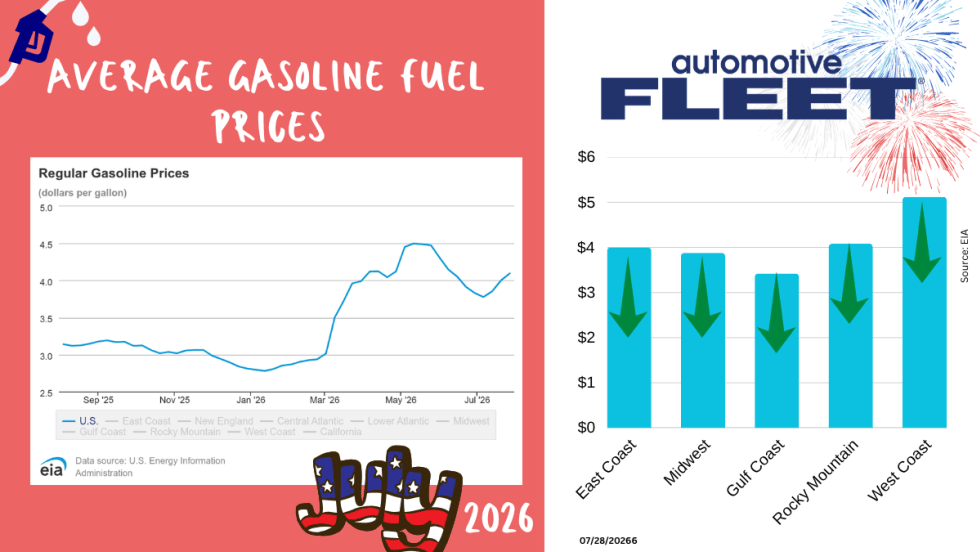
July Fuel Update: Prices Keep Rising in Light of More Conflict
Gas prices continue to rise as more and more conflicts do, too.
Read More →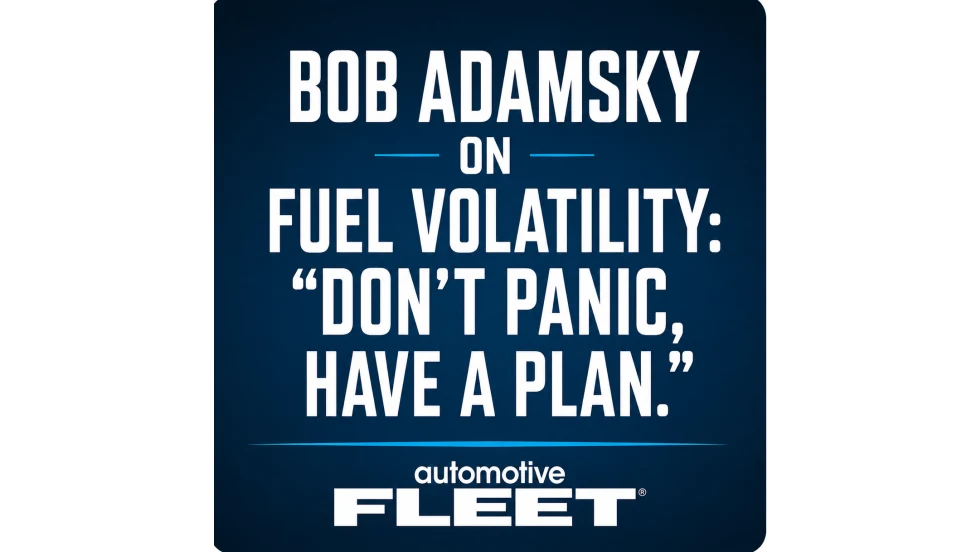
Bob Adamsky on Fuel Volatility: "Don't Panic, Have a Plan."
When it comes to up and down fuel prices, Adamsky has a message for fleets: “Don’t panic.”
Read More →
How Fleets Can Gain Control of Non-Fuel Spend
Fuel often gets the spotlight, but non-fuel expenses can have a major impact on fleet costs. Ramel Lindsay of U.S. Bank Voyager discusses how fleets can gain better visibility and control over these often-overlooked expenditures.
Read More →
Fuel is Just the Start: How Middle East Tensions are Driving Up Fleet Maintenance Costs
The Middle East conflict is doing more than pushing up fuel prices. It’s also raising the cost of key maintenance products your fleet depends on, from motor oil to tires to windshield wipers. Here’s what you need to know about this budget-busting situation.
Read More →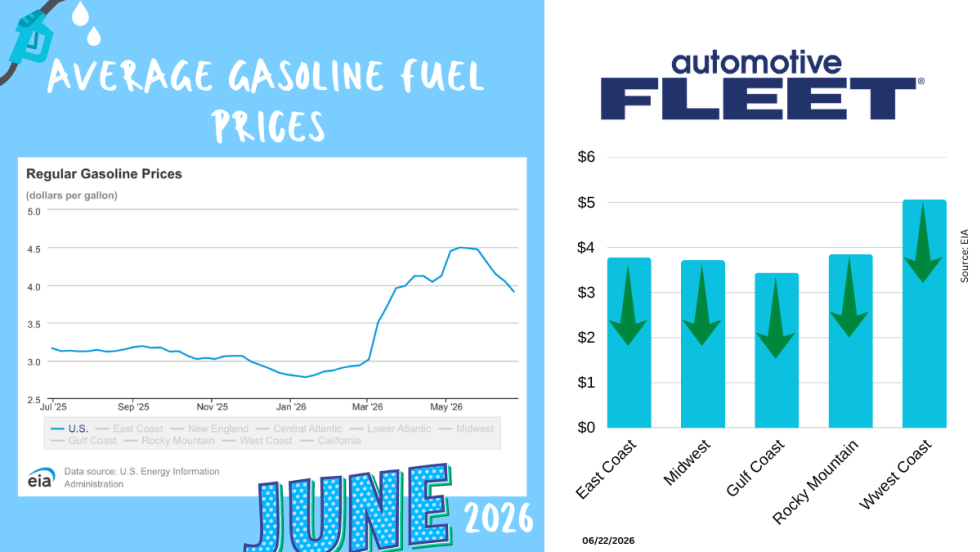
June Fuel Update: Prices Fall Below $4
Drivers are finally getting some relief at the pump. The national average gas price has dropped below $4 a gallon for the first time in months, with prices falling in 47 states as oil markets react to developments in U.S.-Iran negotiations.
Read More →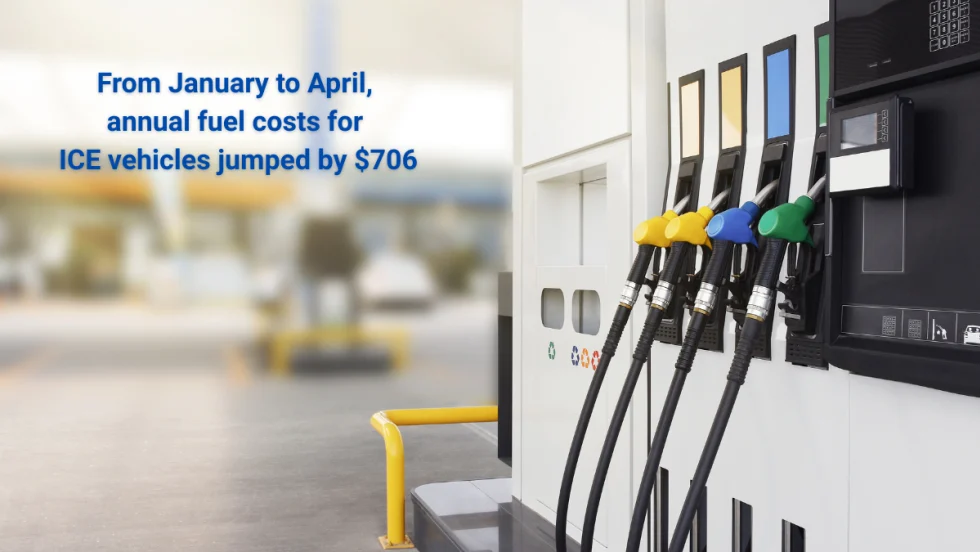
Study: How 2026's Gas Price Hikes Affect Different Vehicle Types
New data from iSeeCars reveals how rising fuel costs have affected different vehicle segments as gasoline prices climbed nearly 46% over the past four months.
Read More →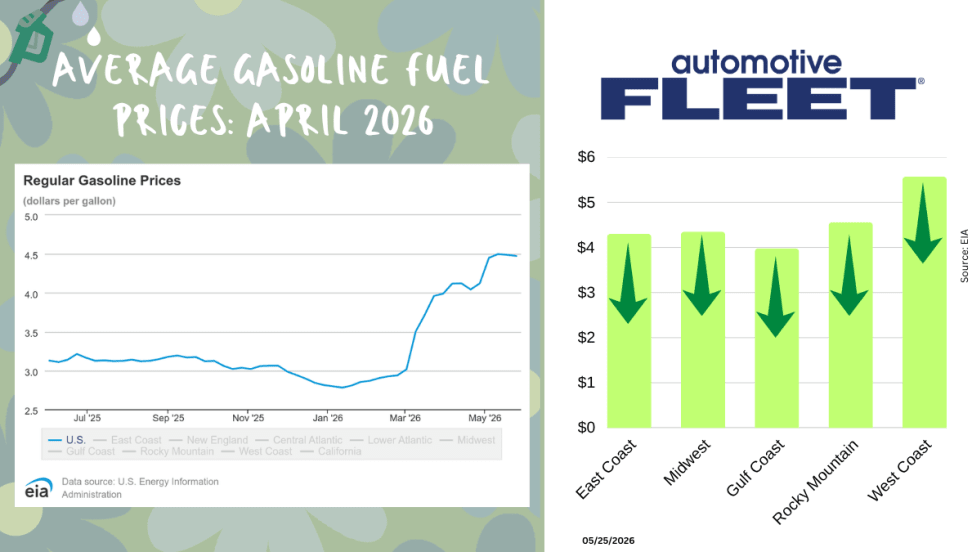
May Fuel Update: All Regions Experience Declines
Gas prices are finally easing in much of the country, but experts warn global tensions could quickly reverse the trend as the national average remains well above last month’s levels.
Read More →