




California to Cut GHG Emissions by 10 Percent by 2020
SACRAMENTO - The Air Resources Board has adopted a regulation that will implement Governor Schwarzenegger's low carbon fuel standard calling for the reduction of greenhouse gas emissions from California's transportation fuels by ten percent by 2020.
SACRAMENTO - The Air Resources Board has adopted a regulation that will implement Governor Schwarzenegger's Low Carbon Fuel Standard calling for the reduction of greenhouse gas emissions from California's transportation fuels by ten percent by 2020.
The new regulation is aimed at diversifying the variety of fuels used for transportation. It will boost the market for alternative-fuel vehicles and achieve 16 million metric tons of greenhouse gas emission reductions by 2020. ARB representatives describe the measure as the most important early-action called for under AB 32, the Global Warming Solutions Act (Nunez, 2006).
According to ARB analyses, to produce the more than 1.5 billion gallons of biofuels needed, more than 25 new biofuel facilities will have to be built.
The regulation requires providers, refiners, importers and blenders to ensure the fuels they provide for the California market meet an average declining standard of "carbon intensity." This is established by determining the sum of greenhouse gas emissions associated with the production, transportation, and consumption of a fuel, also referred to as the fuel pathway.
Economic mechanisms will allow the market to choose the most cost-effective clean fuels (those with the lowest carbon intensity) giving California consumers the widest variety of fuel options.
Seeking to enhance private sector and federal investment into alternative fuel production and distribution, California is also providing funding to assist in the early development and deployment of the most promising low-carbon fuels. The Alternative and Renewable Fuel and Vehicle Technology Program, AB 118 (Nunez, 2007), managed by the California Energy Commission, will provide approximately $120 million dollars per year over seven years to deploy the cleanest fuels and vehicles.
Regulators expect the new generation of fuels to come from the development of technology that uses algae, wood, agricultural waste such as straw, common invasive weeds such as switchgrass, and even from municipal solid waste.
The standard is also expected to drive the availability of plug-in hybrid, battery electric and fuel-cell powered cars while promoting investment in electric charging stations and hydrogen fueling stations.
Governor Schwarzenegger issued the executive order requiring a low carbon fuel standard in early 2007. It directed the state to drive down greenhouse gas emissions from the transportation sector which accounts for 40 percent of the state's total greenhouse gas emissions. The regulation is designed to increase the use of alternative fuels, replacing 20 percent of the fuel used by cars in California with clean alternative fuels by 2020, including electricity, biofuels, hydrogen and other options.
More Fuel
Fuel Prices Surge in September | September Fuel Update
September brought major fuel price swings, including diesel crossing $6 a gallon. Here’s how gas and diesel prices changed throughout the month, and where they stood heading into October.
Read More →
Turning Fleet Payment Data into Executive Insights
Ramel Lindsay of U.S. Bank Voyager discusses how fleets can transform payment and transaction data into actionable intelligence to reduce costs, improve oversight, and support executive decision-making.
Read More →
Why the IRS Raised Its Mileage Rate in the Middle of 2026
Fuel-price volatility drove the rare increase to 76 cents per mile, the fifth midyear adjustment since 2000.
Read More →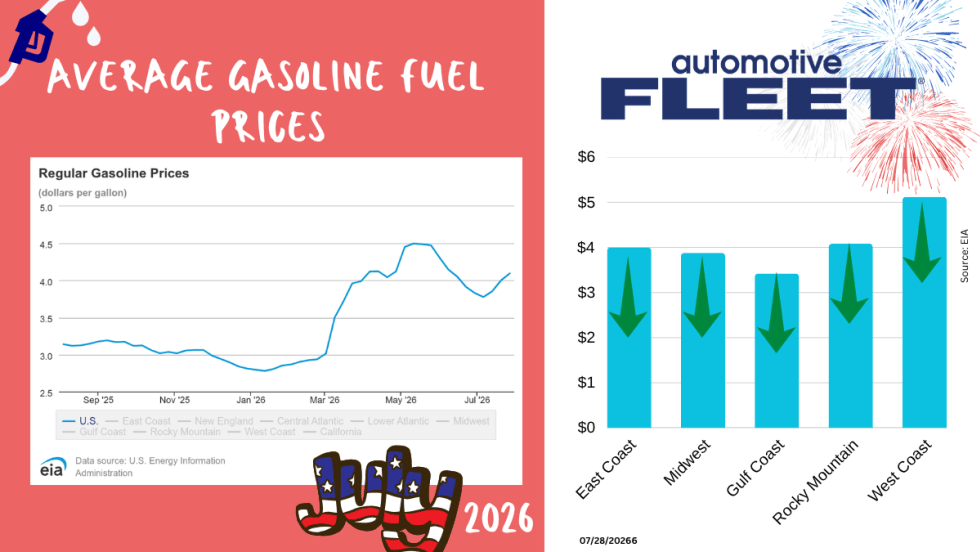
July Fuel Update: Prices Keep Rising in Light of More Conflict
Gas prices continue to rise as more and more conflicts do, too.
Read More →
Bob Adamsky on Fuel Volatility: "Don't Panic, Have a Plan."
When it comes to up and down fuel prices, Adamsky has a message for fleets: “Don’t panic.”
Read More →
How Fleets Can Gain Control of Non-Fuel Spend
Fuel often gets the spotlight, but non-fuel expenses can have a major impact on fleet costs. Ramel Lindsay of U.S. Bank Voyager discusses how fleets can gain better visibility and control over these often-overlooked expenditures.
Read More →
Fuel is Just the Start: How Middle East Tensions are Driving Up Fleet Maintenance Costs
The Middle East conflict is doing more than pushing up fuel prices. It’s also raising the cost of key maintenance products your fleet depends on, from motor oil to tires to windshield wipers. Here’s what you need to know about this budget-busting situation.
Read More →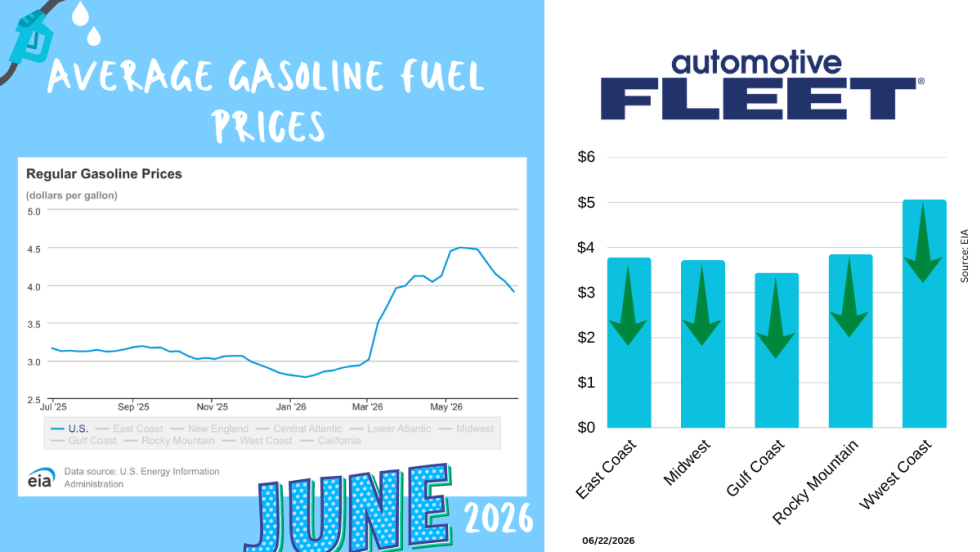
June Fuel Update: Prices Fall Below $4
Drivers are finally getting some relief at the pump. The national average gas price has dropped below $4 a gallon for the first time in months, with prices falling in 47 states as oil markets react to developments in U.S.-Iran negotiations.
Read More →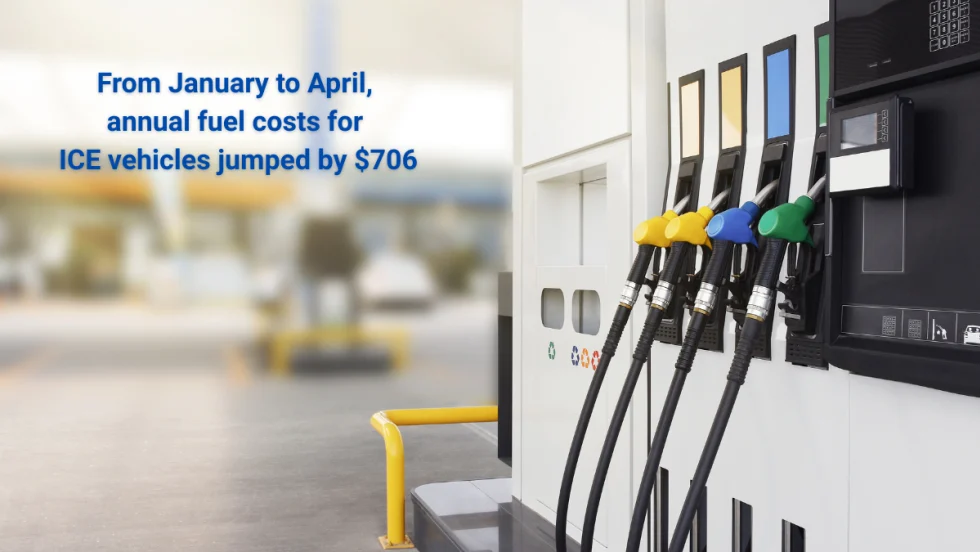
Study: How 2026's Gas Price Hikes Affect Different Vehicle Types
New data from iSeeCars reveals how rising fuel costs have affected different vehicle segments as gasoline prices climbed nearly 46% over the past four months.
Read More →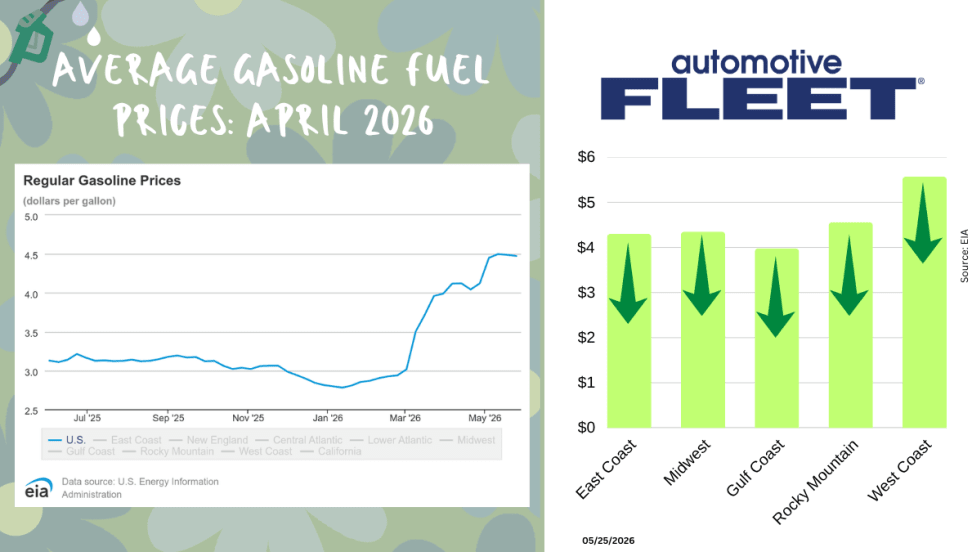
May Fuel Update: All Regions Experience Declines
Gas prices are finally easing in much of the country, but experts warn global tensions could quickly reverse the trend as the national average remains well above last month’s levels.
Read More →