




Related: Only Fuel Tax Hike Can Deliver on Infrastructure Promise, ATRI Says
California Looks into Per-Mile Tax to Replace Fuel Levy
The state of California commissioned a report by CalTrans to look into the viability of a mileage-based tax on all vehicles to eventually replace the tax on fossil fuels.
by Staff
December 11, 2017
The state of California uses fuel taxes to pay for infrastructure improvement and repair – but could change that. Photo via CalTrans
3 min to read

The state of California uses fuel taxes to pay for infrastructure improvement and repair – but could change that. Photo via CalTrans
The state of California commissioned a report by CalTrans to look into the viability of a mileage-based tax on all vehicles to eventually replace the tax on fossil fuels.
Earlier this year, the state passed its first fuel tax increase since 1994 to pay for the state's infrastructure costs. The measure added 12 cents in tax per gallon to gasoline and 20 cents on a gallon of diesel fuel.
Despite the increased revenue expected from updating the fuel tax, the state is already looking at a tax that is based on mileage instead of gallons, in order to counteract the drop in fuel taxes from increasingly efficient conventional and alternative-powered vehicles. While the new increase should be more than capable of funding the state’s infrastructure costs for now, a recently released report from CalTrans shows that a gas tax will not be able to keep up in the future.
“When initially instituted, the gas tax methodology was an equitable revenue system, generally due to vehicles having comparable fuel consumption rates,” the report states. “However, as more fuel-efficient vehicles are entering the California fleet, the gas tax limitations have become more apparent.”
The study looked at data over a nine-month period from more than 5,000 vehicles ranging from passenger through heavy-duty commercial vehicles. Using a variety of manual and automated methods for tracking miles, the participants simulated the tax at a 1.8-cent-per-mile rate. The rate was based on a five-year average of the gas tax and represented a revenue-neutral option.
Overall, the report determined that a per-mile tax was a viable alternative to a gas tax or other methods. However, it acknowledged that there were issues that needed to be worked out, such as reliable methods for tracking and exchanging data and then using that information for billing. One of the points in favor of the current per-gallon fuel tax is that it can be assessed and charged at the pump, requiring no information from the vehicle.
Some methods being studied would require installing a device that communicates with a vehicle at pumps and battery chargers to confirm mileage numbers and assess a charge. For commercial vehilces, on-board devices like electronic logging devices that plug into the diagnostic port could be used for the purpose.
Joe Rajkovacz, the director of governmental affairs and communications for the Western States Trucking Association, told HDT that he participated in the pilot program so he would be able to comment intelligently to members about it. He characterized participation in the pilot as simple enough, and said he used an ECM style plug-in to allow vehicle tracking.
He was still skeptical about whether the mileage tax would have resulted in more revenue to the state than a traditional collection method. However, Rajkovacz’s take was that a vehicle mileage tax was likely the only way to fairly tax fuel-efficient or alternative-fueled vehicles.
This was a sentiment shared by 73% of the participants in the pilot program, according to the report.
“Since this state is pushing for zero/near-zero emissions mandates (elimination of fossil fuels), the reality is the fuel tax isn’t going to work to collect highway use fees from those operating alt[ernative fuels],” Rajkovacz told HDT. “Many who operate these kinds of vehicles think they are something special, and ironically kick back at the notion of paying their fair share to use highways, thinking the fact they drive zero-emissions vehicles is so noble they shouldn’t have to pay at the same level all other motorist do.”
More Fuel

Turning Fleet Payment Data into Executive Insights
Ramel Lindsay of U.S. Bank Voyager discusses how fleets can transform payment and transaction data into actionable intelligence to reduce costs, improve oversight, and support executive decision-making.
Read More →
Why the IRS Raised Its Mileage Rate in the Middle of 2026
Fuel-price volatility drove the rare increase to 76 cents per mile, the fifth midyear adjustment since 2000.
Read More →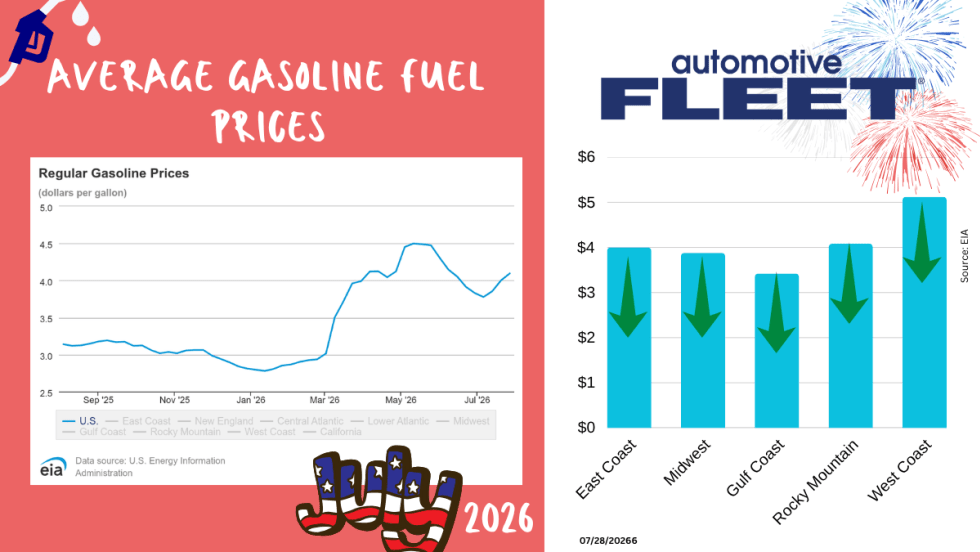
July Fuel Update: Prices Keep Rising in Light of More Conflict
Gas prices continue to rise as more and more conflicts do, too.
Read More →
Bob Adamsky on Fuel Volatility: "Don't Panic, Have a Plan."
When it comes to up and down fuel prices, Adamsky has a message for fleets: “Don’t panic.”
Read More →
How Fleets Can Gain Control of Non-Fuel Spend
Fuel often gets the spotlight, but non-fuel expenses can have a major impact on fleet costs. Ramel Lindsay of U.S. Bank Voyager discusses how fleets can gain better visibility and control over these often-overlooked expenditures.
Read More →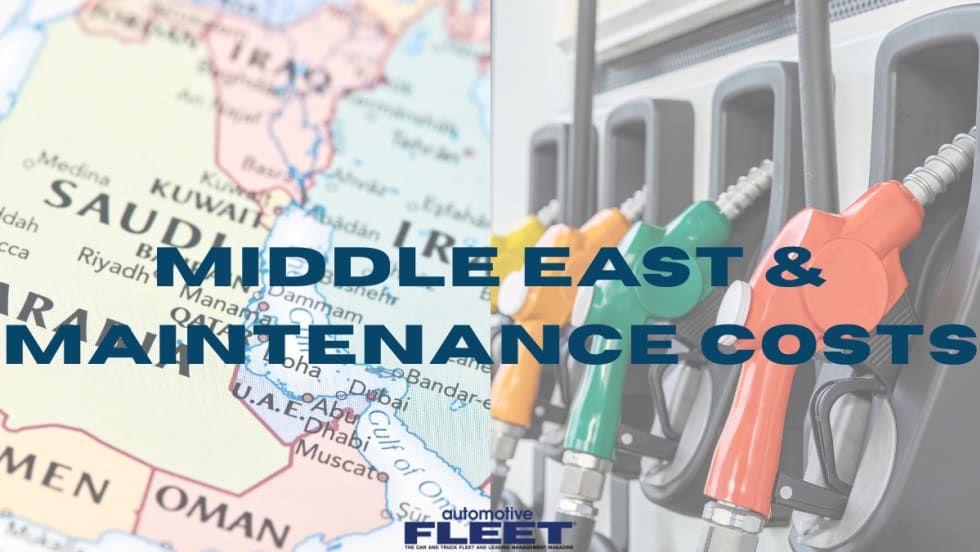
Fuel is Just the Start: How Middle East Tensions are Driving Up Fleet Maintenance Costs
The Middle East conflict is doing more than pushing up fuel prices. It’s also raising the cost of key maintenance products your fleet depends on, from motor oil to tires to windshield wipers. Here’s what you need to know about this budget-busting situation.
Read More →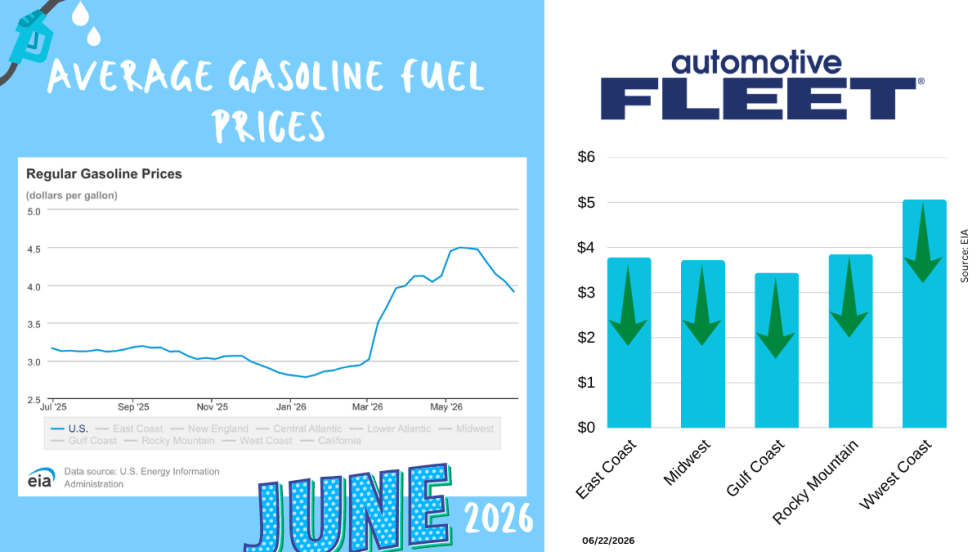
June Fuel Update: Prices Fall Below $4
Drivers are finally getting some relief at the pump. The national average gas price has dropped below $4 a gallon for the first time in months, with prices falling in 47 states as oil markets react to developments in U.S.-Iran negotiations.
Read More →
Study: How 2026's Gas Price Hikes Affect Different Vehicle Types
New data from iSeeCars reveals how rising fuel costs have affected different vehicle segments as gasoline prices climbed nearly 46% over the past four months.
Read More →
Sponsored•May 29, 2026
Are You Tracking Your Fleet's True Total Cost of Ownership?
Bobit Business Media surveyed 190 fleet professionals and found that while most fleets are tracking costs, fragmented systems and data gaps are keeping true TCO visibility out of reach. With rising pressure to control spend in an increasingly volatile environment, the gap between what fleets think they know and what the data actually shows is wider than you might expect. See how your peers are managing costs today and where the industry still has room to improve.
Read More →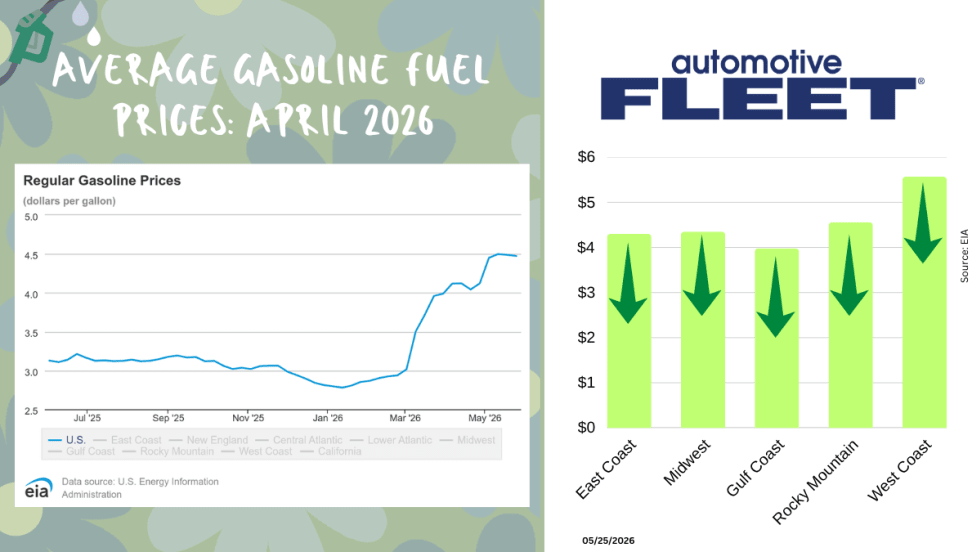
May Fuel Update: All Regions Experience Declines
Gas prices are finally easing in much of the country, but experts warn global tensions could quickly reverse the trend as the national average remains well above last month’s levels.
Read More →