




California Gas Prices Could Hit $3 Per Gallon
The conversion from MTBE to ethanol additives in California’s gasoline raises the specter of soaring pump prices next year, to as much as $3 per gallon, according to the Contra Costa Times.
The conversion from MTBE to ethanol additives in California’s gasoline raises the specter of soaring pump prices next year, to as much as $3 per gallon, according to the Contra Costa Times. California Gov. Gray Davis tried to fend off any possible gas price increase by allowing oil companies to continue to use MTBE until 2004. The delay, according to Davis, would buy time for construction of the transportation and fuel-blending facilities needed to replace MTBE with ethanol. On the other hand, the oil companies are anxious to get the conversion process over with as soon as possible, because of legal concerns, even though it will reduce the volume of gasoline available from the state’s refineries. Despite Davis’ assurances that Californians have no reason to worry, oil company officials, wary of violating antitrust laws, refuse to estimate where pump prices might go as a result of the switch. The oil industry consultant whose warnings caused Davis to extend the phaseout date three months ago said prices could jump to between $2.25-$3 per gallon by next spring. “There will be a significant increase in gasoline prices, but I hope I’m wrong,” said David Hackett. The federal Clean Air Act mandates that areas not meeting air quality standards must use MTBE or ethanol to reduce vehicle pollution. California refiners chose MTBE, which they make from petroleum, instead of buying ethanol from the Midwest. Hackett noted that among the reasons gasoline makers might want to switch to ethanol are the opportunity to avoid added exposure to environmental lawsuits, the reduction in the amount of additives they will have to handle, and the opportunity to capitalize on higher prices.
More Fuel
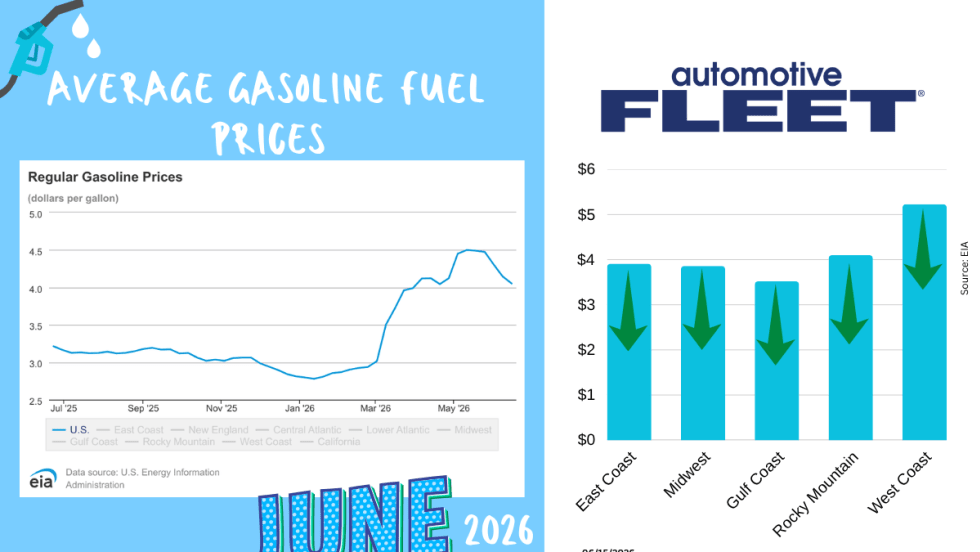
June Fuel Update: Prices Fall Below $4
Drivers are finally getting some relief at the pump. The national average gas price has dropped below $4 a gallon for the first time in months, with prices falling in 47 states as oil markets react to developments in U.S.-Iran negotiations.
Read More →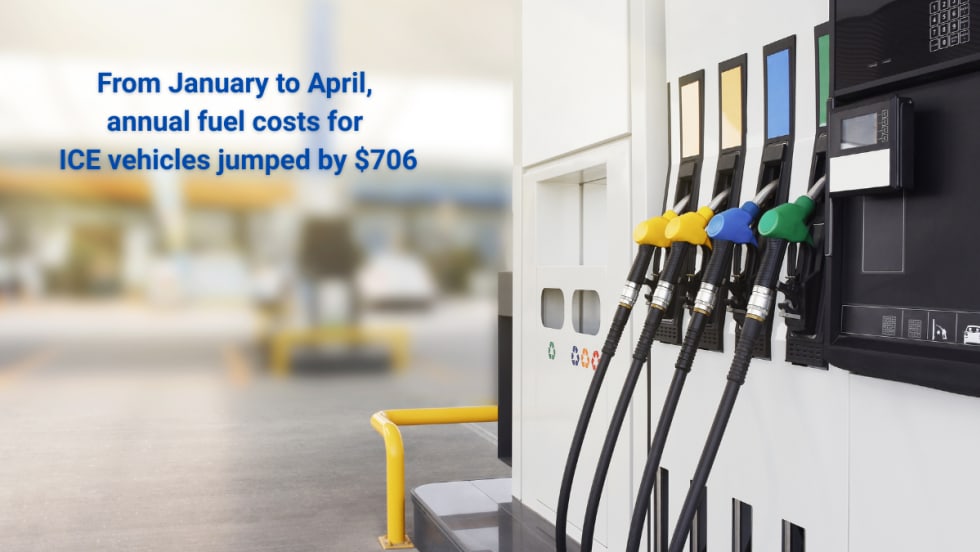
Study: How 2026's Gas Price Hikes Affect Different Vehicle Types
New data from iSeeCars reveals how rising fuel costs have affected different vehicle segments as gasoline prices climbed nearly 46% over the past four months.
Read More →
Are You Tracking Your Fleet's True Total Cost of Ownership?
Bobit Business Media surveyed 190 fleet professionals and found that while most fleets are tracking costs, fragmented systems and data gaps are keeping true TCO visibility out of reach. With rising pressure to control spend in an increasingly volatile environment, the gap between what fleets think they know and what the data actually shows is wider than you might expect. See how your peers are managing costs today and where the industry still has room to improve.
Read More →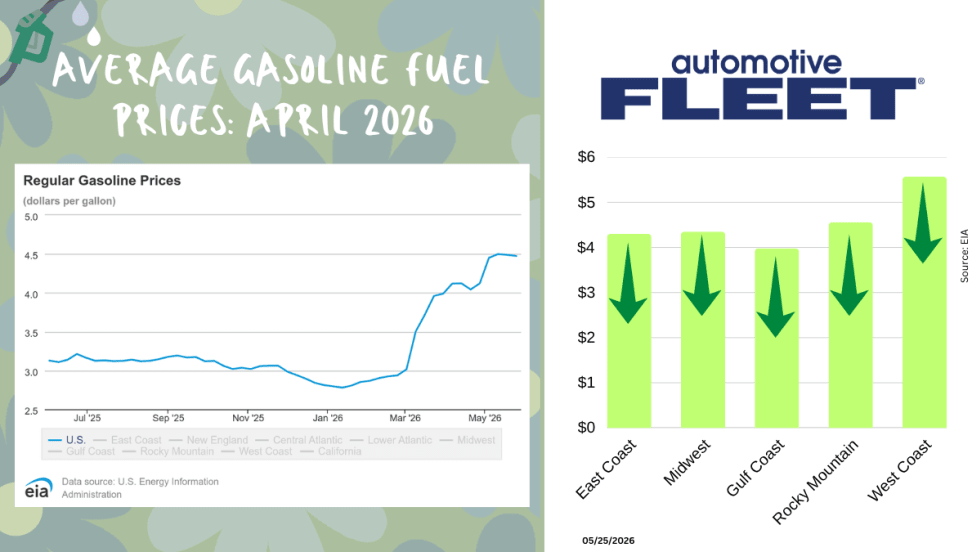
May Fuel Update: All Regions Experience Declines
Gas prices are finally easing in much of the country, but experts warn global tensions could quickly reverse the trend as the national average remains well above last month’s levels.
Read More →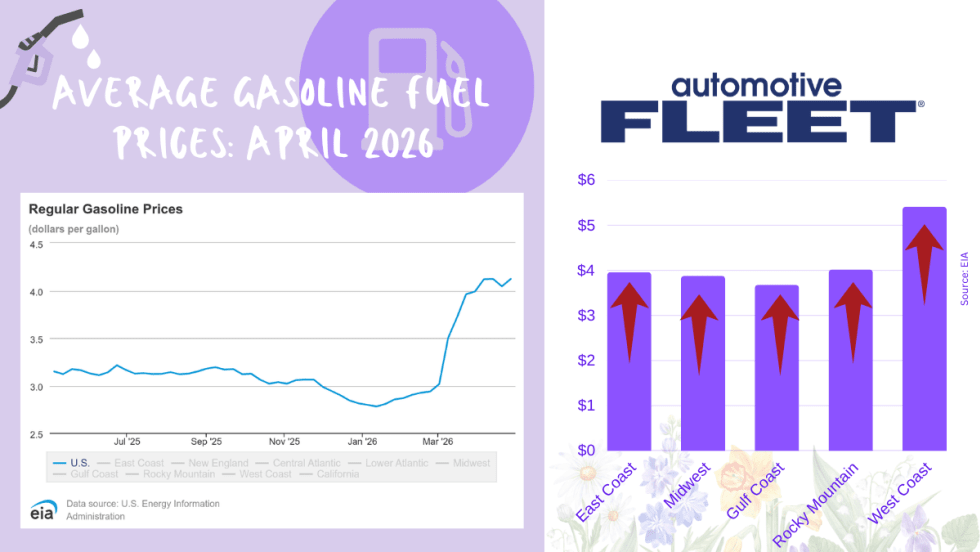
April Fuel Update: Prices Climb Above $4 as Spring Surge Accelerates
National average jumps to $4.04 per gallon, up sharply from last year, with West Coast prices topping $5 and further increases expected amid rising oil tensions.
Read More →
Tips from Fleet Managers on Saving Fuel Costs
Fleet leaders share practical strategies to reduce fuel spend through smarter policy, routing, and driver guidance.
Read More →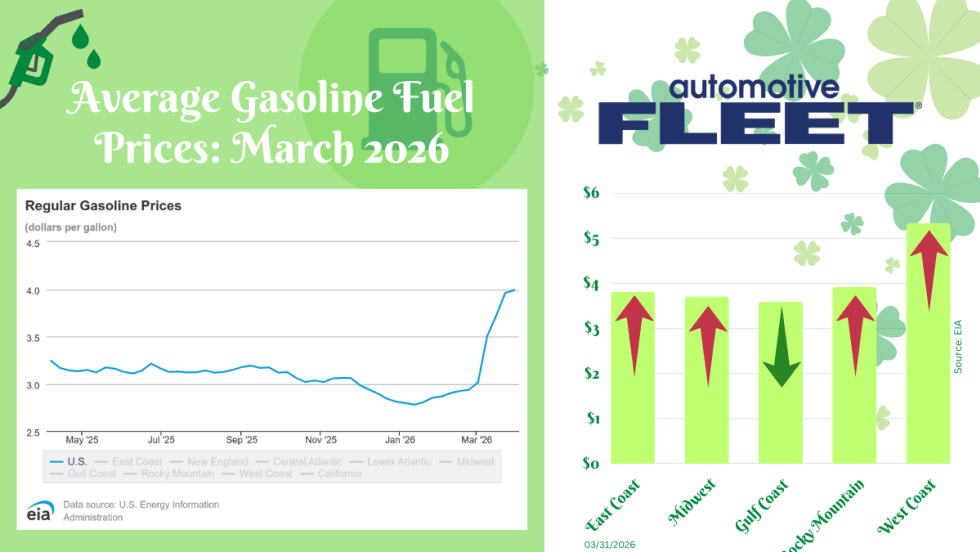
March Fuel Update: Prices Settle With a $4 Average
Fuel prices significantly slowed this week, but a $4 national average is still expected.
Read More →
Bob Adamsky on Fuel Volatility: “Don’t Panic — Have a Plan”
With oil prices rising again, AWP Safety’s fleet manager shares how to respond to rising fuel costs and how the right strategy can turn fuel spikes into cost-saving opportunities.
Read More →
Oil Market Turbulence Is Complicating Fleet Cost Planning
Rapid swings in crude oil prices driven by the conflict in the Middle East could create longer-term cost pressures for fleets, affecting fuel prices, supply chains, and vehicle strategy, says NTEA’s Andrew Wrobel.
Read More →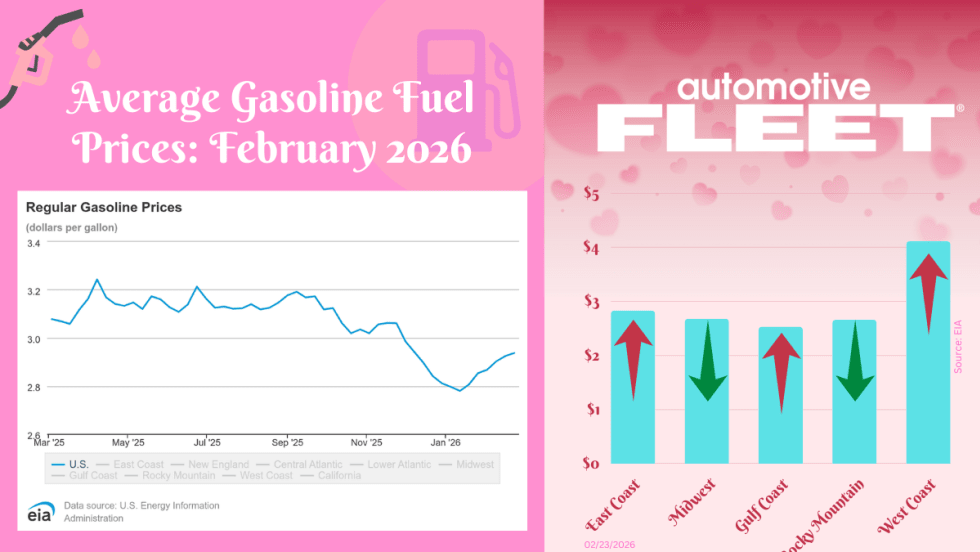
February Fuel Update: Prices Inch Higher for Third Week in a Row
The final February fuel update reveals prices continuing to inch higher for the third week in a row.
Read More →