




Calif. Air Resources Board to Vote on Truck Retrofit Funding
SACRAMENTO, Calif. --- California Air Resources Board staff members are proposing that $25 million in Proposition 1B Bond funding go to diesel emission reduction projects for the South Coast, Central Valley, San Francisco and San Diego air districts, mostly for truck retrofit and replacements.
SACRAMENTO, Calif. --- California Air Resources Board staff members are proposing that $25 million in Proposition 1B Bond funding go to diesel emission reduction projects for the South Coast, Central Valley, San Francisco and San Diego air districts, mostly for truck retrofit and replacements. These recommendations will be before the entire board for approval at a Jan. 24 hearing in Sacramento. Proposition 1B was the transportation bond put on the ballot by the state Legislature and placed before voters in November 2006. The 2007-08 Budget, signed by Gov. Arnold Schwarzenegger in August, funds the initial $250 million of the $1 billion set aside for air quality improvement projects in Proposition 1B. ARB also announced that it plans to allocate more than 75 percent of the overall $1 billion in Bond 1B funding to be used toward reducing diesel pollution from trucks associated with goods movement around the state. The remaining 24 percent of funding, $240 million, will be earmarked for diesel emission reductions from ships, harbor craft and locomotives. "This strategy puts the lion's share of the dollars where they're needed most: on trucks traveling from the state's ports and along our major transportation corridors," said ARB Chairman Mary Nichols. "Within months of passing a new regulation aimed at cleaning up port trucks we are following through with much-needed funding to help drivers retrofit and replace older, dirty engines." If approved by the board at its Jan. 24 hearing in Sacramento, ARB staff will begin allocating the funds immediately to the air districts. ARB staff is basing its proposed distribution of funds to specific air district projects using three criteria: population, the contribution of emissions from goods movement sources, and the need for new emission reductions to meet federal health standards. Staff also leaned heavily toward projects that would have benefits statewide. As a result, trucks traveling from the Los Angeles ports to the Inland Empire, highways 5 and 99 in the Central Valley, the San Francisco Bay Area, and the San Diego border region will achieve emission benefits far beyond their home of origin.
More Fuel

Bob Adamsky on Fuel Volatility: "Don't Panic, Have a Plan."
When it comes to up and down fuel prices, Adamsky has a message for fleets: “Don’t panic.”
Read More →
How Fleets Can Gain Control of Non-Fuel Spend
Fuel often gets the spotlight, but non-fuel expenses can have a major impact on fleet costs. Ramel Lindsay of U.S. Bank Voyager discusses how fleets can gain better visibility and control over these often-overlooked expenditures.
Read More →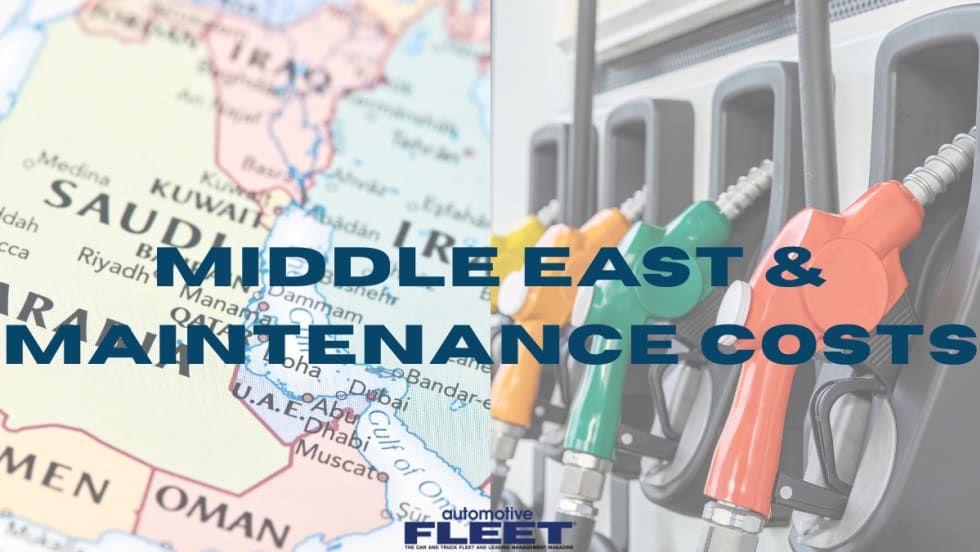
Fuel is Just the Start: How Middle East Tensions are Driving Up Fleet Maintenance Costs
The Middle East conflict is doing more than pushing up fuel prices. It’s also raising the cost of key maintenance products your fleet depends on, from motor oil to tires to windshield wipers. Here’s what you need to know about this budget-busting situation.
Read More →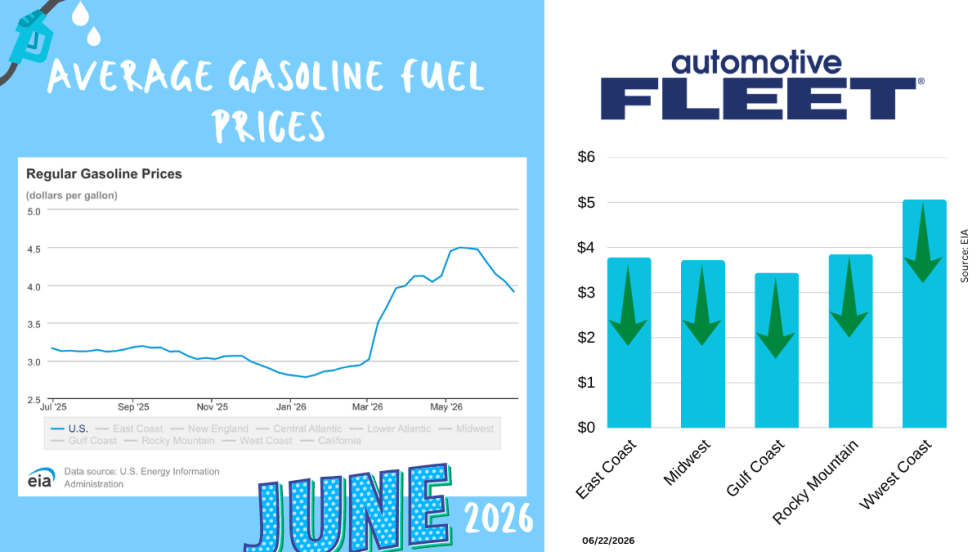
June Fuel Update: Prices Fall Below $4
Drivers are finally getting some relief at the pump. The national average gas price has dropped below $4 a gallon for the first time in months, with prices falling in 47 states as oil markets react to developments in U.S.-Iran negotiations.
Read More →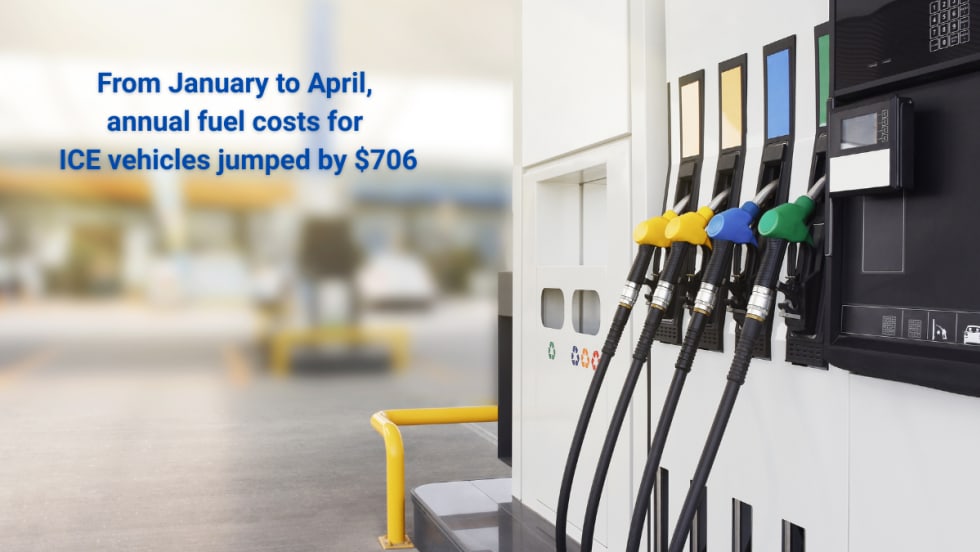
Study: How 2026's Gas Price Hikes Affect Different Vehicle Types
New data from iSeeCars reveals how rising fuel costs have affected different vehicle segments as gasoline prices climbed nearly 46% over the past four months.
Read More →
Are You Tracking Your Fleet's True Total Cost of Ownership?
Bobit Business Media surveyed 190 fleet professionals and found that while most fleets are tracking costs, fragmented systems and data gaps are keeping true TCO visibility out of reach. With rising pressure to control spend in an increasingly volatile environment, the gap between what fleets think they know and what the data actually shows is wider than you might expect. See how your peers are managing costs today and where the industry still has room to improve.
Read More →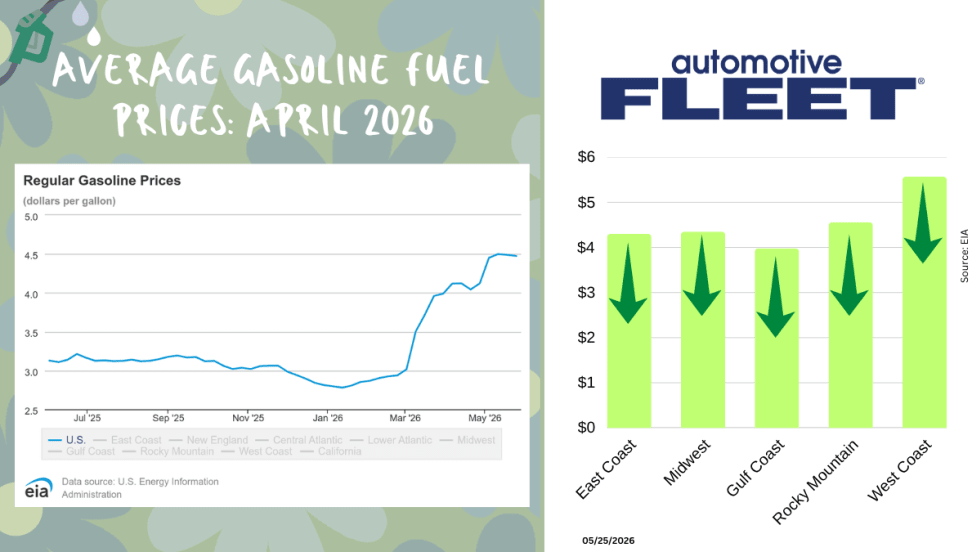
May Fuel Update: All Regions Experience Declines
Gas prices are finally easing in much of the country, but experts warn global tensions could quickly reverse the trend as the national average remains well above last month’s levels.
Read More →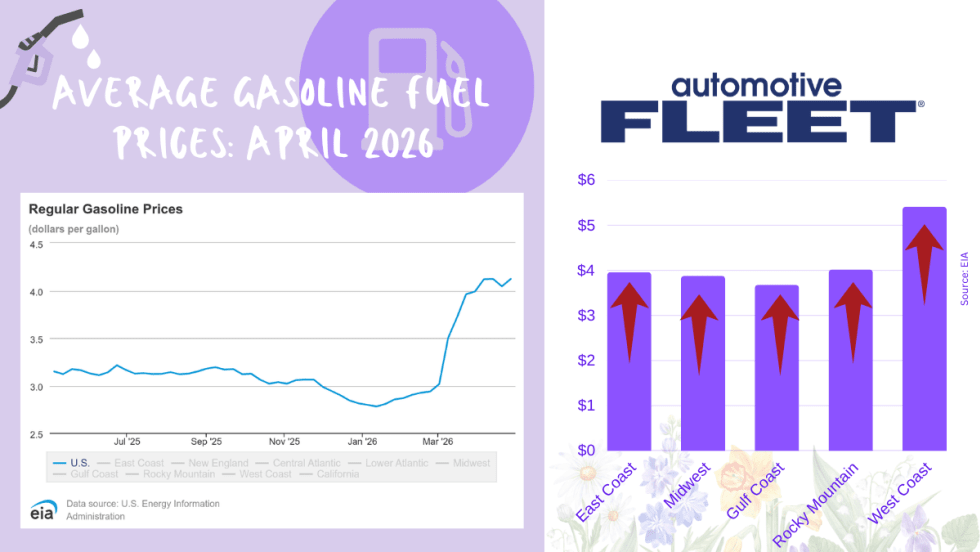
April Fuel Update: Prices Climb Above $4 as Spring Surge Accelerates
National average jumps to $4.04 per gallon, up sharply from last year, with West Coast prices topping $5 and further increases expected amid rising oil tensions.
Read More →
Tips from Fleet Managers on Saving Fuel Costs
Fleet leaders share practical strategies to reduce fuel spend through smarter policy, routing, and driver guidance.
Read More →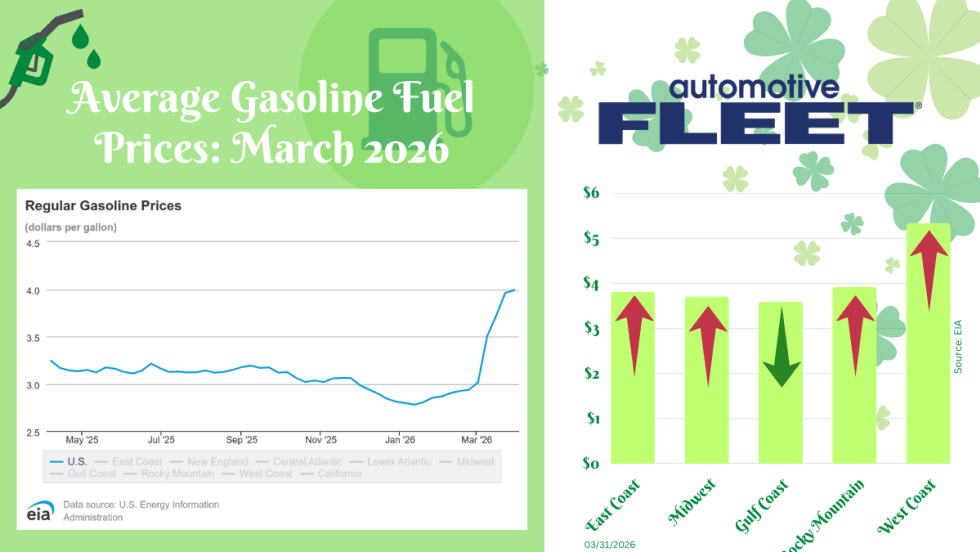
March Fuel Update: Prices Settle With a $4 Average
Fuel prices significantly slowed this week, but a $4 national average is still expected.
Read More →