




Booster Fuels Expands to Washington, D.C.
Booster, a same-day fuel delivery service, has secured all the required permits and regulatory licenses to deliver gas and diesel in D.C. and Maryland.

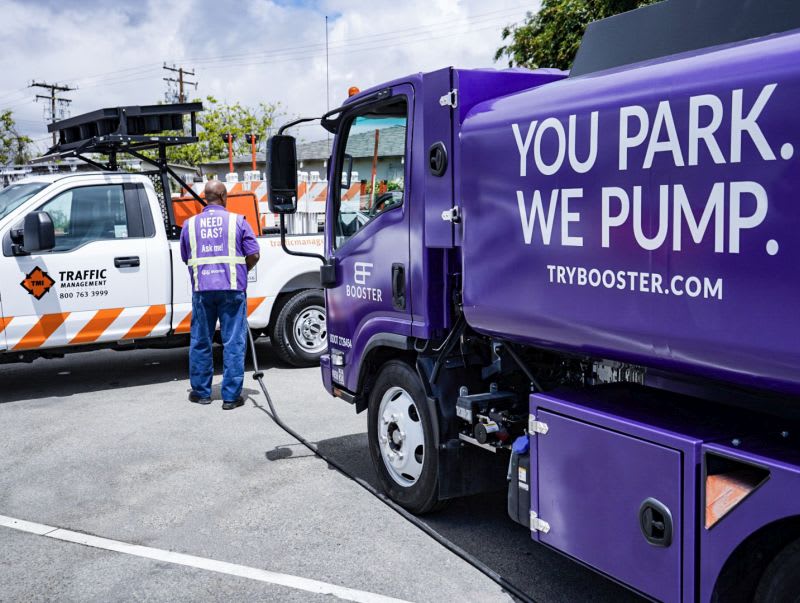
Booster has secured all the required permits and regulatory licenses to deliver gas and diesel in D.C. and Maryland.
Photo: Booster Fuels
Booster, a same-day fuel delivery service, has expanded to Washington, D.C. The expansion comes as essential services experience a significant increase in the need for contactless, clean mobile fuel on-demand (MFOD) to meet pandemic requests.
Since the start of the COVID-19 pandemic, Booster has experienced a 25 percent surge in fuel delivered to essential services, such as parcel delivery and logistics, food delivery and distribution, construction, and cleaning companies. Each of Booster’s fuel deliveries is more environmentally friendly than conventional fueling, reducing vehicle miles traveled and the associated CO2 - emissions. Additionally, the company’s nimble approach to the supply chain eliminates the need for underground fuel storage tanks and the threat to water supplies in the communities they serve.
“We are thrilled to establish an East Coast presence and launch operations in our nation’s capital,” said Frank Mycroft, Founder and CEO, Booster Fuels. “Given today’s state of affairs, mobile fuel on-demand has become even more essential for getting goods into the hands of people who need them most.”
D.C. is the most recent government permitting mobile fueling as the service grows in popularity. Earlier this year, mobile fueling permits and ordinances were passed by state governments in Maryland, Texas, and Washington as states rethink the future of cities and the innovative role MFOD plays. Booster helps cities eliminate the need to plan for gas stations and the environmental hazards and road congestion they bring.
Booster has been working with local regulators and fire departments to provide its mobile fueling service, often exceeding requirements for environmental quality and safety. The company has secured all the required permits and regulatory licenses to deliver gas and diesel in D.C. and Maryland.
Booster launches in D.C. with several new, local customers including Falcon Transport, Dutch Mill Catering, Reston Limousine, and Shorb Landscaping. With six local Booster employees, this office marks the company’s seventh major market following recent expansion to Dallas, Austin, Nashville, San Francisco, San Jose, and Seattle. In total, Booster has received permits to operate in more than 50 cities or counties across the U.S.
“We’re proud to support essential services and create good jobs by bringing contactless fueling to D.C and Maryland,” said Jordan Valdés, Booster’s D.C.-based Director of Public Affairs. “Our trained Service Professionals are committed to a level of service, safety, and transparency that sets a new standard in gas and diesel delivery.”
Booster’s fleet is made up of proprietary carbon-neutral purple mini tankers. Each mini-tanker fits in a regular-sized parking space and provides 100 percent contactless service. To date, the company has delivered more than 30 million gallons of fuel and works with more than 500 fleet customers across the U.S.
Originally posted on Work Truck Online
More Fuel
Fuel Prices Surge in September | September Fuel Update
September brought major fuel price swings, including diesel crossing $6 a gallon. Here’s how gas and diesel prices changed throughout the month, and where they stood heading into October.
Read More →
Turning Fleet Payment Data into Executive Insights
Ramel Lindsay of U.S. Bank Voyager discusses how fleets can transform payment and transaction data into actionable intelligence to reduce costs, improve oversight, and support executive decision-making.
Read More →
Why the IRS Raised Its Mileage Rate in the Middle of 2026
Fuel-price volatility drove the rare increase to 76 cents per mile, the fifth midyear adjustment since 2000.
Read More →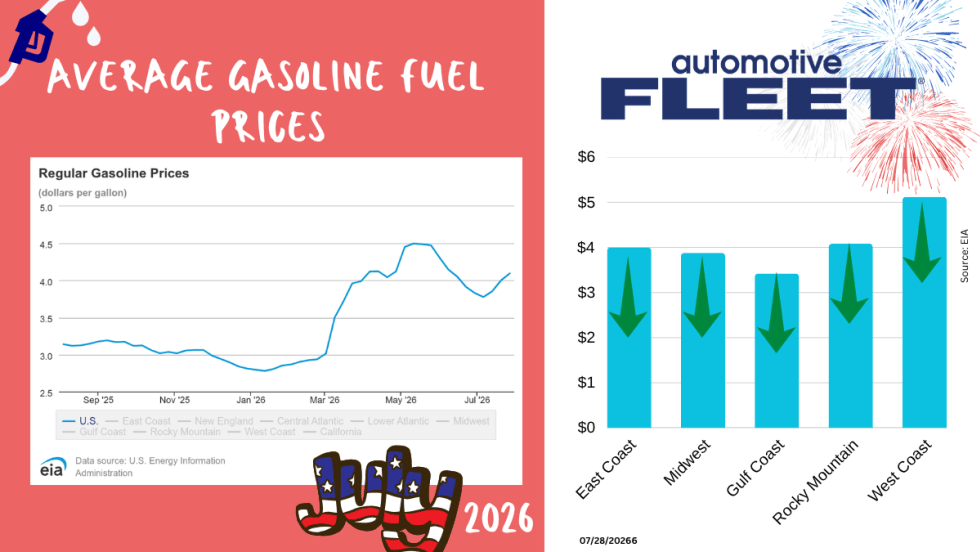
July Fuel Update: Prices Keep Rising in Light of More Conflict
Gas prices continue to rise as more and more conflicts do, too.
Read More →
Bob Adamsky on Fuel Volatility: "Don't Panic, Have a Plan."
When it comes to up and down fuel prices, Adamsky has a message for fleets: “Don’t panic.”
Read More →
How Fleets Can Gain Control of Non-Fuel Spend
Fuel often gets the spotlight, but non-fuel expenses can have a major impact on fleet costs. Ramel Lindsay of U.S. Bank Voyager discusses how fleets can gain better visibility and control over these often-overlooked expenditures.
Read More →
Fuel is Just the Start: How Middle East Tensions are Driving Up Fleet Maintenance Costs
The Middle East conflict is doing more than pushing up fuel prices. It’s also raising the cost of key maintenance products your fleet depends on, from motor oil to tires to windshield wipers. Here’s what you need to know about this budget-busting situation.
Read More →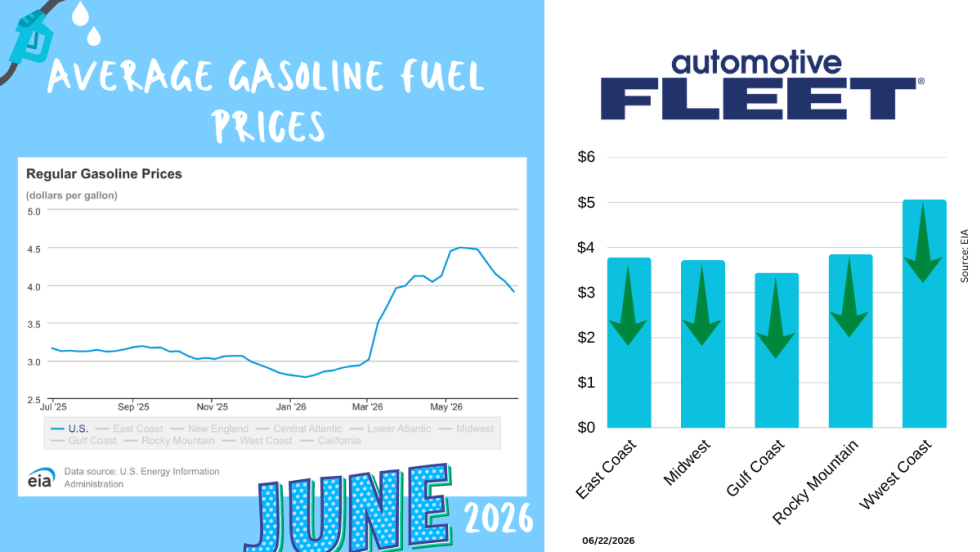
June Fuel Update: Prices Fall Below $4
Drivers are finally getting some relief at the pump. The national average gas price has dropped below $4 a gallon for the first time in months, with prices falling in 47 states as oil markets react to developments in U.S.-Iran negotiations.
Read More →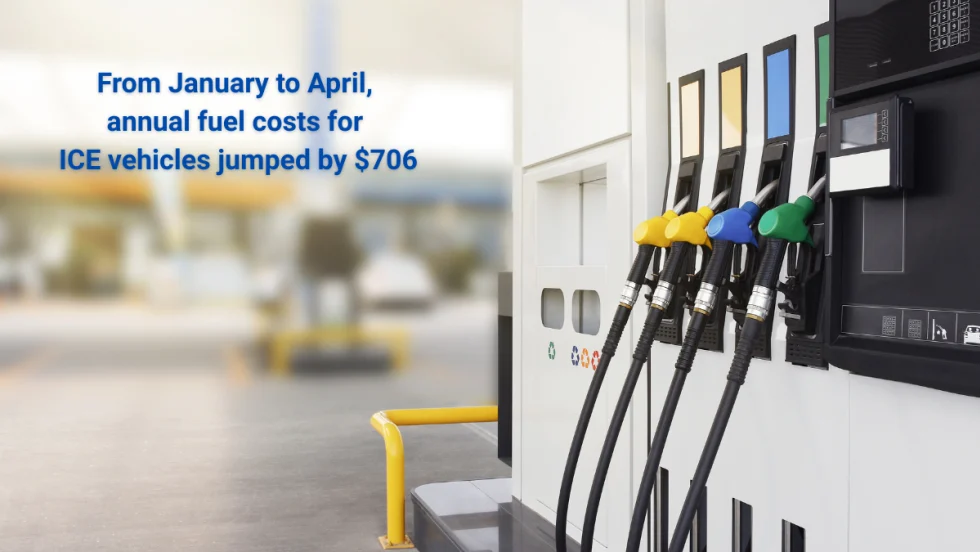
Study: How 2026's Gas Price Hikes Affect Different Vehicle Types
New data from iSeeCars reveals how rising fuel costs have affected different vehicle segments as gasoline prices climbed nearly 46% over the past four months.
Read More →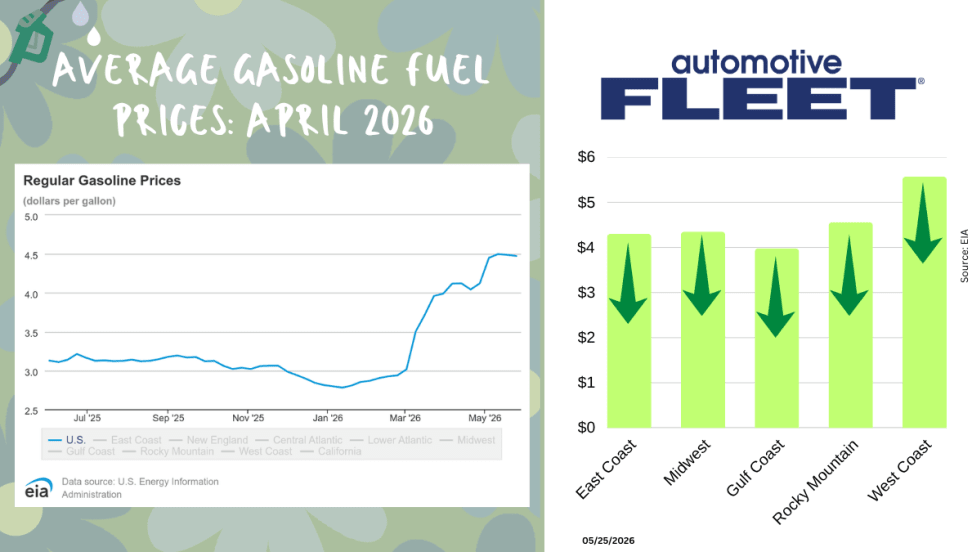
May Fuel Update: All Regions Experience Declines
Gas prices are finally easing in much of the country, but experts warn global tensions could quickly reverse the trend as the national average remains well above last month’s levels.
Read More →