




BMW Unveils Next-Gen 2019 3 Series
BMW has provided full details about its seventh-generation 2019 3 Series that arrives in a more crowded field of entry luxury sedans with a modest power boost, eight-speed automatic transmission, and an array of advanced driver-assisting systems.


BMW's seventh-generation 2019 3 Series (European version shown) arrives in March with updates that include boosted power, an 8-speed transmission, and advanced driver-assisting tech.
Photo courtesy of BMW.
BMW has provided full details about its seventh-generation 2019 3 Series that arrives in a more crowded field of entry luxury sedans with a modest power boost, eight-speed automatic transmission, and an array of advanced driver-assisting systems. BMW showed the sedan at the Paris Auto Show.
BMW will offer its 2019 3 Series in 330i and 330 xDrive models in the beginning. A 2.0-liter turbocharged inline-four engine delivers 255 horsepower (a gain of 7 hp) and 295 pound-feet of torque (a gain of 37 lb.-ft.) over the outgoing model. BMW will offer the M340i and M340i xDrive performance variants in the spring that will be powered by a new six-cylinder inline gasoline engine. BMW will also eventually offer an iPerformance 330e plug-in hybrid in 2020.
New available driver-assisting features include adaptive cruise control with a stop-and-go feature, forward collision warning with automatic emergency braking, lane departure warning, rear collision prevention, and cross-traffic alert. BMW's Driving Assistant Professional bundles adaptive cruise control, steering assist, and lane-keeping technology.
The 2019 3 Series grows 2.9 inches in length, but the other dimensions remain similar to the model it replaces. Cargo space increases to 17 cubic feet from 15.8 cubic feet. The vehicle also introduces BMW's Personal Assistant that allows drivers to activate vehicle functions with the phrase, "Hey BMW."
The 330i retails for at least $41,195, which includes a $995 delivery charge. The price has fallen $50 from the 2018 model. BMW is offering a $4,500 fleet incentive with the vehicle.
More Vehicle Research
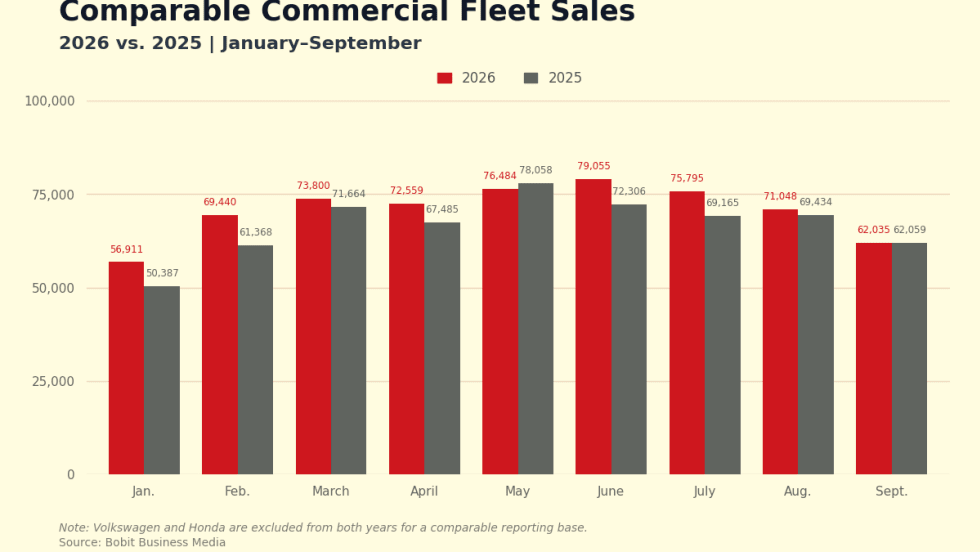
Commercial Fleet Sales Rise 5.8% Through September 2026
September commercial fleet sales were essentially unchanged from a year earlier, slowing year-to-date growth while keeping volume ahead of 2025.
Read More →
Hall of Fame Inductee: John Dmochowsky
The longtime Mondelēz International fleet executive joins the Automotive Fleet Hall of Fame.
Read More →
Hall of Fame Inductee: Lee Miller
After more than four decades at Boehringer Ingelheim, Lee Miller leaves a legacy built on fleet expertise.
Read More →
Hall of Fame Inductee: Mark F. Petersen
From managing fleets of thousands of vehicles to advancing safety and mentoring fellow professionals, Mark F. Petersen made his mark across both the corporate and supplier sides of fleet.
Read More →
When Charger Downtime Becomes a Fleet Availability Problem
As EV deployments move beyond pilot programs, charger reliability can directly affect vehicle readiness, driver productivity and route scheduling.
Read More →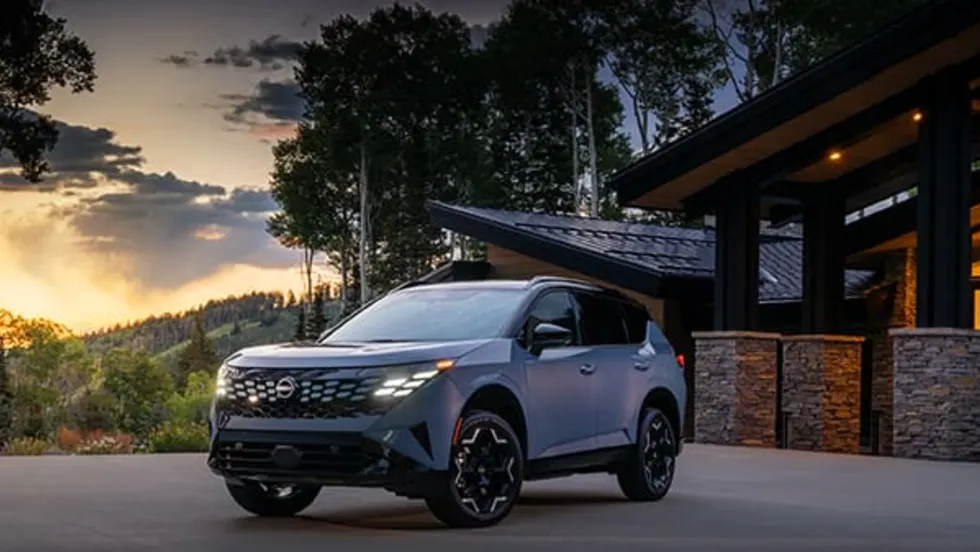
2027 Nissan Rogue Hybrid Adds e-POWER, Standard AWD
The new Rogue Hybrid uses Nissan’s e-POWER system with dual electric motors, offers an estimated 40 mpg and starts at $35,490.
Read More →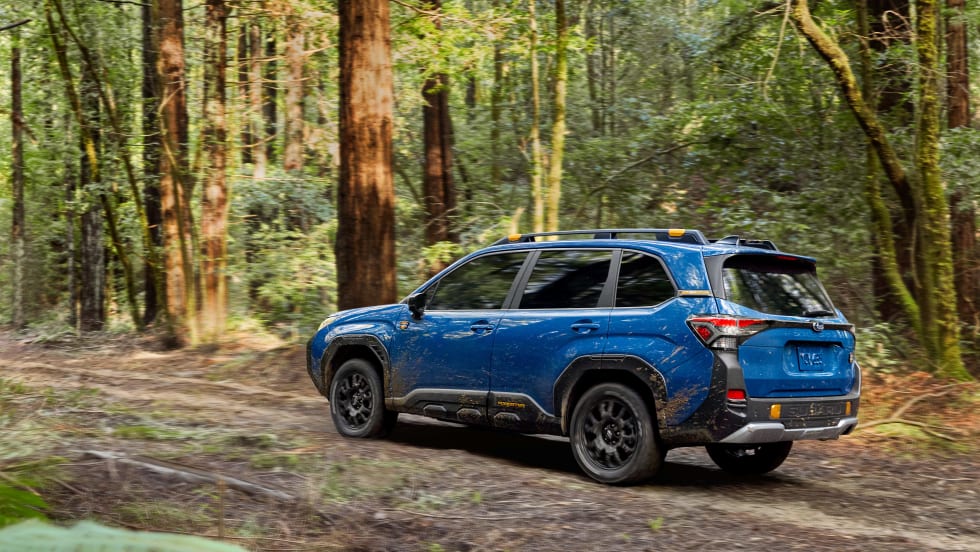
2027 Subaru Forester Adds First Wilderness Hybrid
The 2027 Forester lineup starts at $29,995 and adds a Wilderness Hybrid with 194 combined horsepower and 9.3 inches of ground clearance.
Read More →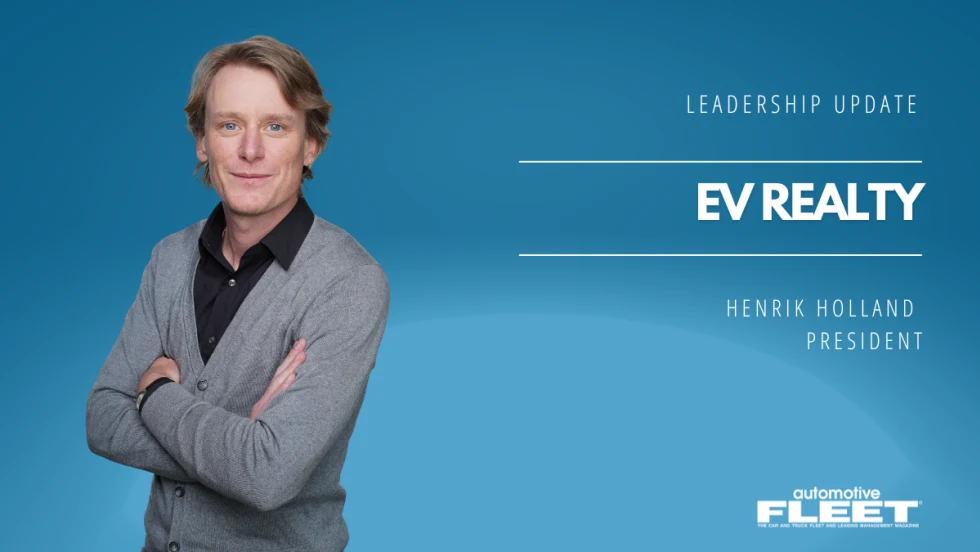
EV Realty Names Henrik Holland President as Charging Platform Expands
The former Prologis Mobility and Shell executive will help expand EV Realty’s truck charging business and move its power-first infrastructure model into autonomous vehicle depots and other fleet sectors.
Read More →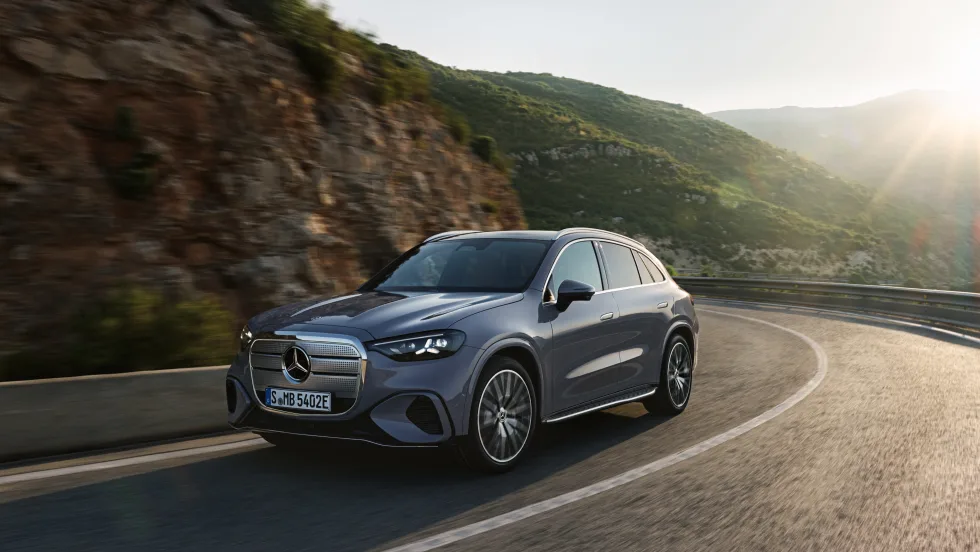
Mercedes-Benz Introduces Electric GLC With Up to 350 Miles of Range
The GLC 400 4MATIC Electric features an 800-volt architecture, 330-kW DC fast charging and a 94-kWh battery, along with Mercedes-Benz's new MB.OS operating system.
Read More →
Fleet Has a Talent Pipeline Problem, not a Talent Problem
Where will the next generation of fleet leaders come from, and what does the industry need to do differently to find them?
Read More →