




Audi TDI Clean Diesel Paves Road to Energy Independence
HERNDON, VA - Audi launched an aggressive public awareness campaign in the U.S. to highlight the ways in which TDI clean diesel can help America achieve energy independence
HERNDON, VA - Audi launched an aggressive public awareness campaign in the U.S. to highlight the ways in which TDI clean diesel can help America achieve energy independence. Ranging from television ads to a social media-driven charitable donation, the campaign will kick off a summer-long push to change public perception of the once-maligned diesel engine.
"Energy independence and fuel efficiency are at the forefront of public debate, and with the launch of the Q7 TDI clean diesel, Audi is introducing a viable solution into that national discussion," said Johan de Nysschen, President, Audi of America. "Several solutions for reducing America's dependence on foreign oil have been introduced, but few are as convenient, accessible, and fun as simply switching from regular gasoline to clean diesel."
Not only do the statistics on clean diesel show a dramatic change from the smoky, noisy, and dirty diesel image of the past, but these truths prove that diesel is a viable, ready-to-go solution for reducing America's dependence on foreign oil.
TDI Clean Diesel: The Truths
A U.S. EPA analysis found that if one-third of Americans fueled their cars, pick-ups and SUVs with clean diesel instead of gasoline, the United States could send back 1.5 million barrels of foreign oil per day.
One drop of diesel fuel has 12% more power than one drop of gasoline.
TDI clean diesel engines reduce carbon emissions by 20% over gasoline engines.
If one-third of Americans switched from gasoline to clean diesel, it would be the equivalent of planting 2.2 billion trees.
"Many Americans still don't understand the benefits clean diesel provides," said Scott Keogh, Chief Marketing Officer, Audi of America. "That's why Audi developed an intensive campaign to spread the truth about TDI technology. Central to our message is this point: With far lower carbon emissions and far better fuel efficiency than gasoline, it can truly be said that diesel is no longer a dirty word."
Launching today, the Audi multimedia campaign to educate America about the benefits of TDI clean diesel includes advertisements at fuel pumps around the country, a television advertisement, a "Truth in Diesel" viral video and a Facebook Cause campaign in support of reducing carbon emissions. To check out the campaign and learn the truth about TDI clean diesel, check out audiusa.com/tdi. Download the new "Di*sel | It's No Longer A Dirty Word" Audi TDI ad here.
To drive the TDI message online, Audi is also launching "Truth in Diesel," a viral video that emphasizes the need for America to achieve energy independence. Starting 30 years ago with the oil crisis of 1979, the video provides historical context around the nation's ongoing struggle to break free from foreign oil. The simple solution = clean diesel. The video has been seeded on various online video sites.
Check out "Truth in Diesel" on YouTube shown below:
Stressing its commitment to reducing emissions, Audi is making a donation to help support the first project in The Nature Conservancy's voluntary carbon offset program. Through The Nature Conservancy's Facebook Cause, Audi hopes to spread the word about reducing carbon emissions. For every Facebook user who joins the cause, Audi will donate $1 to The Nature Conservancy's voluntary carbon offset program. To join the cause and for more information about this initiative visit causes.com/natureconservancy.
More Fuel
WEX Report: Fleet Fuel Costs Rise as Purchasing Volumes Hold Steady in 2026
New analysis of WEX customer transaction data highlights rising fuel expenses, differences in purchasing behavior, and opportunities for fleet managers to evaluate operating costs.

October Fuel Trends Show Diverging Gasoline and Diesel Prices
Get the latest fuel trends from October.

Fuel Prices Surge in September | September Fuel Update
September brought major fuel price swings, including diesel crossing $6 a gallon. Here’s how gas and diesel prices changed throughout the month, and where they stood heading into October.

Turning Fleet Payment Data into Executive Insights
Ramel Lindsay of U.S. Bank Voyager discusses how fleets can transform payment and transaction data into actionable intelligence to reduce costs, improve oversight, and support executive decision-making.

Why the IRS Raised Its Mileage Rate in the Middle of 2026
Fuel-price volatility drove the rare increase to 76 cents per mile, the fifth midyear adjustment since 2000.
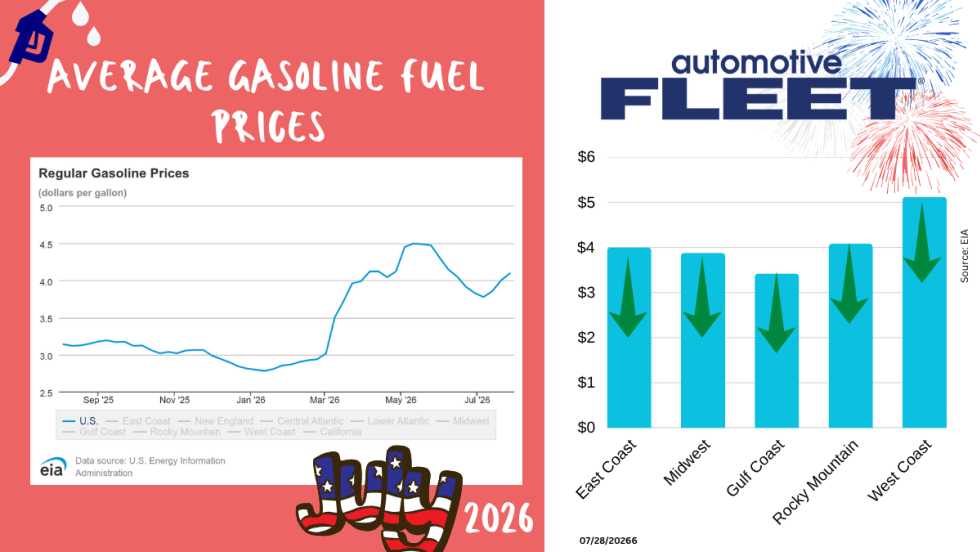
July Fuel Update: Prices Keep Rising in Light of More Conflict
Gas prices continue to rise as more and more conflicts do, too.

Bob Adamsky on Fuel Volatility: "Don't Panic, Have a Plan."
When it comes to up and down fuel prices, Adamsky has a message for fleets: “Don’t panic.”

How Fleets Can Gain Control of Non-Fuel Spend
Fuel often gets the spotlight, but non-fuel expenses can have a major impact on fleet costs. Ramel Lindsay of U.S. Bank Voyager discusses how fleets can gain better visibility and control over these often-overlooked expenditures.

Fuel is Just the Start: How Middle East Tensions are Driving Up Fleet Maintenance Costs
The Middle East conflict is doing more than pushing up fuel prices. It’s also raising the cost of key maintenance products your fleet depends on, from motor oil to tires to windshield wipers. Here’s what you need to know about this budget-busting situation.
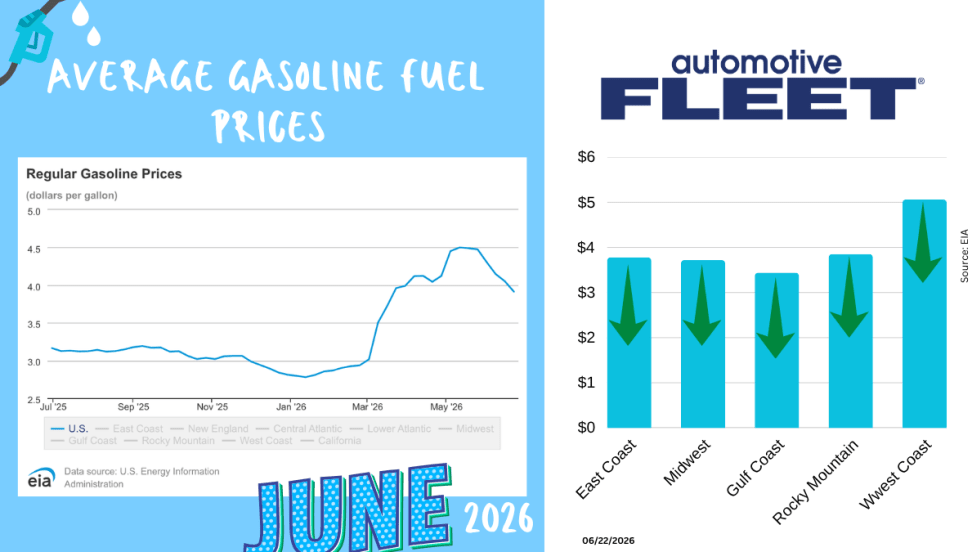
June Fuel Update: Prices Fall Below $4
Drivers are finally getting some relief at the pump. The national average gas price has dropped below $4 a gallon for the first time in months, with prices falling in 47 states as oil markets react to developments in U.S.-Iran negotiations.