




Audi Producing E-Diesel at Plant in Germany
The automaker's new pilot plant in Dresden, developed in partnership with Climeworks and sunfire, will produce diesel fuel from water, carbon dioxide, and green electricity.
Audi has established a pilot plant in Germany that produces diesel fuel from water, carbon dioxide, and green electricity. The Dresden plant, which Audi developed in partnership with Climeworks and sunfire, opened Nov. 14.
The sunfire plant, which operates according to the power-to-liquid principle, requires carbon dioxide, water, and electricity as raw materials.The carbon dioxide is extracted directly from the ambient air using direct air capturing, a technology developed by Swiss partner Climeworks, according Audi.
In a separate process, an electrolysis unit powered with green electricity splits water into hydrogen and oxygen. The hydrogen is then reacted with the carbon dioxide in two chemical processes conducted at 220 degrees Celsius and a pressure of 25 bar to produce an energetic liquid, made up of hydrocarbon compounds, which is called Blue Crude. This process is up to 70 percent efficient, according to Audi.
As currently built, the pilot plant on the sunfire grounds in Dresden-Reic k can produce approximately 160 liters of Blue Crude per day. Nearly 80 percent of that can be converted into synthetic diesel. This fuel (Audi e-diesel) is free of sulfur and aromatics. It also has a high cetane number, which means that it ignites very easily. Its chemical properties allow it to be blended in any ratio with fossil diesel. This means that it can be used as a drop-in fuel.
Audi is combining two technologies in this project, which is funded in part by the German Federal Ministry for Education and Research. The project was preceded by a two-year research and preparation phase to test carbon dioxide capturing from the ambient air and the power-to-liquid process for the production of synthetic fuel, according to the automaker.
More Global Fleet

John Rossant: Don’t Make a Ten-Year Bet on a Two-Year Policy
At the 2026 Fleet Forward Conference, Rossant brought transportation insights from Europe, China, and the Middle East to a discussion of fleet management's changing role.
GeoFencing Adds to Your Truck Security Arsenal
Geofencing is a familiar fleet tool today, but its early adoption marked a major shift in vehicle tracking, route monitoring, and the debate over employee privacy.
Holman Takes Full Ownership of ARIZA in Mexico
Holman is bringing its Mexican fleet management operation fully under its own brand after more than 30 years as a joint venture. The change gives multinational fleet customers a single Holman operation across the U.S., Canada, and Mexico.


5 Tire Maintenance Tips to Help Prevent Work Truck Downtime
Regular tire checks can do more than extend tread life. These five maintenance practices can help work truck fleets catch problems early, reduce costs, and prevent downtime.

Proven Ways to Reduce Work Truck Downtime
The age-old problem of downtime will always be a reality, but with new strategies at hand, fleets have more ways to keep trucks on the road longer.

The Top 300 Commercial Fleets
The Top 300 Commercial Fleets: See the List


Cameras, Safety and Insurance: From Reactive Claims to Real-Time Prevention (Part 2 of 2)
Part Two: Commercial auto remains one of the most challenging and costly lines of coverage for fleet operators and insurers alike. Continue learning more about how to effectively address these issues from Onur Aksan, Enterprise Business Development Executive, Geotab
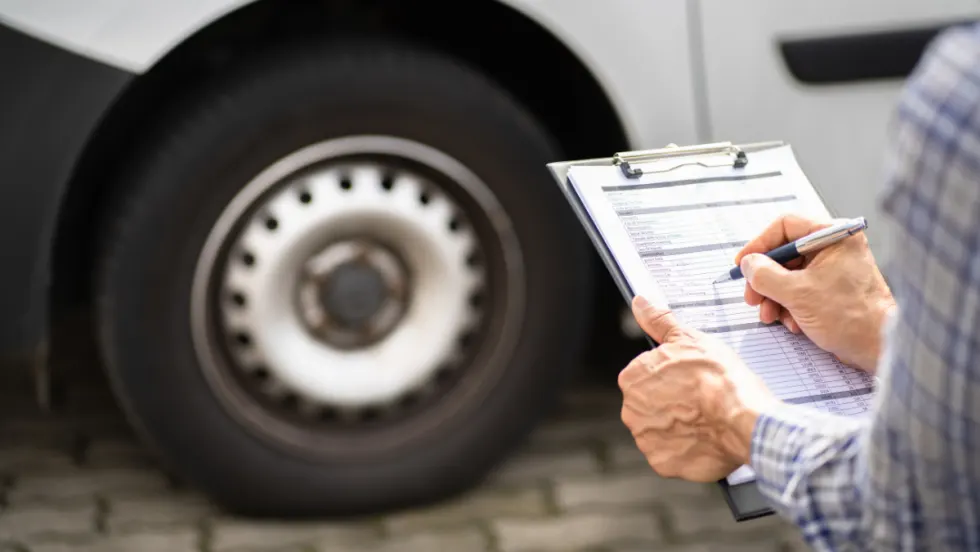
Cameras, Safety and Insurance: From Reactive Claims to Real-time Prevention
Commercial auto remains one of the most challenging and costly lines of coverage for fleet operators and insurers alike. Learn more about how to effectively address these issues from Onur Aksan, Enterprise Business Development Executive, Geotab.

Enterprise Fleet Management Surpasses 900,000 Vehicles in U.S. & Canada
Enterprise Mobility connects with mobility solutions around the globe