




ARI's Fuel Cost Reduction Program Recognized
ARI's Fuel Cost Reduction Program, which has helped companies better understand, manage and reduce their annual fuel costs by improving driver behavior and identifying less expensive gas stations, has earned the company a place on the first-ever Analytics 50 ranking.
ARI's Fuel Cost Reduction Program, which has helped companies better understand, manage and reduce their annual fuel costs by improving driver behavior and identifying less expensive gas stations, has earned the company a place on the first-ever Analytics 50 ranking.
A collaboration between Drexel University's LeBow College of Business and CIO.com, Analytics 50 honors companies in any industry that have discovered innovative ways to use analytics to solve common business challenges.
ARI introduced the Fuel Cost Reduction Program to support corporate fuel policies with technology to help improve its clients' bottom lines.
"Fuel is one of the biggest expenses for a fleet and our customers have asked us to help them proactively examine and reduce their fuel costs," said Steve Haindl, executive vice president of technology and innovation. "Our program analyzes the data a fleet returns to help manage miles per gallon and cost per gallon — easily the two metrics that impact the cost of fuel the most."
The ARI Fuel Cost Reduction Program identifies the drivers and vehicles performing at the top and bottom of the scales for each metric that is measured to help pinpoint behaviors that need to be corrected. Through ARI's mobile application, drivers can search for nearby fuel stations that offer a lower cost alternative. The efforts are supported with analytical reporting, alerts, KPIs and predictive/prescriptive feedback, which produces a more transparent picture that identifies trends and the spending habits of fuel cardholders.
With SAP technology and proprietary software developed in-house by ARI's team of more than 200 IT professionals, the company is able to provide its clients with statistical analysis of events as they occur, which allows them to trend behavior and make real-time recommendations.
"Though fuel costs are relatively low currently, analysts believe it will rise over time," Haindl said. "The ARI Fuel Cost Reduction Program demonstrates that we are already thinking ahead to give our clients a method to monitor fuel expenses when fuel prices increase again in the future."
ARI joins companies representing sports, media, technology, healthcare and other industries on the Analytics 50 list. The winners will be recognized by Drexel's LeBow College of Business and CIO.com at an Analytics 50 event on Nov. 9.
More Fuel
Fuel Prices Surge in September | September Fuel Update
September brought major fuel price swings, including diesel crossing $6 a gallon. Here’s how gas and diesel prices changed throughout the month, and where they stood heading into October.
Read More →
Turning Fleet Payment Data into Executive Insights
Ramel Lindsay of U.S. Bank Voyager discusses how fleets can transform payment and transaction data into actionable intelligence to reduce costs, improve oversight, and support executive decision-making.
Read More →
Why the IRS Raised Its Mileage Rate in the Middle of 2026
Fuel-price volatility drove the rare increase to 76 cents per mile, the fifth midyear adjustment since 2000.
Read More →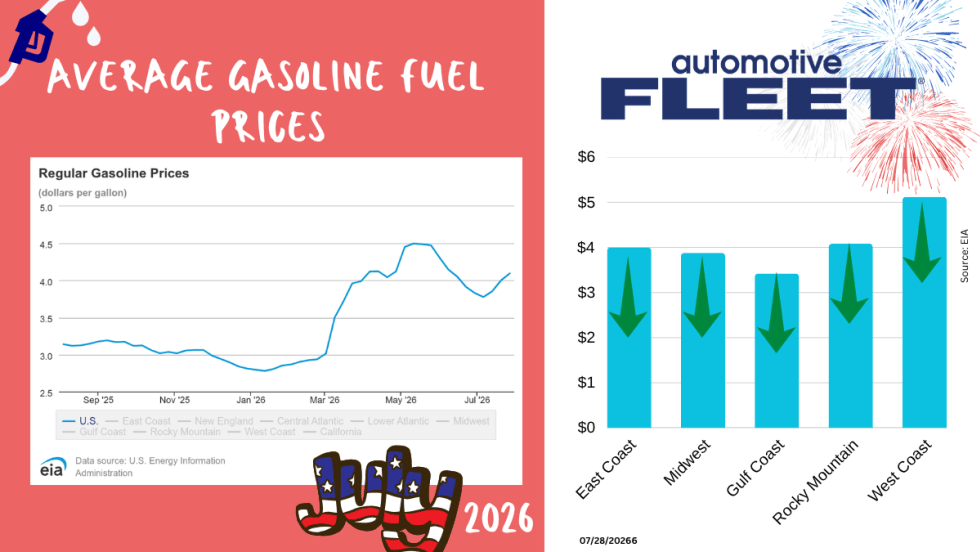
July Fuel Update: Prices Keep Rising in Light of More Conflict
Gas prices continue to rise as more and more conflicts do, too.
Read More →
Bob Adamsky on Fuel Volatility: "Don't Panic, Have a Plan."
When it comes to up and down fuel prices, Adamsky has a message for fleets: “Don’t panic.”
Read More →
How Fleets Can Gain Control of Non-Fuel Spend
Fuel often gets the spotlight, but non-fuel expenses can have a major impact on fleet costs. Ramel Lindsay of U.S. Bank Voyager discusses how fleets can gain better visibility and control over these often-overlooked expenditures.
Read More →
Fuel is Just the Start: How Middle East Tensions are Driving Up Fleet Maintenance Costs
The Middle East conflict is doing more than pushing up fuel prices. It’s also raising the cost of key maintenance products your fleet depends on, from motor oil to tires to windshield wipers. Here’s what you need to know about this budget-busting situation.
Read More →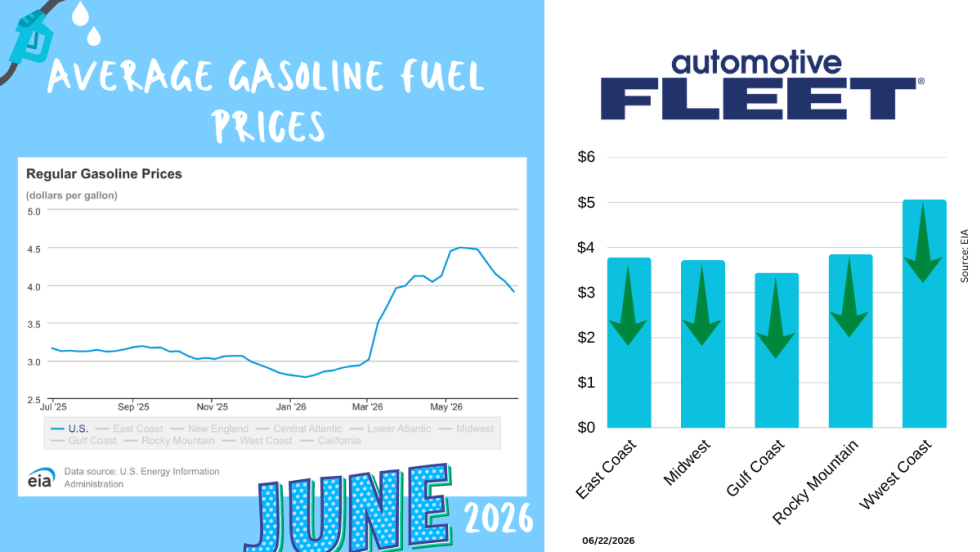
June Fuel Update: Prices Fall Below $4
Drivers are finally getting some relief at the pump. The national average gas price has dropped below $4 a gallon for the first time in months, with prices falling in 47 states as oil markets react to developments in U.S.-Iran negotiations.
Read More →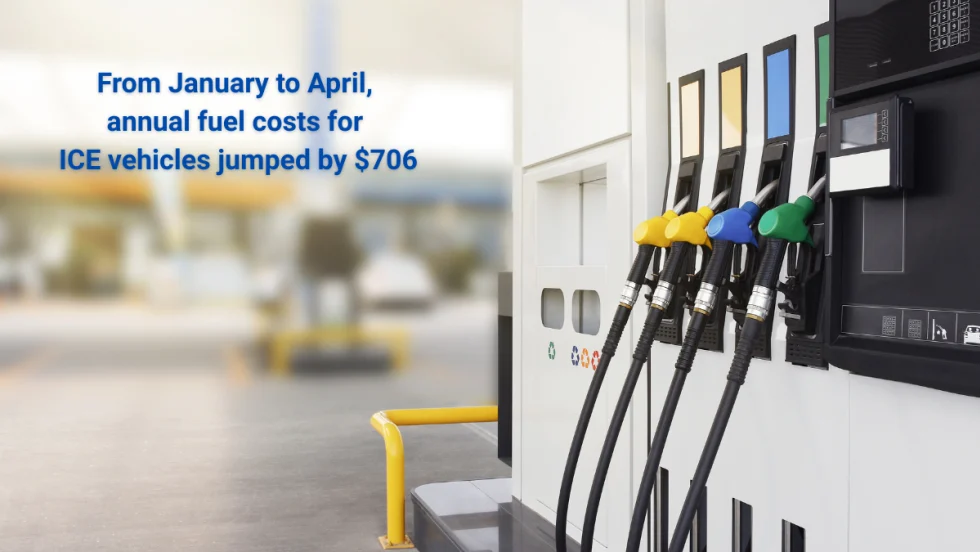
Study: How 2026's Gas Price Hikes Affect Different Vehicle Types
New data from iSeeCars reveals how rising fuel costs have affected different vehicle segments as gasoline prices climbed nearly 46% over the past four months.
Read More →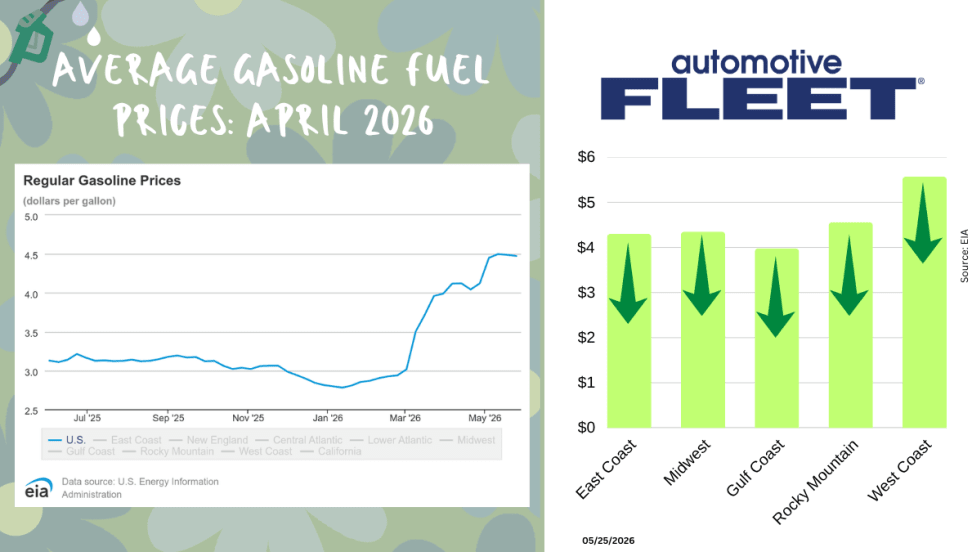
May Fuel Update: All Regions Experience Declines
Gas prices are finally easing in much of the country, but experts warn global tensions could quickly reverse the trend as the national average remains well above last month’s levels.
Read More →