




Advanced Safety Features Help Senior Drivers, GM Says
Technologies such as Lane Departure Warning and Front Automatic Braking, for example, can help compensate for longer reaction times, visual impairment and reduced dexterity.
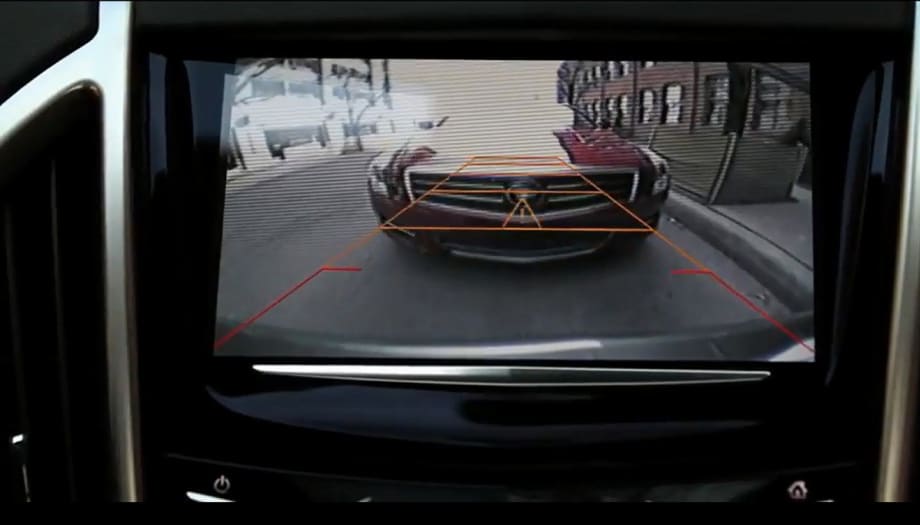
Rearview cameras are among safety technologies that benefit all drivers, including an aging population. Photo courtesy of General Motors.
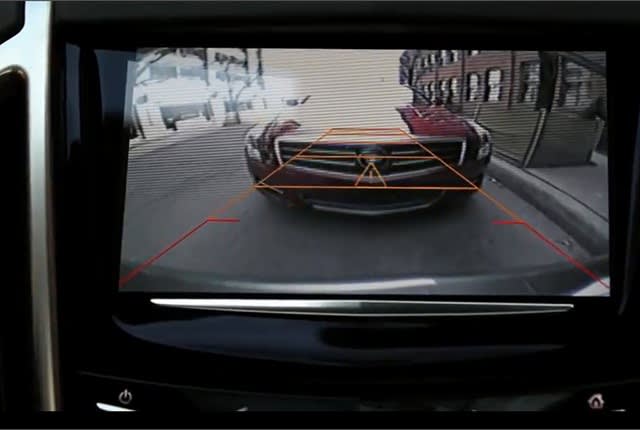
Rearview cameras are among safety technologies that benefit all drivers, including an aging population. Photo courtesy of General Motors.
With more elderly drivers on the road, General Motors says it is using active safety technologies, simple access to OnStar services and more spacious cabins to better service the needs of this growing customer segment.
As a sponsor of the North American Conference on Elderly Mobility, GM this week is highlighting its active safety features that can be helpful to older drivers who can have longer reaction times, limited perceptual abilities and reduced dexterity.
The Insurance Institute for Highway Safety points to several studies that have shown that higher levels of physical, cognitive or visual impairment among older drivers can increase crash risk.
But advanced safety features can help mitigate the effect of these impairments.
Technologies such as Rearview Back-up Camera, Front Park Assist, Rear Park Assist, Side Blind Zone Indicators, Lane Departure Warning, Forward Collision Alert, Front Automatic Braking and Rear Cross Traffic Alert are among the active safety and driver assistance technologies that are particularly helpful to the aging population, GM said.
"The safety of all our customers is our utmost concern,” said Gay Kent, director of GM global vehicle safety and a presenter at the conference. “The great thing about many of our active safety technologies is that some, like the vibrating haptic seat, provide intuitive, non-visual cues to avoid startling the driver and prevent information overload or confusion.”
GM engineers and designers also are addressing passenger spaciousness and comfort. Focus areas include making it easier for passengers to get in and out of the vehicle and increasing passenger foot room.
Sitting in the back rows of a vehicle and swinging a foot through the open door can be a challenge for elderly people whose range of motion can be limited. To make it easier to enter and exit its crossovers and SUVs, GM designers optimized the spacing between the front seat and second and third rows.
“We have hosted many customer clinics to assess customer preference and requirements,” Kent said. “The information we gain through this research drives our teams’ design decisions as we work to incorporate their feedback. We have been able to increase the ease with which our customers enter and exit our seats over the last decade.”
Additionally, GM’s OnStar technology can provide elderly drivers peace of mind, the automaker said. Services such as Turn-by-Turn Navigation, Roadside Assistance, Automatic Crash Response, Emergency Medical Dispatch and Remote Door Unlock -- combined with access to a live advisor at the touch of a button -- can help make elderly drivers feel more confident while on the road.
"Advanced safety technologies, such as those found in GM vehicles, make our roads safer for everyone by sensing potential hazards and warning the driver to take appropriate actions to help prevent a crash from occurring," said Jim Santilli, executive director of the Traffic Improvement Association of Michigan. "With elderly drivers generally experiencing decreased visual performance and reaction time, these advanced safety technologies are especially beneficial to this age group. Vehicles with these technologies will help us with our goal to move closer toward zero deaths."
More Safety

Nexar-Nauto Merger Aims to Give Fleets Better Safety Intelligence Through Larger Driving Dataset
Stefan Heck tells Automotive Fleet that combining more than 10 billion miles of driving history with Nexar's AI models will give fleets deeper insights into driver risk and roadway conditions than either company could provide independently.
Read More →
Don't Wait for a Crisis: 5 Ways to Build Mental Health Into Your Fleet Safety Program
For Suicide Prevention Month, fleet and safety leaders have an opportunity to put mental health where it belongs: at the center of workplace safety.
Read More →
How Camera Data Can Strengthen a Fleet’s Insurance Renewal
Insights from a commercial insurance carrier and a broker show how fleets can turn video telematic data, driver coaching, and improved claims results into a stronger case at insurance renewal.
Read More →
The Safest Fleets Aren’t the Ones with the Most Technology
You’ve made the telematics investment. Here’s how to capture the other half of its value and build the safest fleet on the road.
Read More →
Hidden in Plain Sight: Fleet Compliance Risks
Fleet compliance isn't just about having policies — it's about consistently enforcing them. This practical guide reveals six hidden compliance risks common in public sector and shared fleet operations and outlines proven strategies to improve visibility, accountability, and audit readiness
Read More →
NETS Sets 2026 Fleet Safety Benchmark Conference for Indianapolis
The Sept. 15–17 program will feature fleet benchmarking data, case studies, emerging technologies, and implementation strategies while running alongside the NSC Safety Congress & Expo.
Read More →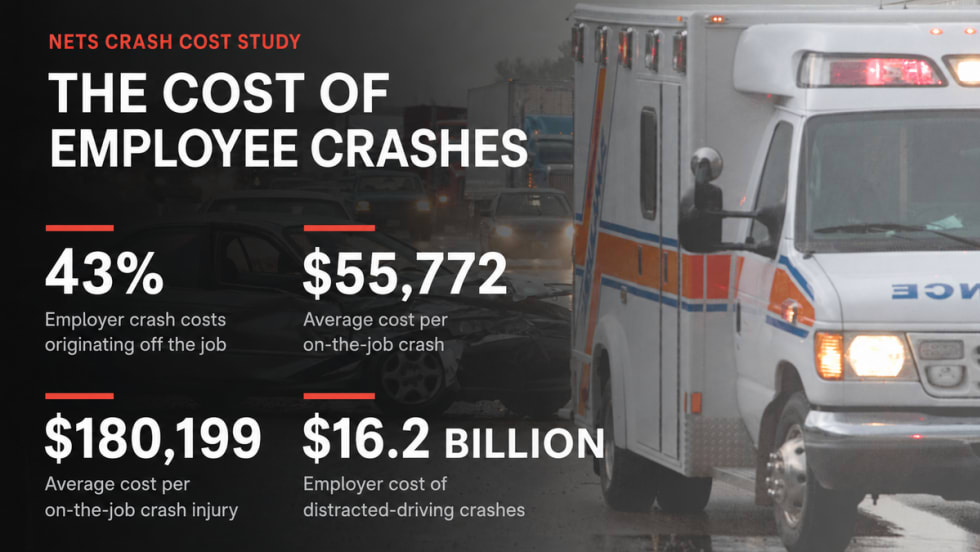
Off-the-Job Crashes Account for 43% of Employers’ $61.7 Billion Crash Burden
NETS quantifies costs dispersed across fleet, risk, HR, and other departments while providing new per-crash benchmarks for employers.
Read More →
Ram Recalls More Than 1.27 Million 1500 Pickups for Seat Belt Anchor Issue
The recall affects certain 2019-2026 Ram 1500 pickups that may have improperly attached second-row seat belt buckle anchors.
Read More →
How Better Visibility Cut Speeding Violations by 48%
Fleet leaders don't need more data, they need clearer visibility into what the data is saying. This case study explores how one utility replaced speeding-event counts with a single metric — miles driven in violation — to strengthen safety and significantly reduce speeding violations.
Read More →
Operation Safe Driver Week: Why the Industry's Oldest Safety Campaign Still Matters to Fleets
A look at how a 2007 enforcement initiative became one of the most consequential weeks on the fleet safety calendar, and what it means for your drivers in 2026.
Read More →