




Study: Today’s Seniors Drive Longer Than Previous Generations
A new AAA Foundation report reveals an increase in driving years and miles driven among older Americans. Ninety percent of these drivers use prescription medications.

A total of 84 percent of Americans 65 and older held a driver’s license in 2010.
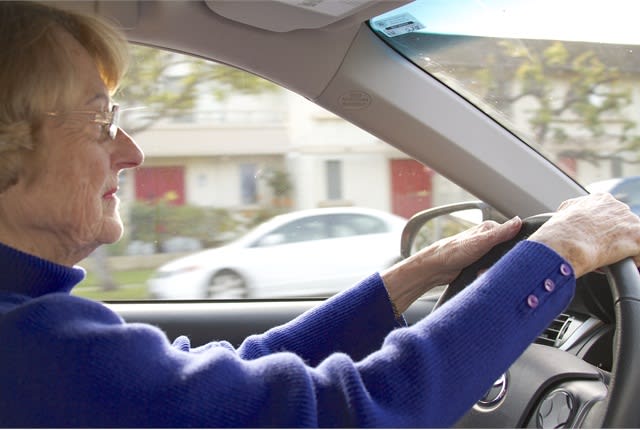
A total of 84 percent of Americans 65 and older held a driver’s license in 2010.
A new report from the AAA Foundation for Traffic Safety has found that older Americans are extending their time behind the wheel compared to previous generations.
For example, 84 percent of Americans 65 and older held a driver’s license in 2010 compared to barely half in the early 1970s. Today, one in six drivers on U.S. roads is age 65 or older.
This new research shows an increased auto-mobility of older drivers, with travel patterns indicating about a 20-percent increase in trips and a 33-percent increase in miles traveled between 1990 and 2009.
The report, titled “Understanding Older Drivers: An Examination of Medical Conditions, Medication Use and Travel Behaviors,” also reveals that 90 percent of older drivers use prescription medications. Two-thirds take multiple medications.
Previous foundation research has shown that combinations of medications, both prescription and over-the-counter, can result in an impairment in safe driving ability.
“This level of medication use does raise concerns, yet evidence indicates seniors are fairly cautious,” said Peter Kissinger, AAA Foundation president and CEO. “In fact, these findings show that older drivers using medications are more likely to regulate their driving – reducing daily travel, avoiding driving at night or driving fewer days per week.”
The report also reveals gender differences when it comes to medication use behind the wheel. Older women who use medications are more likely to regulate their driving compared to men. Even when they are without a medical condition, female drivers drive less than their male counterparts with a medical condition.

Two-thirds of senior drivers take multiple medications. Photo courtesy of AAA.
Additional key highlights from the report include:
25 percent of men and 18 percent of women remain in the workforce after age 65, resulting in more than double the work-related commutes for drivers 65 and older compared to 20 years ago.
68 percent of drivers age 85 or older report driving five or more days per week.
Three-quarters of drivers age 65 or older with a medical condition report reduced daily driving.
Self-regulatory behavior, among those taking multiple medications or having a medical condition, declines with increasing income. Female drivers age 65-69 with an annual income under $13,000 were 62 percent more likely to restrict nighttime driving than women with incomes over $70,000.
Knowing that medication use is very high among senior drivers, the AAA Foundation and AAA developed tools such as Roadwise Rx to help seniors and their families understand common side effects of prescription and over-the-counter medications, herbal supplements and foods.
“AAA’s Roadwise Rx is an online tool that generates personalized feedback about how these interactions between prescription and over-the-counter medicines and herbal supplements can impact safety behind the wheel,” said Jake Nelson, AAA’s director of traffic safety advocacy. “Drivers are encouraged to discuss the confidential results with their doctor or pharmacist to learn how to mitigate possible crash risks.”
To access all the free resources AAA offers to senior drivers, you can visit SeniorDriving.AAA.com.
The AAA Foundation study primarily analyzed the most recent data from two national databases – the 2009 National Household Travel Survey (NHTS) and the 2011 National Health and Aging Trends Study (NHATS).
More Safety

Nexar-Nauto Merger Aims to Give Fleets Better Safety Intelligence Through Larger Driving Dataset
Stefan Heck tells Automotive Fleet that combining more than 10 billion miles of driving history with Nexar's AI models will give fleets deeper insights into driver risk and roadway conditions than either company could provide independently.
Read More →
Don't Wait for a Crisis: 5 Ways to Build Mental Health Into Your Fleet Safety Program
For Suicide Prevention Month, fleet and safety leaders have an opportunity to put mental health where it belongs: at the center of workplace safety.
Read More →
How Camera Data Can Strengthen a Fleet’s Insurance Renewal
Insights from a commercial insurance carrier and a broker show how fleets can turn video telematic data, driver coaching, and improved claims results into a stronger case at insurance renewal.
Read More →
The Safest Fleets Aren’t the Ones with the Most Technology
You’ve made the telematics investment. Here’s how to capture the other half of its value and build the safest fleet on the road.
Read More →
Hidden in Plain Sight: Fleet Compliance Risks
Fleet compliance isn't just about having policies — it's about consistently enforcing them. This practical guide reveals six hidden compliance risks common in public sector and shared fleet operations and outlines proven strategies to improve visibility, accountability, and audit readiness
Read More →
NETS Sets 2026 Fleet Safety Benchmark Conference for Indianapolis
The Sept. 15–17 program will feature fleet benchmarking data, case studies, emerging technologies, and implementation strategies while running alongside the NSC Safety Congress & Expo.
Read More →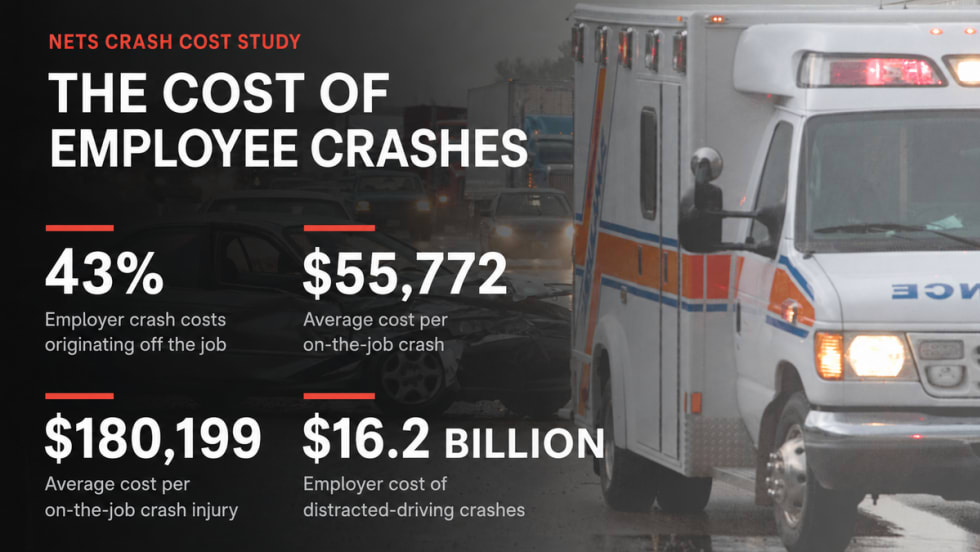
Off-the-Job Crashes Account for 43% of Employers’ $61.7 Billion Crash Burden
NETS quantifies costs dispersed across fleet, risk, HR, and other departments while providing new per-crash benchmarks for employers.
Read More →
Ram Recalls More Than 1.27 Million 1500 Pickups for Seat Belt Anchor Issue
The recall affects certain 2019-2026 Ram 1500 pickups that may have improperly attached second-row seat belt buckle anchors.
Read More →
How Better Visibility Cut Speeding Violations by 48%
Fleet leaders don't need more data, they need clearer visibility into what the data is saying. This case study explores how one utility replaced speeding-event counts with a single metric — miles driven in violation — to strengthen safety and significantly reduce speeding violations.
Read More →
Operation Safe Driver Week: Why the Industry's Oldest Safety Campaign Still Matters to Fleets
A look at how a 2007 enforcement initiative became one of the most consequential weeks on the fleet safety calendar, and what it means for your drivers in 2026.
Read More →