




Acosta Reduces Fuel Usage By Tracking Weekend Purchases
Jacksonville, Florida-based food broker Acosta permits drivers to use company vehicles on weekends, but doesn’t pay for fuel. Fleet Manager Dave Haviland used exception reports to reduce weekend purchases, saving money.
Jacksonville, Florida-based food broker Acosta permits drivers to use company vehicles on weekends, but doesn’t pay for fuel. Fleet Manager Dave Haviland used exception reports to reduce weekend purchases, saving money.
Acosta, a large food marketer based in Jacksonville, Fla., has a fleet consisting of approximately 5,500 vehicles run by Dave Haviland, corporate fleet manager. The company uses Wright Express’ fleet fuel card.
“As most fleet managers, I’m always on the prowl for cost savings,” Haviland says. “Naturally, when a fleet manager looks for savings, you go where the big game is. In operating expense, that would be fuel.” Acosta has a company vehicle policy that permits personal use, however doesn’t pay for personal use fuel. “My first thought was to check and see when our drivers were filling up the tank,” he continues. “I looked to the Wright Express people to provide an exception report showing fuel purchases made on Saturdays, Sundays, and Mondays.”
But there was a question of how to track this usage; fuel prices have been volatile in the past three years, and Haviland knew that looking at variations in dollars expended could be misleading. “Rather than track dollars, I decided to track gallons purchased per card. This would show pure consumption, and, if necessary, I could make reasonable assumptions as to what, if any, savings could be generated.” The goal would be to strictly enforce the company policy of not paying for fuel consumed during personal use, and Haviland would use the fuel exception report to do it.
Haviland began by reminding his drivers in June 2003, of the company’s policy on fuel used during personal use, and that the fleet department would review fuel purchases to determine where the policy was applicable. He then requested that Wright Express provide a history report showing average gallons per card in fuel purchases for the prior two years. He tracked fuel consumption in ensuing months against that average.
As the months went by, Haviland tracked gallon totals, and saw a clear trend developing:
7/01 – 81.73 (gallons)
7/02 – 89.18
7/03 – 84.89
8/01 – 92.32
8/02 – 91.98
8/03 – 83.83
9/01 – 79.29
9/02 – 86.24
9/03 – 86.84
10/01 – 90.18
10/02 – 89.94
10/03 – 86.13
The Savings
Using a conservative average of $1.30 per gallon purchased, the savings are as follows:
7/03 – 4.79 gallons per card, $6.23 per card, $34,265 total.
8/03 – 8.15 gallons per card, $10.60 per card, $58,300 total
10/03 – 3.81 gallons per card, $4.95 per card, $27,225 total.
An estimated $119,790 in savings over four months (with September a wash) averages about $30,000 in monthly savings, or $360,000 per year, simply by tracking fuel purchases and enforcing company fleet policy.
Haviland’s experience is a clear, real-world example of how fleet managers can use fuel exception reports to find savings.
More Fuel

Turning Fleet Payment Data into Executive Insights
Ramel Lindsay of U.S. Bank Voyager discusses how fleets can transform payment and transaction data into actionable intelligence to reduce costs, improve oversight, and support executive decision-making.
Read More →
Why the IRS Raised Its Mileage Rate in the Middle of 2026
Fuel-price volatility drove the rare increase to 76 cents per mile, the fifth midyear adjustment since 2000.
Read More →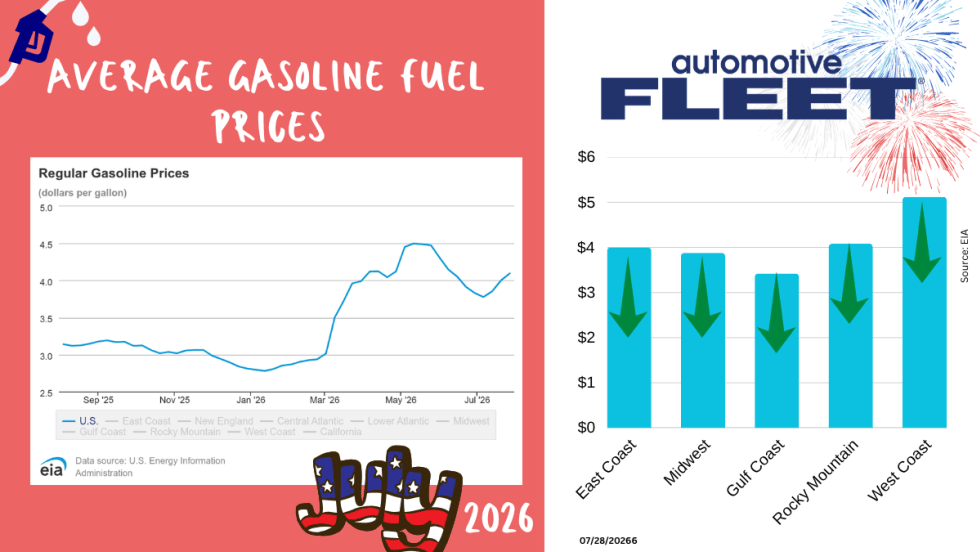
July Fuel Update: Prices Keep Rising in Light of More Conflict
Gas prices continue to rise as more and more conflicts do, too.
Read More →
Bob Adamsky on Fuel Volatility: "Don't Panic, Have a Plan."
When it comes to up and down fuel prices, Adamsky has a message for fleets: “Don’t panic.”
Read More →
How Fleets Can Gain Control of Non-Fuel Spend
Fuel often gets the spotlight, but non-fuel expenses can have a major impact on fleet costs. Ramel Lindsay of U.S. Bank Voyager discusses how fleets can gain better visibility and control over these often-overlooked expenditures.
Read More →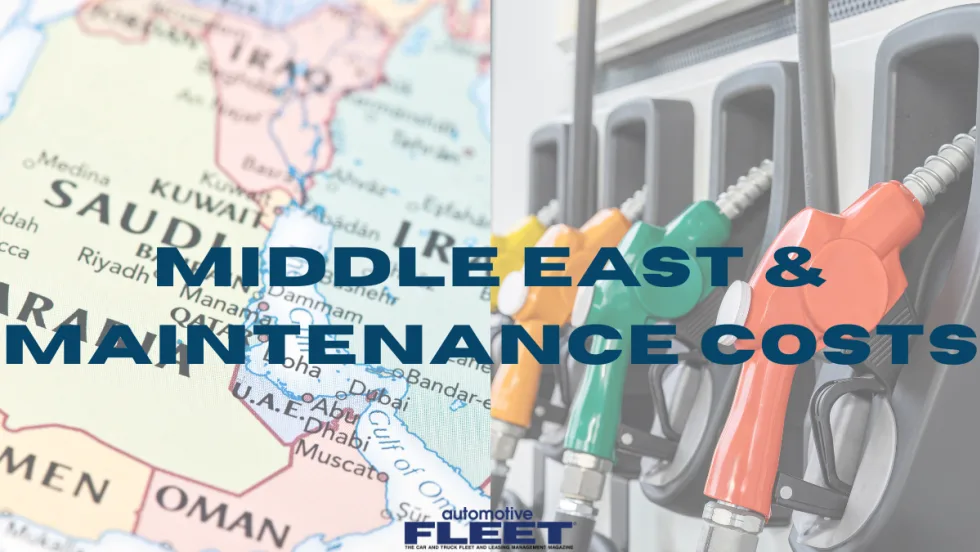
Fuel is Just the Start: How Middle East Tensions are Driving Up Fleet Maintenance Costs
The Middle East conflict is doing more than pushing up fuel prices. It’s also raising the cost of key maintenance products your fleet depends on, from motor oil to tires to windshield wipers. Here’s what you need to know about this budget-busting situation.
Read More →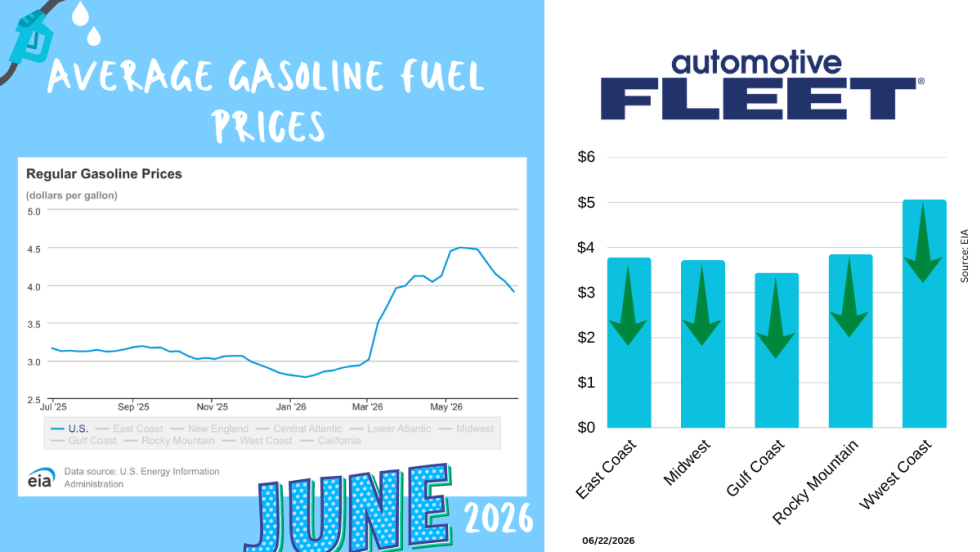
June Fuel Update: Prices Fall Below $4
Drivers are finally getting some relief at the pump. The national average gas price has dropped below $4 a gallon for the first time in months, with prices falling in 47 states as oil markets react to developments in U.S.-Iran negotiations.
Read More →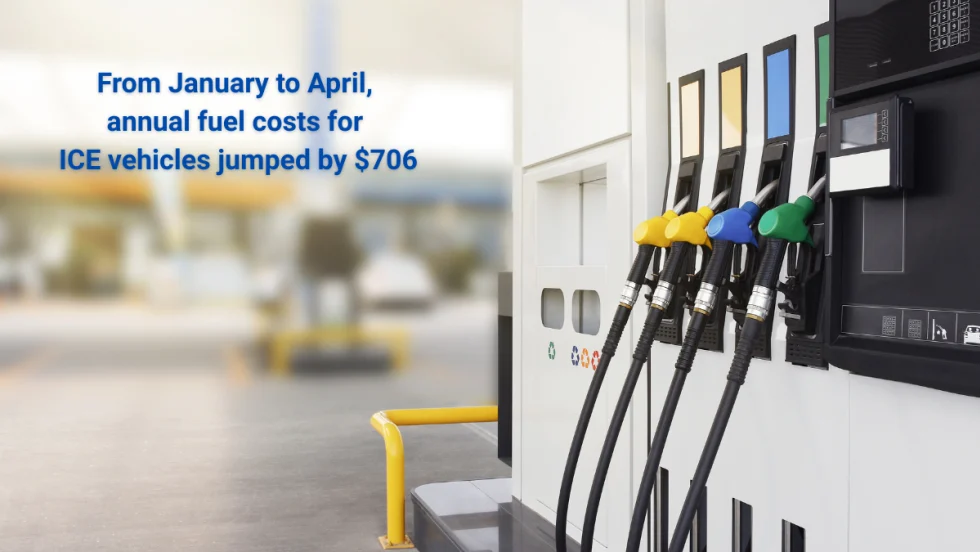
Study: How 2026's Gas Price Hikes Affect Different Vehicle Types
New data from iSeeCars reveals how rising fuel costs have affected different vehicle segments as gasoline prices climbed nearly 46% over the past four months.
Read More →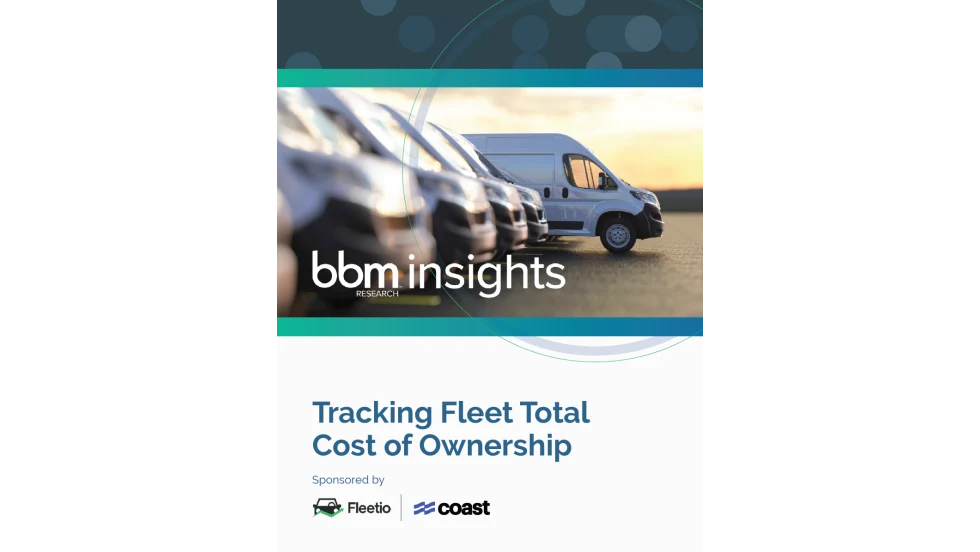
Are You Tracking Your Fleet's True Total Cost of Ownership?
Bobit Business Media surveyed 190 fleet professionals and found that while most fleets are tracking costs, fragmented systems and data gaps are keeping true TCO visibility out of reach. With rising pressure to control spend in an increasingly volatile environment, the gap between what fleets think they know and what the data actually shows is wider than you might expect. See how your peers are managing costs today and where the industry still has room to improve.
Read More →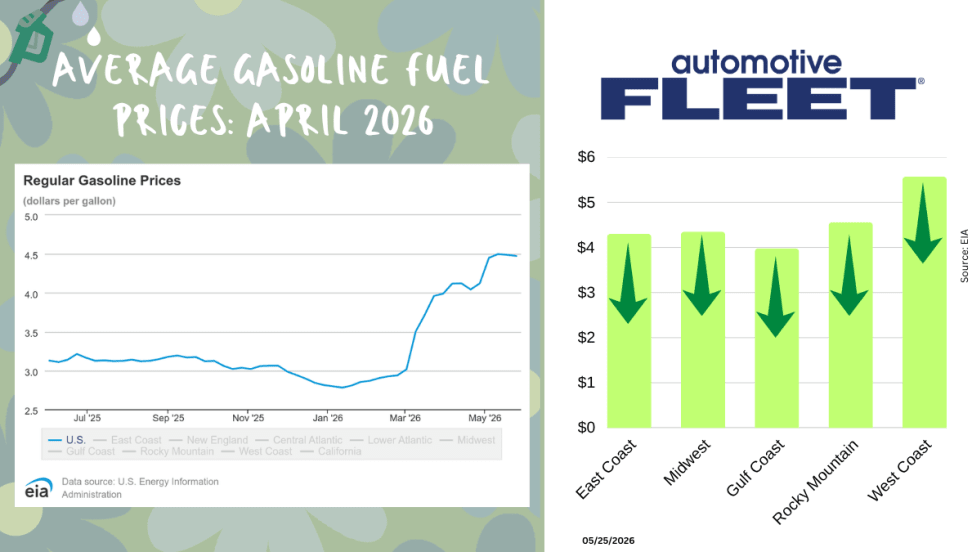
May Fuel Update: All Regions Experience Declines
Gas prices are finally easing in much of the country, but experts warn global tensions could quickly reverse the trend as the national average remains well above last month’s levels.
Read More →