





Related: Reassessing Fleet Electrification After a Disruptive Year
What the Industry Got Wrong on EVs
“Electrify, it’s cheaper” was the message pushed relentlessly to fleets over the past five years. We need a new message.
March 21, 2024
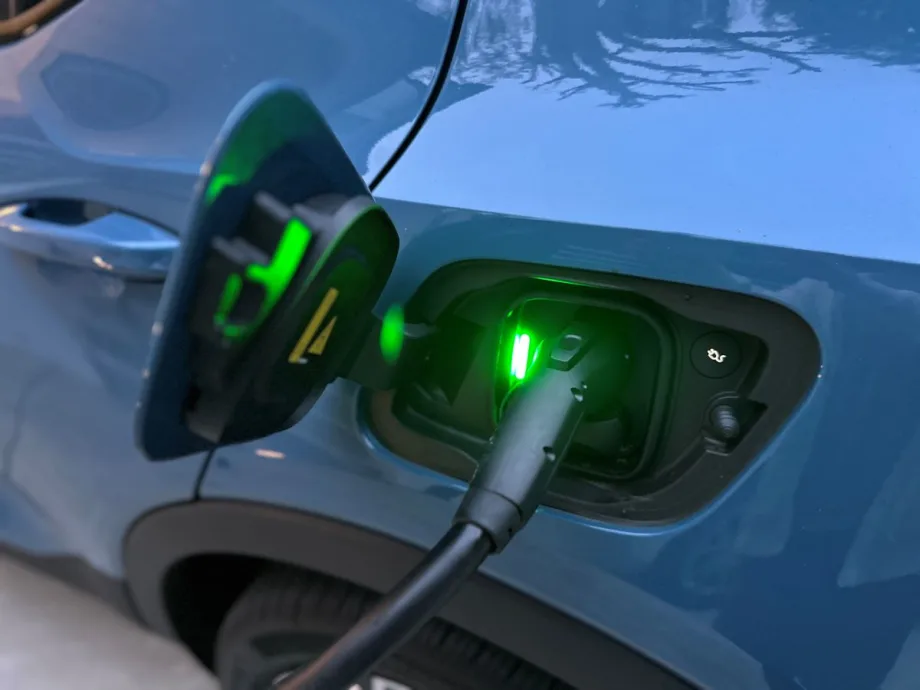
The fleets electrifying now — the ones in the trenches — have the answers to what is working and what isn’t. Let’s learn from them.
Photo: Chris Brown
4 min to read
Can we finally get straight on one major aspect of fleet electrification? No organization is electrifying because it makes financial sense — at least not right now. But “electrify, it’s cheaper” was the message pushed relentlessly to fleets over the past five years.
How many times have we seen a marketing message or listened to a speaker at a conference talk about electric vehicles’ favorable total cost of ownership? The oft-repeated line was that EVs’ higher initial costs would be overcome by a lower spend on maintenance and electricity, so by year three you’re in the black.
I was sitting next to a fleet operator at one such conference, where on stage, the speaker was pushing those talking points. The operator had just received a quote for an electric van from the speaker’s company. The cost of the EV was nearly double that of the same internal combustion engine van.
How much do you spend on brake pads and oil filters on one van after two years? I’m sure it’s not $40,000.
There is the argument that the considerable costs for site upgrades and installing charging infrastructure should not be amortized as part of vehicle TCO. Fair enough. But you’re creating a completely new expense category for charger maintenance, charger networking fees, and the added monthly telematics costs automakers are forcing on fleets? What about paying the personnel to manage it all?
And let’s talk traditional TCO: How do we account for the largest vehicle expense, depreciation, when there is virtually no secondary market yet for EVs?
As electrification has moved from theory to reality, we’re understanding how hard this evolution is, from figuring out how to upgrade the nation’s electrical grid and creating the charging infrastructure to creating viable secondary markets for used EVs, batteries, and recycled parts.
There has been a lot of negative press about EVs over the last six months. Most of it is justified, some a bit overreactive. But what do you expect, after five years of sunshine getting blown from below? No one should be surprised by the blowback.
This negative press has helped feed the naysayers who are pushing half-truths or outright falsehoods about EVs. Who’s going to check them? It’s a lot easier to throw stones at the people trying to make you change than to confront the people who say it’s okay to stay the same.
The industry is, hopefully, reassessing the message. But how to move forward? Here are some suggestions on messaging that might help all entities better collaborate on a workable path forward:
No, this won’t be easy. At first, it’ll be hard. But the sooner you start, the easier it will get.
Transportation accounts for the largest portion of greenhouse gas emissions in the U.S. We must do better, and we can.
Incremental change is meaningful — but still incremental.
Regulations are never perfect, but pointing fingers and shaking fists at them are not the answer. Take the steps to comply.
Decarbonization can’t be done on paper or in a computer simulation. We have to go through the growing pains by actually doing it.
Through telematics and AI, we can more definitively show the harm that greenhouse gas emissions are doing to communities and the correlation to rates of asthma, pulmonary disease, and respiratory tract infections. Use this data to show how decarbonization can help — or hurt if we do nothing.
Let’s learn from the fleets that are electrifying.
That last bullet point speaks to the first point of the blog: True, no organization is electrifying because it makes financial sense. But they are electrifying.
They’re electrifying with varying rates of urgency based on state mandates, impending federal regulations, organizational ESG initiatives, and commitments to EV100.
This week, the EPA laid out its roadmap to reduce vehicle emissions in the U.S. over the next eight years. It’s a more realistic target than initially proposed, but still a stretch goal.
The fleets electrifying now are coming up with solutions on how to get there. They can speak definitively about infrastructure planning and timelines and how to plan routes within the ranges of the EV models in their fleets. They know how to work the rebate and incentive systems.
Let’s celebrate the fleets in the electrification trenches, and with their help, we can move forward.
Subscribe to Our Newsletter
More Blog Posts

How to Win a Fleet Manager Award: Make Your Nomination Count
Strong fleet accomplishments can go unrecognized when the nomination doesn’t make the case. Here’s what judges need to see.
Read More →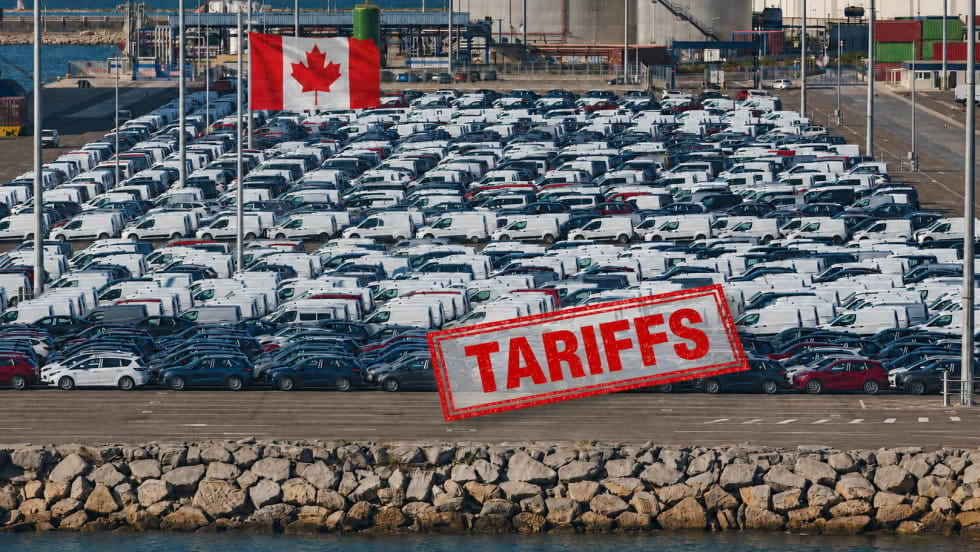
The Only Certainty with the New Tariff Threat Is Uncertainty
Trump’s Canadian tariff threat will not move production overnight, but the uncertainty could influence ordering and pricing now. Longer term, forces beyond tariffs may determine which North American plants survive.
Read More →
What Does It Mean to Embody the Spirit of Fleet?
Presented alongside Fleet Manager of the Year, Fleet Visionary, and Fleet Hall of Fame at AFLA, the new Mike Antich Spirit of Fleet Award is unique in that it recognizes service to the overall profession. Just like Mike.
Read More →
What Separates Great Fleet Managers From Everyone Else?
What do Visionary candidates with fewer than 10 years of experience have in common with Hall of Fame nominees with a lifetime under their belts?
Read More →
The Next Fleet War Won't Be Won on Specs Alone
The 2026 Stellantis Pro One Fleet Preview was less about vehicles and more about what happens after you buy them.
Read More →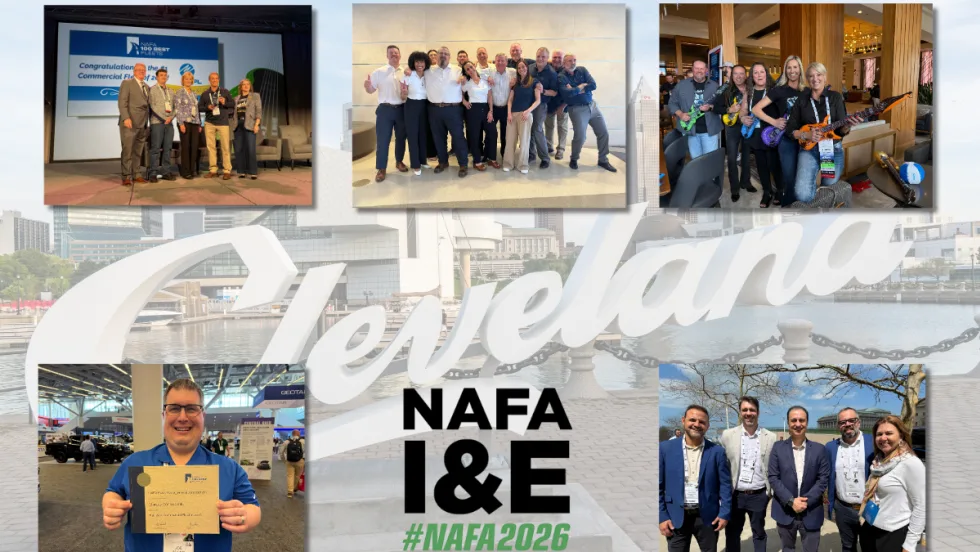
Navigating Brundlefly and Fleet AI at 2026 NAFA I&E
AI is becoming the operating layer for fleets. In Cleveland, the buzz was about harnessing AI in an increasingly complex, permanently disrupted environment.
Read More →
8 Trends: Work Truck Week 2026 Reveals a Fleet Industry in Reset Mode
Walking the show floor this year, the new focus was around “practical innovation” and pragmatic solutions. And oh yeah, a new small van.
Read More →
The Moment AI Became Operational
“AI isn’t assisting us anymore. It’s doing the work,” said CEO Neil Cawse at Geotab Connect 2026. What does this mean for fleet managers?
Read More →
For Mike Antich, it Was Always About the People
He stood tall in the industry in so many ways, but he measured success by the people he served.
Read More →
Solving the Flexible-Lean Fleet Paradox
The lean fleets of yesterday are the fragile fleets of today. Where do we find the balance?
Read More →