




The Overlooked Fleet & Automotive Impacts of the Big Beautiful Bill
The new budget bill will affect fleets, energy policy, and infrastructure in unexpected ways.
July 7, 2025


While the sunset of tax credits under Section 30D will have a chilling effect on EV sales, the eradication of credits for commercial vehicles under 45W will have a bigger effect.
Photo: Automotive Fleet
5 min to read
The sunset of the tax credit for EVs is the most talked-about provision in the Trump administration’s One Big Beautiful Bill (OBBB) regarding fleets and the broader automotive industry.
But digging into the bill uncovers other provisions, from fuel policy to infrastructure, that deserve more attention.
45W Tax Credit Elimination Will Hurt
Removing the $7,500 tax credit for new EVs (and $4,000 for used) under IRA’s Section 30D will have a chilling effect on electric passenger vehicle sales. But the effects might not be as severe as the media portrays them. Manufacturers will adjust prices a bit to soften that MSRP bump. And for fleets, more rational, market-based pricing may actually help residual values in the long run.
Electric passenger vehicles — and I’d add electric cargo vans — are already starting to make TCO sense without the credit. However, eradicating Section 45W, which provided up to $40,000 for electric vehicles over 14,000 GVWR, is a major blow to the nascent electric commercial vehicle market.
The electric truck makers in Class 4 to Class 6 are mostly startup independents. It’s a crowded space vying for a sales pie that is only growing incrementally.
Rebates and incentives are still out there for commercial EVs, but losing 45W will further disincentivize fleets to take a chance on an electric truck, particularly as the EPA and CARB’s regulatory stick is largely gone.
Market Effect on California Public Fleets
The OBBB’s aggressive dismantling of clean energy support will damage the vendors supporting clean energy, though the full effects remain to be seen.
Layer this dynamic on the regulatory environment in California: While private fleets are no longer subject to CARB’s Advanced Clean Fleets (ACF) rule, public fleets still must comply with ACF’s aggressive timeline to incorporate zero-emission vehicles.
What percentage of the current vendor community, from EV chassis makers to infrastructure providers, can survive in a market that is losing its support? How will government fleets manage acquiring new EVs with a constricted vendor base and potential bankruptcies of the vendors they’ve contracted?
Loss of Regulatory Credits to Hit Tesla’s Income
The latest feud between Elon Musk and President Trump seems to revolve around the dumping of the EV tax credit. Yes, ending the credit will impact EV sales, but the adage “I’m for what hurts me less than my competitors” is apropos for Tesla.
The real story is tied to another part of the OBBB — the removal of automaker penalties for not meeting U.S. Corporate Average Fuel Economy (CAFÉ) standards. Tesla was the beneficiary of those penalties in the form of regulatory credits. In 2024, Tesla earned about $2.76 billion through credit sales, which accounted for about 38.7% of net income. Imagine that net income disappearing in one year.
Thankfully, No Registration Fee on Hybrids
The House bill proposed a $250 annual registration fee for EVs and a $100 fee for hybrid vehicles to help make up shortfalls in the Highway Trust Fund. Luckily, this provision was stripped from the final bill.
Yes, we need to address the shift in gas tax revenues. But a $100 fee for a hybrid vehicle, like a Toyota Prius or Honda Insight? Give me a break. File that one under “overly punitive measure that thankfully won’t come to pass.”
Except…
Forced Sale of Electric Mail Trucks
Here’s a punitive measure that is in the bill: A provision in the bill forces the USPS to sell off the 7,200 new electric mail trucks that it has already fleeted and unwind the contract for the remaining 58,800 trucks to be delivered over the next 10 years.
Go ahead and ease regulations — but forcing the sale of those vehicles? To whom? And buy new ones? This is going to cost taxpayers. Those vehicles are made in Oshkosh, Wisconsin. Way to kill American jobs. This may not be enforceable. We’ll see.
Auto Loan Interest Deduction: Not for Fleets
The bill provides some relief to deduct up to $10,000 per year in auto loan interest for U.S.-assembled vehicles purchased between 2025 and 2028. If you thought this would be available to commercial customers, it’s not.
The Energy Crunch Just Got Worse
The OBBB phases out solar and wind tax credits and mandates (not “incentivizes” but “mandates”) oil and gas lease sales, while slashing royalties for producers. It also makes more federal land available for coal mining.
The attack on renewables will likely kill projects. Solar and onshore wind are the cheapest new power sources and can be brought online relatively quickly. Meanwhile, it takes at least five years to go from plan to drilling for a new oil and gas project.
Setting aside the environmental arguments, if we want to invest in all forms of energy production, we’ll need renewables too. Our power needs are increasing exponentially right now. Remember when we thought EVs would be the big power drain? Those new AI data centers suck up the power of a medium-sized city.
While zero-emission vehicles are expected to use about 6% of electricity demand by 2030, AI is expected to take 11.7%, according to Kinsey’s estimates.
The coming spike in energy demand will raise prices for consumers and fleets.
Expect Uncertainty
Though it’ll take some time to understand the ultimate impacts of OBBB, the only certainty seems to be more volatility ahead, particularly as the 2026 vehicle procurement season approaches.
We’ll continue to monitor the policy shifts to help shape your procurement strategy.
Subscribe to Our Newsletter
More Blog Posts

How to Win a Fleet Manager Award: Make Your Nomination Count
Strong fleet accomplishments can go unrecognized when the nomination doesn’t make the case. Here’s what judges need to see.
Read More →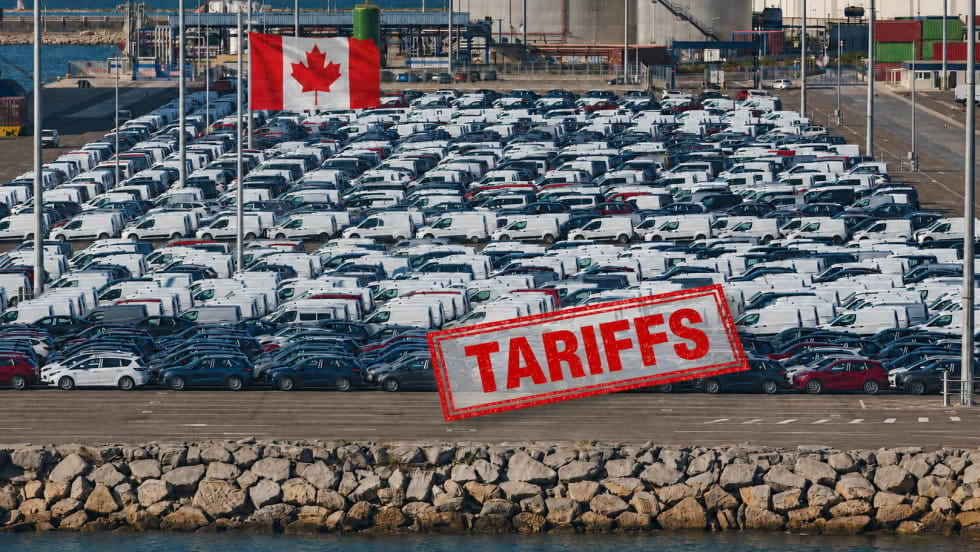
The Only Certainty with the New Tariff Threat Is Uncertainty
Trump’s Canadian tariff threat will not move production overnight, but the uncertainty could influence ordering and pricing now. Longer term, forces beyond tariffs may determine which North American plants survive.
Read More →
What Does It Mean to Embody the Spirit of Fleet?
Presented alongside Fleet Manager of the Year, Fleet Visionary, and Fleet Hall of Fame at AFLA, the new Mike Antich Spirit of Fleet Award is unique in that it recognizes service to the overall profession. Just like Mike.
Read More →
What Separates Great Fleet Managers From Everyone Else?
What do Visionary candidates with fewer than 10 years of experience have in common with Hall of Fame nominees with a lifetime under their belts?
Read More →
The Next Fleet War Won't Be Won on Specs Alone
The 2026 Stellantis Pro One Fleet Preview was less about vehicles and more about what happens after you buy them.
Read More →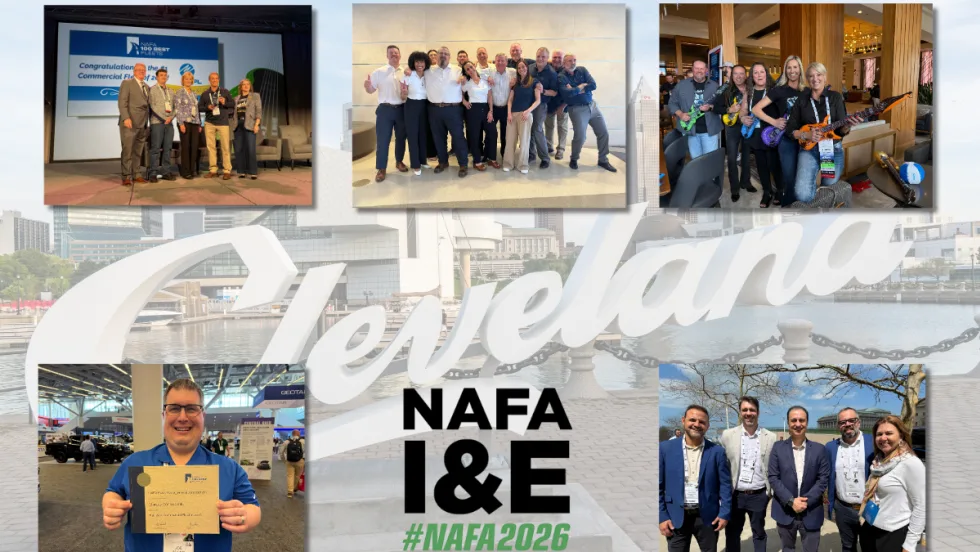
Navigating Brundlefly and Fleet AI at 2026 NAFA I&E
AI is becoming the operating layer for fleets. In Cleveland, the buzz was about harnessing AI in an increasingly complex, permanently disrupted environment.
Read More →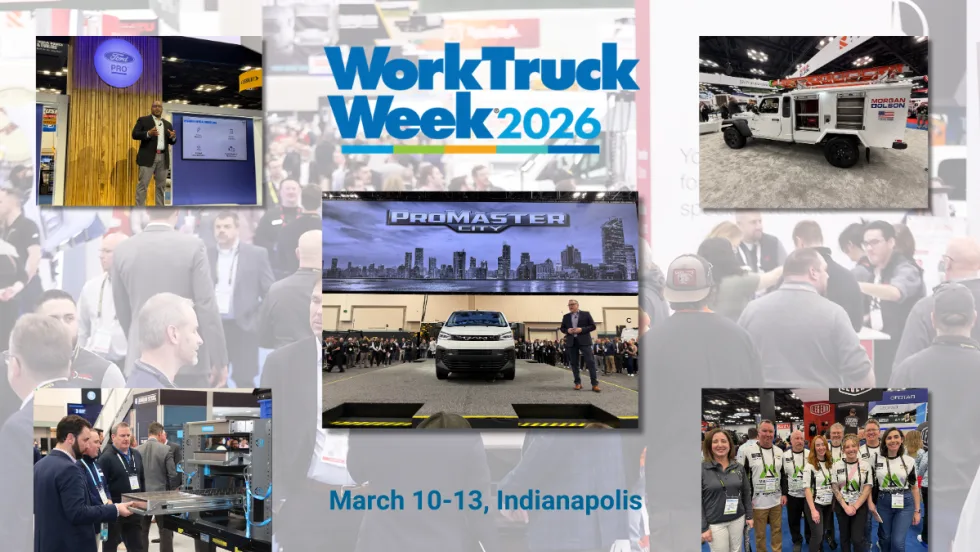
8 Trends: Work Truck Week 2026 Reveals a Fleet Industry in Reset Mode
Walking the show floor this year, the new focus was around “practical innovation” and pragmatic solutions. And oh yeah, a new small van.
Read More →
The Moment AI Became Operational
“AI isn’t assisting us anymore. It’s doing the work,” said CEO Neil Cawse at Geotab Connect 2026. What does this mean for fleet managers?
Read More →
For Mike Antich, it Was Always About the People
He stood tall in the industry in so many ways, but he measured success by the people he served.
Read More →
Solving the Flexible-Lean Fleet Paradox
The lean fleets of yesterday are the fragile fleets of today. Where do we find the balance?
Read More →