




The Double-Edged Sword of AI in Fleet Operations
Today’s business mandate is “Do more with less and do it faster.” Efficiency is everything, but you can’t outsource responsibility to a tool.
June 18, 2025


Are you ready to manage a thousand vehicles with a smaller team?
Photo: Automotive Fleet
4 min to read
I’ve been thinking about how editorial processes have changed in the publishing world. Before printing an issue, we would regularly send a PDF of the issue to an outside copy editor, who would notate grammatical errors and highlight areas that needed clarity. This process no longer happens.
While the shift away from outside copy editors started before the AI revolution, copy editors are not a growth position, because AI can do a lot of the job. (But not all of it.)
Today’s business mandate is “Do more with less and do it faster.” AI is accelerating this mandate at warp speed. Like publishing, this has me thinking about how fleets would expand, contract, or shift, and how the fleet workforce must adjust to these changes.
More Efficient Operations, Fewer Vehicles
The prime directive of any fleet manager is to increase the efficiency and utilization of every vehicle in the fleet, and many AI tools already promote doing more with less.
AI-enabled routing and dispatch are cutting idle time, optimizing routing, and helping to avoid deadhead runs. Similarly, predictive maintenance extends vehicle life and reduces downtime, which extends lifecycles and reduces replacement frequency.
AI can also analyze utilization tracking data to help downsize or consolidate fleets without sacrificing performance.
With these tools, the work that required 125 vehicles can now be done by 100. To be clear, limiting fleet growth in these ways is a good thing.
A Shift in Onsite Jobs
Outside of an organization’s internal fleet count, broader business dynamics affected by AI could lessen or expand the need for fleet vehicles.
B2B sectors that once required in-person reps in sales fleets may transition to AI-supported digital platforms. Remote diagnostics and monitoring tools to service machines and diagnose patients are already being used to replace physical site visits. On the flip side, AI will likely enable new services, like home healthcare and mobile vehicle repair.
And think about the gargantuan power needs of AI:
Hyper-scale data centers require infrastructure and the power of a small city. Consider the electricians, telecoms, renewable energy providers, and cloud computing companies that will use fleet vehicles to construct and service them. The investment capital is already in the trillions.
The Autonomy Factor
In the long term, the shift to autonomous vehicles, dependent on AI, will reduce the need for company-owned fleets. Shared autonomous networks could replace traditional fleet logistics. This would happen in urban delivery and ride-hailing before replacing traditional corporate fleet use. I’ll be retired by then (I think).
But even in a world of robotaxis and autonomous delivery, fleets don’t disappear; they evolve. Autonomous operations still require dispatch and routing centers, scheduled maintenance and cleaning, recharging hubs, and real-time tracking.
In fact, vehicle usage in driverless fleets could increase with continuous operation, requiring more robust back-end fleet management tools and staffing.
Here’s the Double-Edged Sword
Yes, AI can help you do more with less, but that will open the door to staff reductions. Managing 1,000+ vehicles with a smaller team will likely become standard.
If something goes wrong — an error in the maintenance model, a compliance misfire — it’s the human, not the AI, who has to clean up the mess. If your team is stretched thin, those mistakes are harder to catch and more costly to fix.
In other words, AI could expand a fleet manager’s reach but also narrow the margin for error and create new dependencies on tools that are only as good as the humans managing them. Just ask Air Canada. No, the chatbot isn’t liable — you are.
Back to my copy editor analogy: While Grammarly (which I’m using as I write this) is great for proofreading and even for improving clarity and readability, it can’t replace the other part of copy editing that is most valued — questioning me for context or if something doesn’t sound right.
I need to actively create other workarounds to ensure accuracy and clarity in my work that don’t add extra expense, such as a copy editor. Otherwise, I’m failing a quality check that could get me in trouble.
I miss the human copy editor, not because they caught typos, but because they asked the right questions. That’s where AI still falls short.
In fleet, we’re entering a new world of “exception reporting,” where the value shifts to those who can spot subtle problems that technology cannot.
Efficiency is essential, but hopefully not in deference to judgment and accountability. You can’t outsource responsibility to a tool. We just need to make sure our organizations understand this fully and value it.
Subscribe to Our Newsletter
More Blog Posts

How to Win a Fleet Manager Award: Make Your Nomination Count
Strong fleet accomplishments can go unrecognized when the nomination doesn’t make the case. Here’s what judges need to see.
Read More →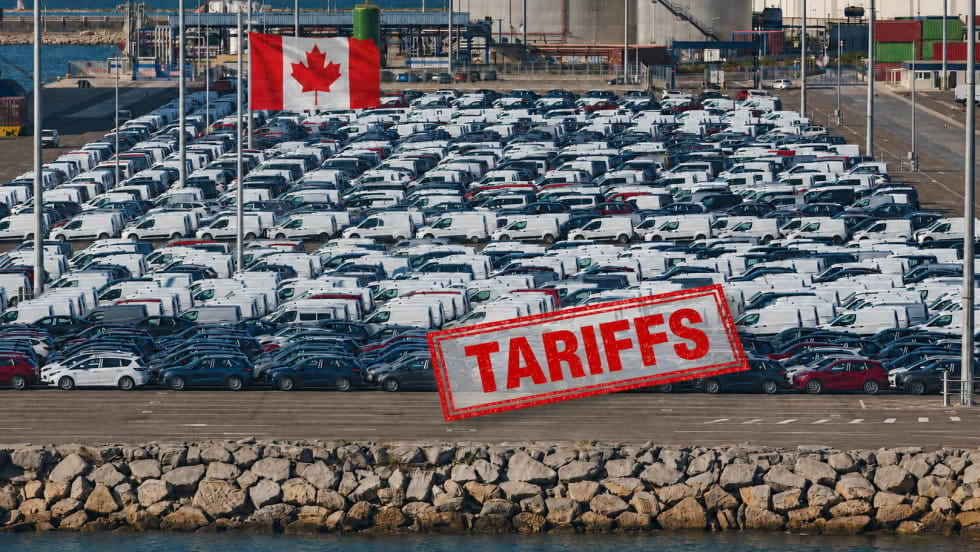
The Only Certainty with the New Tariff Threat Is Uncertainty
Trump’s Canadian tariff threat will not move production overnight, but the uncertainty could influence ordering and pricing now. Longer term, forces beyond tariffs may determine which North American plants survive.
Read More →
What Does It Mean to Embody the Spirit of Fleet?
Presented alongside Fleet Manager of the Year, Fleet Visionary, and Fleet Hall of Fame at AFLA, the new Mike Antich Spirit of Fleet Award is unique in that it recognizes service to the overall profession. Just like Mike.
Read More →
What Separates Great Fleet Managers From Everyone Else?
What do Visionary candidates with fewer than 10 years of experience have in common with Hall of Fame nominees with a lifetime under their belts?
Read More →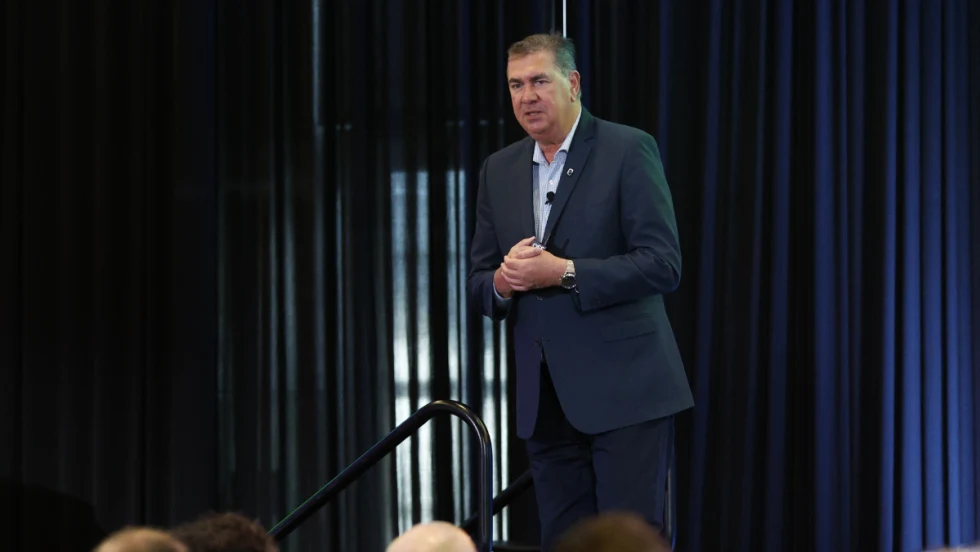
The Next Fleet War Won't Be Won on Specs Alone
The 2026 Stellantis Pro One Fleet Preview was less about vehicles and more about what happens after you buy them.
Read More →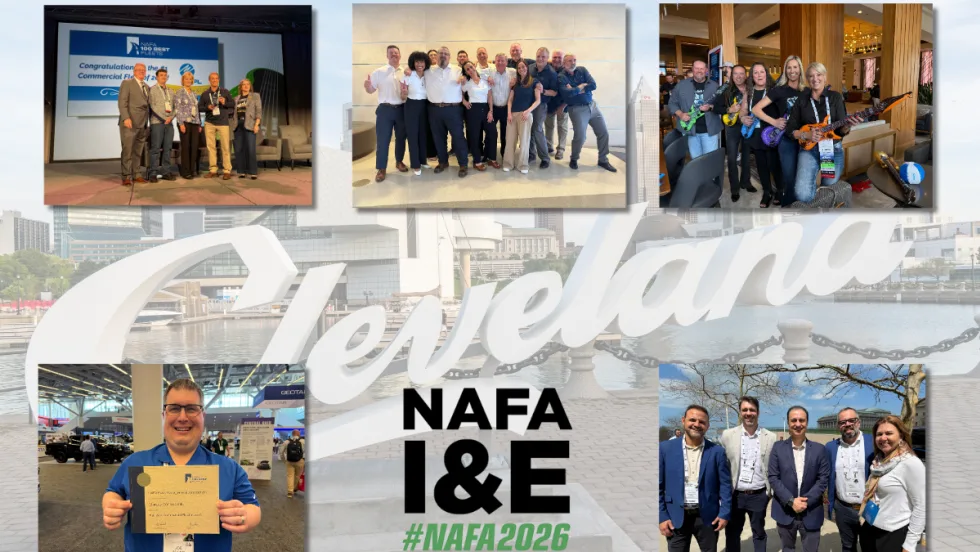
Navigating Brundlefly and Fleet AI at 2026 NAFA I&E
AI is becoming the operating layer for fleets. In Cleveland, the buzz was about harnessing AI in an increasingly complex, permanently disrupted environment.
Read More →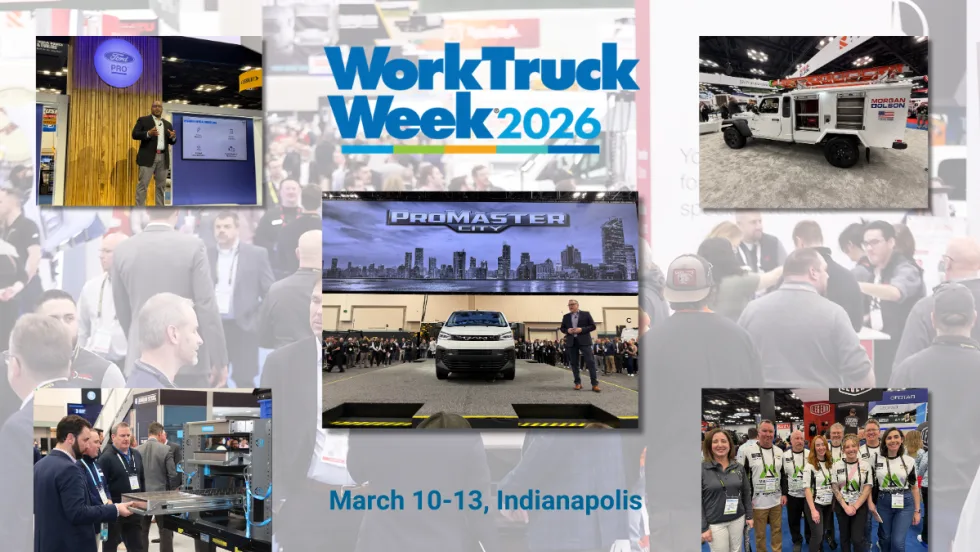
8 Trends: Work Truck Week 2026 Reveals a Fleet Industry in Reset Mode
Walking the show floor this year, the new focus was around “practical innovation” and pragmatic solutions. And oh yeah, a new small van.
Read More →
The Moment AI Became Operational
“AI isn’t assisting us anymore. It’s doing the work,” said CEO Neil Cawse at Geotab Connect 2026. What does this mean for fleet managers?
Read More →
For Mike Antich, it Was Always About the People
He stood tall in the industry in so many ways, but he measured success by the people he served.
Read More →
Solving the Flexible-Lean Fleet Paradox
The lean fleets of yesterday are the fragile fleets of today. Where do we find the balance?
Read More →