




Deciphering the DNA of Award-Winning Fleet Professionals
During my tenure in fleet, I have had the privilege of meeting all 32 fleet manager who won the AF Fleet Manager of the Year Award and the 12 executives who won the FF Fleet Executive of the Year Award. Although each managed different types and sizes of fleets, there were common traits found among these award-winning fleet professionals.Based on my observations, here’s what they had in common:

During my tenure in fleet, I have had the privilege of meeting all 32 fleet manager who won the AF Fleet Manager of the Year Award and the 12 executives who won the FF Fleet Executive of the Year Award. Although each managed different types and sizes of fleets, there were common traits found among these award-winning fleet professionals.
Based on my observations, here’s what they had in common.
10 Traits of a Great Fleet Professional
Great fleet professionals have excellent communication skills. These managers have the ability to conceptualize an idea and communicate it. They have credibility with their senior management because of a strong knowledge base of the profession, which gives them the ability to persuasively work within their organizations to implement new programs.
They recognize that they ultimately serve the drivers, their primary internal customers. As a result, great fleet professionals have the same type of people skills found with sales and service personnel. Furthermore, a great fleet professional establishes a cooperative, working relationship with all internal functions within the corporation that are associated with the fleet function.
They keep senior management informed on fleet performance, budget requirements, new products, and programs. They understand that most executives are not fleet management experts and they only provide them the fleet data critical to making a decision. In addition, they keep fleet reports jargon-free and formatted for quick review and comprehension by their senior management.
A great fleet professional is a goal setter. They set financial goals involving acquisition and remarketing or operational goals involving maintenance and fuel management. They strive to reduce not only hard costs, but also soft costs. They are goal-oriented in all aspects of fleet management, including driver productivity, safety, accident management, and so forth.
Great fleet professionals link fleet operations to the corporation’s overall mission. They keep management informed as to how fleet is helping to improve the corporate mission. Besides being an expert in fleet management, a great fleet professional is also intimately aware of the company’s product line and services, marketing objectives, corporate culture, and the needs of user groups.
Great fleet professionals work with suppliers and other partners to optimize their performance. Some employ supply-chain management techniques, such as bringing suppliers together as a team to facilitate communication with each other to provide efficient, low-cost services to the fleet.
Great fleet professionals never stop learning. They are lifelong learners who attend fleet conferences and seminars to keep pace with best practices as they evolve in the industry. All are active members in industry associations such as AFLA and NAFA.
They keep the company’s interest foremost in all fleet management decisions. When they recommend changes, they do so because it is in the best interest of the company, even though the changes may be detrimental to their own position.
A great fleet professional is able to lead and coach not only the fleet team, but also drivers and multiple management levels. Being a fleet leader is more about serving than being served. A leader does not fear change. A great fleet professional is committed to leadership by example. They are able to inspire a team toward a common purpose or vision. In addition, they possess a passion for success and understand they are a role model. A great fleet professional values ideas, respects team member contributions, and creates a learning atmosphere within their organization that rewards individual accomplishment.
They always conduct themselves in a professional manner.
Senior Management Also Has Responsibilities
Unless senior management recognizes their fleet leader as an active member of corporate management, these traits alone will not be sufficient to guarantee a successful fleet operation. Senior management must follow three guidelines to ensure their in-house fleet professional is allowed to succeed.
The in-house fleet professional must be kept “in the loop” involving all management decisions that may impact fleet operations. Senior management must never enter into any arrangement affecting fleet operations without input from the in-house fleet professional and giving due weight to his or her recommendations. Also, senior management should never bypass the in-house fleet professional by communicating directly with drivers, field management, or company suppliers regarding fleet-related issues.
Senior management must recognize their in-house fleet professional as the subject-matter expert on all matters dealing with fleet management. As a result, the in-house fleet professional must have the full backing and support of senior management when decisions are implemented
Management must make certain the fleet management function has the adequate resources and budget to accomplish the job expected of them.
A Two-Way Street
Great fleet professionals share many attributes that ensure their fleets are operating at the optimum level. On the other hand, without the support of senior management, even the most competent fleet professional will be set up for failure.
Let me know what you think.
More Blog Posts

Fleets Want Trust Restored with Suppliers
During this period of ongoing supply constraints, the trust that fleet managers had with OEMs, upfitters, and dealers has been strained. Fleet managers say they have had too many experiences over the past three years coping with erroneous information, adjusting to multiple price increases, and feeling betrayed by inadequate transparency from suppliers.
Read More →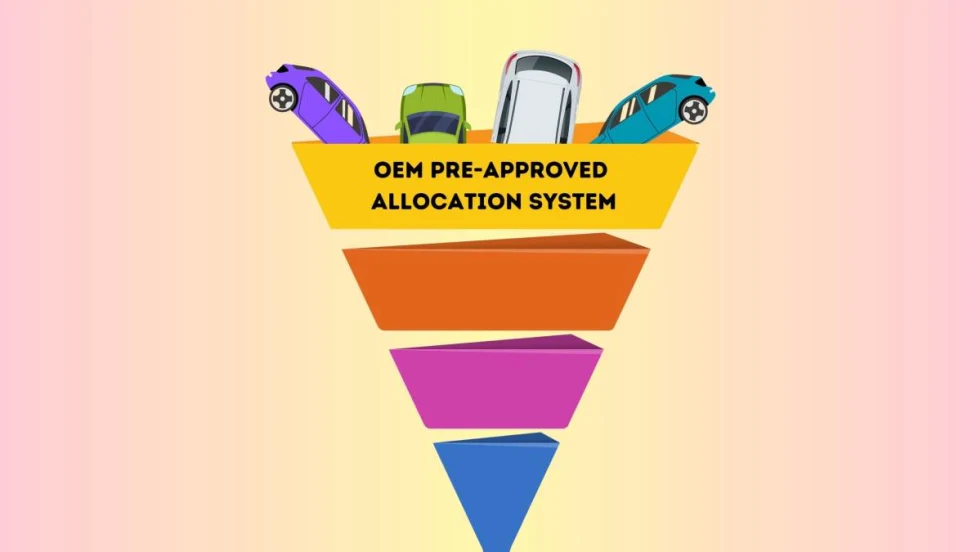
Scheduled Replacement Cycles Are Becoming a Distant Memory
The ongoing difficulty in sourcing replacement vehicles is forcing companies to extend the service lives of vehicles that are unable to be replaced, which, inevitably, increases unscheduled maintenance expenses.
Read More →
Fleet Simplification is the Antidote to Asset Variability
Fleet simplification identifies asset functions to uncover commonality among the equipment and assets. Simplification increases operational efficiency as end-users become accustomed to the controls, displays, and operation of less diverse units.
Read More →
The Dangers of Static Fleet Policies
A fleet policy is a living document, flexible enough to adapt to evolving business priorities, developing industry trends, and changing industry best practices and standards.
Read More →
Short-Term vs. Long-Term Cost Reductions
Corporate procurement staff are often driven by short-term, immediate cost reductions. However, a longer perspective to soft cost savings is critical because fixating on short-term results will hurt a company in the long run.
Read More →
Uptick in Unscheduled Maintenance Increasing Vehicle Downtime
Fleet data analysis can identify recurring downtime issues. It’s important to determine the root causes of downtime so procedures can be developed to minimize such problems.
Read More →
Eliminate Needless Curb Weight to Maximize ICE & EV Efficiencies
Vehicle weight relates directly to fuel economy. In today’s era of electrification, there is also a direct correlation between vehicle weight and battery range.
Read More →
Tech Dependence Risks Dumbing Down Fleet Manager Expertise
The line between creative thinking and problem solving and doing what the data indicates is thin. To lead in fleet management, you need to balance understanding the fundamentals and embracing what smart technology offers.
Read More →
Leverage the Synergy of Safe Driving to Achieve Sustainability and Cost Goals
Safe driving, emission reductions, and cost containment can all be achieved at the same time.
Read More →
The Playbook for Fleet Manager Success
There are many paths to success — most of them involve being flexible, open-minded, and willing to learn.
Read More →