





Enterprise AI refers to artificial intelligence embedded within an organization’s core workflows and systems of record — such as billing, maintenance administration, service desks, and logistics — to automate processes and improve decision-making at scale. Unlike consumer AI, it is governed by company data and contract rules and designed to meet strict requirements for reliability, security, compliance, auditability, and integration with existing enterprise systems.
What is Enterprise AI and How Can it Modernize Fleet Systems?
Merchants Fleet and Cognizant are using enterprise AI to update core systems such as billing, maintenance administration, software development, and remarketing to cut cycle times, improve accuracy, and drive uptime.
December 18, 2025

While AI is often visible at the surface through dashboards and apps, enterprise AI operates beneath the waterline — embedded in core workflows to automate processes and improve decision-making at scale.
Photo: Automotive Fleet
4 min to read
While most of the AI buzz in fleet centers on front-end applications such as analytical dashboards and driver apps, the biggest gains may be happening in back-office workflows.
Merchants Fleet’s partnership with Cognizant — which focuses on employing enterprise AI in operational infrastructure, not just user interfaces — signals the latter.
Cognizant is a global technology services provider that helps enterprises integrate data and artificial intelligence into their operations with the goal of modernizing technology and automating processes to improve decision-making at scale.
While the partnership was only recently announced on Dec. 3, the two companies have been working together for three years to overhaul Merchant’s internal systems using AI-powered automation and predictive analytics. The collaboration is focused on modernizing Merchants Fleet's core operations in sales, fleet management, and customer service.
While Cognizant does not directly interface with fleets, the partnership’s ripple effects are benefiting fleet clients through faster turnaround times, improved billing and maintenance accuracy, and enhanced vehicle availability.
In an interview with Automotive Fleet, Cognizant’s Executive VP Vijay Narayan explained how this approach represents a potential leap forward in enterprise AI applications.
Enterprise AI, as Narayan described, requires nuance: "Consumer AI is very different from enterprise AI. Enterprise AI is all about context, the company workflow, and the DNA of the company."
3-Vector Strategy
Cognizant’s focus is on internal systems, such as billing systems, remarketing applications, and TotalView, Merchants Fleet's fleet management platform.
By applying Cognizant's "three-vector strategy" for AI integration, the collaboration aims to boost operational agility and address industry pain points such as billing complications, slow repair turnarounds, and limited visibility into vehicle performance. Narayan divided the strategy into three vectors:
Vector 1: Hyper-Productivity: This targets IT and development processes. “How can you do things faster using technology and AI — how can people develop code faster?” Narayan said. He added that Cognizant has reduced Merchants Fleet's IT maintenance costs by 30% and shortened development cycles by 35%, while updates to the fleet management system roll out more quickly.
Vector 2: Industrializing AI: Here, AI is embedded into business processes. “Vector two is more about: how do you industrialize AI inside a company — AI inside business processes like customer service, order management, customer acquisition. “How do you bring in AI as a reference standard into companies?”
Vector 3: Agentic AI for Reimagination: While still in early stages at Merchants Fleet, this vector involves multi-agent AI systems to rethink entire processes. Narayan described it as reimagining business models, such as shifting from selling products to offering outcomes like "comfort as a service" in other industries. In fleet management, this could mean subscription-based models or AI-orchestrated roadside assistance that balances automation with human intervention.
In maintenance administration, AI automates invoice processing based on customer profiles, contracts, and history. This has cut cycle times by 75%, Narayan said, reducing service desk calls by 30%, and improving payment accuracy. In remarketing, AI algorithms optimize vehicle transportation routes, reducing transit times by up to 60%, leading to quicker vehicle turns.
These enhancements are handled entirely within Merchants Fleet's operations, with Cognizant acting as a behind-the-scenes partner.
"We manage their entire IT, as well as the business process, be it maintenance administration, or some of the operations around customer service," Narayan said. "We actually run the service desk. We do a lot of the work around remarketing."
Efficiencies That Flow Downstream
The improvements to Merchants Fleet's internal systems are intended to translate into tangible advantages for clients.
Faster invoice processing means fleets receive more accurate and timely billing, reducing disputes and administrative burdens. Optimized remarketing ensures vehicles are repositioned efficiently, minimizing wait times for pickups or deliveries.
Narayan emphasized how AI elevates preventive maintenance beyond traditional schedules or basic telematics. Beyond vehicle maintenance notifications, the AI can predict maintenance needs and the risk of parts failures: “You may actually be able to run (the vehicle) for another month,” he said, “or you may need to bring it in ahead of time because there's a good chance that something's going to break.”
This proactive approach could extend to factors like driver compliance in rural areas or electrification challenges, such as optimizing charge times, he said.
AF’s View
Fleet vendors of all types are still grappling with legacy systems, while fleet customers are demanding more from their vendors. This partnership exemplifies a broader industry shift toward integrated AI platforms that go beyond consumer-grade tools like chatbots.
Cognizant and Merchants Fleet’s partnership on AI-driven optimizations offers a scalable way to deliver speed, accuracy, and innovation.
This model should take hold in other partnerships and applications with other FMCs, lessors, repair networks, and OEM fleet portals.
Subscribe to Our Newsletter
More Fleet Forward

Chad Edmondson Named 2026 Fleet Safety Award Winner
The VSC Fire & Security fleet director oversees more than 1,100 assets nationwide. His approach to improving driver safety emphasizes collaboration, employee engagement, and building trust with the people behind the wheel.
Read More →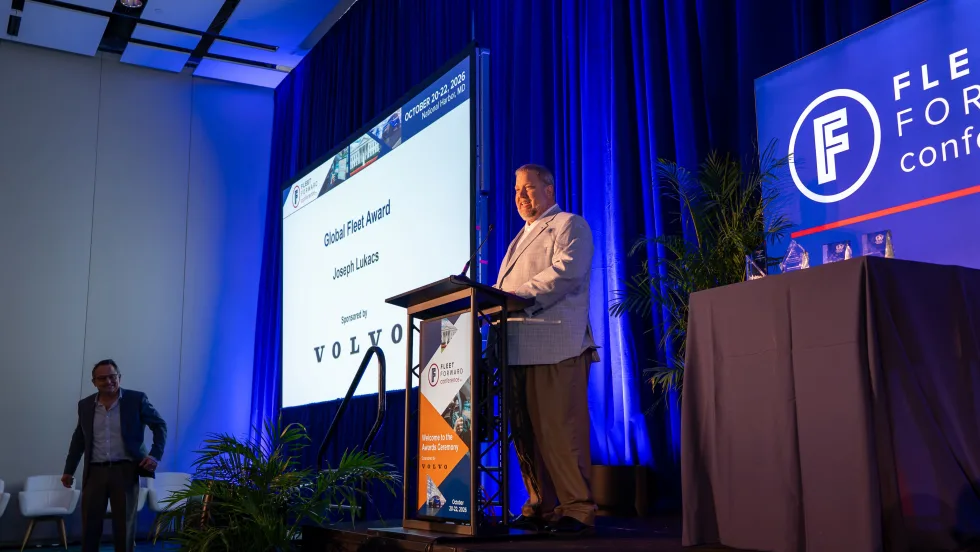
Joseph Lukacs Wins 2026 Global Fleet Manager of the Year
The Sherwin-Williams fleet leader adds another industry honor to his career after being named the 2025 Edward J. Bobit Professional Fleet Manager of the Year.
Read More →
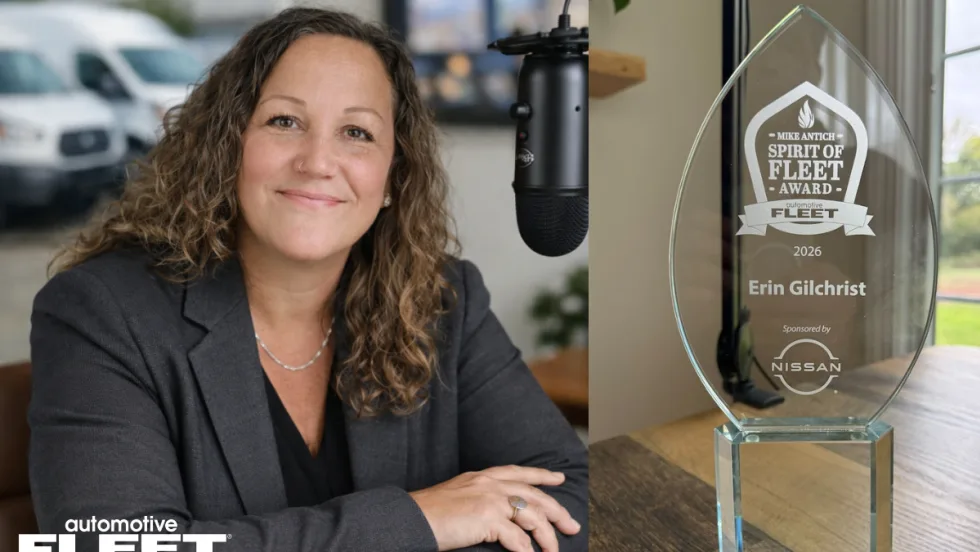
Erin Gilchrist Receives Mike Antich Spirit of Fleet Award
Last week at AFLA in Vegas, Erin Gilchrist received the inaugural, brand-new Spirit of Fleet Award.
Read More →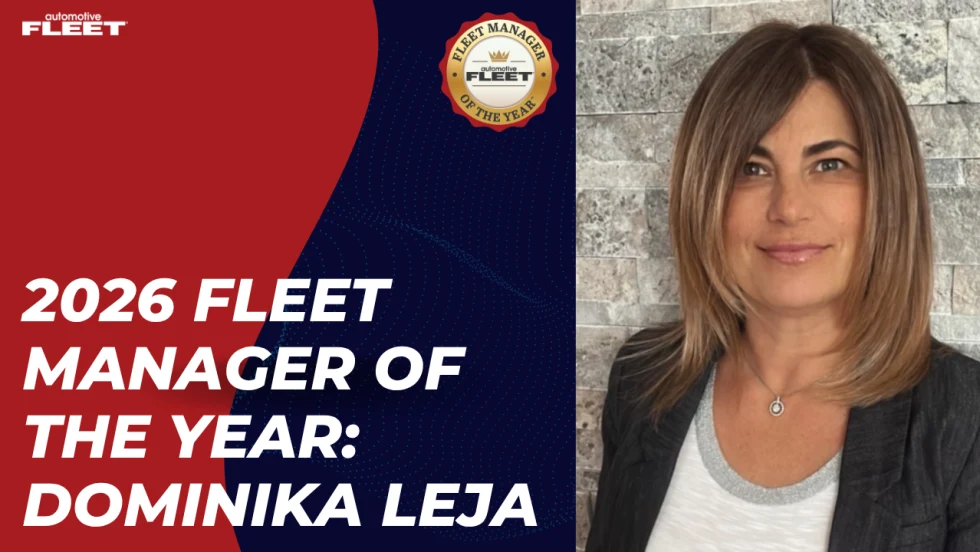
Dominika Leja Named the 2026 Fleet Manager of the Year
The AstraZeneca associate director of fleet was recognized for her leadership in fleet electrification, cost savings, and operational transformation.
Read More →
Jamie McKay Named the 2026 Fleet Visionary Award Winner
The Aptive Pest Control fleet manager was recognized for her approach to operations, data, lifecycle management, and driver needs.
Read More →
Fleet Forward Conference Introduces One-Day Passes for 2026
New one-day registration gives fleet professionals the flexibility to attend Tuesday, Wednesday, or Thursday, with passes available for $199 through Sept. 18.
Read More →
Vibe Coding: When Fleet Managers Become Software Builders
Five fleet professionals — none with programming skills — discuss how they’re using AI to build fleet solutions in-house and in a fraction of the time.
Read More →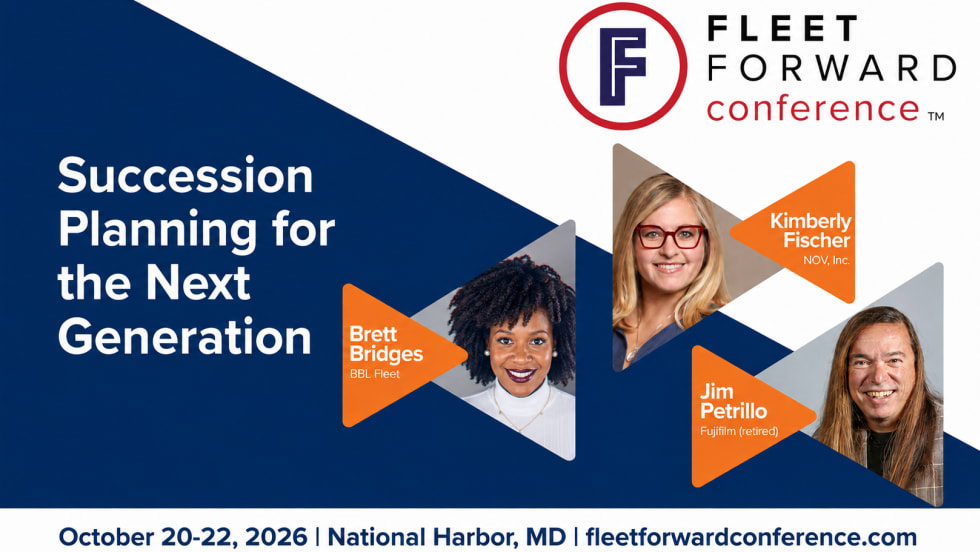
Fleet Forward Conference Tackles Fleet Industry’s Growing Leadership Gap
This session will examine succession planning, knowledge transfer, and the skills the next generation of fleet leaders will need as veteran professionals leave the industry.
Read More →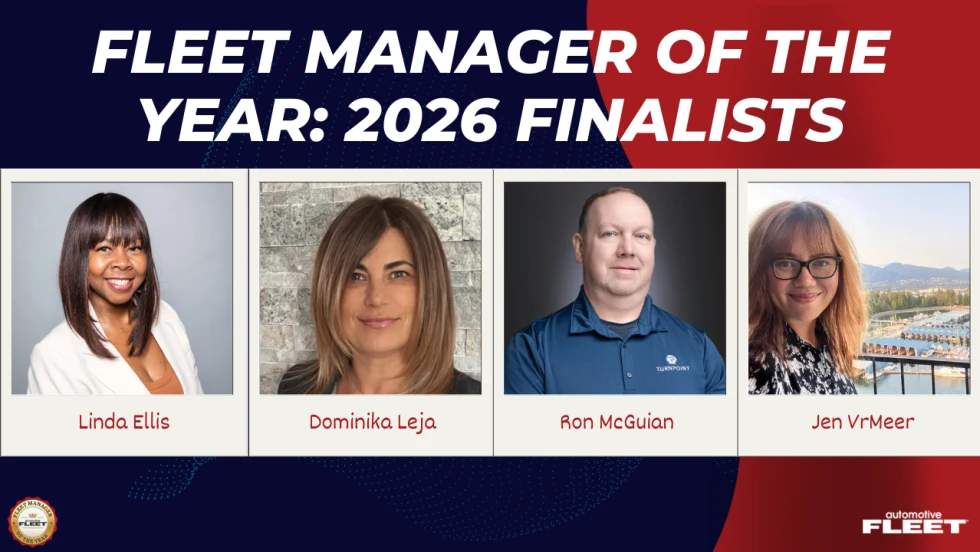
2026 Fleet Manager of the Year Finalists Announced
Who are the 2026 Fleet Manager of the Year finalists?
Read More →