





Keep Reading! What is Enterprise AI and How Can it Modernize Fleet Systems?
Vehicle Management Systems Introduces Virtual Fleet Manager
VMS recently launched an AI-first fleet platform that streamlines system design, organizes data, and supports decision-making.
April 22, 2026
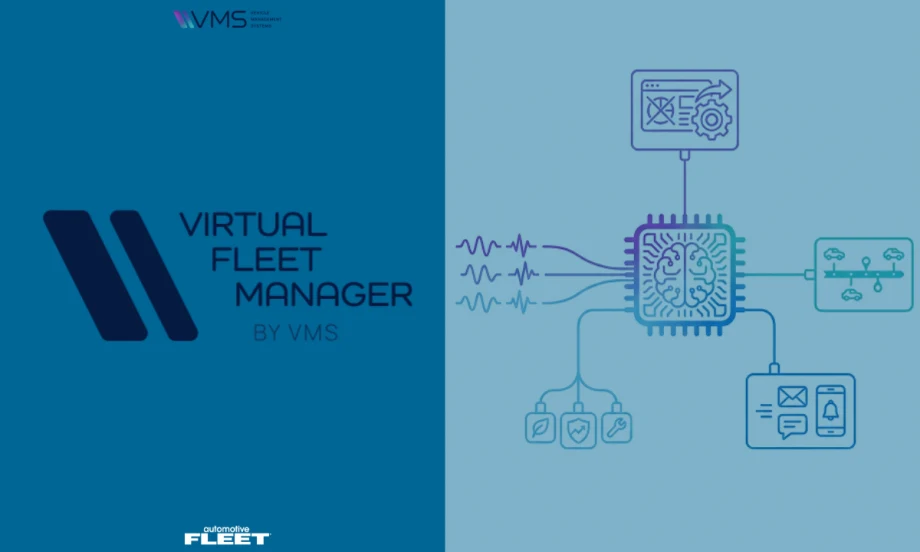
VMS announced the launch of Virtual Fleet Manager, an AI-first platform designed to integrate vehicle data, system inputs, and workflows across fleet and automotive environments.
Credit: Automotive Fleet
3 min to read
Vehicle Management Systems (VMS), an AI-first fleet and vehicle middleware platform serving both fleet and auto retail environments, announced the launch of its Virtual Fleet Manager, an AI-first platform designed to serve as the intelligent operating layer for connected vehicles and fleets.
Virtual Fleet Manager represents distributed AI systems designed for decision-making loops across complex vehicle ecosystems. Delivering this level of autonomous execution requires a new approach to cloud infrastructure, data orchestration, and system design—establishing architecture, not just data, alongside AI at its core.
Following the company’s February 2026 announcement that it is no longer operating in “stealth mode,” this marks the official introduction of the platform and its underlying AI Operating System (AI OS), built for multi-agent execution across distributed environments.
Industry research shows that while 84% of SMBs use a telematics solution, nearly 80% use less than a quarter of its functionality. 75% say systems are too complex, or the data isn’t actionable; 87% report that unexpected repairs disrupt their business; and 80% want automated maintenance scheduling and faster breakdown remediation.
This demand is underscored by the findings. While 69% of companies prioritize AI in their budgets, only 34% feel their infrastructure is ready to scale. Most organizations are hindered by 'AI Infrastructure, such as underfunded architecture and early design compromises, which inflate compute costs. In fleet and vehicle ecosystems, this results in analytics that inform but do not execute.
Virtual Fleet Manager is AI-native. The core architecture allows the platform to continuously analyze data streams from connected vehicles, OEM systems, service records, warranty platforms, and operational inputs. Rather than relying on static reports or alerts, the system evaluates context, prioritizes issues, and automates workflows that reduce downtime and prevent disruption.
For example, when a vehicle is added via VIN or a simple door card photo, the AI automatically identifies powertrain configuration, duty cycle, and OEM-recommended service life. As conditions change, such as trailering or heavier usage, the platform recalibrates service intervals dynamically. When issues like engine fault codes or tire pressure anomalies arise, the system diagnoses, prioritizes, and initiates action – coordinating service scheduling, validating shop capability and parts availability, and capturing completed service data to refine lifecycle cost and performance insights.
The platform’s architecture is built on a modular AI-core middleware framework. A signal ingestion layer aggregates data from telematics providers, OEM APIs, OBD-II devices, service logs, and warranty systems. A centralized layer evaluates signals in context to identify risk and maintenance needs. An execution layer orchestrates workflows, including dealer routing, warranty validation, and stakeholder notifications. A data layer preserves event timelines and performance metrics for uptime and total cost of ownership reporting.
VMS is not replacing telematics platforms. Instead, Virtual Fleet Manager operates as the agentic execution across fragmented systems and connecting data sources. Its modular design enables capabilities such as emissions tracking, risk scoring, and service orchestration through a single agentic layer. The platform offers partner and public APIs, OEM and DMS integrations, role-based access control, and a privacy-by-design architecture.
For dealers, retailers, and fleets, the platform enables service engagement and customer retention opportunities.
For vehicle service contract (VSC) providers, insurers, OEMs, and fleet management companies (FMCs), it delivers real-time visibility into vehicle health and service activity. Across all stakeholders, it reduces the time required for tasks and the effort needed to keep fleets running.
“Fleet operators and dealers don’t need another dashboard. They need a system that helps them operate more efficiently without adding complexity,” said David Prusinski, CEO of VMS. “We built Virtual Fleet Manager with an AI Operating System at its core so it can interpret signals across systems, prioritize what matters, and act - taking the right actions in real time. That’s the difference. It’s not about surfacing more information; it’s about turning that information into immediate action.”
More Fleet Forward

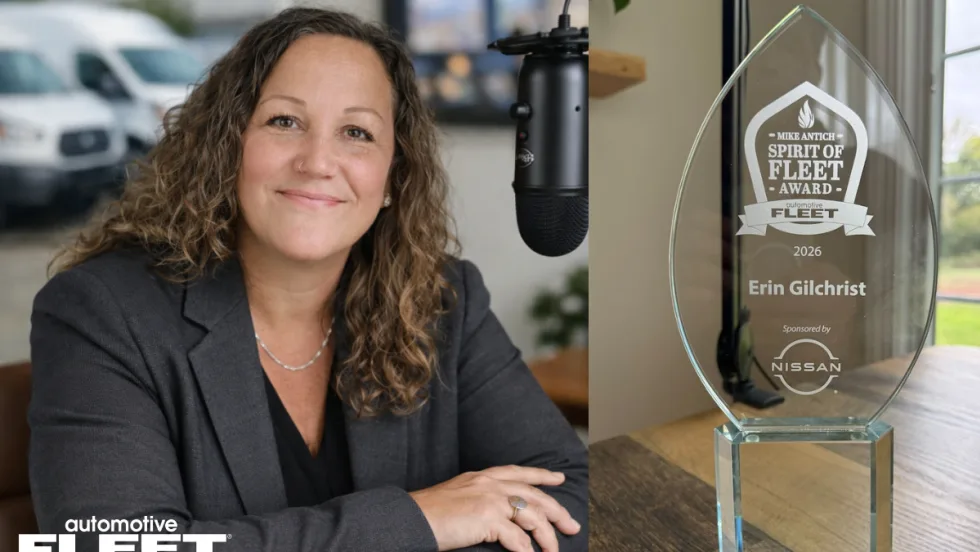
Erin Gilchrist Receives Mike Antich Spirit of Fleet Award
Last week at AFLA in Vegas, Erin Gilchrist received the inaugural, brand-new Spirit of Fleet Award.
Read More →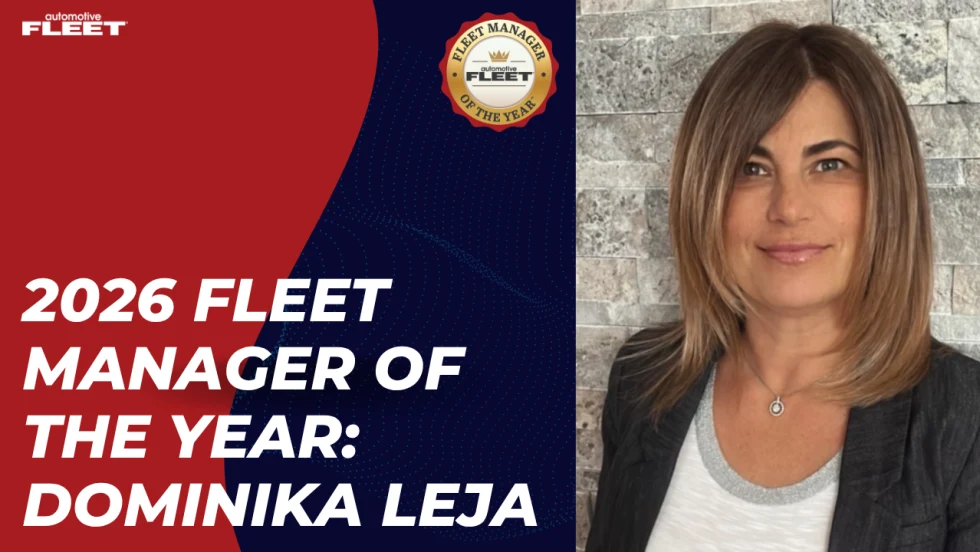
Dominika Leja Named the 2026 Fleet Manager of the Year
The AstraZeneca associate director of fleet was recognized for her leadership in fleet electrification, cost savings, and operational transformation.
Read More →
Jamie McKay Named the 2026 Fleet Visionary Award Winner
The Aptive Pest Control fleet manager was recognized for her approach to operations, data, lifecycle management, and driver needs.
Read More →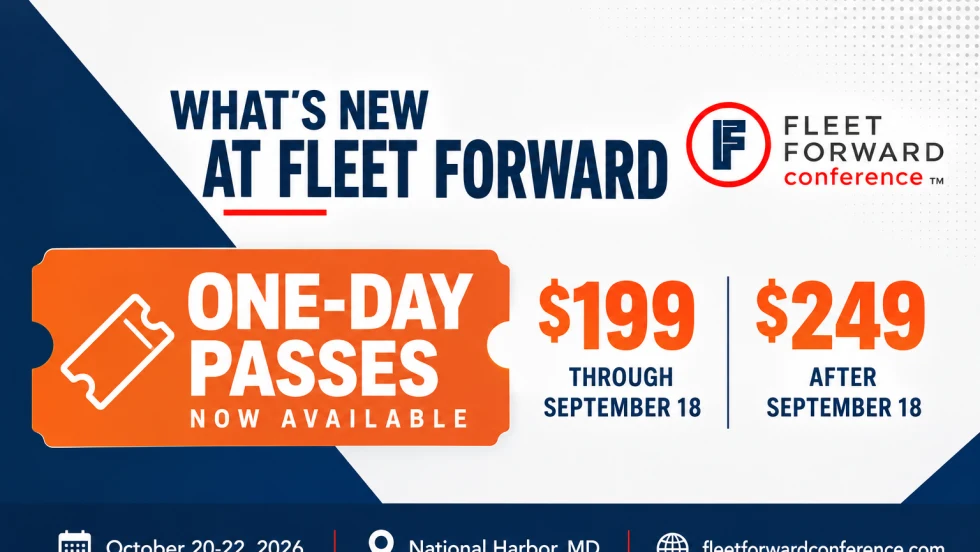
Fleet Forward Conference Introduces One-Day Passes for 2026
New one-day registration gives fleet professionals the flexibility to attend Tuesday, Wednesday, or Thursday, with passes available for $199 through Sept. 18.
Read More →
Vibe Coding: When Fleet Managers Become Software Builders
Five fleet professionals — none with programming skills — discuss how they’re using AI to build fleet solutions in-house and in a fraction of the time.
Read More →
Fleet Forward Conference Tackles Fleet Industry’s Growing Leadership Gap
This session will examine succession planning, knowledge transfer, and the skills the next generation of fleet leaders will need as veteran professionals leave the industry.
Read More →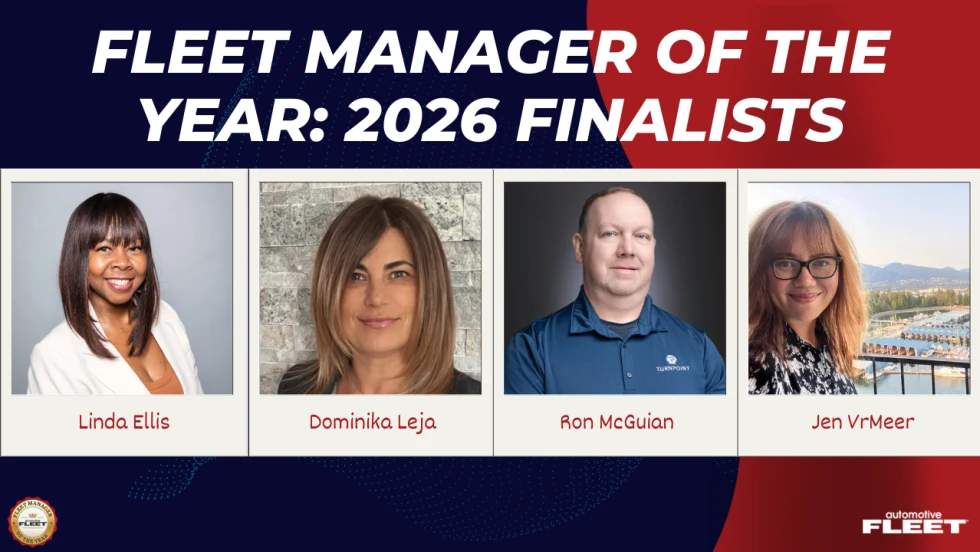
2026 Fleet Manager of the Year Finalists Announced
Who are the 2026 Fleet Manager of the Year finalists?
Read More →
John Rossant to Deliver Opening Keynote at 2026 Fleet Forward Conference
The CoMotion founder will draw on developments across Europe, China, the Middle East, and other international markets to identify trends that could influence how U.S. fleets plan for the coming decade.
Read More →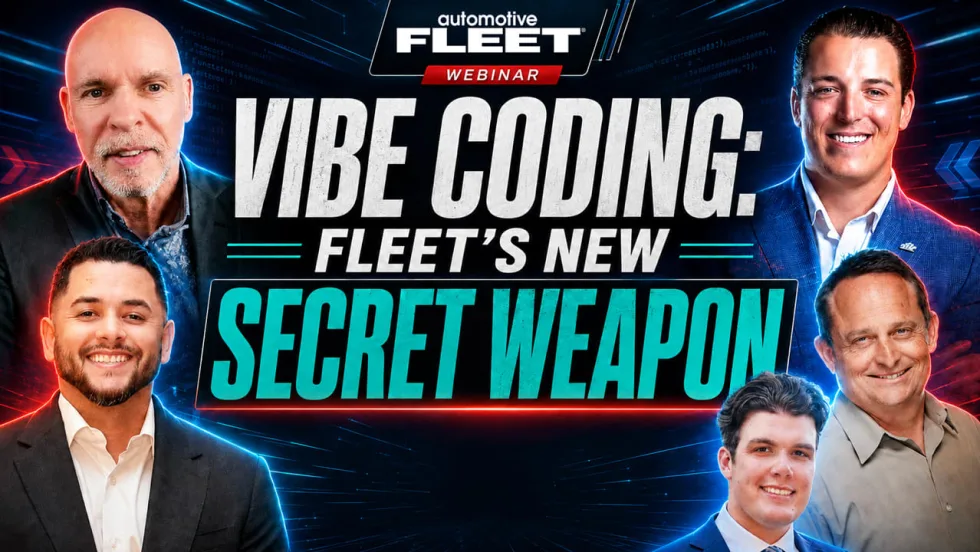
How to Build Custom Fleet Tools With AI and Vibe Coding [Webinar]
A new Automotive Fleet webinar explores how fleet managers are using AI and vibe coding to automate routine work and create simple operational tools without traditional programming skills.
Read More →