




LightMetrics Launches Cloud AI Layer to Reduce False Driver Safety Alerts
New FP platform filters dashcam alerts before they reach fleet managers, aiming to cut false positives, improve trust, and streamline safety coaching.


A cloud-based AI layer from LightMetrics refines driver safety alerts, helping fleet managers cut through false positives and focus on real risks.
Credit: Automotive Fleet
LightMetrics announced FP, a cloud-based artificial intelligence (AI) layer designed to filter driver safety alerts before they reach fleet managers, prioritizing higher-risk events for review.
Fleets across the industry have invested heavily in driver monitoring cameras, but the volume of inaccurate alerts these systems generate can erode trust on both sides. Drivers may feel unfairly flagged for events that were not genuinely risky, and fleet managers often spend significant time reviewing alerts that turn out to be false alarms. Over time, engagement with these systems may decline. FP is designed to address this issue by providing fleet managers and safety teams with a tool that improves the relevance of alerts and supports more efficient review and coaching processes.
How FP Works
Traditional dash cameras process video footage directly on the device, analyzing short clips to detect risky driving behavior. Edge devices, however, operate under real constraints. Limited on-board computing power and device costs mean that the largest, most accurate neural networks cannot always run on in-vehicle hardware. This is a fundamental trade-off in the industry, not a design flaw, but a reality of deploying safety technology at scale. FP is built to resolve that trade-off, adding a second layer of intelligence in the cloud where a more powerful AI model re-examines every event flagged by the camera before it reaches anyone’s queue. This cloud layer has access to greater processing power than any in-vehicle device, enabling it to run more sophisticated analyses.
Drowsiness and fatigue detection is among the most challenging behaviors to identify accurately, given the wide range of ways it can manifest. LightMetrics’ edge AI already achieves 94% precision on these events, which means that for every 1,000 genuine drowsy driving incidents, roughly 60 alerts are false positives. In early customer deployments, FP reduces that number to just 9, lifting precision from 94% to 99.1%. For a fleet manager, that is the difference between a coaching queue they can trust and one they have learned to ignore.
The result is a curated coaching queue that contains only the events that genuinely warrant attention.
“Every false positive has a cost, such as driver attention, eroded trust, and wasted time. Manual reviews are time-consuming, expensive, and inconsistent. FP is built on advances in generative AI and vision-language models,” said Krishna Govindarao, co-founder and head of product and marketing. “We are giving fleet operators something they have never had before: complete confidence that when an alert surfaces, it is real, it is serious, and it demands action.”
What This Means for Fleets
For fleet managers and safety teams managing large numbers of drivers, the ability to focus on genuine risks rather than sifting through hundreds of questionable alerts is a meaningful shift in how driver safety technology can be used. LightMetrics sees FP as part of a broader vision to make AI-powered fleet safety not just more accurate, but also more actionable, helping fleets build stronger coaching programs, improve driver relationships, and make better use of the technology they have already invested in.
With deployments spanning North America, Europe, Latin America, the Middle East, Asia, and Australia, LightMetrics is positioned to bring FP to fleets and telematics providers worldwide.
More Fleet Forward
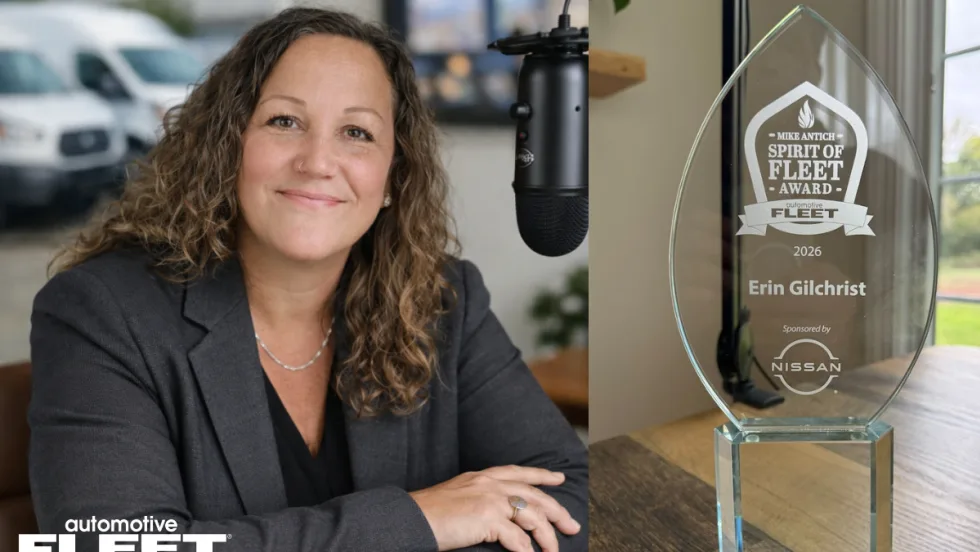
Erin Gilchrist Receives Mike Antich Spirit of Fleet Award
Last week at AFLA in Vegas, Erin Gilchrist received the inaugural, brand-new Spirit of Fleet Award.
Read More →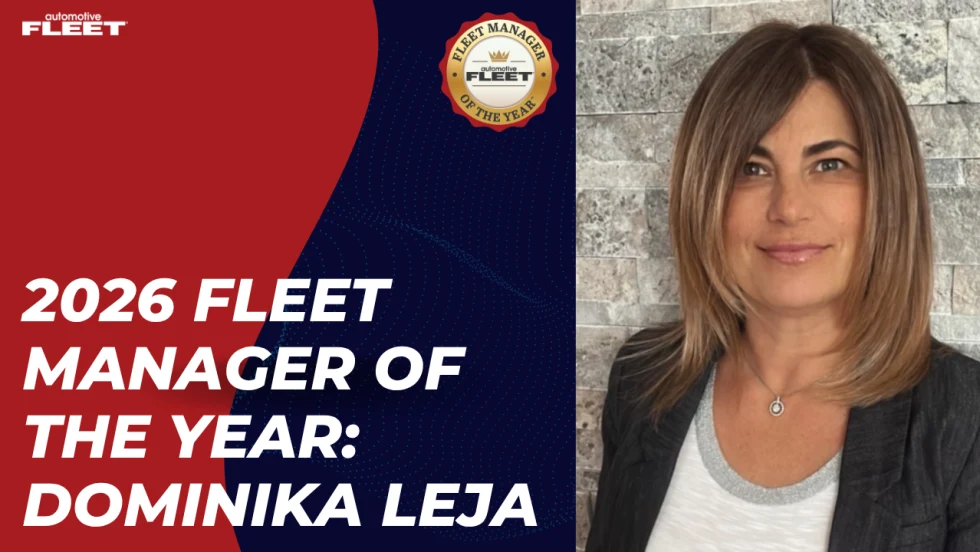
Dominika Leja Named the 2026 Fleet Manager of the Year
The AstraZeneca associate director of fleet was recognized for her leadership in fleet electrification, cost savings, and operational transformation.
Read More →
Jamie McKay Named the 2026 Fleet Visionary Award Winner
The Aptive Pest Control fleet manager was recognized for her approach to operations, data, lifecycle management, and driver needs.
Read More →
Fleet Forward Conference Introduces One-Day Passes for 2026
New one-day registration gives fleet professionals the flexibility to attend Tuesday, Wednesday, or Thursday, with passes available for $199 through Sept. 18.
Read More →
Vibe Coding: When Fleet Managers Become Software Builders
Five fleet professionals — none with programming skills — discuss how they’re using AI to build fleet solutions in-house and in a fraction of the time.
Read More →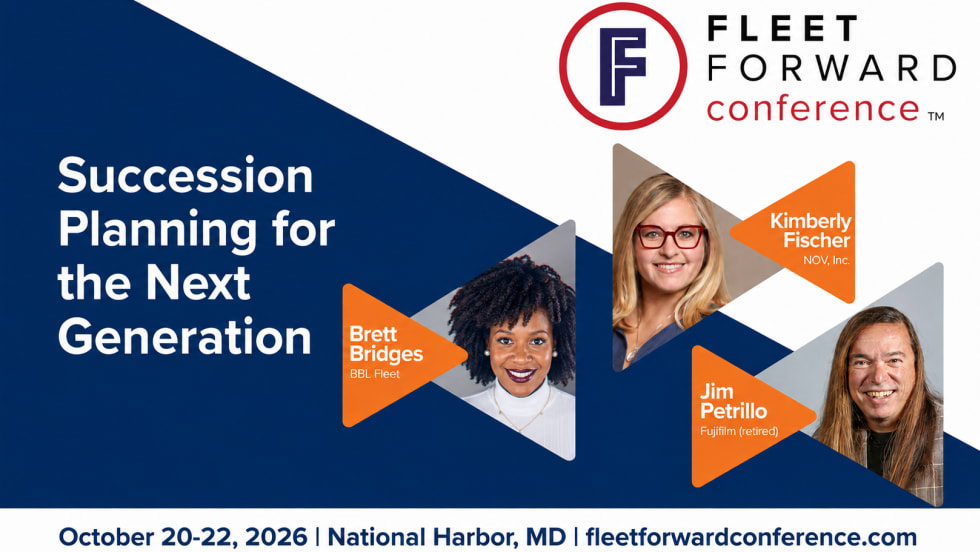
Fleet Forward Conference Tackles Fleet Industry’s Growing Leadership Gap
This session will examine succession planning, knowledge transfer, and the skills the next generation of fleet leaders will need as veteran professionals leave the industry.
Read More →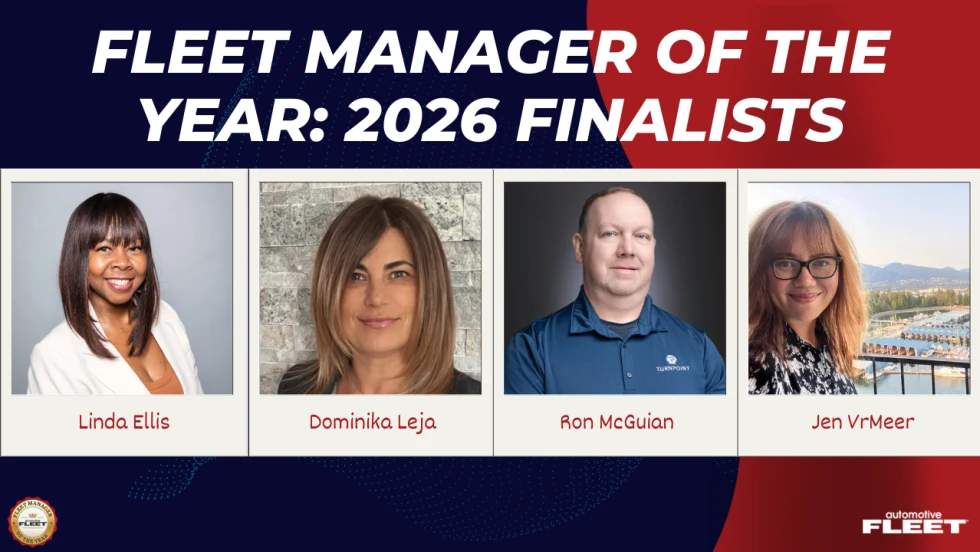
2026 Fleet Manager of the Year Finalists Announced
Who are the 2026 Fleet Manager of the Year finalists?
Read More →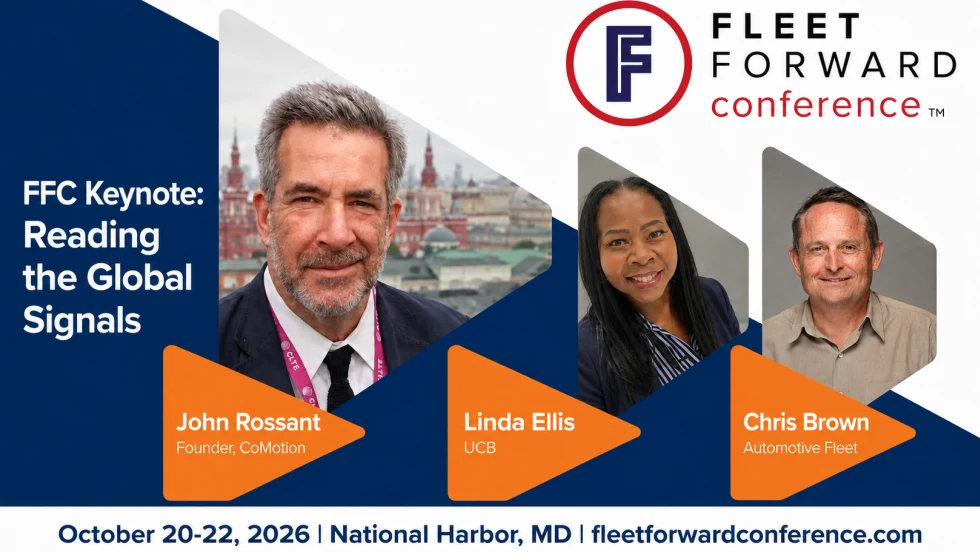
John Rossant to Deliver Opening Keynote at 2026 Fleet Forward Conference
The CoMotion founder will draw on developments across Europe, China, the Middle East, and other international markets to identify trends that could influence how U.S. fleets plan for the coming decade.
Read More →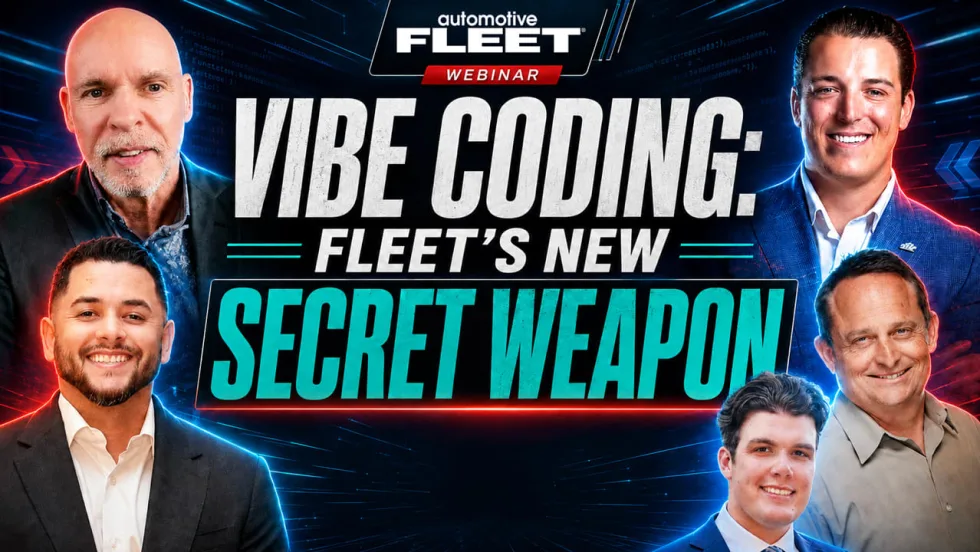
How to Build Custom Fleet Tools With AI and Vibe Coding [Webinar]
A new Automotive Fleet webinar explores how fleet managers are using AI and vibe coding to automate routine work and create simple operational tools without traditional programming skills.
Read More →