




Warranty Recovery: More Stringent Manufacturer Enforcement Limits Dollars
Warranty recovery costs are under greater scrutiny by vehicle manufacturers than they have been in the past, requiring accurate and complete maintenance histories to substantiate compliance with OEM maintenance requirements.


While warranty recovery remained fairly stable in 2018 when compared to 2017, most fleets have noticed increased scrutiny by OEMs in determining warranty eligibility.
Photo courtesy of Getty Images.
Editors note: This article is part of a four-part package dealing with operating costs in 2018. Read related articles that offer and in depth look at tire prices, fleet maintenance, as well as an overview of operating costs.
All new vehicles are covered under a factory limited warranty program. Warranty recovery can help a fleet manage its maintenance costs, especially with extended powertrain warranties, which cover most components during the service life of a vehicle.
“Today, there are more warranty coverages extending comprehensive and powertrain coverages, as well as offering free maintenance for some period. These have all worked to impact warranty coverages and extended good will,” said John Wuich, vice president, strategic consulting services for Donlen.
However, warranty recovery tightened in 2018 due to greater OEM scrutiny, resulting in a slight decrease in recovery dollars. “We observed slight increases in CPM in all segments with warranty recovery in 2018 compared to last year,” said George Albright, assistant director of maintenance for Merchants Fleet Management. “However, fleet powertrain warranty coverage among the manufacturers has remained consistent for fleet vehicles.”
More Stringent Enforcement of Manufacturer Services
One ongoing trend is more stringent enforcement of manufacturer recommended services to be eligible for warranty coverage and recovery of rental expenses for temporary replacement vehicles while the fleet unit is in the shop for warranty work.
“Rental costs have risen for units that are down for lengthy periods of time due to warranty repairs. OEMs have started tightening their rules for recovering these rental costs, so fleets are feeling the impact even more,” said Dale Jewell, director, North American maintenance operations for Emkay. “Fleets should proactively plan for replacement units in these cases. Whether it’s reassigning a pool unit or transporting a vehicle from another location, the cost of these alternative routes could be less than that of an extended rental.”
While warranty recovery remained fairly stable in 2018 when compared to 2017, most fleets have noticed increased scrutiny by OEMs in determining warranty eligibility.
“Warranty recovery costs are under greater scrutiny by vehicle manufacturers than they have been in the past, with increased emphasis placed on customer loyalty,” said Kelley Hatlee, CAFS, national service department technical support supervisor for Enterprise Fleet Management. “Accurate and complete maintenance history, as well as technical expertise, are critical for warranty recovery efforts. Partnering with an FMC offers the benefits of strong industry partnerships and a team of knowledgeable experts.”
Most warranty recovery occurs during the term of the new-vehicle warranty. A factor driving a reduction in post-warranty recovery is longer base and powertrain warranties.
“As a general observation, warranty recovery held true for 2018 with minimal change as compared to 2017. However, there is a noticeable trend of OEMs becoming more stringent in terms of warranty recovery and support. Specifically, the OEMs are looking for additional documentation to support warranty claims in an effort to ensure the units were properly maintained prior to failure,” said Chris Foster, manager, truck account administration for ARI. “This really underscores the importance of PM compliance. Adhering to consistent preventative maintenance schedules to minimize PM variability is something the OEMs are stressing across the board. During the warranty claims process, PM variability is closely scrutinized.”
As part of the trend of more stringent enforcement, OEMs are paying close attention to adherence of manufacturer recommended services to qualify for warranty coverage.
Following the manufacturer’s recommended PM schedules is critical to maximize chances of warranty being covered at the dealership. In today’s environment, it is critical that fleet managers be aware of OEM maintenance requirements and follow the manufacturer’s guidelines using technology to track when preventive maintenance is needed and providing alerts when it is missed.
“With more fleets utilizing OEM manufacturers outside of the ‘Big Three,’ we have had to establish new or build upon current relationships to obtain post-warranty recovery and repair assistance,” said Mark Lange, CAFM, managed maintenance consultant for Element Fleet Management.
In addition, demonstrated customer loyalty for a particular OEM is playing an increasing role in warranty recovery claims. Accurate and complete maintenance history has become increasingly important to warranty recovery efforts.
One factor contributing to the decline in the number of vehicles at a dealership for warranty work is the decline in the number of recalls from what fleets experienced in past years.
“We’re seeing fewer recalls impacting our client’s portfolios which is reducing our client’s rental/spare vehicle costs,” said Chad Christensen, strategic consultant for Element Fleet Management.
Improved Vehicle Quality
Higher vehicle build quality is another factor for a decrease in warranty recovery monies. The top three factors contributing to a reduction in warranty recovery monies were increased vehicle quality, extended emissions warranties, and extended powertrain warranties.
“Some of our clients have moved to shorter lifecycles thus decreasing maintenance costs,” said Christensen of Element.
Post-warranty policy adjustment decisions are often being made at the dealership level. The timeframe in which dealers are completing warranty claims is increasing. In some cases, this is due to delays in part manufacturing. Also, as OEMs become more competitive in the preventive maintenance and general repair market, they are becoming busier, which can sometimes create a backlog at the service department to complete warranty repairs quickly.
More Maintenance

Fleet Manager’s Ultimate Playbook: Navigating the New Standard in OEM Connectivity
Rising operating costs, driver safety concerns, and unplanned downtime are putting unprecedented pressure on modern fleets. Discover how fleet managers use embedded OEM connectivity and real-time vehicle data to cut TCO, prevent downtime, and protect drivers without aftermarket telematics hardware.
Read More →
How Can Fleet Managers Tell Which Repairs Require Closer Review?
Fleetio’s Brianna Perry demonstrates how Service Advisor evaluates maintenance requests, identifies pricing anomalies, and provides the context fleet managers need to focus their attention on potential problems.
Read More →
Why Roadside Assistance Belongs in a Fleet Risk Strategy
Roadside assistance is more than a tow. See how the right partner can protect drivers, uncover fleet trends, and strengthen your risk strategy.
Read More →
Hidden in Plain Sight: Fleet Compliance Risks
Fleet compliance isn't just about having policies — it's about consistently enforcing them. This practical guide reveals six hidden compliance risks common in public sector and shared fleet operations and outlines proven strategies to improve visibility, accountability, and audit readiness
Read More →
How Maintenance Costs Compare Across 27 Fleet Vehicles
Vincentric’s three-year, 60,000-mile projections reveal wide differences for both scheduled and unscheduled maintenance among selected vehicle categories. Projected maintenance visits also play a factor.
Read More →
The EV Breakdown Nobody's Talking About: Why Most Electric Vehicle Roadside Calls Aren't Mechanical Failures
Here's why EV breakdowns are widely misunderstood.
Read More →
How Stellantis Plans to Get Ahead of Fleet Downtime
Keeping fleet vehicles on the road has become as important as buying them. Darren Bradshaw of Mopar North America explains how connected vehicle data, AI, and proactive service strategies are helping Stellantis reduce downtime and move closer to predictive maintenance.
Read More →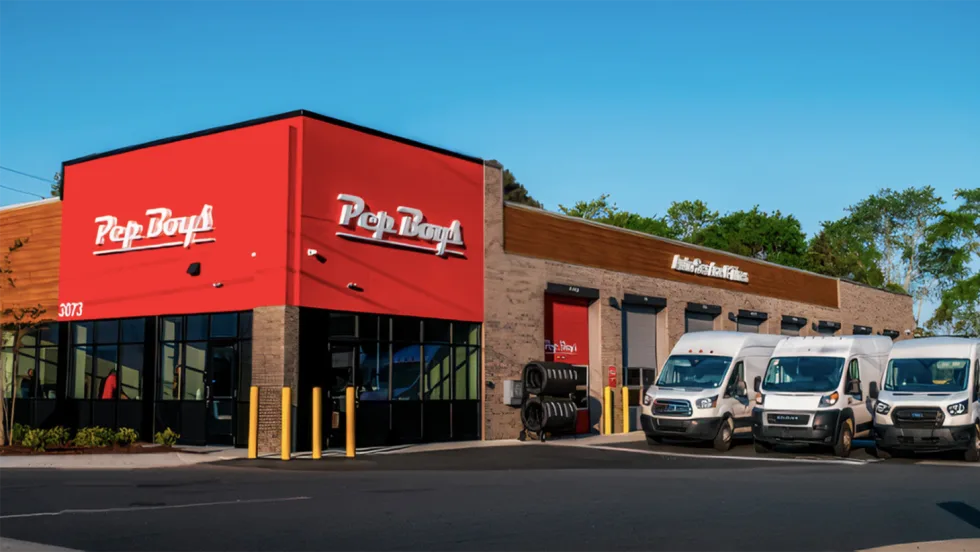
Merchants Fleet Expands Maintenance Network with Pep Boys
Merchants Fleet has expanded its relationship with Pep Boys, increasing the service provider's role within its national maintenance network. The move is intended to enhance maintenance coordination and support commercial fleets through Pep Boys' nationwide footprint.
Read More →
The Two Biggest Summer Downtime Threats for Fleets
A conversation with a maintenance expert reveals the two most common summer maintenance pains and how to prevent them.
Read More →
From Marine Corps Motor Pool to Managing 460 Fleet Vehicles
Cesar Ayala of O’Connell Landscape Maintenance shares how he transitioned from the Marine Corps to managing a 460-vehicle fleet—and the real-world challenges of maintenance, compliance, and driver management in California.
Read More →