




Learn More: Drivewyze, Verisk Collab to Fight Cargo Theft
Telematics Cuts 200-Truck Fleet Annual Fuel Spend by Nearly $200K
The wireless system helps a lumber transport company prevent unauthorized use, decrease idling time, and avoid maintenance problems.
by Daryl Lubinsky
November 1, 2008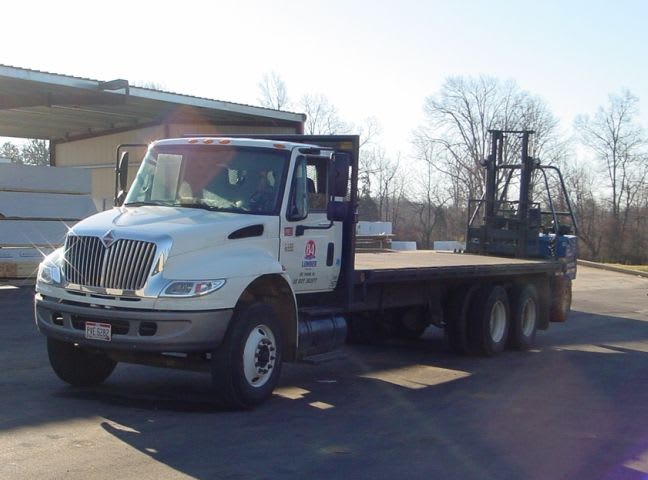
Through a wireless vehicle management system, BLS Trucking can track vehicle locations, forestall vehicle theft, and reduce idling times.
Photo: BLS Trucking
3 min to read
For BLS Trucking, which transports lumber for about 60 stores in seven states, it is a major task to prevent its drivers from taking the company’s trucks home at night.
Josh Zimmet, executive administrator for Dayton-Ohio-based BLS Trucking, said closely tracking its trucks can mean millions of dollars toward a company’s bottom line, especially in these days of record-high gasoline prices.
"A truck going just 10 miles out of the way every night to someone’s home could cost me thousands of dollars over the course of a year," said Zimmet, who supervises a 210-truck fleet, primarily International and Freightliner models. In addition to preventing unauthorized use and unnecessary idling time, he also wanted to combat the company’s increasing occurrence of truck thefts.
In 2006, BLS implemented Networkfleet, a wireless vehicle management solution offered by Networkcar. By eliminating unauthorized use and unnecessary idling time, BLS saved $188,539 in fuel consumption alone during the first year, amounting to more than $900 in savings per vehicle.
Curbing Unauthorized Use & Idling
BLS drivers often drove their trucks home after the workday, hoping management wouldn’t notice. Since the company installed Networkfleet, Zimmet said some drivers now test the system.
"Sure enough, we call them and say, ‘Hey, you need to at least report this.’ With today's prices, a truck that gets seven miles a gallon doesn’t take much to start incurring significant dollars. We’ve saved some serious fuel dollars over the course of the last year and a half by putting a stop to these trucks going home," Zimmet said.
Zimmet uses a new Networkfleet product that sends instant alerts to his cell phone when a truck is speeding, operating outside a certain area, or idling too long. Any time a truck idles for more than 30 minutes, a text message is sent to Zimmet’s phone and e-mail.
Theft & False Claim Documentation Offered
Three BLS trucks were stolen in the year prior to the Networkfleet implementation. Since installing Networkfleet in its trucks, the company has experienced only one vehicle theft, and the system helped recover the vehicle within 24 hours. "We pulled it up on Networkfleet and saw where the truck was. The truck was parked without anybody in it when the police showed up," Zimmet recalled.
BLS Trucking can now document a truck’s location in response to a report of a problem involving a company truck. A BLS driver was recently accused of hitting a parked car, but through Networkcar’s GPS technology, BLS proved the truck was at another location at the time of the accident. "Probably three times in the last six months I’ve been able to use Networkfleet to basically prove we weren’t at a scene," Zimmet said.
He also explained the company chose Networkfleet primarily for the system’s diagnostics feature. A box hooks directly to the truck’s computer and can provide diagnostic alerts, such as exact odometer totals or a reading that indicates a brake problem. "It will hit the GPS and can alert me before we actually have a bigger problem," Zimmet said.
Originally posted on Work Truck Online
Subscribe to Our Newsletter
More Fuel
Fuel Prices Surge in September | September Fuel Update
September brought major fuel price swings, including diesel crossing $6 a gallon. Here’s how gas and diesel prices changed throughout the month, and where they stood heading into October.
Read More →
Turning Fleet Payment Data into Executive Insights
Ramel Lindsay of U.S. Bank Voyager discusses how fleets can transform payment and transaction data into actionable intelligence to reduce costs, improve oversight, and support executive decision-making.
Read More →
Why the IRS Raised Its Mileage Rate in the Middle of 2026
Fuel-price volatility drove the rare increase to 76 cents per mile, the fifth midyear adjustment since 2000.
Read More →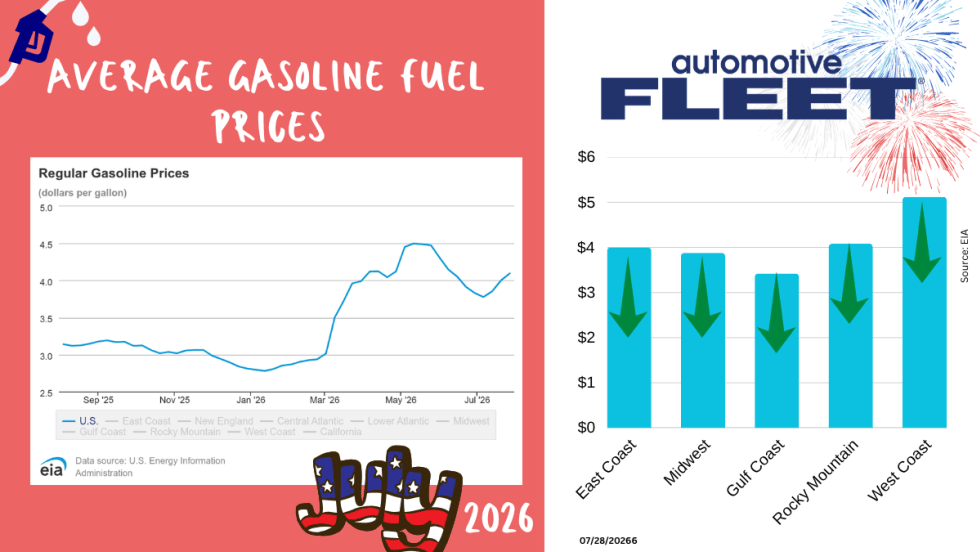
July Fuel Update: Prices Keep Rising in Light of More Conflict
Gas prices continue to rise as more and more conflicts do, too.
Read More →
Bob Adamsky on Fuel Volatility: "Don't Panic, Have a Plan."
When it comes to up and down fuel prices, Adamsky has a message for fleets: “Don’t panic.”
Read More →
How Fleets Can Gain Control of Non-Fuel Spend
Fuel often gets the spotlight, but non-fuel expenses can have a major impact on fleet costs. Ramel Lindsay of U.S. Bank Voyager discusses how fleets can gain better visibility and control over these often-overlooked expenditures.
Read More →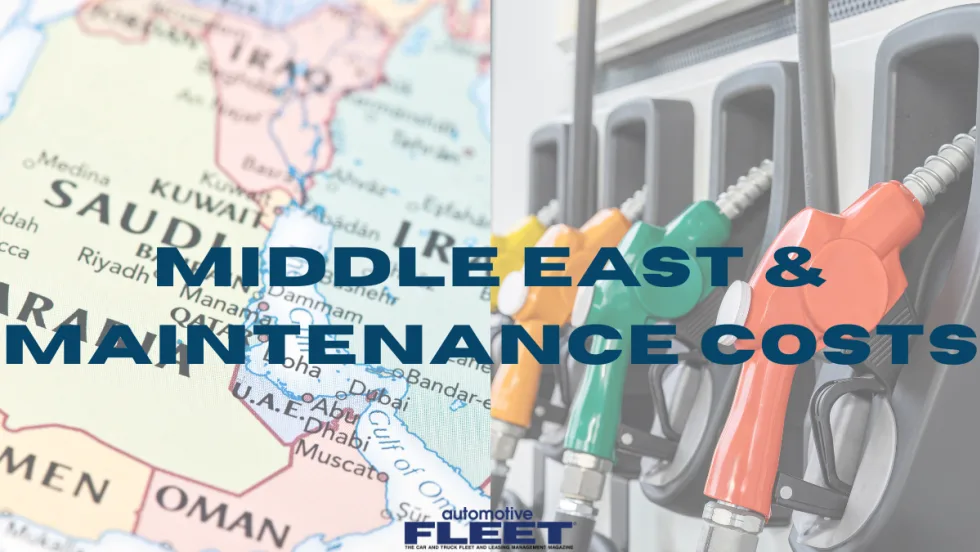
Fuel is Just the Start: How Middle East Tensions are Driving Up Fleet Maintenance Costs
The Middle East conflict is doing more than pushing up fuel prices. It’s also raising the cost of key maintenance products your fleet depends on, from motor oil to tires to windshield wipers. Here’s what you need to know about this budget-busting situation.
Read More →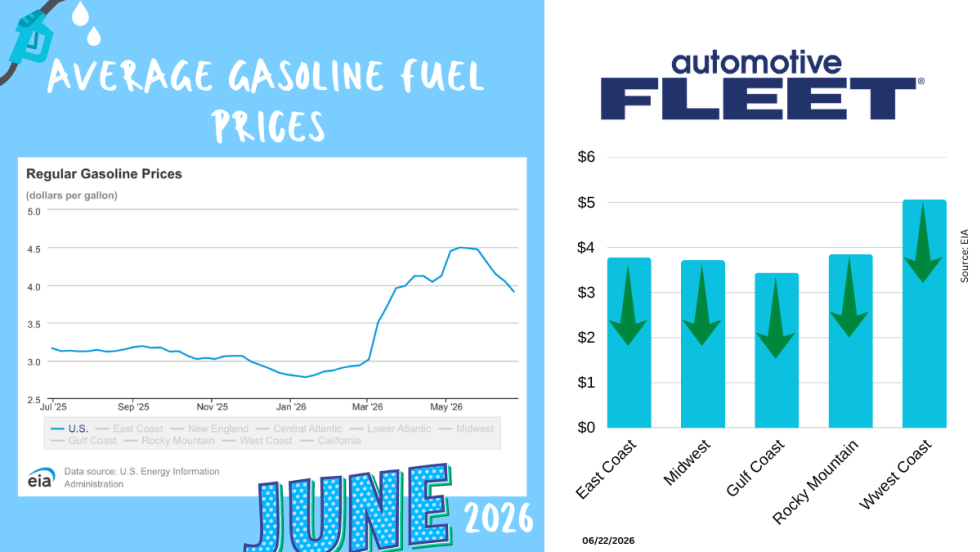
June Fuel Update: Prices Fall Below $4
Drivers are finally getting some relief at the pump. The national average gas price has dropped below $4 a gallon for the first time in months, with prices falling in 47 states as oil markets react to developments in U.S.-Iran negotiations.
Read More →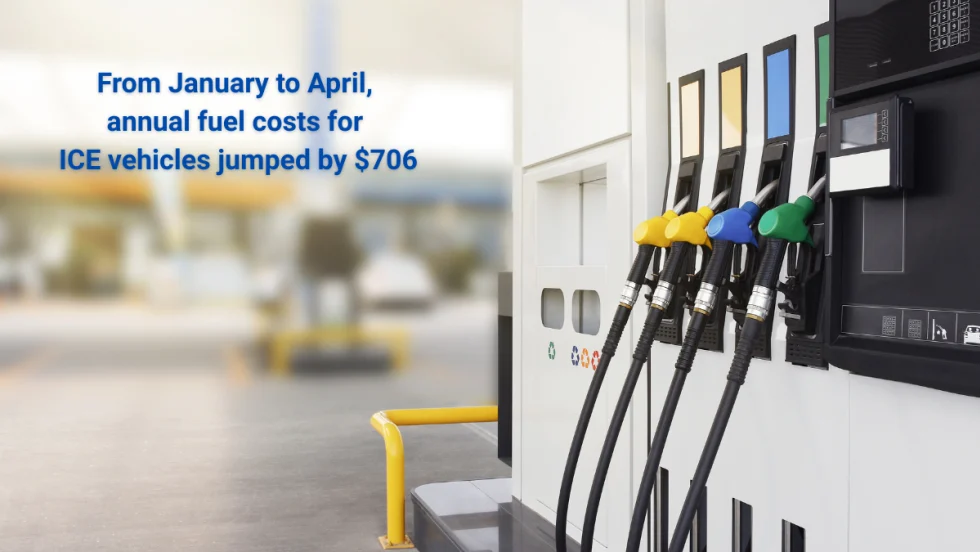
Study: How 2026's Gas Price Hikes Affect Different Vehicle Types
New data from iSeeCars reveals how rising fuel costs have affected different vehicle segments as gasoline prices climbed nearly 46% over the past four months.
Read More →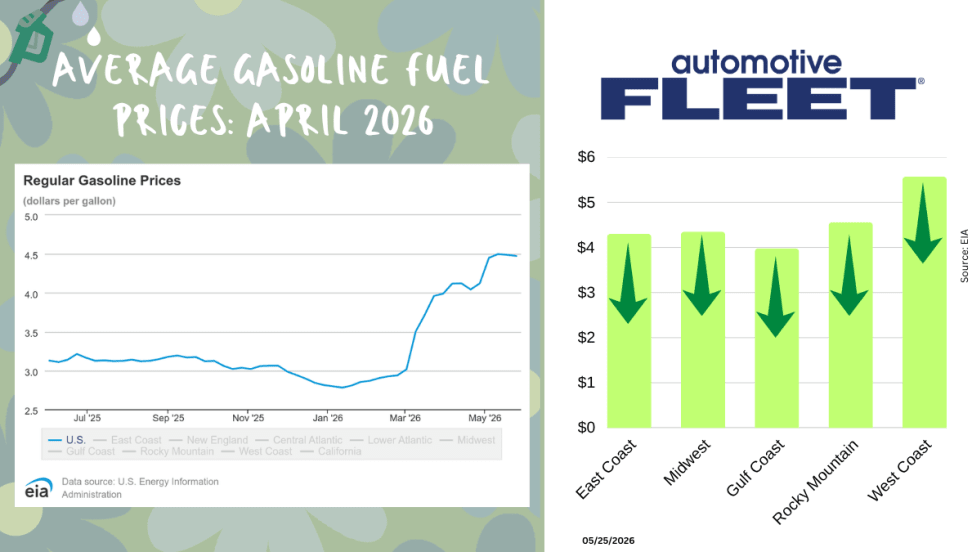
May Fuel Update: All Regions Experience Declines
Gas prices are finally easing in much of the country, but experts warn global tensions could quickly reverse the trend as the national average remains well above last month’s levels.
Read More →