




PepsiCo Goes for the Green
As part of its corporate commitment to sustainability, PepsiCo’s shift to hybrid vehicles reduces fuel consumption and greenhouse gas emissions.

PepsiCo's fleet includes hybrid delivery trucks.
Leading three EPA lists isn’t environmentally-friendly enough for PepsiCo, the company formed by the merger of Pepsi-Cola and Frito-Lay, Inc. With energy a key focus in its overall commitment to corporate sustainability, PepsiCo has gone even greener with the shift to using hybrid vehicles for its fleet.
Prius Pays Off
According to Pete Silva, director-fleet procurement, the PepsiCo fleet has more than 20,000 units, which include company cars, service vehicles, and light-, medium-, and heavy-duty delivery trucks. Nearly 650 of PepsiCo’s cars and trucks are hybrids, which will likely increase to more than 1,500 units in the next three years, he says.
PepsiCo began using hybrids in 2005, testing Toyota Prius in an effort to improve operating costs. Today, most of the company’s hybrids are Toyota Prius’ and Ford Escapes, used as company cars.
Though fleet maintenance costs haven’t changed much with the addition of hybrid vehicles, fuel costs have declined. “Our Prius vehicles average around 45 mpg, which is a significant improvement over previous mid-size vehicles,” Silva says. “Other cost factors we continue to look at are the acquisition price and residual values to get our total cost picture.”
Vehicle replacement schedules vary by vehicle size, use, and company division, but company cars are replaced every three years.
Hybrids Get a High-Five
Implementing hybrids into a fleet does present challenges, such as vehicle availability, long lead-times, and lack of available options, but suppliers continue to introduce new models with other options that can help fleets. Suppliers have also been working hard to reduce lead times, Silva says.
“Overall, the hybrids have been well-received by our drivers, who understand the overall sustainability strategy,” Silva explains. “PepsiCo has made a concerted effort to explain our commitment to sustainability and how the new hybrid company cars are an important part of this effort.”
As Green as it Gets
Silva says many fleet owners are exploring various technologies, including hybrids and small, fuel-efficient, clean diesel engines, and PepsiCo continues to search for solutions to improve fuel economy, reduce emissions, and deliver good lifecycle economics.
In April, the company announced the largest purchase of renewable energy certificates (RECs) to date. Comprised of more than 1 billion kilowatt-hours annually, the three-year purchase is EPA-estimated to be enough electricity to power nearly 90,000 average American homes.
Earlier this year, PepsiCo was also recognized by the EPA as “Energy Star Partner of the Year” for outstanding energy management and reductions in greenhouse emissions.
More Fuel
Fuel Prices Surge in September | September Fuel Update
September brought major fuel price swings, including diesel crossing $6 a gallon. Here’s how gas and diesel prices changed throughout the month, and where they stood heading into October.
Read More →
Turning Fleet Payment Data into Executive Insights
Ramel Lindsay of U.S. Bank Voyager discusses how fleets can transform payment and transaction data into actionable intelligence to reduce costs, improve oversight, and support executive decision-making.
Read More →
Why the IRS Raised Its Mileage Rate in the Middle of 2026
Fuel-price volatility drove the rare increase to 76 cents per mile, the fifth midyear adjustment since 2000.
Read More →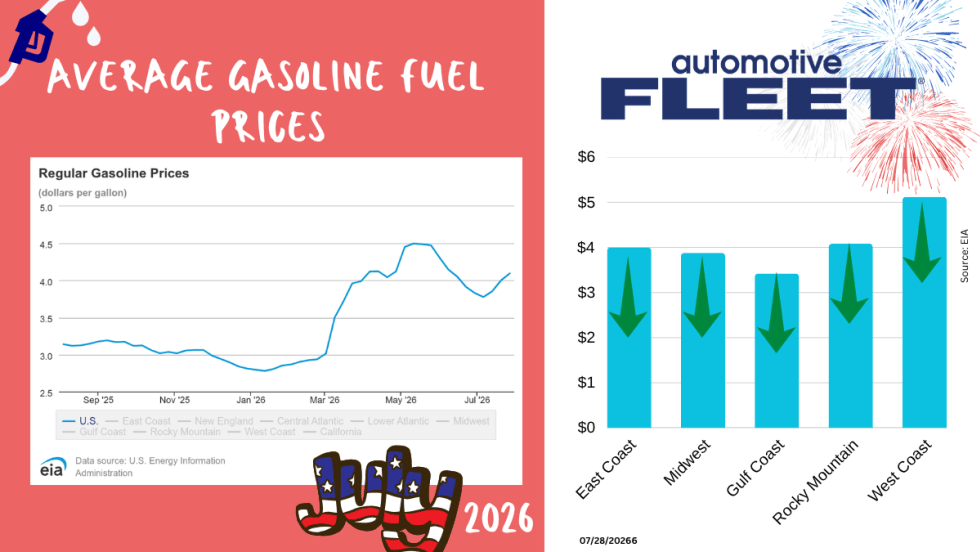
July Fuel Update: Prices Keep Rising in Light of More Conflict
Gas prices continue to rise as more and more conflicts do, too.
Read More →
Bob Adamsky on Fuel Volatility: "Don't Panic, Have a Plan."
When it comes to up and down fuel prices, Adamsky has a message for fleets: “Don’t panic.”
Read More →
How Fleets Can Gain Control of Non-Fuel Spend
Fuel often gets the spotlight, but non-fuel expenses can have a major impact on fleet costs. Ramel Lindsay of U.S. Bank Voyager discusses how fleets can gain better visibility and control over these often-overlooked expenditures.
Read More →
Fuel is Just the Start: How Middle East Tensions are Driving Up Fleet Maintenance Costs
The Middle East conflict is doing more than pushing up fuel prices. It’s also raising the cost of key maintenance products your fleet depends on, from motor oil to tires to windshield wipers. Here’s what you need to know about this budget-busting situation.
Read More →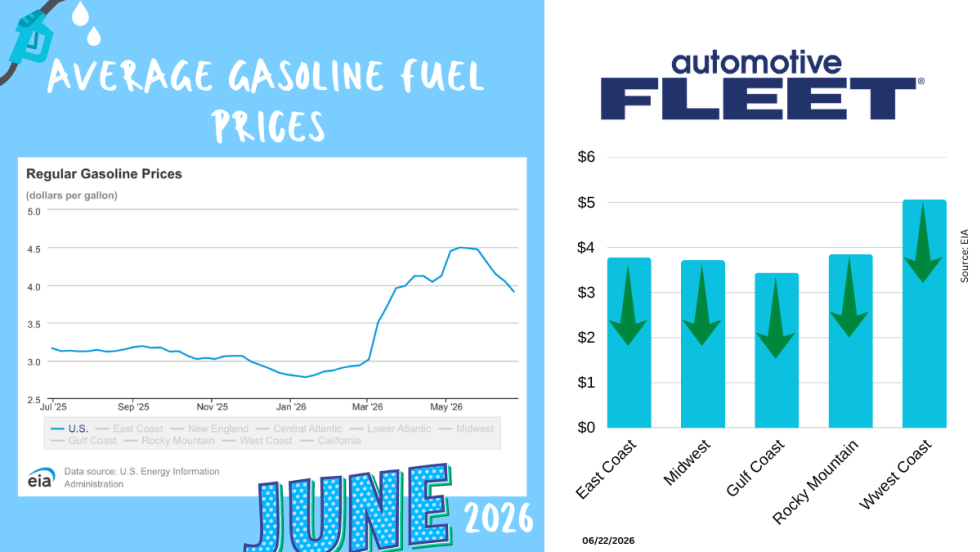
June Fuel Update: Prices Fall Below $4
Drivers are finally getting some relief at the pump. The national average gas price has dropped below $4 a gallon for the first time in months, with prices falling in 47 states as oil markets react to developments in U.S.-Iran negotiations.
Read More →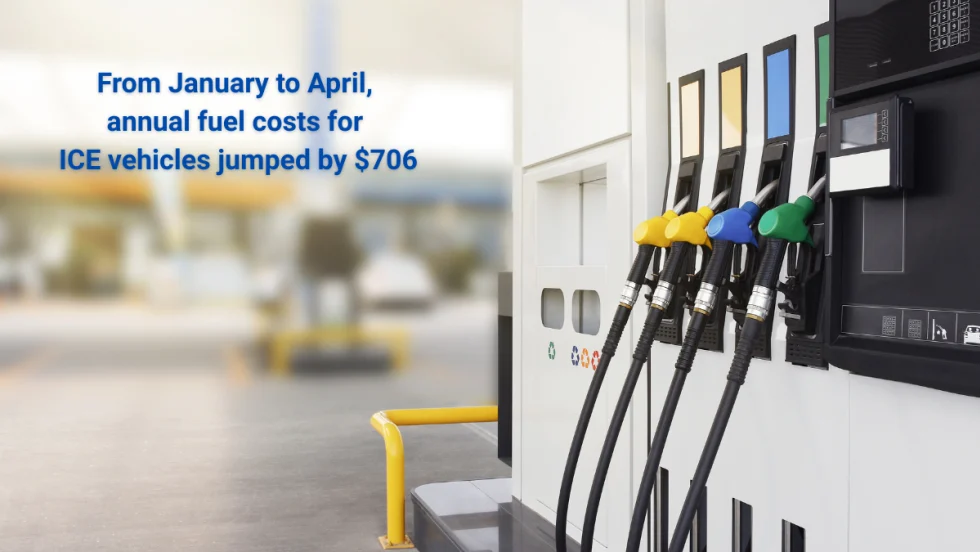
Study: How 2026's Gas Price Hikes Affect Different Vehicle Types
New data from iSeeCars reveals how rising fuel costs have affected different vehicle segments as gasoline prices climbed nearly 46% over the past four months.
Read More →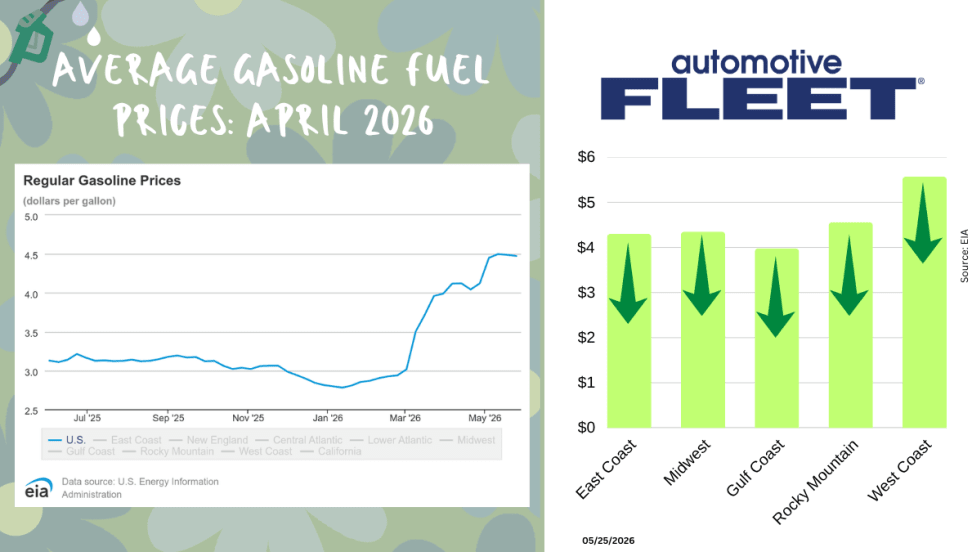
May Fuel Update: All Regions Experience Declines
Gas prices are finally easing in much of the country, but experts warn global tensions could quickly reverse the trend as the national average remains well above last month’s levels.
Read More →