




PARS' Approach to Complex Fleet Transport
PARS' strategic approach to fleet vehicle relocation continues to evolve since its inception in 1998 by marrying technology and service to give its customers the best of both worlds.
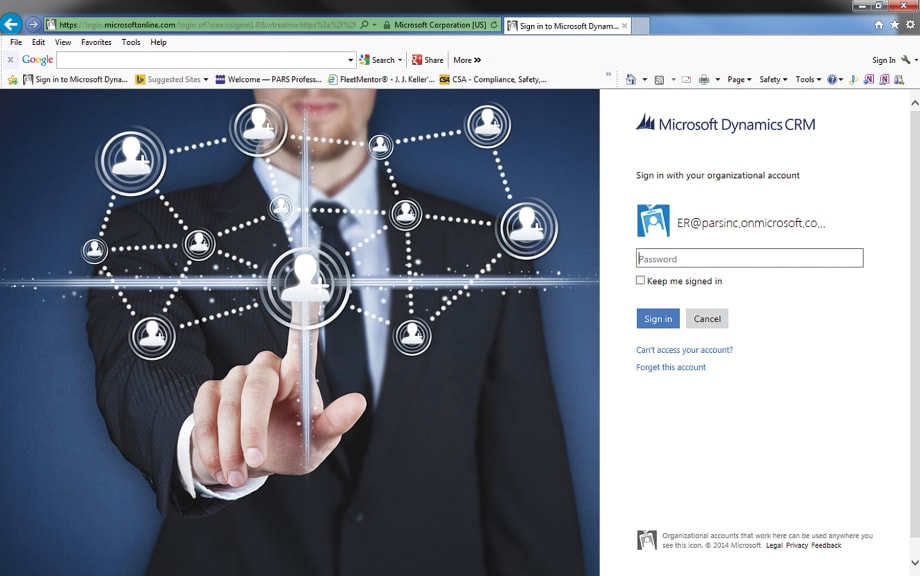
Photo courtesy of PARS.
Photo courtesy of PARS.
Today's fleet manager is like a symphonic conductor: A conductor interprets a musical composition; a fleet manager interprets corporate strategy for the fleet operation. The conductor guides the different instrumental sections to bring out their musicality and ensure the timing and tone of all the musicians are in sync and harmony for the enjoyment of the audience. The fleet manager guides the many different fleet pieces — supply chain, maintenance and accident vendors, fuel providers, remarketers, internal stakeholders, and more — to ensure the harmonious delivery of services and the best possible outcome for the organization.
The key is control. The maestro brings talent, experience, and wields a baton to ensure order; the fleet manager brings talent, experience, and wields technology-driven management tools for control.
For Professional Automotive Relocation Services, Inc. (PARS), a provider of automotive relocation services for commercial fleets and fleet management companies, technology has created an environment that has allowed it to take its service to the next level.
PARS President Lori Rasmussen noted that, when the company opened its doors 15 years ago, customer needs revolved around simply picking up and delivering vehicles. Price and speed were the two biggest factors to winning business.
Turnkey Services Become the Norm
In recent years, however, projects have become much more complex as fleet managers look to extend relocation value, minimize vehicle downtime, and increase productivity. These days, in addition to carrier transport and driveaway services, PARS offers in-transit and temporary plates, license and title services, DOT services, reconditioning and make-ready, maintenance, and vehicle storage.
"Turnkey transportation and logistics solutions are the best way to ensure a customized fit to a customer's specific needs," Rasmussen explained.
Since customized solutions are growing and becoming ever more complex, Rasmussen feels that technology alone is not a solution.
"Technology that supports our foundational strengths will help us continue to be the leader our field," she added.
Planning a Complex Relocation
A good example of a complex auto relocation request was a recent close-out project PARS handled involving more than 700 vehicles located across the country. Coordination between the close-out company, the fleet management company, storage and service vendors, and others on behalf of the customer had the potential of being a logistical nightmare.
Once the vehicles were secured in PARS storage, the company's team of dedicated vehicle condition analysts assessed vehicle condition information gathered from multiple sources, including driver close-out interviews, PARS drivers' condition reports on the bill of lading, and storage facility detailed condition reports.
Thorough vehicle assessments were shared with the customer, enabling the best possible decision regarding whether vehicles should be redeployed, sold, sent to auction, stored, and/or repaired.
Any repairs or maintenance desired by the customer were immediately facilitated and managed by PARS, who worked with the accident management company, body repair and maintenance shops, ensuring rapid and easy redeployment when desired.
The keys to the success of the project: transportation and logistics expertise, proactive communications with all parties, and readily available online order status details, all combined with daily status reports that kept each of the stakeholders informed.
Taking a New Approach to Technology
While PARS has always invested in state-of-the-art technology to complement its professional staff and proven processes through the years, the breakthrough extended relationship management, or xRM approach, is a game changer.
"We saw that our business must be the most agile. It must move faster than our customers' own fast-paced businesses. Ours is an environment of constant, accelerating change. So, we need more than a passive, recordkeeping tool that just tracked transactions, created reports, and ensured compliance," Rasmussen noted. "We are proud that we hire only the best people and deliver an unsurpassed customer-facing experience. But, today's transport projects require more bandwidth, meaning more and more activities are part of each move."
According to Rasmussen, projects now require more elemental synchronicity. Each task must move in tandem, or the processes break down and efficiencies are lost. Finally, these complex projects must still meet tight deadlines. This is the one constant to the company's projects since PARS was founded in 1998.
"To meet these demands, we believe technology must not only automate processes, but become part of a holistic approach that recognizes and supports the interdependencies between our customers, drivers, suppliers, employees, fleet management partners, assets, and knowledge bases. In short, we need a unified approach to technology that connects all aspects of our business," Rasmussen said.
Strategic Approach to Technology
According to Rasmussen, xRM is not a product, it is a strategic approach that ties together all of these aspects of our business.
"For our customers — either those we serve directly or those we work with through our partnering fleet management companies, xRM ensures that we will be the most responsive transport provider, deliver the most detailed, real-time information, and create the most complete picture of each project and of our relationships," Rasmussen said.
PARS' new cloud-based order management system exemplifies many of the overarching design criteria that were integral to the xRM approach. These included complete integration with a dynamic CRM, improved speed and response times, tightened security, improved parameter management, and mobile enablement, according to Rasmussen.
Order handling and management had to be more automated despite the contrary goal to increase customization that would address turnkey transport solutions. Specifically, improvements were made to the input and management of notes, alerts, mapping for both new and multiple orders, inventory management, data validation, surveying, dispatch visualization, and customer interfaces.
Planning for Big Data
According to Rasmussen, another aspect of the company's xRM strategy was preparing for the future by preparing for big data.
"We saw the need to store and process larger amounts of transactional and analytic data, both structured and unstructured, into our dynamic CRM solution," she said. "So, our systems are designed to expand as new data points dictate. We are prepared for more sophisticated data analytics in order to continually improve customer service, enhance reporting, link more tightly with our partners, and ensure the best ROI for our customers."
Rasmussen knows the goal of being the most responsive fleet logistics company will always be a moving target.
"No company can believe it has achieved its goals. The target is always moving. But, I am confident that our integrated approach to technology, combined with our existing strengths, gives us the sound footing to move forward and meet our customers' needs even as they redefine the term 'complex' for us in the future," she said.
Finally, she cautioned that, although she and her management team have spent many hours on the technical aspects of the new technology, the heart of PARS' business are the people who make things happen.
"Technology helps people — our team, our partners, our customers — gain more insight from these new business applications. That drives more informed decisions. Better decisions drive actions forward, improving quality and leading to growth and overall success," Rasmussen said.
Ed Pierce is the president of It's the Arts Marketing and a fleet industry consultant.
More Operations

Avis Budget Group Deploys Neology Toll Management Technology Across Major Brands
Neology’s neoFleet platform will manage toll transactions and toll-authority operations for vehicles across Avis, Budget, Payless, Budget Truck and Zipcar.
Read More →
Fleet Personal-Use Charges Edge Higher in 2026
Nearly eight in 10 surveyed fleets allow personal use of company vehicles, while just over half of respondents report charging employees for the privilege.
Read More →
The Future of Fleet + What’s Changing Right Now | AF News Recap
Could developments overseas offer a preview of what’s coming for U.S. fleets? This week, we’re looking at the future of AI, autonomy, and electrification, plus Ford Pro’s new certified pre-owned program, smarter vehicle offboarding, and a new way for fleets to manage toll expenses.
Read More →
How to Handle Vehicle Offboarding
What do fleet managers need to do when a driver leaves?
Read More →
Fleet Manager’s Ultimate Playbook: Navigating the New Standard in OEM Connectivity
Rising operating costs, driver safety concerns, and unplanned downtime are putting unprecedented pressure on modern fleets. Discover how fleet managers use embedded OEM connectivity and real-time vehicle data to cut TCO, prevent downtime, and protect drivers without aftermarket telematics hardware.
Read More →
U.S. Bank Adds Verra Mobility Toll Management to Voyager Fleet Platform
The integration allows U.S. Bank Voyager fleet customers to manage toll payments and violations alongside fuel, EV charging and maintenance expenses.
Read More →
ADAS Prevents Crashes. But Repairs Cost More | AF News Recap
ADAS-equipped vehicles may crash less often, but they can cost more when they do. This week, we’re breaking down what that tradeoff means for fleets, plus Subaru’s first Forester Wilderness Hybrid, Nissan’s new e-POWER Rogue, and why Calstart has become Catalyst Mobility.
Read More →
Moventum Fleet Management Names Mark Iorillo Head of Sales
Iorillo brings nearly 20 years of fleet management and sales experience to the role, including previous positions at Element Fleet Management, CEI, Donlen and Ryder.
Read More →
Fleet Has a Talent Pipeline Problem. What Comes Next? | AF News Recap
Where will fleet’s next generation of leaders come from? This week, we’re looking at the industry’s talent pipeline, what certification can add to a fleet career, how to build an award-worthy track record, and the return of Automotive Fleet’s Personal Use Survey.
Read More →
Smith System Launches Driver Risk Management Program
Fleets have more driver data than ever, but identifying risky behavior doesn't necessarily correct it. Smith System's new Driver Risk Management program combines monitoring, training, and follow-up coaching to help fleets connect risk signals with driver intervention.
Read More →