




New Propane Autogas Program Offers Fleet Compensation
Qualified commercial fleets can receive $7,500 per eligible propane autogas vehicle and up to $10,000 for new refueling site prep. Learn how the program works and see whether your fleet qualifies.
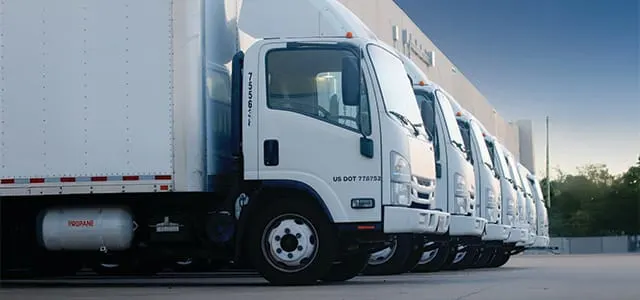

- A new program offers $7,500 per eligible propane autogas vehicle for qualified commercial fleets.
- Companies can receive up to $10,000 to cover costs associated with new refueling-site preparation.
- The program provides an opportunity for interested fleets to determine their eligibility and learn how to participate.
*Summarized by AI
Commercial fleets considering a move away from gasoline or diesel have a new opportunity to offset the cost of putting propane autogas vehicles into service. Through the Propane Autogas Research Program, qualified fleets can receive a payment of $7,500 per eligible vehicle, along with up to $10,000 for new refueling site prep.
In return, participating fleets will operate the vehicles in their regular duty cycles and submit quarterly data covering fuel use, maintenance costs, reliability, downtime, and performance. The result is a practical exchange: fleets receive financial support as they introduce propane autogas into daily operations, while building an operating record they can use to evaluate future vehicle decisions.
“This program is a mutually beneficial partnership,” said Tucker Perkins, president and CEO of the Propane Education & Research Council. “By providing direct financial compensation to qualifying fleets, we are lowering the barrier to adoption.”
A Ready-Now Option for Commercial Fleets
The program arrives as fleet managers continue to balance cost control, dependable performance, and emissions goals. Propane autogas is a proven, ready-to-deploy fuel solution available on commercial vehicle platforms and supported by established vehicle and fueling partners.
For many fleet applications, its business case begins with operating expenses. PERC reports that daily propane autogas fuel costs can be up to 50% lower than diesel and 40% lower than gasoline. Propane autogas engines also avoid the complex diesel aftertreatment systems associated with particulate filters, selective catalytic reduction and diesel exhaust fluid. Fewer components and fluids can reduce maintenance complexity and help lower lifecycle operating costs.
The emissions profile gives fleets another reason to evaluate the technology. Current propane autogas engines are certified to an ultra-low nitrogen oxide level of 0.02 grams per brake horsepower-hour, meeting the level required by the U.S. Environmental Protection Agency’s 2027 standards today. Fleets can therefore pursue cleaner operations without giving up the range, payload capability, or dependable performance their routes require.
Fueling can be designed around return-to-base operations. Private infrastructure is scalable and can be sized to a fleet’s needs, allowing vehicles to refuel at a central location rather than relying on a developing public network.
How Participation Works
The Propane Autogas Research Program is open to commercial fleets, including vocational, delivery, service, and commercial logistics operations. School transportation, municipal, and transit fleets are not eligible for this program.
After applying and receiving approval, fleets may purchase new propane autogas vehicles or convert eligible vehicles already in service. Eligible vehicles must be two model years old or newer and have fewer than 50,000 miles. Compensation cannot be used to replace existing propane autogas vehicles. Class 2-7 vehicles are eligible, with priority given to Class 3-7 vehicles. Program rules apply.
Once deployed, the vehicles become part of normal fleet operations. Participants submit operational data each quarter and receive compensation after the applicable program requirements are met. The data collection is intended to capture the full ownership experience — not only fuel consumption, but also maintenance, reliability, downtime, and day-to-day performance across different fleet applications.
Turning Participation Into a Fleet Planning Tool
The quarterly reporting requirement gives PERC broader field data, but it can also create value for participating fleets. Tracking fuel consumption, maintenance, uptime, and performance in a consistent way gives decision-makers a clearer picture of how propane autogas performs in their own routes, duty cycles, and operating environment.
That fleet-specific record can inform the next procurement cycle. Rather than relying only on projections or results from a different operation, participants can evaluate actual costs and performance against their existing vehicles. That makes careful, fleet-specific evaluation especially useful before broader procurement decisions. The program compensation helps offset the initial commitment while the fleet develops that evidence.
Propane autogas already has a long operating history in fleet applications. This program gives commercial operators a structured, financially supported way to assess the technology within their own operations — and determine whether a broader deployment makes business sense.
Commercial fleet operators, procurement directors and logistics managers can review eligibility requirements, participation expectations, and application information at propane.com/parp.
This article reflects the views of Propane Education & Research Council (PERC) and does not necessarily represent the views of Automotive Fleet or Bobit Business Media.
Quick Answers
Qualified fleets can receive $7,500 per eligible propane autogas vehicle.
*Summarized by AI
More Green Fleet
EV Charging Use Is Outpacing Infrastructure Growth
ChargePoint’s 2026 Charging Forward Report points to rising charger use, higher-powered charging, commercial vehicle electrification, and energy-management technology. Here’s what fleets should know.
Read More →
Merchants Fleet Reports 290M EV Miles as Fleets Navigate Changing Electrification Market
From millions in operating savings to hundreds of millions of EV miles, Merchants Fleet’s latest report reveals what’s working and what’s changing in fleet electrification.
Read More →
The EV Breakdown Nobody's Talking About: Why Most Electric Vehicle Roadside Calls Aren't Mechanical Failures
Here's why EV breakdowns are widely misunderstood.
Read More →
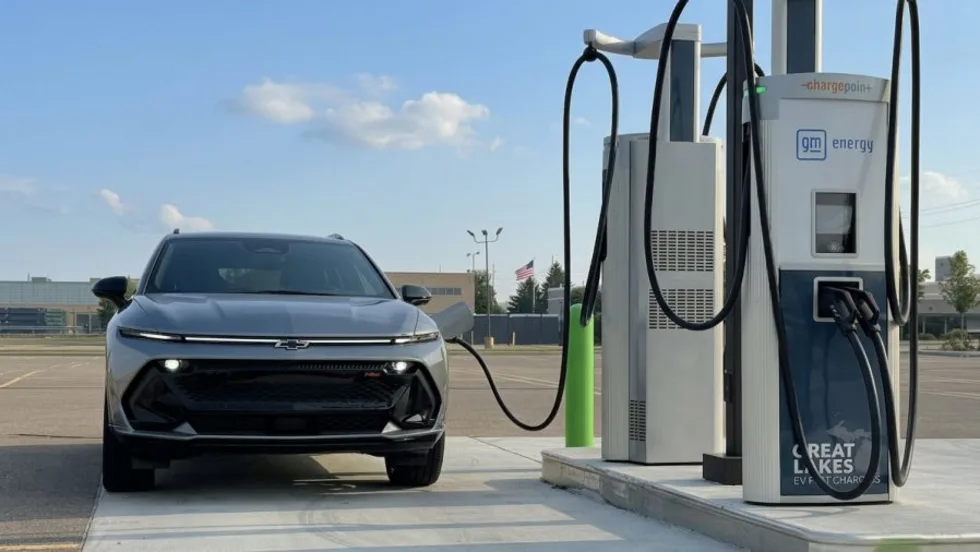
ChargePoint Now Available in Energy Pass
ChargePoint and additional planned charging network integrations were added to GM's Energy Pass.
Read More →

First Look: Slate Auto's Electric Fleet Pickup
Could an affordable, modular EV pickup make electrification more practical for fleets?
Read More →
Slate Debuts Colorful, Unique EV Models
A recent media and client event, studded with electric vehicles dressed up on platforms, planted a new position for the manufacturer in the wider EV market. Fleets will find cost-saving advantages.
Read More →
Slate Electric SUV, Pickup Switchable Model Aims For Light-Duty Fleets
Everything about this EV is counterintuitive and understated, making it stand out from the crowd.
Read More →
Inspiration Mobility Acquires Key Electrada Assets
Inspiration Mobility Group has acquired select assets of Electrada, adding the fleet electrification provider's team, technology, and charging infrastructure development capabilities to its energy management business.
Read More →
Why America’s Most Popular Vehicle is So Hard to Electrify
Turning America’s favorite workhorse electric means balancing range, payload, charging infrastructure, and price, an equation automakers are still trying to solve.
Read More →