





Keep Reading! Merchants Fleet Reports 290M EV Miles as Fleets Navigate Changing Electrification Market
EV Charging Use Is Outpacing Infrastructure Growth
ChargePoint’s 2026 Charging Forward Report points to rising charger use, higher-powered charging, commercial vehicle electrification, and energy-management technology. Here’s what fleets should know.
September 17, 2026
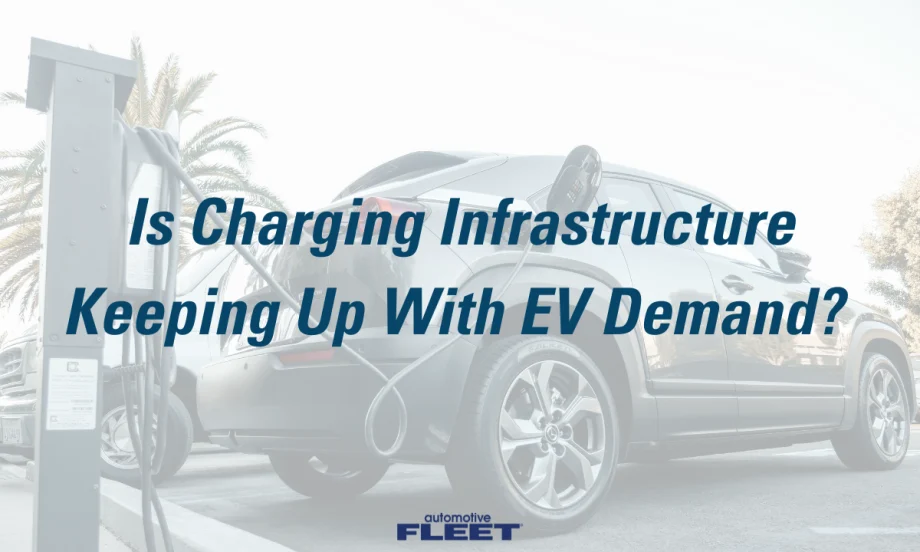
A recent report points to rising charger use and commercial electrification. So, what does this mean for fleets?
Credit:
Automotive Fleet
4 min to read
- ChargePoint’s report highlights that the demand for EV charging stations is growing faster than the expansion of the charging infrastructure itself.
- The report identifies trends such as the need for higher-powered charging solutions and the electrification of commercial vehicle fleets.
- It emphasizes the importance of energy-management technology in supporting the increasing use and efficiency of EV charging networks.
*Summarized by AI
Electric vehicle charging demand is growing faster than charging infrastructure.
ChargePoint reported that charging sessions on its network increased 34% in 2025, compared with a 16% increase in vehicles on the road. More than 1 million drivers now use ChargePoint on a monthly basis, according to the company's 2026 Charging Forward Report.
The company also found that charger use grew faster than the addition of new charging ports and expects that trend to continue in 2026.
For fleets, that growth puts additional emphasis on not only acquiring electric vehicles but also planning where, when, and how those vehicles will charge.
Electrification Puts Focus on Infrastructure
Commercial trucks and vans are expected to continue transitioning toward electric powertrains as some operators look for opportunities to lower total cost of ownership, according to the report.
ChargePoint expects infrastructure supporting these vehicles to grow through 2030 and beyond and points to commercial electrification as an area requiring significant infrastructure investment.
For fleet operators, the infrastructure side of electrification can require decisions well before vehicles arrive. Charging capacity, vehicle dwell time, route requirements, facility power availability, and future fleet growth can all influence how a charging site is designed.
The report also suggests charging technology is evolving to meet those changing requirements.
Higher-Powered Charging Is Coming
Both Level 2 and DC fast-charging technology are moving toward greater power output.
ChargePoint's report highlights a new Level 2 architecture that can deliver up to 19.2 kW in North America. The company says higher output could reduce charging time for vehicles that can accept that power while still allowing lower-powered vehicles to charge.
DC fast charging is moving further in the same direction.
The company's new Express Solo charger has a maximum charging speed of 600 kW and can distribute power among as many as four vehicles simultaneously.
While those specifications are specific to ChargePoint equipment, they illustrate a broader consideration for fleets: as vehicle batteries and charging capabilities change, charging infrastructure may need to support higher power levels and different operational requirements.
This can be particularly important for commercial vehicles with limited time to charge between routes or shifts.
Charging Could Become an Energy Management Tool
Charging infrastructure may eventually do more than deliver electricity to a vehicle.
The report identifies vehicle-to-everything (V2X), including vehicle-to-grid (V2G), as an emerging part of the charging ecosystem.
V2G technology can allow EVs to send stored energy back to the electrical grid. Other bidirectional applications could allow vehicles to provide backup power or interact with buildings and other electrical systems.
For fleets with multiple vehicles sitting at a facility for predictable periods, the vehicle battery could eventually become another component of a broader energy-management strategy.
AI could also play a role. ChargePoint says AI can schedule and charge vehicles while optimizing for energy costs, forecasting energy demand, and identifying charger faults.
Charger Uptime Becomes an Availability Metric
As fleets become more dependent on charging infrastructure, charger reliability can directly affect vehicle availability.
ChargePoint reports 98% station uptime among customers using its Assure and Assure Pro service programs. The company is also using AI-powered diagnostics, remote monitoring, and other tools to identify and resolve charging problems.
The 98% figure represents ChargePoint's own customers rather than the charging industry overall, but it highlights a consideration familiar to fleet managers.
An EV that is ready for its next assignment still cannot be dispatched as planned if the charger it depends on is unavailable.
That makes charging uptime, maintenance, monitoring, and redundancy increasingly relevant parts of fleet asset management.
Autonomous Vehicles Could Add Another Source of Charging Demand
Commercial fleets may eventually be competing for electrical capacity with another rapidly growing transportation segment: autonomous vehicles.
Citing BloombergNEF projections, the report says North America could have 8 million robotaxis by 2040. Robotaxis could represent more than 35% of EV electricity demand in North America by then and become the region's largest source of EV charging demand.
That forecast is long-term, but it underscores why charging infrastructure planning extends beyond simply matching today's number of EVs with today's number of chargers.
Planning Charging Around the Operation
ChargePoint's report ultimately points toward a charging environment in which use is increasing, equipment is becoming more powerful, and vehicles may increasingly interact with the electrical grid.
For fleet managers, those developments make charging infrastructure part of the equation rather than an accessory to an EV purchase.
The question becomes not only whether an electric vehicle can perform a fleet's duty cycle, but whether the charging system can reliably support that duty cycle today while leaving enough capacity for what the fleet may need next.
More Green Fleet
Sponsored•October 1, 2026
New Propane Autogas Program Offers Fleet Compensation
Qualified commercial fleets can receive $7,500 per eligible propane autogas vehicle and up to $10,000 for new refueling site prep. Learn how the program works and see whether your fleet qualifies.
Read More →
Merchants Fleet Reports 290M EV Miles as Fleets Navigate Changing Electrification Market
From millions in operating savings to hundreds of millions of EV miles, Merchants Fleet’s latest report reveals what’s working and what’s changing in fleet electrification.
Read More →
The EV Breakdown Nobody's Talking About: Why Most Electric Vehicle Roadside Calls Aren't Mechanical Failures
Here's why EV breakdowns are widely misunderstood.
Read More →
ChargePoint Now Available in Energy Pass
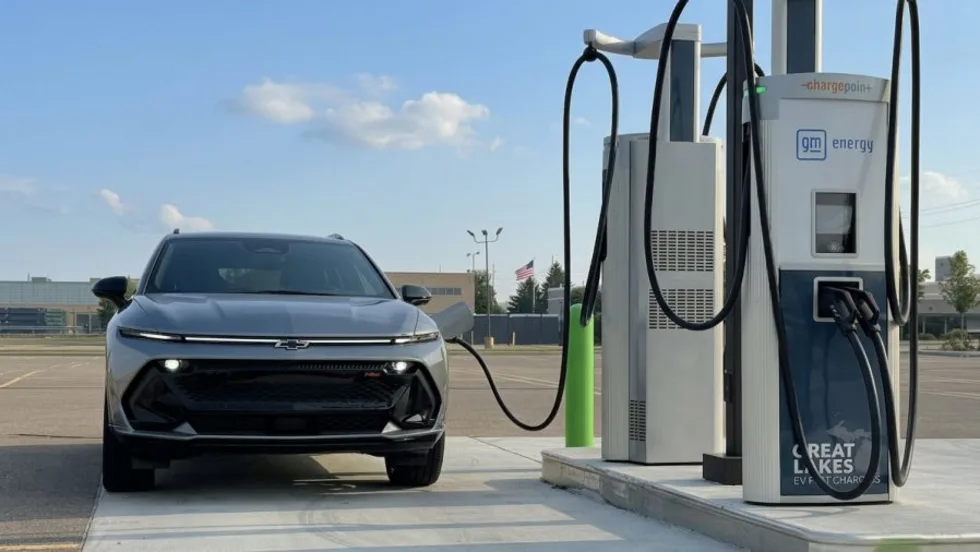
ChargePoint and additional planned charging network integrations were added to GM's Energy Pass.
Read More →

First Look: Slate Auto's Electric Fleet Pickup
Could an affordable, modular EV pickup make electrification more practical for fleets?
Read More →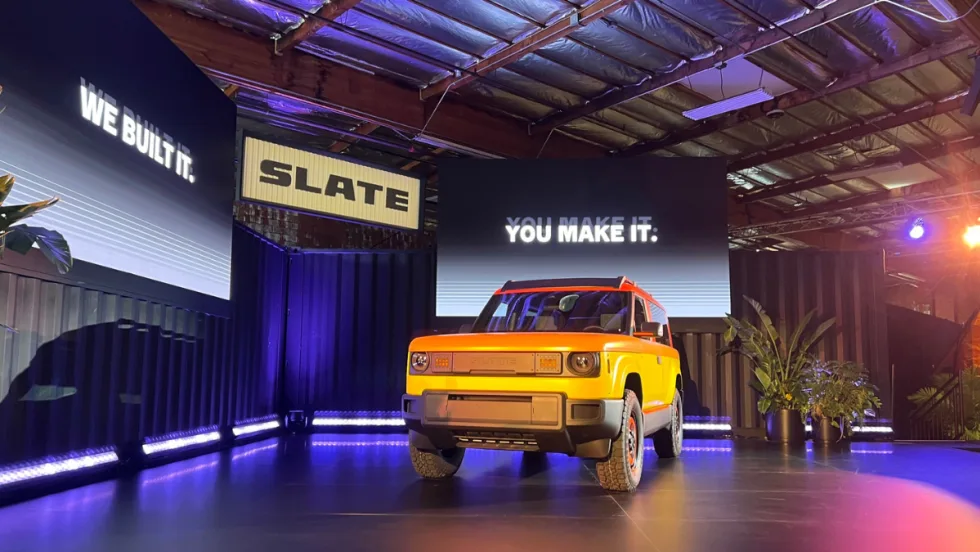
Slate Debuts Colorful, Unique EV Models
A recent media and client event, studded with electric vehicles dressed up on platforms, planted a new position for the manufacturer in the wider EV market. Fleets will find cost-saving advantages.
Read More →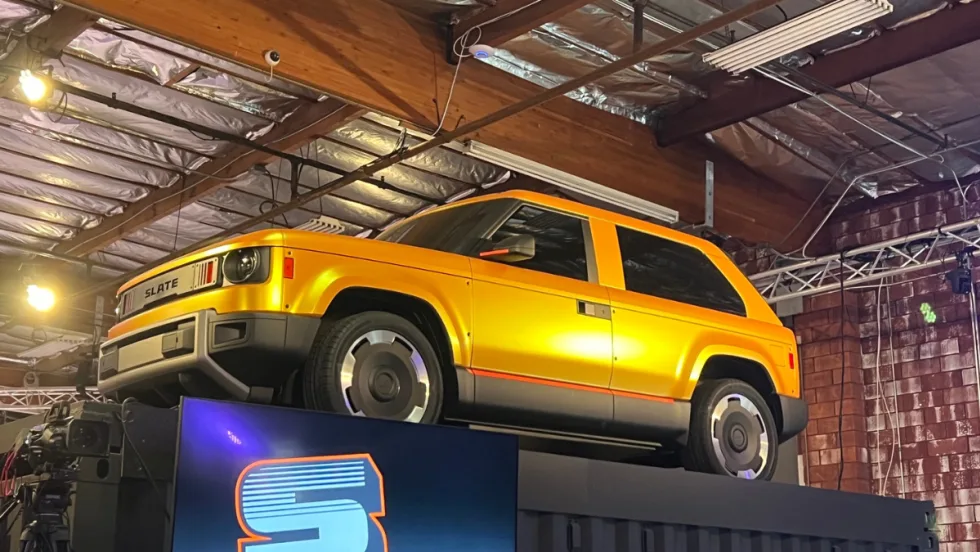
Slate Electric SUV, Pickup Switchable Model Aims For Light-Duty Fleets
Everything about this EV is counterintuitive and understated, making it stand out from the crowd.
Read More →
Inspiration Mobility Acquires Key Electrada Assets
Inspiration Mobility Group has acquired select assets of Electrada, adding the fleet electrification provider's team, technology, and charging infrastructure development capabilities to its energy management business.
Read More →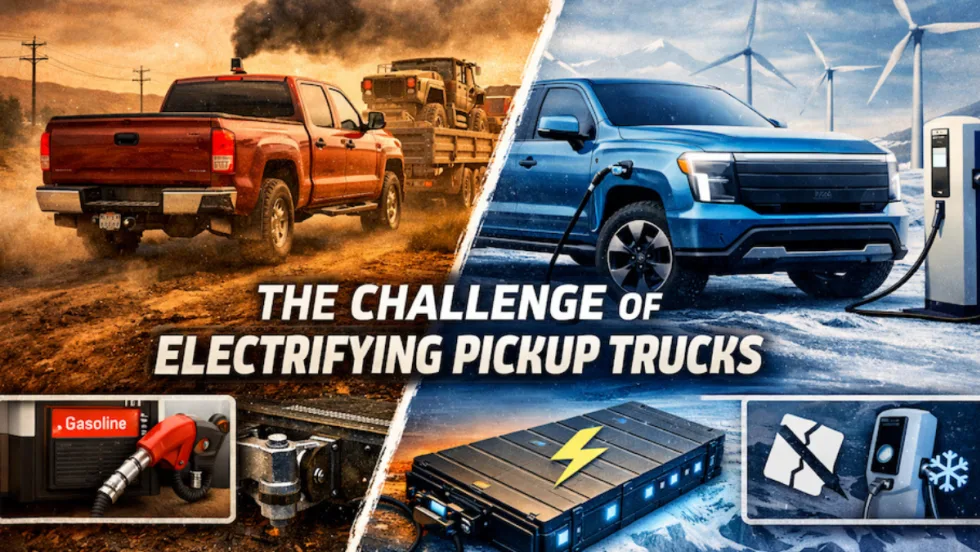
Why America’s Most Popular Vehicle is So Hard to Electrify
Turning America’s favorite workhorse electric means balancing range, payload, charging infrastructure, and price, an equation automakers are still trying to solve.
Read More →