




Navigating the Secondary Market: Surplus Trucks
To get the most value from a used truck, fleet managers looking to auction their units should do a little research and be thoroughly prepared.
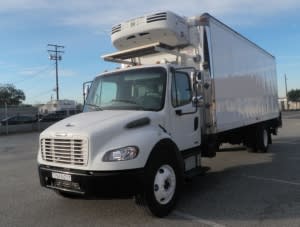
What may be an older truck for one fleet could be just the vehicle another company is looking for. Auctions
may help get the most return on
your investment. (PHOTO: LIQUIDITY SERVICES)
As fleets buy new trucks to replace less reliable, older units, fleet managers are left with millions of dollars of surplus in the form of idle trucks in their yards. By taking a proactive and strategic approach to the remarketing process, fleet managers can achieve maximum recovery for surplus trucks.
Most organizations remarket approximately 20 percent of their fleets each year; for a large company, that could be approximately 1,500 trucks. Typically, these trucks are around five years old and have more than 200,000 miles on the odometer.
The reason for the turn-over after five years is threefold: expiration of warranty, completed depreciation, and the recovery value is generally higher for a truck in that age range.
Getting the Most Value
The number of trucks an organization has determines how it approaches selling them on the secondary market. Smaller institutions with fewer trucks may handle remarketing in-house; while larger institutions with trucks across a variety of locations commonly work with large, professional auctioneers.
If handling remarketing in-house, some best practices should be followed to ensure maximum recovery, including:
Determine estimated vehicle value: Look at value guides, such as Black Book, or investigate what similar vehicles are going for at auction.
Determine a sales channel for the vehicles, such as online, private sale, or a local print advertisement.
Adjust marketing to attract the right buyer type. There is a unique buyer base depending on the truck’s condition, make, model, and location.
Schedule a preview period so potential buyers can come inspect the truck(s).
Take quality images and video to provide potential buyers through online channels.
Plan for truck removal.
Navigating the Auction Process
Auctions are historically the best way to turn large numbers of inventory back into cash quickly, and working with a professional auctioneering partner can save valuable in-house time and resources.
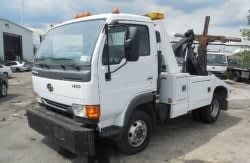
(PHOTO: LIQUIDITY SERVICES)
Some items should be considered when looking for a partner to manage the fleet’s remarketing. For example, a local auction company may be sufficient to handle all aspects of sales and marketing in a specific market, to local buyers. However, if an organization has assets across a variety of locations, it should partner with an auction company that has a national reach and can market to a national buyer base. Simply put, more buyers mean more competition, which leads to higher recovery values.
Other factors to consider when choosing an auction partner include:
Does it offer its own, safe location(s) to house trucks?
Can it inspect and perform maintenance on the truck if needed?
Is it able to provide an evaluation of the truck?
Does it offer reserve pricing to cap any downside potential on the final pricing?
Will it complete all aspects of the process including transportation, marketing, and sales?
By gaining a better understanding of the secondary marketplace, establishing remarketing best practices, and successfully navigating the auction process, fleet managers can make their companies’ surplus assets work for — not against — the bottom line.
Originally posted on Work Truck Online
More Global Fleet
Holman Takes Full Ownership of ARIZA in Mexico
Holman is bringing its Mexican fleet management operation fully under its own brand after more than 30 years as a joint venture. The change gives multinational fleet customers a single Holman operation across the U.S., Canada, and Mexico.
Read More →
Proven Ways to Reduce Work Truck Downtime
The age-old problem of downtime will always be a reality, but with new strategies at hand, fleets have more ways to keep trucks on the road longer.
Read More →
The Top 300 Commercial Fleets
The Top 300 Commercial Fleets: See the List
Read More →

Cameras, Safety and Insurance: From Reactive Claims to Real-Time Prevention (Part 2 of 2)
Part Two: Commercial auto remains one of the most challenging and costly lines of coverage for fleet operators and insurers alike. Continue learning more about how to effectively address these issues from Onur Aksan, Enterprise Business Development Executive, Geotab
Read More →
Cameras, Safety and Insurance: From Reactive Claims to Real-time Prevention
Commercial auto remains one of the most challenging and costly lines of coverage for fleet operators and insurers alike. Learn more about how to effectively address these issues from Onur Aksan, Enterprise Business Development Executive, Geotab.
Read More →
Fleet Costs Are Rising: Here’s How Leaders Are Responding
Fleet leaders are under pressure to reduce costs, adapt to economic uncertainty, and make smarter decisions. See how peers across North America are responding with real data, proven strategies, and forward-looking insights. Download the 2026 Market Pulse Report to benchmark your strategy and uncover where you can gain an edge.
Read More →
Enterprise Fleet Management Surpasses 900,000 Vehicles in U.S. & Canada
Enterprise Mobility connects with mobility solutions around the globe
Read More →
Automotive Fleet's Guide to Fleet Electrification
Unlock the secrets to a successful transition to electric fleets with Automotive Fleet's comprehensive Fleet Electrification Guide!
Read More →
Sumitomo Rubber Industries to Acquire Viaduct
Viaduct will join Sumitomo as an independent subsidiary. Partnership strengthens global reach and accelerates AI-driven innovation for fleets and manufacturing.
Read More →