




Learn More: How Drivers Can Improve Fuel Efficiency
Navigating the Rise in IRS Mileage Reimbursement for Fleet Management
Budgeting for fleet vehicles is more pronounced than ever. Here is how to navigate IRS mileage reimbursement for fleet management.
by Lee Adam, Cardata
January 17, 2024
As of 2023, the standard mileage reimbursement rate for professional drivers using personal vehicles for work was 65.5 cents per mile.
Photo: AF
3 min to read
In the evolving landscape of fleet management, the challenge of budgeting for fleet vehicles is more pronounced than ever.
Factors such as inflation, complex regulations, and escalating costs of goods and services play a significant role. This is particularly pertinent for fleets where employees use personal vehicles for business and are entitled to mileage reimbursement.
Examining the Efficiency of Mileage Reimbursement
As of 2023, the standard mileage reimbursement rate for professional drivers using personal vehicles for work stood at 65.5 cents per mile.
Industry experts often debate the adequacy of this rate, and the discussion is gaining momentum with the rate set to increase to 67 cents per mile in 2024.
While seemingly minor, this increment may not adequately address the unique needs of large fleets comprising private vehicle-driving workers.
Consider a professional driver covering over 50,000 miles annually. With strategic financial management, the current reimbursement rate could potentially cover replacing their vehicle every year or two, considering that the total annual reimbursement for this mileage exceeds $32,700.
This raises a critical concern: the current IRS rate might lead to overcompensation for professional drivers, rendering it an inefficient reimbursement strategy.
Further complicating this is the provision of unlimited fuel cards to drivers, potentially leading to less conscientious driving behavior.
Combined with a high per-mile reimbursement rate, this could inadvertently encourage inefficiencies in route selection, ultimately impacting time management, productivity, and customer satisfaction.
Unraveling the Financial Strain on Businesses
The incremental increase to 67 cents per mile in 2024, while beneficial on the surface for some, may result in substantial financial burdens for businesses that pay this flat mileage rate to all employees.
By adhering to this rate for high-mileage drivers, companies may find themselves compensating employees far beyond the actual costs incurred, leading to thousands of dollars in unnecessary expenditures annually.
This scenario is especially pronounced in businesses where driving is a significant operation component.
This presents a critical juncture for business owners and fleet managers to reassess reimbursement strategies to avoid such financial inefficiencies.
The Fixed and Variable Rate (FAVR) reimbursement model is a viable alternative to the standard IRS mileage rate. This model offers a more tailored approach, aligning reimbursement more closely with the costs employees incur for business use of their vehicles.
FAVR accounts for both the fixed costs (such as insurance, taxes, and depreciation) and the variable costs (including fuel, maintenance, and tire wear) associated with vehicle operation relative to an employee’s specific location.
This dual-component structure allows for a more accurate reflection of the true costs of using a personal vehicle for business purposes. By adopting FAVR, businesses can ensure that employees are fairly reimbursed without the risk of overpaying, finding the true balance.
Critical Evaluation in the Face of Incremental Rates
The benefits of FAVR extend to both the company and the employee. For businesses, this model offers a more cost-effective approach, potentially saving thousands of dollars that would otherwise be spent on inflated mileage reimbursements.
For employees, FAVR provides a reimbursement that more accurately reflects their actual vehicle expenses, ensuring fair payment and increasing employee morale, all while being tax-free.
In conclusion, as the IRS mileage rate increases, business owners and fleet managers must evaluate their reimbursement strategies critically.
Transitioning frequent drivers to the FAVR model safeguards against financial inefficiencies and promotes fairness and accuracy in employee reimbursement.
This strategic shift in reimbursement methodology can contribute significantly to the financial health and operational efficiency of businesses reliant on a mobile workforce.
Subscribe to Our Newsletter
More Fuel
Fuel Prices Surge in September | September Fuel Update
September brought major fuel price swings, including diesel crossing $6 a gallon. Here’s how gas and diesel prices changed throughout the month, and where they stood heading into October.
Read More →
Turning Fleet Payment Data into Executive Insights
Ramel Lindsay of U.S. Bank Voyager discusses how fleets can transform payment and transaction data into actionable intelligence to reduce costs, improve oversight, and support executive decision-making.
Read More →
Why the IRS Raised Its Mileage Rate in the Middle of 2026
Fuel-price volatility drove the rare increase to 76 cents per mile, the fifth midyear adjustment since 2000.
Read More →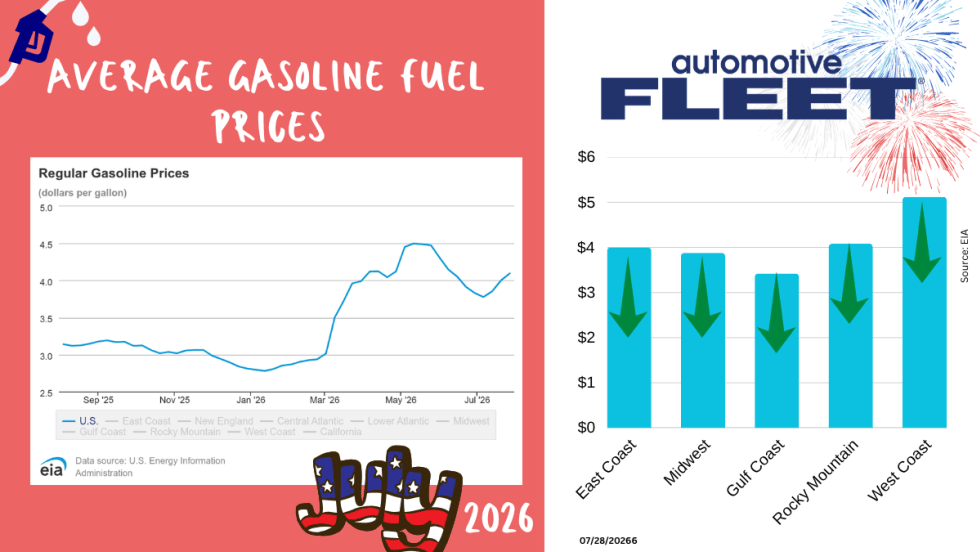
July Fuel Update: Prices Keep Rising in Light of More Conflict
Gas prices continue to rise as more and more conflicts do, too.
Read More →
Bob Adamsky on Fuel Volatility: "Don't Panic, Have a Plan."
When it comes to up and down fuel prices, Adamsky has a message for fleets: “Don’t panic.”
Read More →
How Fleets Can Gain Control of Non-Fuel Spend
Fuel often gets the spotlight, but non-fuel expenses can have a major impact on fleet costs. Ramel Lindsay of U.S. Bank Voyager discusses how fleets can gain better visibility and control over these often-overlooked expenditures.
Read More →
Fuel is Just the Start: How Middle East Tensions are Driving Up Fleet Maintenance Costs
The Middle East conflict is doing more than pushing up fuel prices. It’s also raising the cost of key maintenance products your fleet depends on, from motor oil to tires to windshield wipers. Here’s what you need to know about this budget-busting situation.
Read More →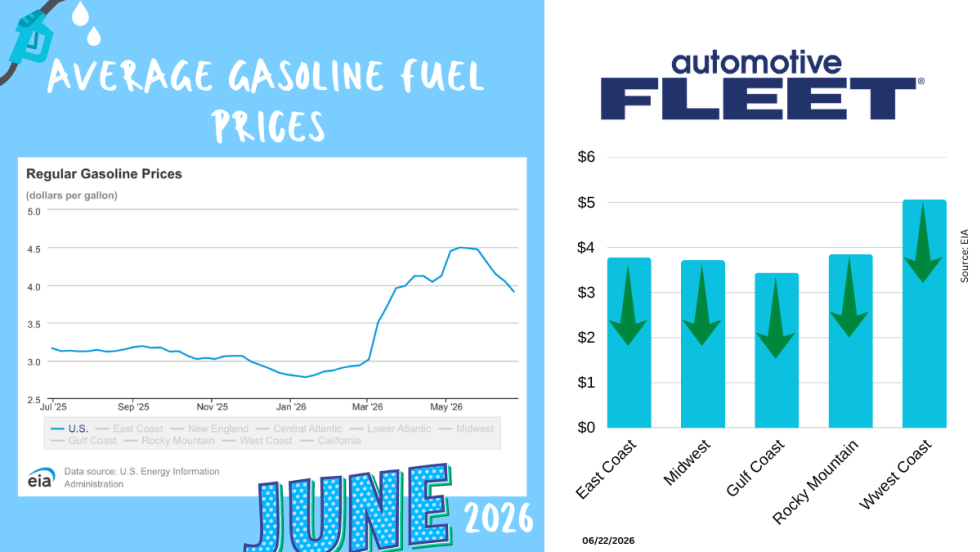
June Fuel Update: Prices Fall Below $4
Drivers are finally getting some relief at the pump. The national average gas price has dropped below $4 a gallon for the first time in months, with prices falling in 47 states as oil markets react to developments in U.S.-Iran negotiations.
Read More →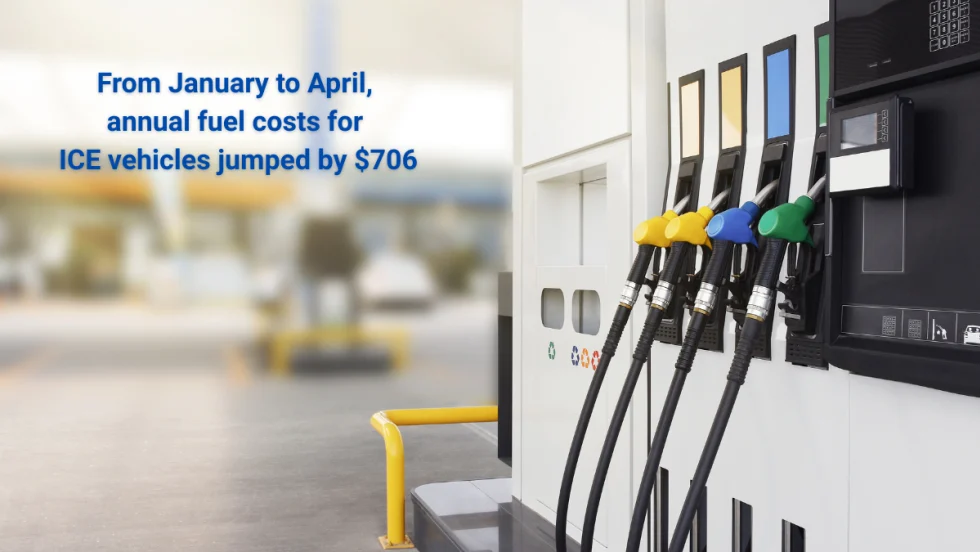
Study: How 2026's Gas Price Hikes Affect Different Vehicle Types
New data from iSeeCars reveals how rising fuel costs have affected different vehicle segments as gasoline prices climbed nearly 46% over the past four months.
Read More →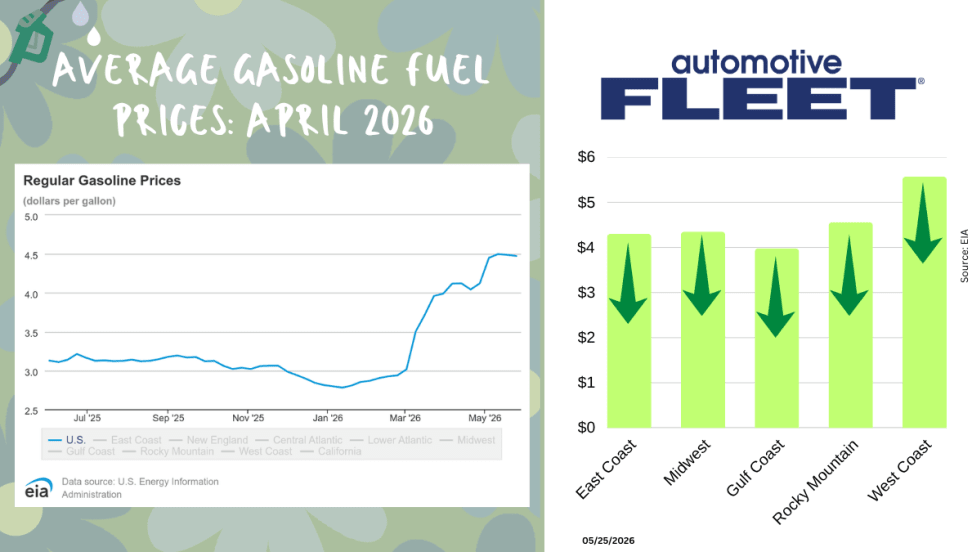
May Fuel Update: All Regions Experience Declines
Gas prices are finally easing in much of the country, but experts warn global tensions could quickly reverse the trend as the national average remains well above last month’s levels.
Read More →