




Mobility Enhances Utilization and Rightsizing
Connected-vehicle technology produces data fleet managers can use to inform utilization and rightsizing decisions.
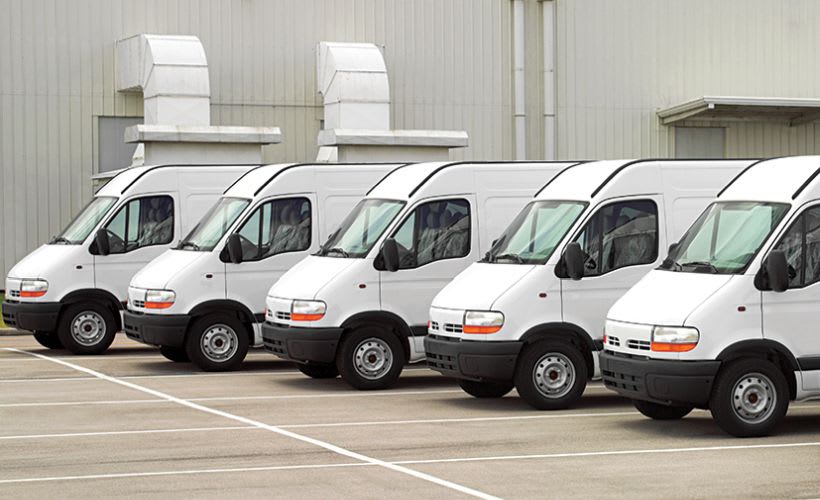
Objective datasets produced by connected-vehicle technology can inform and streamline your next utilization analysis.
Photo by Ziviani via Getty Images.
Increasing utilization and rightsizing vehicles are age-old fleet practices, but today, connected vehicle data makes these processes far more detailed in scope — not to mention making the decisions more accurate.
Bias is inevitable in a majority of human decisions. Everyone has personal preferences that can affect the choices we make and the thought processes behind them. In managing any sort of operation, this can make objectivity tough in forming the most efficient decisions. When it comes to trying to increase utilization and rightsizing vehicle specs, for example, personal preferences and influences can get the best of any good fleet manager. That's the tricky truth of bias: It's happening whether we realize it or not.
But then enters data. Did our drivers say they didn't need that extra ladder rack, but it turns out vehicles with an extra ladder rack get used the most? Is the data telling us that most of the jobs our drivers get called out to require that extra ladder? It's not that the drivers were trying to deceive anyone; they probably just prefer driving the vehicle without all that extra equipment. But the data may tell a different story on what the operation needs.
The Macro Story: Utilization
Calculating what vehicles get used and how often is a straightforward formula that can be easily computed by many fleet telematics systems. By tracking the GPS and engine runtime of the vehicle, it's a simple percentage that tells the larger picture of each vehicle.
When looked at further, though, a veteran fleet manager will tell you it's far more complicated than that. What about your specialty or seasonal vehicles and equipment? In that case, it's not just a matter of comparing utilization rates and axing your lowest-used vehicles to increase your utilization numbers.
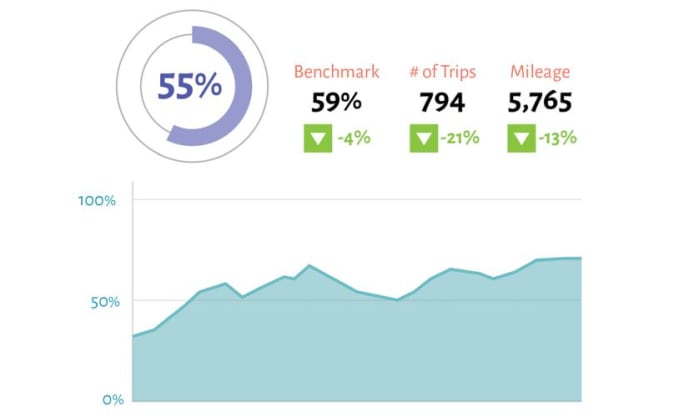
Utilization rates are often a simple report to view in many telematics dashboards, in which you can look at utilization rates based on different parameters.
Source: Verizon Connect
Expanding the Story
Even though not all vehicles are treated equally, utilization rates are still important to look at, which is becoming more and more true in the new on-demand and sharing economy. By seeing objective data on what vehicles are used most often and when, compared to how much it costs to upfit and maintain, it may be worth searching alternatives for some vehicles and equipment.
In some cases, fleets have told stories of sharing certain low-demand vehicles or equipment with other area fleets with agreed upon shared maintenance costs. By using telematics data, noncompeting fleets could see a similar use case on either side and similar utilization rates that occurred at different times of day. It took collaboration and some shared data to see if it could work, but the model saved both companies on the bottom line.
Changing the Story
Seeing objective data behind fleet utilization can even mean changing parts of your fleet model altogether. Telematics companies report that they're hearing more and more fleets asking for solutions for a shared vehicle model instead of dedicating vehicles by department or by driver. Using telematics and other connected fleet technology, fleets can make carsharing a reality without it causing major disruptions to the entire business. Maybe in examining utilization rates you find that you have several sedans sitting at any single location at a time — this is likely a good vehicle segment to implement carsharing so that you can eliminate a few unnecessary vehicles.
Starting a New Story
Some fleets are going full-bore into carsharing as well as including multimodal forms of mobility. The shift, however, isn't in the mobility per se, but is a shift in thinking of mobility as part of workforce management, not asset management. This conceit underpins the concept of "mobile resource management" or "mobile workforce management." It's about looking at mobility from an employee perspective — from how they get to work and home and everything between, and how their needs can be integrated into your operational needs. For example, would local traffic make it more sensible for your driver to take a train or bus into the yard instead of taking the vehicle home? Would they actually get to work faster? Would it increase their safety and perhaps even their productivity?
While these shifts don't happen overnight, data is what makes these insights possible. Historic traffic information and commute times, times of day vehicles are used and by number of employees, and where vehicles travel and how many times they cross paths are all examples of datasets that serve as powerful — and objective — decision-making tools.
The Micro Story: Rightsizing
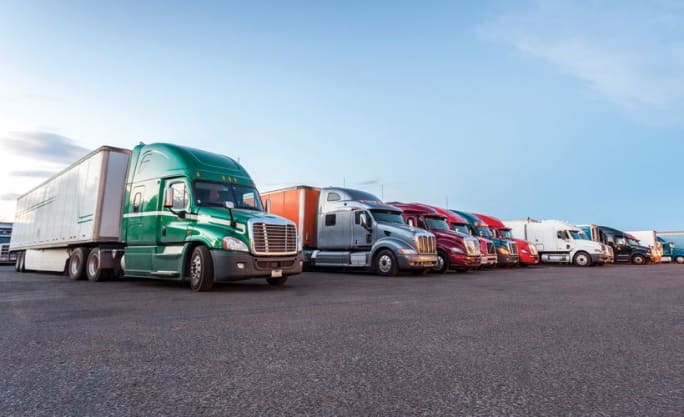
Whether they want to be or not, the heavy-duty truck side of the transportation market is now required to have electronic logging devices (ELDs) installed.
Photo by Jacek_Sopotnicki.
Digging further into utilization rates and looking even more granular is the concept of rightsizing, which is a common business practice that is often confused with downsizing. The difference is that downsizing is not necessarily a choice, it's the reduction of employees or assets due to financial necessity. Rightsizing, on the other hand, is about ensuring the right fit. This can be applied to labor organization to the types of vehicles fleets use in their operations, as well as the type of equipment and technology onboard.
And this isn't just fancy jargon to make downsizing sound like something positive; rightsizing is about finding inefficiencies or outdated processes or specifications that simply don't work or aren't the best possible solution.
Data Keeps Rightsizing on Track
Data is the tool that helps keep rightsizing goals focused on efficiency and productivity, and that the goals don't get reduced to a cost-cutting mission. Service and workplace morale issues can easily cause such efforts to backfire, and in the long run, they can negatively impact efficiency and productivity.
Rightsizing: More Than Vehicle Specs
Traditionally when talking about rightsizing, it was about vehicle specs, such as asking questions like, "Do I have the right powertrain, wheelbase, etc." But as telematics has developed, now fleets can ask questions like, "Do I have all the right equipment that is actually used the most on jobs?"
These questions now have hard data in confirming or synthesizing driver surveys and manager observations about their preferences into balanced and more objective rightsizing decisions. By using detailed maintenance data, for example, fleets can see common to irregular maintenance issues that could open the door to a change in vehicle spec'ing.
Getting Even More Granular
Take maintenance data coupled with new concepts in some telematics systems that allow you to tag attributes to vehicles or even drivers, and fleets can rightsize their workforce as well as their assets.
You also could consider tagging skills to drivers, making it easier for dispatchers to see who not just who is closest, but is the closest and most appropriate person to route to a specified job. This could mean better combining skills among drivers that are most commonly needed on jobs, for example. On the surface, it may cost more to send two people, but if you find increased customer satisfaction tied to those jobs or that the actual man hours are reduced because certain parts of the job can be done faster with two people, then again, you've increased efficiency and productivity — and therefore succeeded on your rightsizing endeavor.
This granular information, combined with the birds-eye view of vehicle utilization, is the daily story of your fleet. As a fleet specialist, it's up to you to read it and analyze it like any good book.
More Telematics
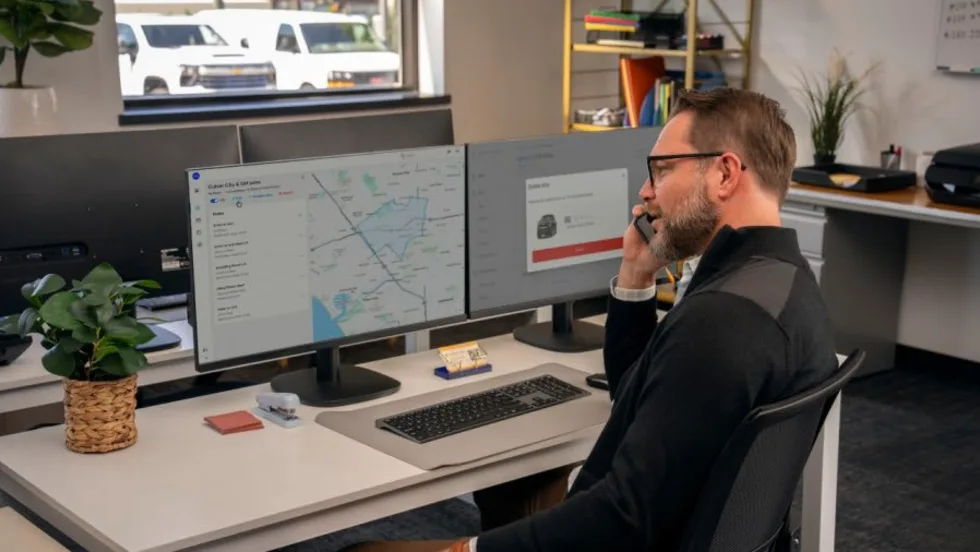
GM Launches OnStar Fleet Intelligence Platform With AI Assistant
The new platform brings vehicle data, order tracking, connected services and fleet analytics into one system, with an AI assistant that can answer fleet questions using natural-language prompts.
Read More →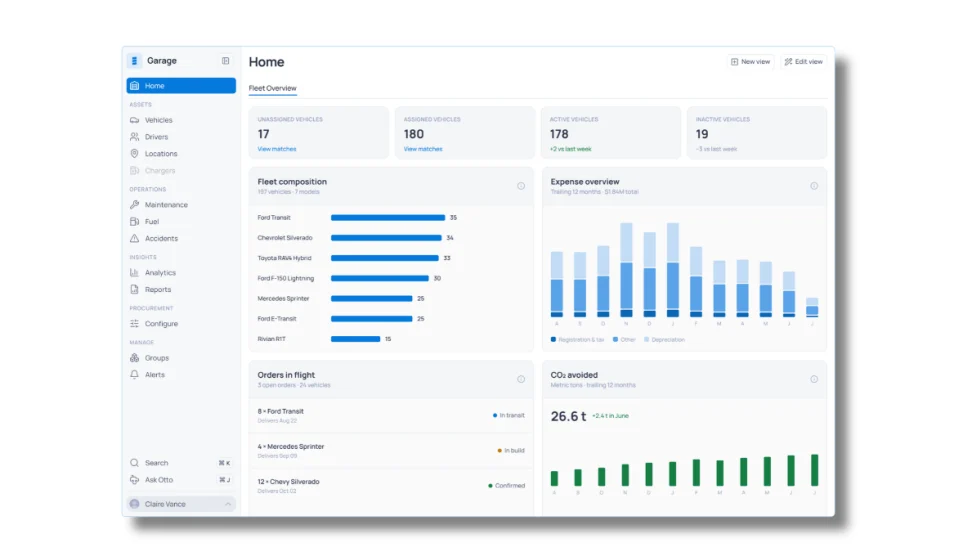
Inspiration Fleet Introduces Garage 2.0 Fleet Intelligence Platform
Fleet managers increasingly have access to data from vehicles, telematics, fuel, charging, and other systems, but those sources don't always communicate with one another. Inspiration Fleet's Garage 2.0 platform brings that information together while letting fleets keep working with different technology and service providers.
Read More →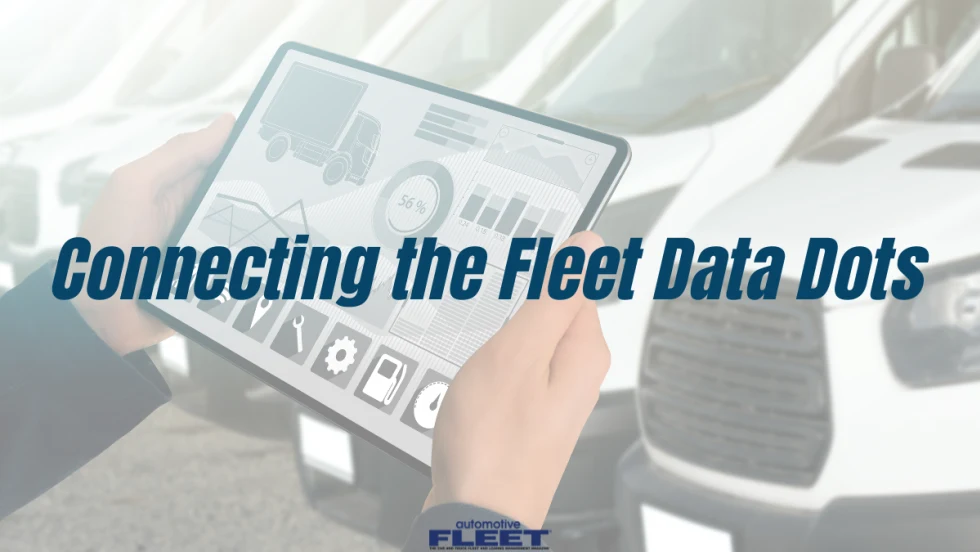
Inside Inspiration Fleet’s New Platform for Connecting Fleet Data
Inspiration Fleet CTO Chris Getner explains how the new Garage 2.0 platform is designed to connect disparate fleet data and what that could mean for fleet managers in practice.
Read More →
Fleet Manager’s Ultimate Playbook: Navigating the New Standard in OEM Connectivity
Rising operating costs, driver safety concerns, and unplanned downtime are putting unprecedented pressure on modern fleets. Discover how fleet managers use embedded OEM connectivity and real-time vehicle data to cut TCO, prevent downtime, and protect drivers without aftermarket telematics hardware.
Read More →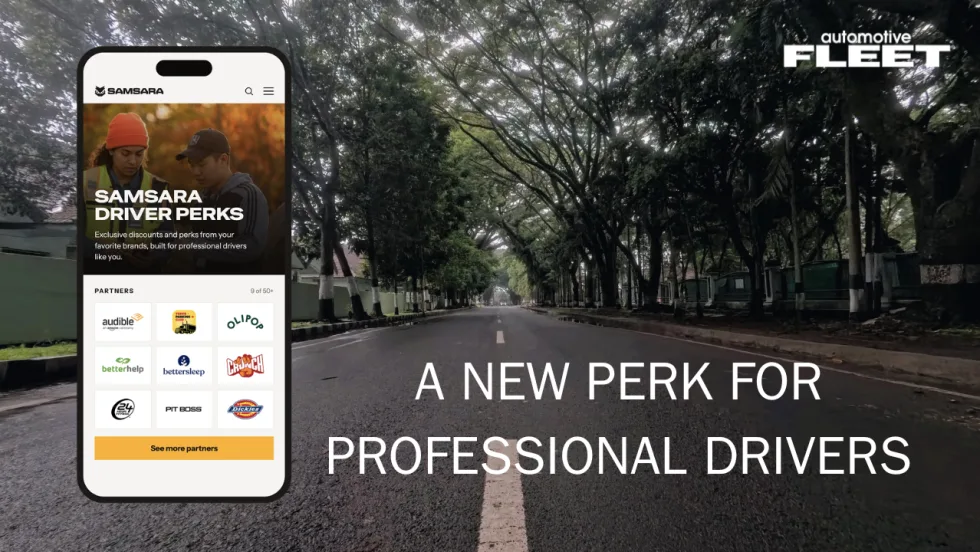
Samsara Driver Perks Adds New Benefit for Corporate Fleet Drivers
The rewards program gives eligible professional drivers access to discounts from more than 50 brands while giving fleets another way to support recruitment, retention, and the driver experience.
Read More →
Inside the Church of Jesus Christ of Latter-day Saints’ Two-Track Telematics Strategy
With 20,000 vehicles and two fundamentally different driver populations, the Church faced a fleet management problem that a single telematics program couldn't solve. How it responded offers a replicable framework for any fleet where one size doesn't fit every driver.
Read More →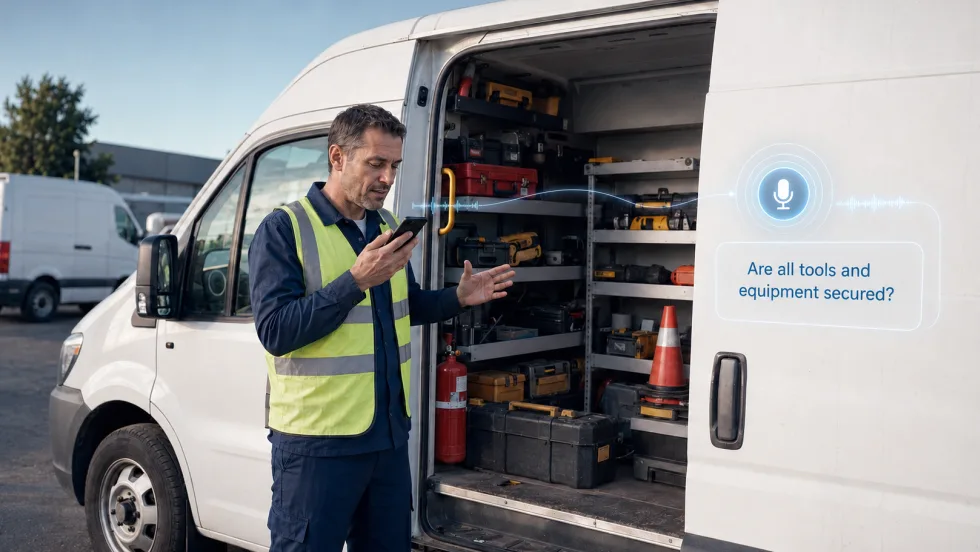
How Conversational AI Can Make Fleet Tasks Easier for Drivers
While most generative AI tools help fleet managers interpret data at their desks, Connex2X is applying voice interaction to tasks behind the wheel.
Read More →
Why Fleets Are Creating Dedicated Fleet Analyst Positions
Are fleet analyst positions the new norm? Listen here to find out.
Read More →
Teletrac Navman Begins Next Chapter as Standalone Private Company
What's new with Teletrac Navman and its new owner?
Read More →
Why Fleets Are Creating Dedicated Fleet Analyst Positions
Telematics, AI, EVs, and connected technologies are generating more fleet data than traditional teams can effectively manage. Reed Jackson explains why dedicated fleet analytics roles are emerging to turn that information into better operational decisions.
Read More →